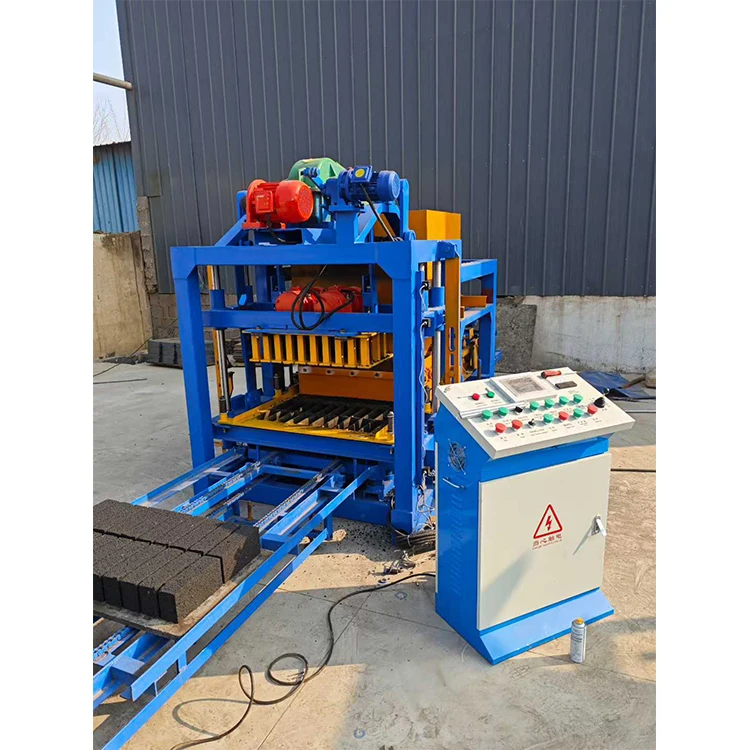
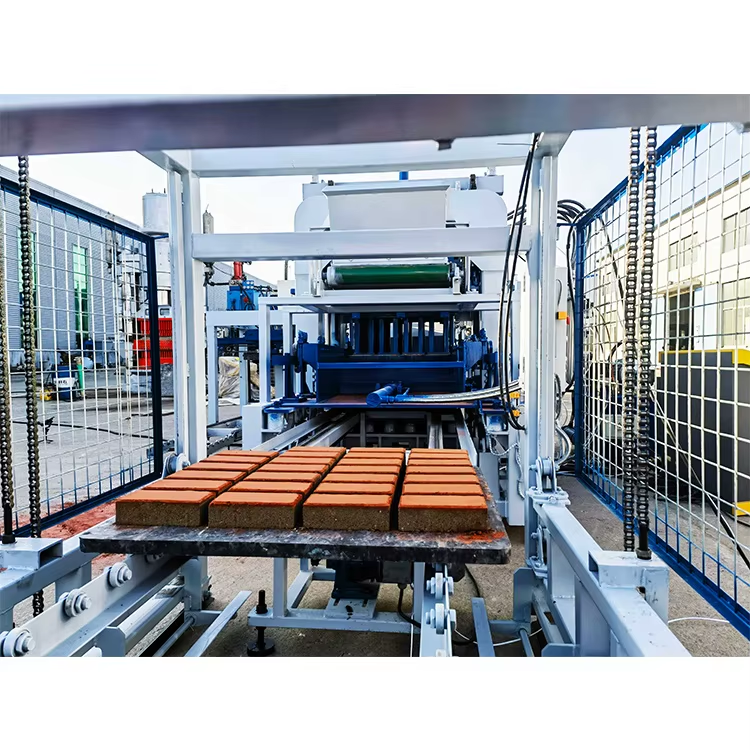


Description
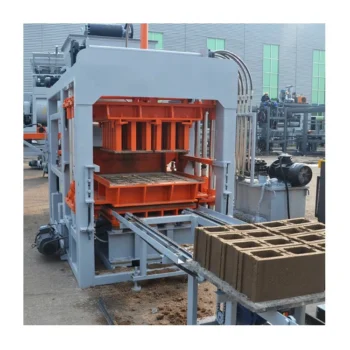
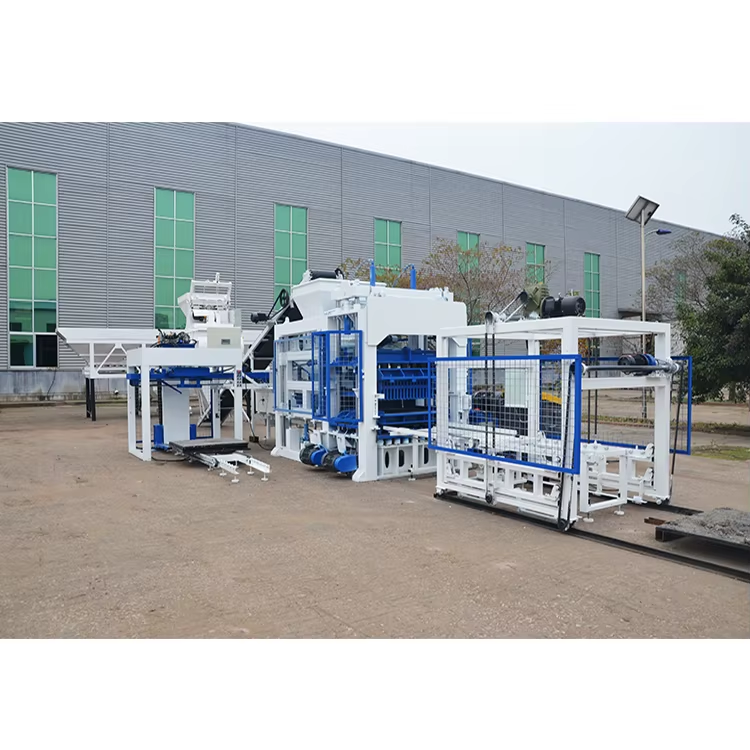
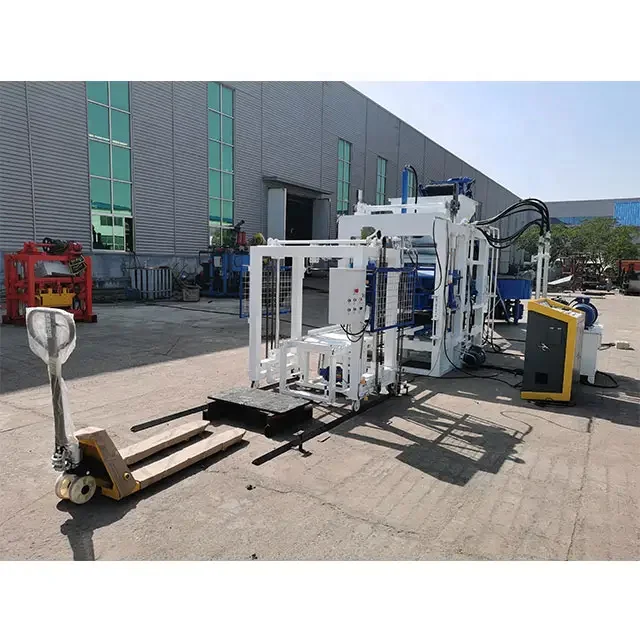
Rapid Dispatch Readiness — The QT10-15 block making machine in stock undergoes rigorous pre-shipment electrical verification and test runs, ensuring immediate container loading without compromising on-site commissioning speed.
Technical Specifications
| Parameter | Value |
|---|---|
| Model | QT10-15 |
| Product Type | Fully Automatic Hydraulic Block Making Machine |
| Method | Hydraulic Pressure |
| Overall Dimensions (L×W×H) | 7100 x 1600 x 2610 mm |
| Net Weight | 7200 kg |
| Rated Pressure | 21 MPa |
| Pallet Size | 1100 x 900 mm |
| Voltage | 380V (frequency to be confirmed) |
| Brick Raw Material | Concrete, cement, flyash |
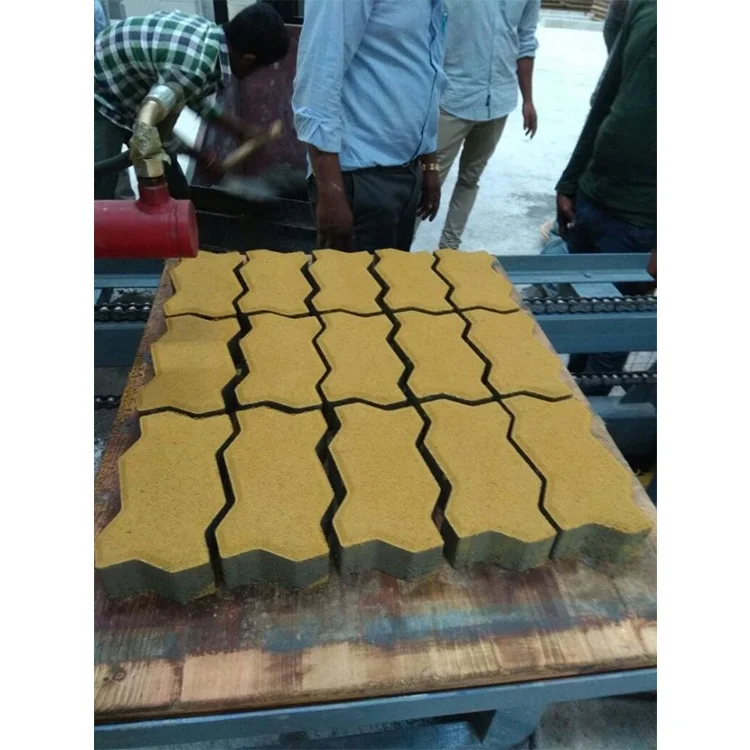
| Block Type | Hollow block, solid brick, paver, curbstone |
| Molding Cycle | 15S (basis to be confirmed) |
| Labor Requirement | 3-5 workers |
| Core Components | PLC, Pressure Vessel, Engine, Gear, Motor, Pump, Bearing, Gearbox |
Application Suitability
| Application | Material or Output |
|---|---|
| Housing project block supply | Concrete and cement hollow blocks |
| On-site contractor production | Flyash and cement solid bricks |
| Municipal paving preparation | Concrete paving blocks and curbstones |
Why the Voltage Question Must Precede the Dispatch Date
Confirming local frequency and voltage prevents catastrophic motor failures upon arrival.
Rushing a QT10-15 block making machine in stock onto a vessel without verifying the destination grid is a costly mistake. Early in my career, I oversaw an installation in Latin America where a 60Hz requirement was overlooked. The moment we powered up, the main motors burned out, forcing a three-week delay for replacements. Now, managing factory assembly and testing, I ensure every electrical cabinet and PLC component is matched to the buyer’s grid before the machine is dismantled for shipping. [NEED_CITE: international voltage and frequency standards for heavy machinery]
Container Loading and Dismantling Logistics
Getting a 7200 kg hydraulic press to your site quickly requires more than just having a QT10-15 block making machine in stock. The main frame and hydraulic stations are systematically dismantled to optimize the shipment footprint, allowing the entire line to fit efficiently into standard containers. This planned breakdown ensures that transit is smooth and that reassembly on your foundation follows a logical, rapid sequence.
Verified Readiness Before Dispatch
Speed means nothing if the equipment arrives with hidden faults. Before any unit is cleared for loading, it undergoes a full dry-cycle test and electrical load simulation on our factory floor. We provide machinery test reports and video outgoing-inspections so you can visually verify the hydraulic pressure responses and structural integrity before the crate is sealed. [NEED_CITE: factory acceptance testing protocols for hydraulic presses]
Decoding the Press Footprint and Pallet Logistics
The 7100 x 1600 x 2610 mm footprint of the main press dictates your facility layout, but the 1100 x 900 mm pallet size dictates your entire curing and handling operation. When we prepare a unit for fast dispatch, we ensure the pallet dimensions align with standard material handling equipment. The 21 MPa rated pressure is generated by a heavy-duty hydraulic system that requires precise alignment during on-site reassembly, a process we streamline by match-marking components before they leave our factory.
The Hidden Costs of Unverified Dispatch
Shipping a machine without confirming the exact PLC language or electrical frequency leads to immediate on-site paralysis. Contractors lose critical weeks waiting for specialized electricians to rewire panels or translate control screens, turning a fast-tracked delivery into a delayed project. Proper pre-dispatch verification eliminates these hidden downtime costs. [NEED_CITE: common causes of commissioning delays in imported machinery]
Why Source Your Fast-Track Equipment Here
We treat dispatch speed and mechanical integrity as equal priorities. Every QT10-15 block making machine in stock is tested as a complete system, not just assembled from catalog parts. Our factory test records prove the hydraulic circuits and PLC logic function correctly before dismantling. We provide upfront arrival estimates and transparent loading plans, ensuring you know exactly when and how the equipment will reach your port.
Documentation & Verification
- Factory test record verifying hydraulic pressure and cycle functions before dismantling.
- Video outgoing-inspection showing the specific unit prepared for your shipment.
- Detailed container loading plan and match-marked dismantling diagrams.
- Voltage and control language confirmation sheet signed prior to dispatch.
- Complete customs documentation support to prevent border clearance delays.
Installation, Commissioning & Support
- Foundation plans mapped to the 7100 x 1600 mm press footprint and dynamic loads.
- Electrical requirements detailing the 380V supply and dedicated circuit needs.
- Match-marked reassembly procedures for the 7200 kg structural components.
- Initial hydraulic pressure calibration to reach the 21 MPa operating threshold.
- PLC interface familiarization for the 3-5 worker operational team.
- Wear parts inventory list for the hydraulic pump and gearbox assemblies.
Planning Your Site Arrival
To ensure the equipment integrates smoothly into your schedule, please provide your exact local voltage and frequency requirements alongside your preferred PLC display language. We also need to know your port of destination to calculate accurate transit times and confirm the current dispatch lead time for the available configuration.
Frequently Asked Questions
Q: What is the exact dispatch lead time for the available units?
A: Dispatch lead times depend on current inventory and the specific port of destination. Once your electrical and language requirements are confirmed, we provide an upfront arrival estimate and a transparent loading schedule before order finalization.
Q: Are standard pallets included and ready to load?
A: Yes, the standard 1100 x 900 mm pallets required for the press are prepared alongside the main machine. They are bundled efficiently within the container loading plan to ensure everything arrives together for immediate setup.
Q: How is the 7200 kg machine dismantled for shipping?
A: The main hydraulic press and supporting structures are systematically broken down into container-optimized modules. Every connection point is match-marked during dismantling to guarantee a rapid, error-free reassembly process on your site.
Q: What electrical configurations are verified before shipping?
A: We verify the 380V electrical systems and PLC components against your local grid frequency and language preferences. This pre-shipment testing prevents motor failures and control issues upon arrival.
Q: How quickly can commissioning begin after the container arrives?
A: Because the unit is fully tested and match-marked before leaving our factory, on-site reassembly and commissioning can begin immediately after the equipment is positioned on your prepared foundation.