

Description
Ready-to-Ship Automation — stocked configurations allow buyers to secure immediate dispatch for urgent deadlines while keeping future line upgrades on the table.
Technical Specifications
| Parameter | Value |
|---|---|
| Model | QT12-15 |
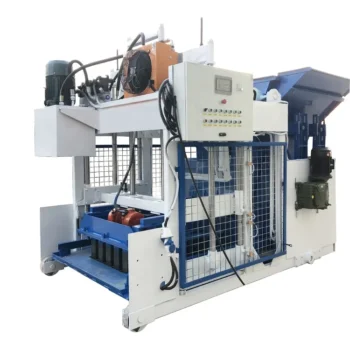
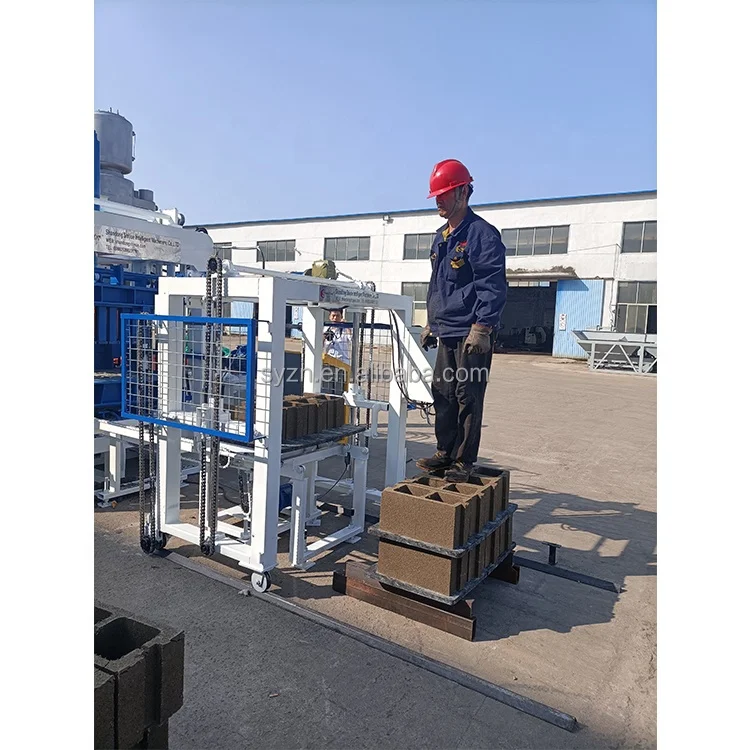
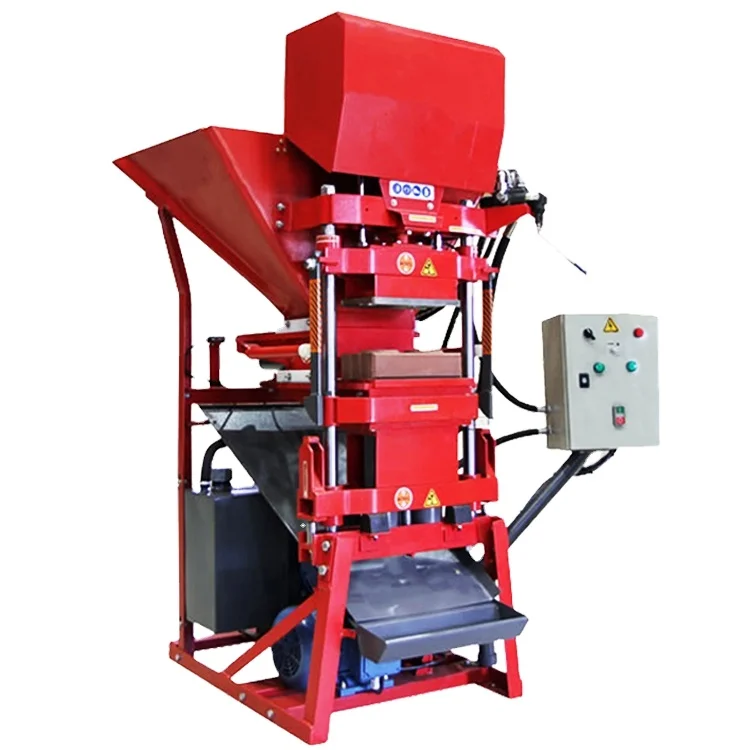
| Product Type | Fully Automatic Block Production Line |
| Overall Power | 62 kW |
| Voltage | Configured to customer local voltage |
| Control System | PLC |
| Overall Dimensions (L×W×H) | 9350×2320×2950 mm |
| Weight | 10000 kg |
| Molding Cycle | 15-25 seconds (basis to be confirmed) |
| Hydraulic Pressure | 21 MPa |
| Main Vibration Form | Platform Vibration |
| Vibration Frequency | 2800-4500 r/min |
| Pallet Size | 1350×900 mm |
| Automation Level | Fully Automatic |
Application Suitability
| Application | Material or Output |
|---|---|
| Hollow block production | Cement and concrete raw materials |
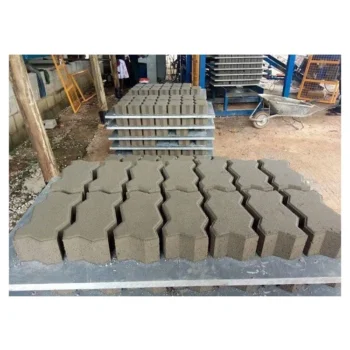
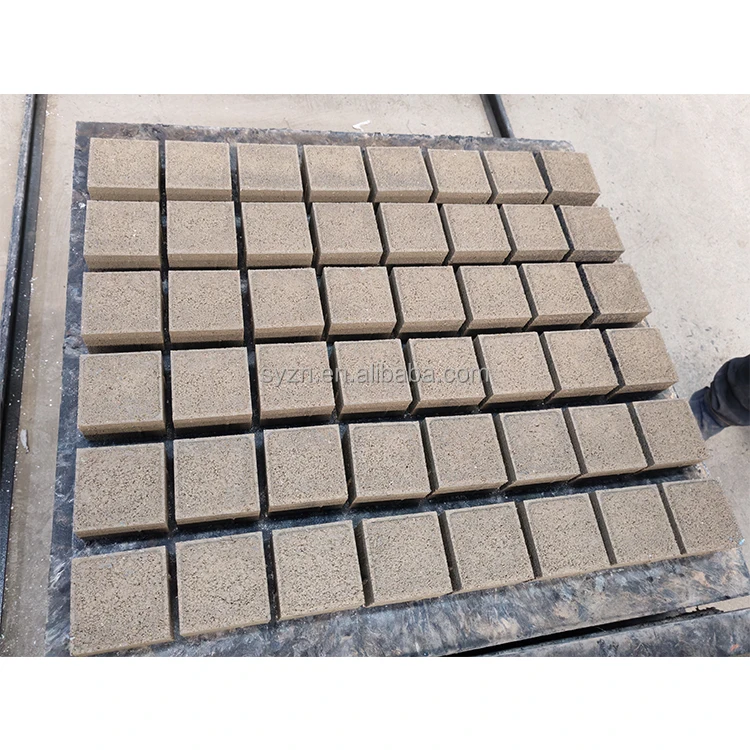
| Paving block manufacturing | Crushed stone and cement mixes |
| Interlocking brick forming | Concrete aggregates |
| Curbstone block pressing | Heavy-duty concrete formulations |
Why the Voltage Question Must Precede the Dispatch Date
Securing a QT12-15 block machine in stock means nothing if the main motor cannot spin on arrival. I once watched a fully automatic line sit idle for three weeks because the local grid frequency did not match the factory default, forcing an emergency transformer retrofit while the construction crew waited. Confirming your site’s exact electrical parameters before loading is the only way to guarantee immediate operation. A stalled commissioning process quickly erases any time saved by fast shipping [NEED_CITE: common electrical mismatches in exported heavy machinery].
Container Loading and Dismantling Protocols
Moving a 10,000 kg mainframe requires a precise dismantling sequence to fit standard shipping dimensions. We break down the 9350 mm length into manageable modules, securing the hydraulic station and PLC cabinet separately to prevent transit damage. This preparation ensures the QT12-15 block machine in stock rolls off the vessel ready for rapid reassembly, keeping your site logistics predictable.
Transparent Arrival Estimates
Project managers need calendar dates, not vague shipping windows. Our dispatch process pairs the immediate availability of the press with standard moulds and 1350×900 mm pallets, providing a clear timeline from factory gate to destination port. By quoting arrival estimates upfront, we eliminate the guesswork that typically plagues international equipment procurement [NEED_CITE: standard maritime freight transit variables].
Matching Vibration and Pressure to the Pallet
The 21 MPa hydraulic pressure and platform vibration operating between 2800-4500 r/min must transfer cleanly through the 1350×900 mm pallet to compact the concrete. If the pallet material deflects under this force, the resulting blocks lose dimensional accuracy. Sourcing the correct pallet thickness from our ready inventory ensures the kinetic energy fully compresses the mix rather than dissipating into the board.
The Hidden Cost of Rushed Electrical Checks
Skipping the pre-shipment electrical verification to save a few days at the factory often results in weeks of downtime at the job site. When a 62 kW system is wired for the wrong phase configuration, local electricians must rebuild the main distribution board, delaying the entire masonry schedule. Thoroughly checking the PLC language and voltage schematic before the container doors close prevents these expensive on-site corrections [NEED_CITE: industrial commissioning delays due to voltage mismatches].
Built for Rapid Deployment
We maintain a focus on block machinery, meaning the press, pallets, and handling components are staged together rather than sourced from disconnected vendors. Our inventory includes standard moulds for hollow and paving formats, allowing us to load complete setups without waiting for custom fabrication. Every QT12-15 block machine in stock undergoes a rigorous outgoing video inspection, and we provide detailed container loading plans so your receiving team knows exactly how the cargo is secured.
Documentation & Verification
- Factory test record verifying the 62 kW motor run before dispatch
- Video outgoing-inspection showing the PLC boot sequence and language
- Detailed container loading plan illustrating the dismantled mainframe layout
- Machinery test report confirming the 21 MPa hydraulic pressure baseline
Installation, Commissioning & Support
- Foundation must support the 10,000 kg mainframe and dynamic platform vibration
- Dedicated electrical circuit required to handle the 62 kW overall power draw
- Dismantled modules require heavy lifting gear for rapid on-site reassembly
- PLC interface configured to local language prior to leaving the factory
- Standard moulds and 1350×900 mm pallets included in the initial shipment
Preparing Your Site for Immediate Integration
To ensure the equipment integrates smoothly into your workflow upon arrival, please provide your local voltage and frequency specifications alongside the required PLC display language. We also need to know your available curing area dimensions to confirm the pallet handling setup. Sharing your target daily output and preferred block formats allows us to verify that the stocked mould inventory aligns perfectly with your project deadlines.
Frequently Asked Questions
Q: What is the exact dispatch lead time and arrival estimate?
A: Because the press and standard moulds are already built, the dispatch lead time is limited to the dismantling, securing, and container loading process. We provide a transparent arrival estimate based on your destination port once the booking is confirmed, allowing project managers to schedule their receiving crews and foundation work accurately.
Q: Which standard moulds and pallets are currently stocked for immediate loading?
A: Our ready inventory includes standard moulds for common hollow blocks, paving blocks, and interlocking bricks, along with matching 1350×900 mm pallets. This ensures the mainframe and its consumables ship together in the same container, preventing delays caused by waiting for secondary shipments to arrive at the job site.
Q: How is the machine dismantled and secured for container shipment?
A: The 9350 mm mainframe is broken down into modular sections to fit standard container dimensions. The hydraulic station and PLC cabinets are crated separately to prevent damage. We provide a detailed loading plan so your team understands the unloading sequence and can position the crane or forklift accordingly.
Q: Can voltage and PLC language be adjusted quickly before dispatch?
A: Yes. Since the electrical schematic is verified against your site data before loading, we configure the 62 kW motor connections and set the PLC display language to your preference. This critical pre-shipment step prevents the multi-week delays that occur when equipment arrives with incompatible electrical or interface settings.
Q: What customs documentation is provided to ensure smooth port clearance?
A: We supply a complete documentation package, including the commercial invoice, packing list, bill of lading, and the machinery test report. The detailed container loading plan and outgoing inspection video are also available to assist your customs broker in verifying the cargo and clearing the port without administrative hold-ups.