
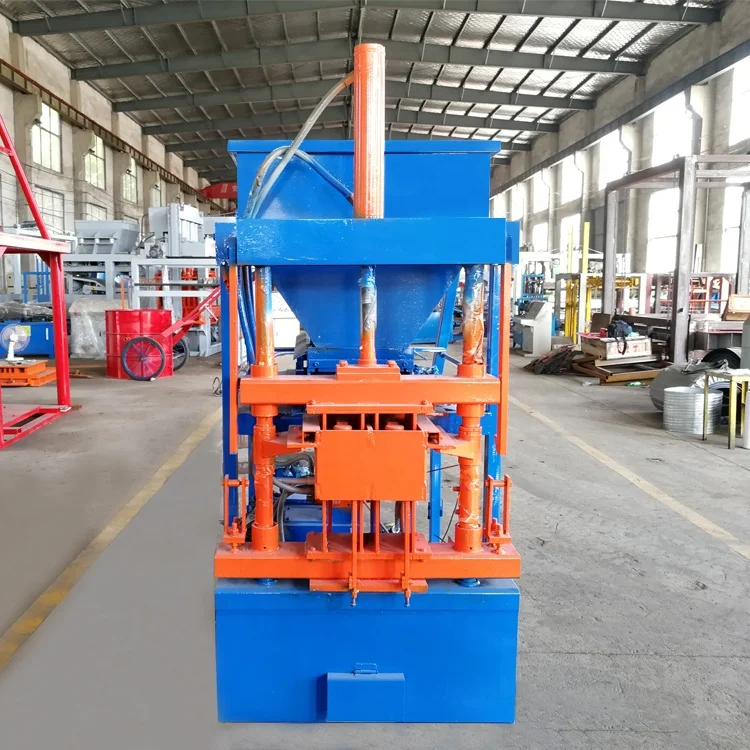
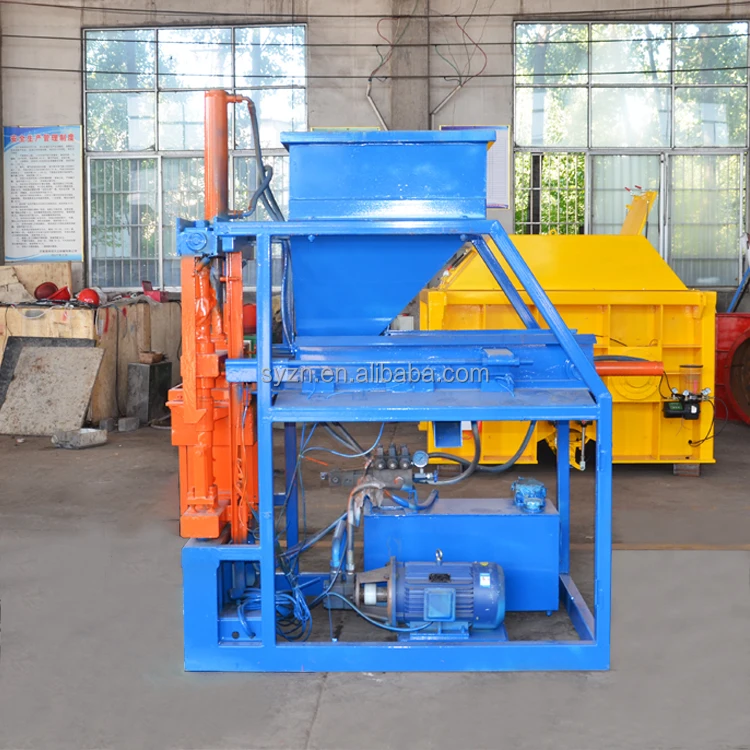
Description
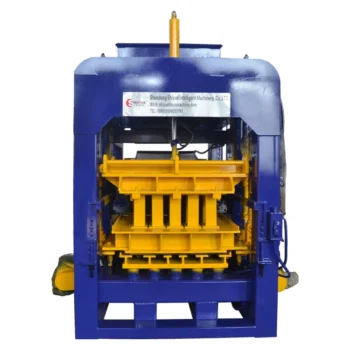
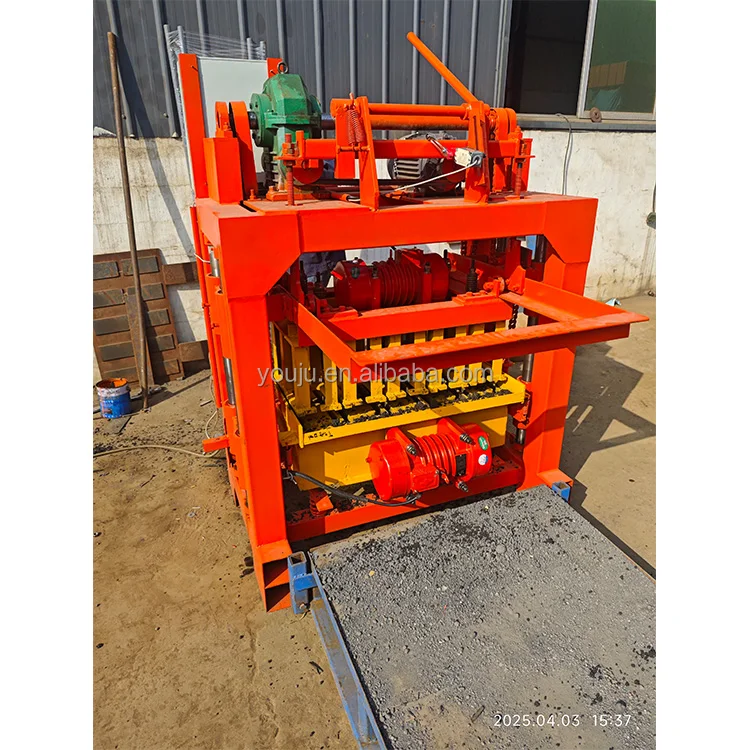
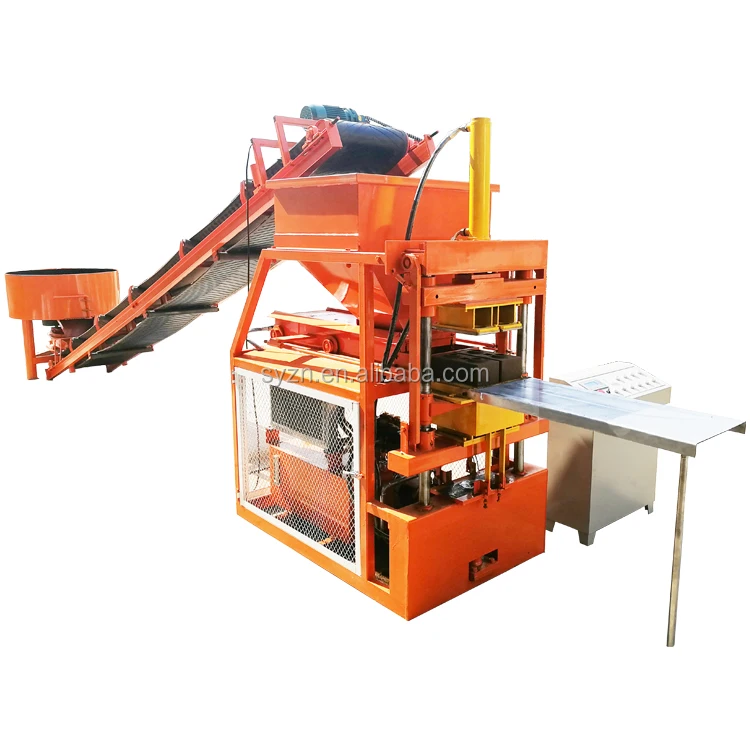
Stocked Configuration — the LY2-10 arrives as a complete semi-automatic clay block line with standard moulds and dismantling plan ready for container loading.
Technical Specifications
| Parameter | Value |
|---|---|
| Model | LY2-10 |
| Product Type | Clay Interlocking Block Making Machine |
| Machine Power | 7.5 kW |
| Molding Cycle | 10 s |
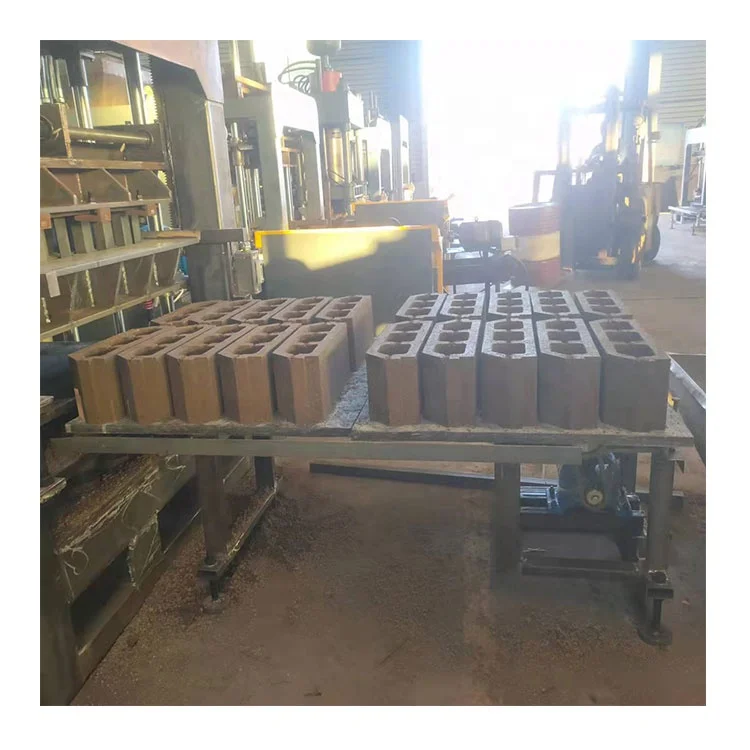
| Capacity | 750 pcs/h (basis: 300×150×100 mm, 250×125×75 mm or 230×220×115 mm interlocking format, 1 pc/mould) |
| Raw Materials | Clay, soil, earth, mud, concrete, cement, fly ash |
| Overall Dimensions (L×W×H) | 1300 × 1800 × 2400 mm |
| Automation Level | Semi-automatic |
| Bricks per Mould | 1 |
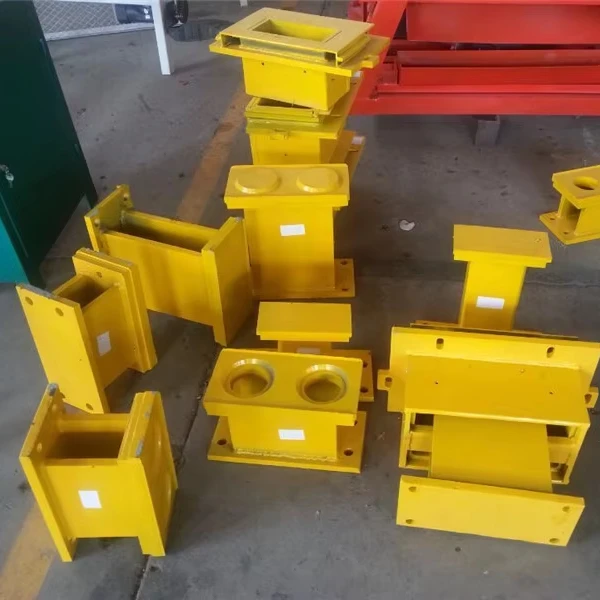
| Mould Format Options | 300×150×100 mm / 250×125×75 mm / 230×220×115 mm (interlocking) |
| Control System | (value to be confirmed at order) |
| Voltage & Frequency | (configurable to destination market) |
| CE Declaration | Available where applicable |
Application Suitability
| Application | Material or Output |
|---|---|
| On-site housing project block production | Locally sourced laterite, red soil or sandy clay mixed with cement |
| First-plant entrepreneur interlocking brick runs | Earth-clay blends with fly ash or crusher dust |
| Contractor supply for development sites | Stabilized mud and cement interlocking pavers and wall blocks |
| Distributor stock for regional building material markets | Semi-dry pressed clay and concrete interlocking formats |
Why "In Stock" Needs a Dispatch Plan, Not Just a Label
Confirming the LY2-10 clay block machine in stock fast delivery status means pinning down container loading, dismantling state and voltage configuration before the deposit clears.
I have watched a project-deadline buyer lose two weeks because the machine that sat "ready to ship" still needed a control panel rewired for 50 Hz and a mould crate that did not fit the container door opening. Stock on the showroom floor is not stock in a sealed container heading to your port. [NEED_CITE: machinery export lead time variables]
Dispatch Readiness That Matches a Project Deadline
When a contractor needs the LY2-10 clay block machine in stock fast delivery to meet a housing handover, the conversation starts with what is physically on the floor and what needs building. The semi-automatic press, its 7.5 kW motor and the interlocking mould set must all be matched to the buyer’s voltage, frequency and control language before crating begins.
Container Loading and Dismantling for Sea Freight
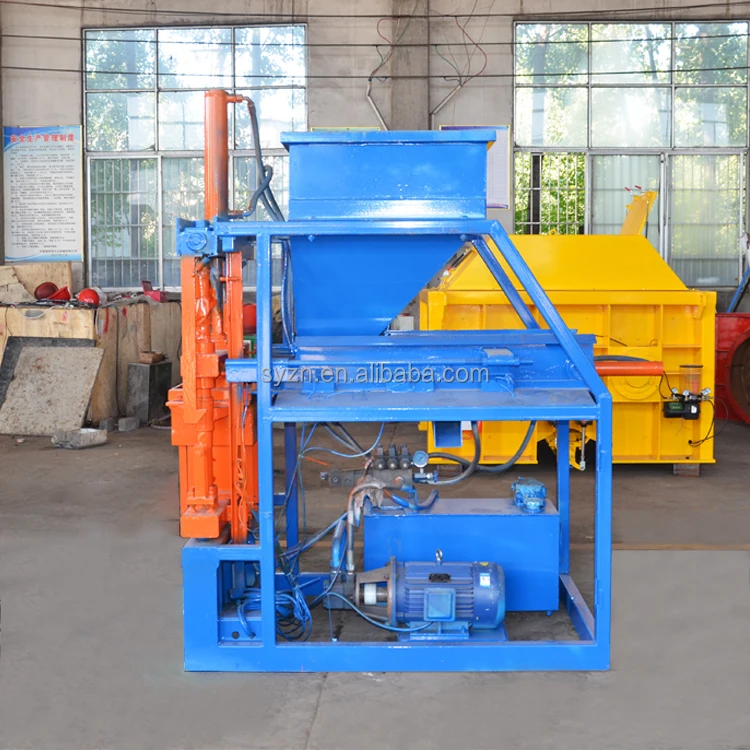
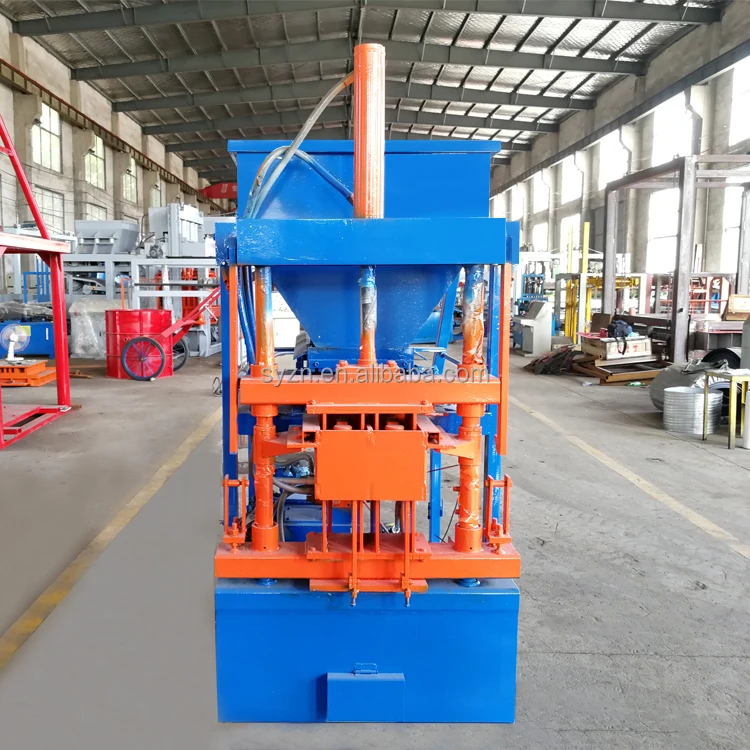
The 1300 × 1800 × 2400 mm footprint allows the main frame to stand upright inside a standard container, but the hopper, hydraulic lines and control cabinet come off as separate packages. Every bolt pattern and wiring loom is tagged so the on-site team can reassemble without waiting for a technician to fly in. Loading photographs are shared before the container doors close, and customs documentation is prepared alongside the packing list. [NEED_CITE: container loading standards for industrial presses]
What the Moulding Cycle and Format Range Mean on Site
The 10-second cycle time applies across the three interlocking sizes, so swapping from 300×150×100 mm wall blocks to 230×220×115 mm pavers does not change the press rhythm, only the raw material feed rate. A 7.5 kW drive keeps power demands within the reach of a small site generator, which matters when the block yard is set up beside a construction project rather than inside an industrial estate. Semi-automatic operation keeps the capital outlay contained while still allowing the operator to add pallet handling and stacking equipment later as the plant grows.
The Cost of Shipping Before the Voltage Question Is Settled
A control cabinet built for 380 V / 50 Hz that lands on a 220 V / 60 Hz site will either refuse to start or burn out the hydraulic solenoid within the first shift. I have seen buyers pay for an emergency rewiring engineer and air-freighted contactors because the voltage conversation happened after the bill of lading was issued. Getting the frequency, phase and display language locked at inquiry stage removes that entire class of delay. [NEED_CITE: industrial voltage and frequency compatibility requirements]
Why Buyers Route Their Block Machine Orders Through This Line
Block machinery is the single focus here, so the LY2-10 arrives with its mould, pallet spec and handling plan specified as one system rather than sourced from three different catalogues. Configuration is checked against the buyer’s actual soil sample and target block strength, not a default setting. Stocked models and standard interlocking moulds move through dispatch quickly, and the dismantling plan is drawn before loading so reassembly on site stays within a single shift. Voltage, frequency and PLC display language are confirmed in writing before the container is sealed. Factory test records and packing photographs are shared before departure so the buyer sees exactly what is inside the crate.
Documentation & Verification
- Dispatch schedule and container loading plan issued with the quotation
- Factory test record on the buyer’s specified interlocking format before crating
- Voltage, frequency and control language confirmation sheet signed at order
- Packing photographs and weight list shared before container sealing
- Mould drawing and format list for the three interlocking sizes included in the crate
- Customs documentation package prepared to match destination port requirements
Installation, Commissioning & Support
- Foundation pad sized to the 1300 × 1800 mm footprint and 7.5 kW vibration load
- Dedicated circuit matching confirmed voltage and frequency before the press is energized
- Main frame, hopper and control cabinet reassembled using tagged bolt and wiring points
- First test run on the buyer’s local clay-cement mix to verify block strength and cycle time
- Operator walk-through covering the 10-second cycle, mould change and daily greasing schedule
- Wear parts list and mould reorder reference packed with the machine documentation
What to Send With Your Inquiry
Share the interlocking block size your market actually sells, the clay or soil sample you plan to press, and the voltage and frequency at your site. Include the container arrival date your project requires so the dispatch plan can be built around that deadline rather than a generic lead time.
Frequently Asked Questions
Q: What is the current stock status and dispatch lead time for the LY2-10?
A: Stock status is confirmed at inquiry, covering the press, standard interlocking moulds and control cabinet. Once voltage, frequency and language are locked, the dispatch plan is issued with a container loading date and an arrival estimate quoted upfront.
Q: How is the machine dismantled and loaded into a container for sea shipping?
A: The hopper, hydraulic lines and control cabinet are removed and crated separately, while the main frame stands upright. Every connection is tagged for reassembly, and packing photographs are sent before the container doors are sealed.
Q: Which voltage and frequency configurations can ship without delaying arrival?
A: Common industrial voltages and 50 Hz or 60 Hz configurations are held as standard options. Confirming the exact phase and frequency at inquiry avoids a post-shipment rewiring that would hold up commissioning on site.
Q: What moulds and wear parts are included in the shipment, and what needs to be ordered separately?
A: The shipment includes the selected interlocking mould and a first-charge set of hydraulic seals and wear strips. Additional mould formats and extended spare parts kits are quoted separately so the buyer can match them to project volume.
Q: Can I see packing photographs and factory test records before the container is sealed?
A: Yes. A factory test run on the specified interlocking format is recorded, and packing photographs showing the crated press, mould boxes and documentation folder are shared before the container leaves the loading bay.