Description
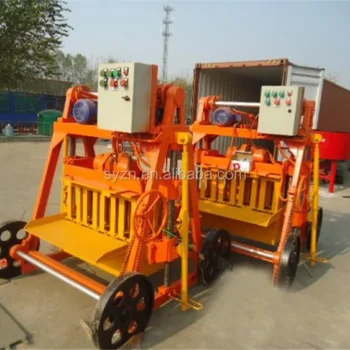
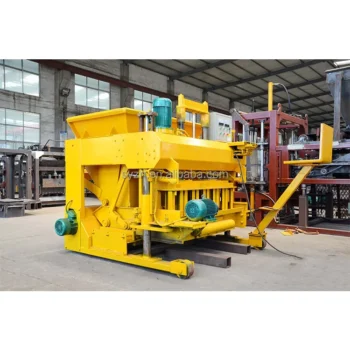
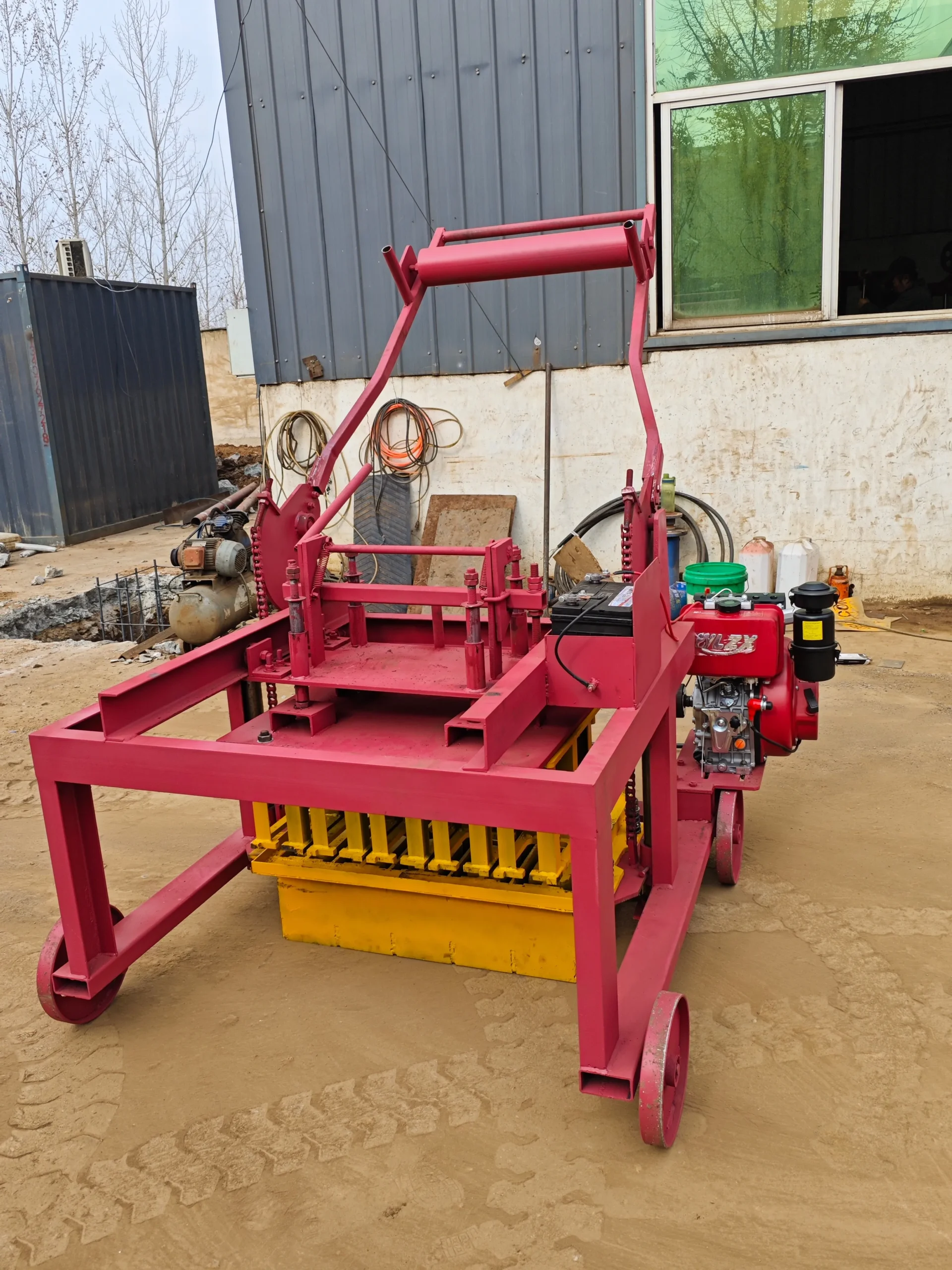
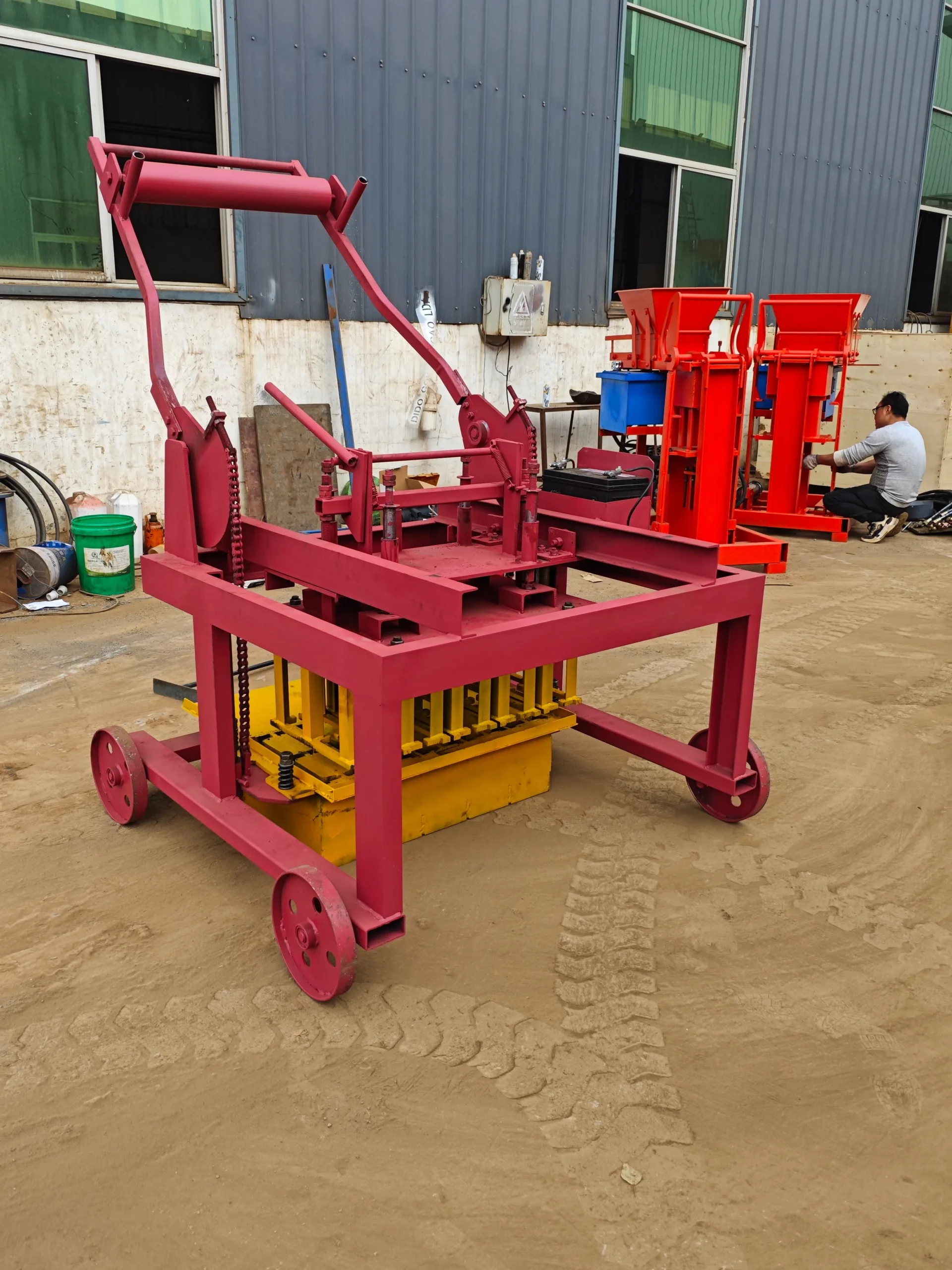
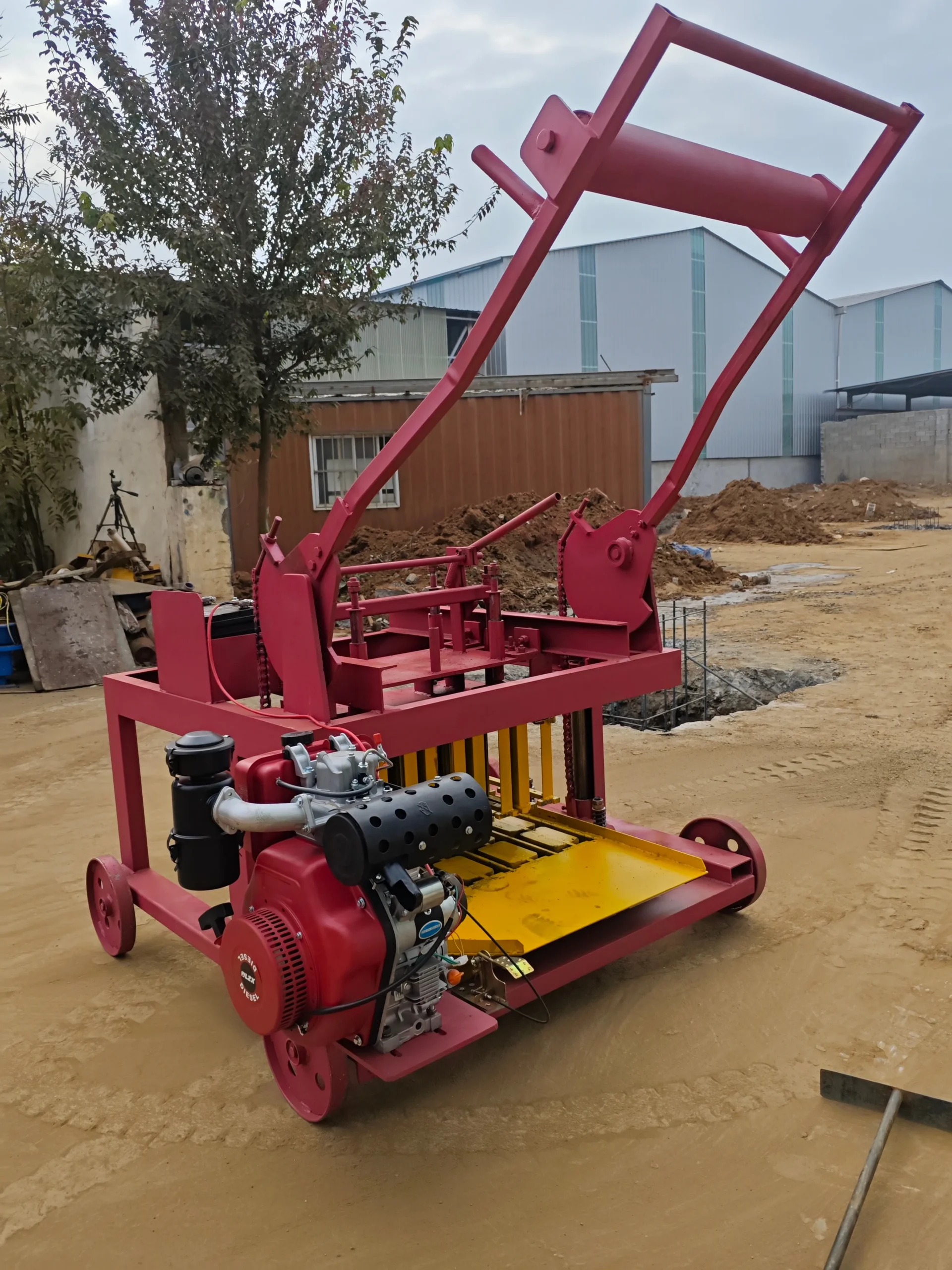
Stocked and ready — the QMR4-45 diesel mobile block making machine is assembled, tested, and scheduled for container loading within days of order confirmation, not weeks.
Technical Specifications
| Parameter | Value |
|---|---|
| Model | QMR4-45 |
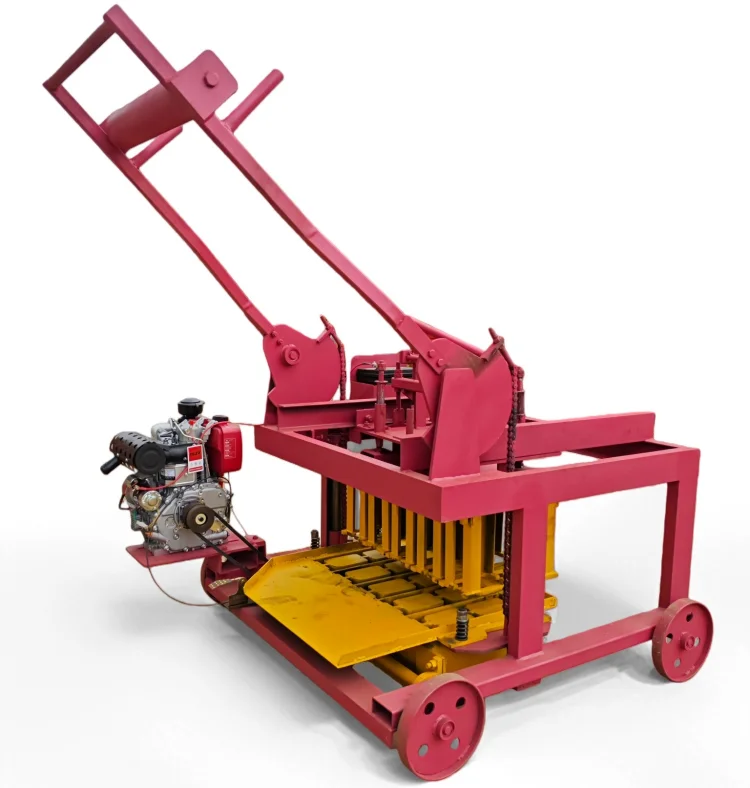
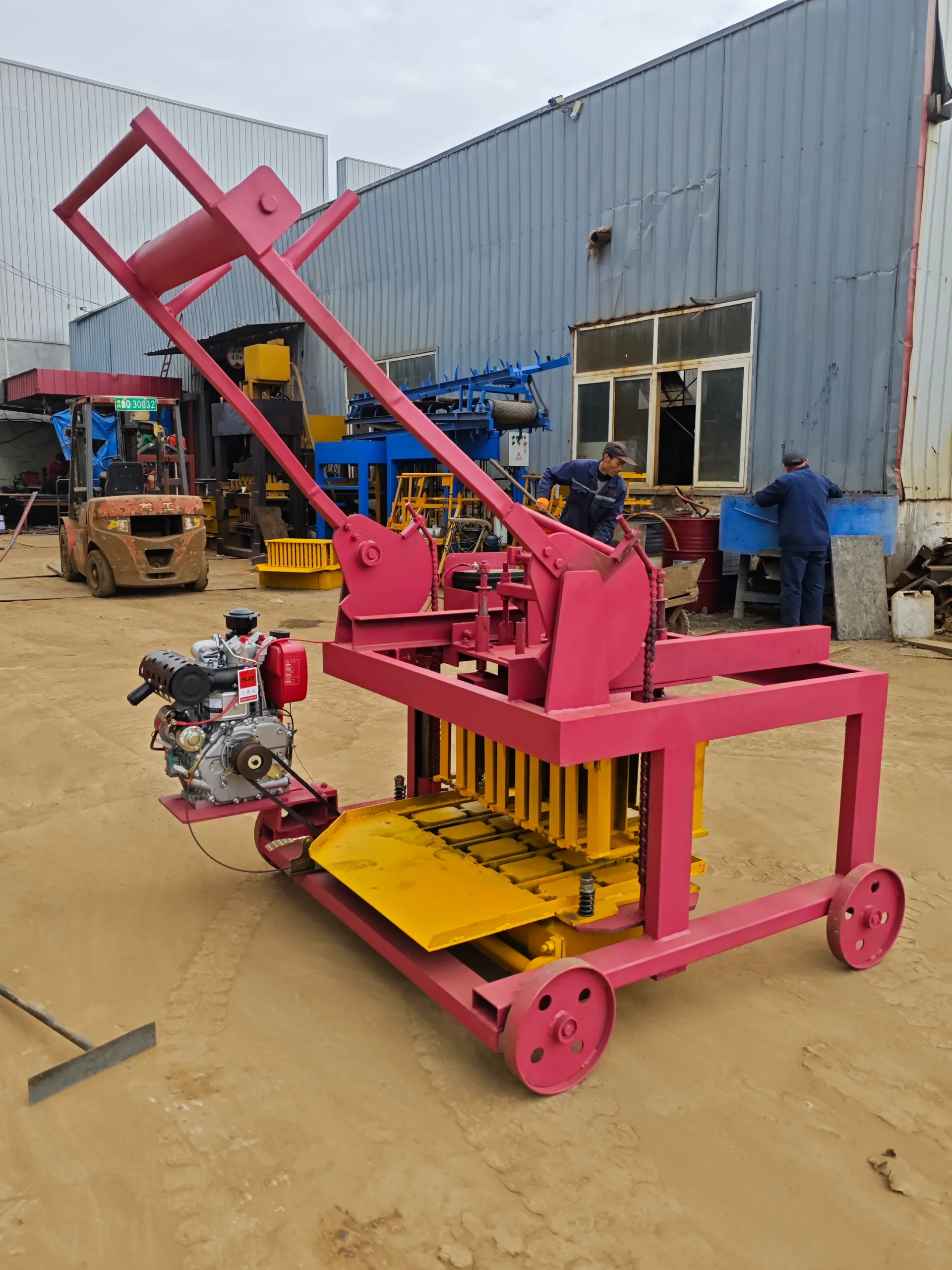
| Product Type | Mobile Block Making Machine |
| Power Source | Diesel (Electric option available) |
| Engine Power | 8 hp |
| Molding Cycle | 45 s (basis not stated in source — confirm block format and material) |
| Molding Form | Vibration and Pressure |
| Vibration Force | 60 KN |
| Total Weight | 800 kg |
| Overall Dimensions | 2420 × 1320 × 1650 mm |
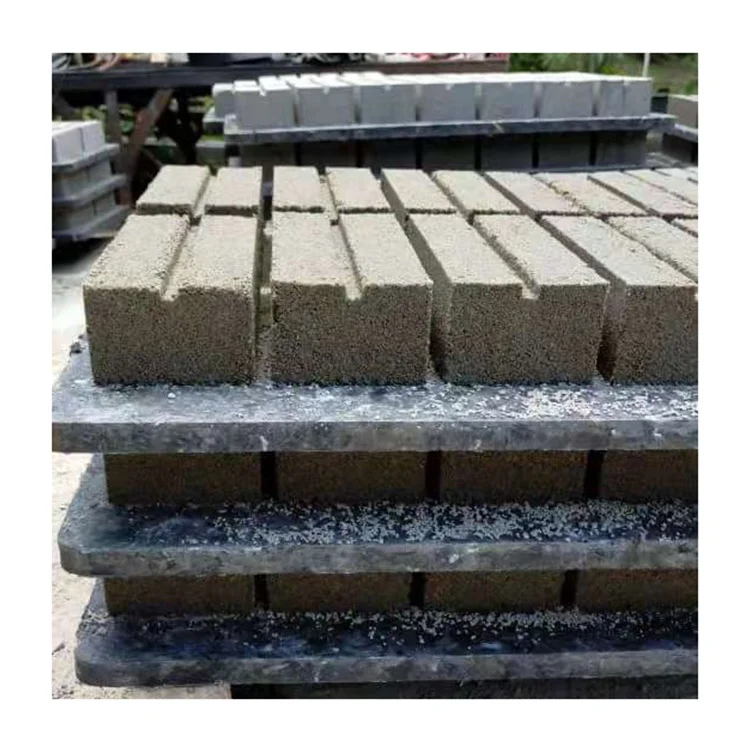
| Pallet Requirement | No pallet needed |
| Mobility | Egg-laying type, moveable on-site |
| Automation Level | Manual operation |
| Assembly State | Fully assembled, ready to operate on arrival |
Application Suitability
| Application | Material or Output |
|---|---|
| Remote housing projects without grid power | Hollow block and solid brick from local sand, gravel, and cement |
| On-site infrastructure block production | Paver brick and kerbstone laid directly on compacted ground |
| Small-scale fly ash brick operations | Fly ash blended with lime and gypsum |
| First-time block plant startups | Concrete block from crushed stone aggregate |
What "Ready for Dispatch" Actually Means When You Buy a Mobile Block Machine in Stock
A stocked unit with a confirmed container loading plan is the difference between breaking ground on schedule and watching your crew wait on a delayed shipment.
I remember a shipment of mobile units that left our Linyi yard heading to West Africa. The buyer ordered against catalogue output numbers, but the local sand had a high clay content. Blocks came out weak, and daily production dropped to roughly half of what was expected. Since that experience, every mobile block machine in stock still goes through a material compatibility check before it leaves [NEED_CITE: impact of aggregate clay content on block compressive strength]. Dispatch speed only matters if the machine you receive can actually produce sellable blocks with your local raw material.
Dispatch Timeline and Container Loading for the QMR4-45
Because this QMR4-45 mobile block machine in stock is fully assembled and tested at our Linyi facility, the typical path from payment receipt to gate-out is measured in days rather than production weeks. The unit fits into a standard container with the diesel mixer and trolley loaded alongside. We photograph the machine secured inside the container before the doors close, so you have a visual record for insurance and customs clearance.
Matching the Diesel Power Source to Your Site Reality
The 8 hp diesel engine eliminates the need for a grid connection, which is the defining advantage for remote construction sites and rural development projects. Where sites do have power, the electric generating unit option can be swapped in before shipment. Confirming your site voltage and frequency before we load is essential — a mismatch discovered after arrival delays commissioning by the time it takes to source a replacement generator locally [NEED_CITE: voltage and frequency standards by export market].
How Vibration Force and Pressure Work Together in Egg-Laying Molding
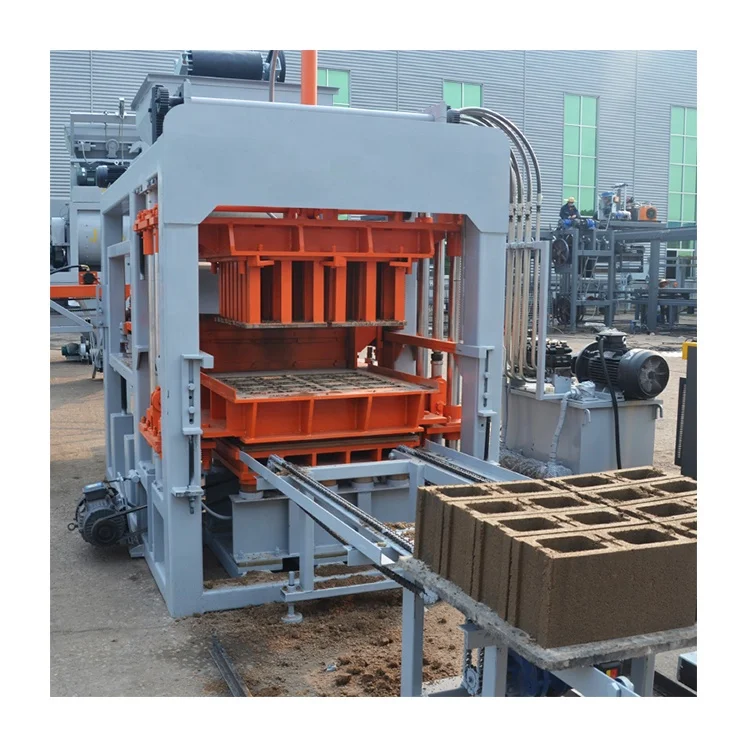
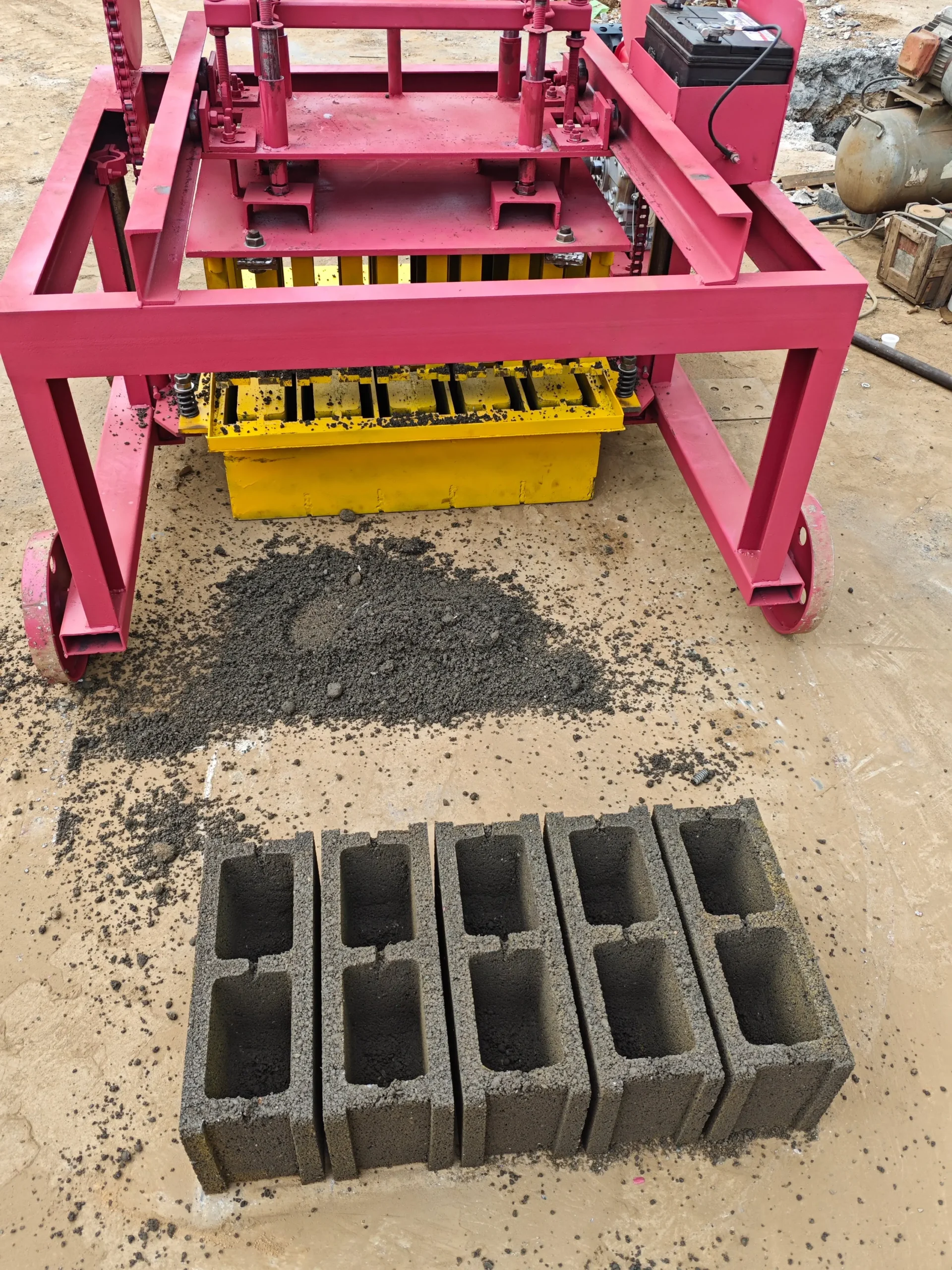
The 60 KN vibration force compacts the concrete mix within the mould while hydraulic pressure locks the density in place before the machine moves forward to lay the next block. In egg-laying operation, the block cures directly on the ground, so the vibration and pressure settings must suit your specific mix — a dry mix with coarse aggregate responds differently than a wetter fly ash blend. Getting this balance wrong shows up as inconsistent block weight from one row to the next. The 45-second molding cycle gives you a reference point, but realistic daily output depends entirely on your block format, crew speed, and curing logistics.
The Real Cost of Skipping the Material Compatibility Check
Ordering a mobile block machine in stock without confirming that your local aggregate and mix design match the machine’s vibration and pressure settings leads to a cascade of problems. Blocks crack during curing, compressive strength falls below local building code requirements, and your crew blames the machine when the issue is the mix. The time spent re-testing materials on-site after a rushed dispatch often exceeds the few extra days a pre-shipment compatibility review would have taken [NEED_CITE: common causes of block strength failure in field production].
Why Buyers Source This Machine Through Our Linyi Facility
Our single focus on block machinery means the QMR4-45 ships as one matched system — machine, mould, mixer, and trolley — not components pulled from separate suppliers. Configuration is checked against your actual mix design and target block format rather than a catalogue default. Moulds for the formats your market demands are included, with custom drawings available for non-standard sizes. The automation level is manual here, but buyers who start with this QMR4-45 and later expand have a clear upgrade path to semi-automatic lines without replacing their entire handling setup. Factory test records with packing photographs are standard documentation before every container leaves the yard.
Documentation & Verification
- Factory test record run on your target block format before dispatch
- Machine specification sheet confirming diesel engine rating and vibration force
- Mould drawing and format list for every mould included in the shipment
- Packing photographs showing container loading and securing method
- Voltage and control language confirmation document when electric option is selected
- Operation and maintenance manual with wear parts list
Installation, Commissioning & Support
- The 2420 × 1320 mm footprint requires a level, compacted ground surface for stable egg-laying operation
- Diesel engine arrives fueled and tested; first oil change interval noted in the manual
- Machine ships fully assembled — no on-site mechanical assembly required before first block
- Mould change procedure covered during commissioning with your operator present
- Wear parts list identifies vibration pads and mould liners with reorder codes
- Daily greasing points mapped on the 800 kg frame for the operator’s maintenance checklist
What We Need From You to Confirm the Right Configuration
To lock in the correct QMR4-45 setup, share your target block format and dimensions, the local aggregate type and source, and whether your site runs on diesel only or has access to grid power. If you have a project start date driving the timeline, tell us that upfront so we can align container booking with your deadline.
Frequently Asked Questions
Q: What is the dispatch lead time and is the QMR4-45 currently in stock?
A: This QMR4-45 mobile block machine in stock is assembled and held at our Linyi yard. Once your order and material compatibility review are confirmed, container loading is typically scheduled within a matter of days. We provide a written dispatch date before payment so your project timeline is protected.
Q: How is the machine loaded into a container and what dismantling is required?
A: The QMR4-45 ships fully assembled inside a standard container. The diesel mixer and trolley are loaded alongside and secured with steel bracing. No dismantling of the main frame is required, which means your crew can begin production shortly after the container is unpacked on-site.
Q: Can I switch between the diesel engine and the electric generating unit?
A: Yes. The QMR4-45 is available with the standard diesel engine or an electric generating unit. If your site has grid access, confirm your local voltage and frequency before shipment so the correct unit is installed and tested at our factory. Switching after arrival requires sourcing compatible electrical components locally.
Q: What block formats and moulds ship with the machine?
A: The QMR4-45 supports paver brick, hollow block, solid brick, concrete block, and fly ash brick formats. Standard moulds ship with the machine based on your market requirements. Custom moulds can be manufactured to your drawings and included in the same container if confirmed before loading.
Q: What is the realistic daily output per block format?
A: The 45-second molding cycle is a reference figure that varies depending on block thickness, mix design, and operator pace. We provide a capacity calculation sheet stating the assumed block format so you can plan daily output honestly. Share your target block dimensions and we will return a format-specific estimate before you commit.