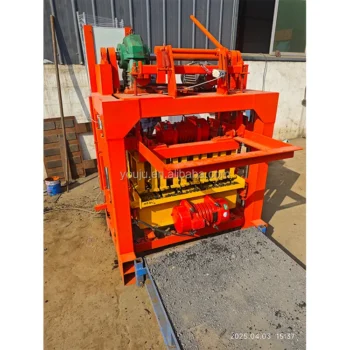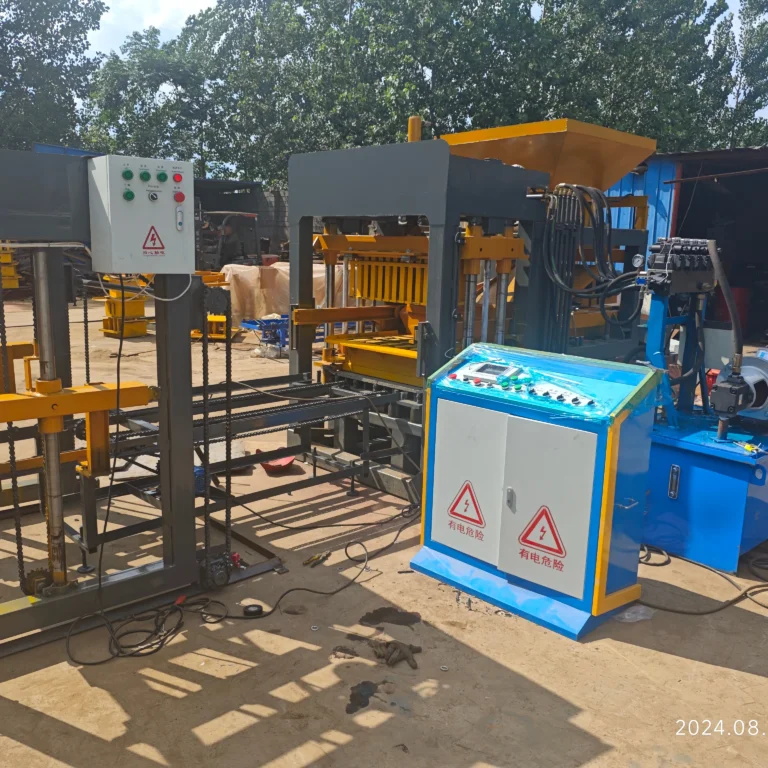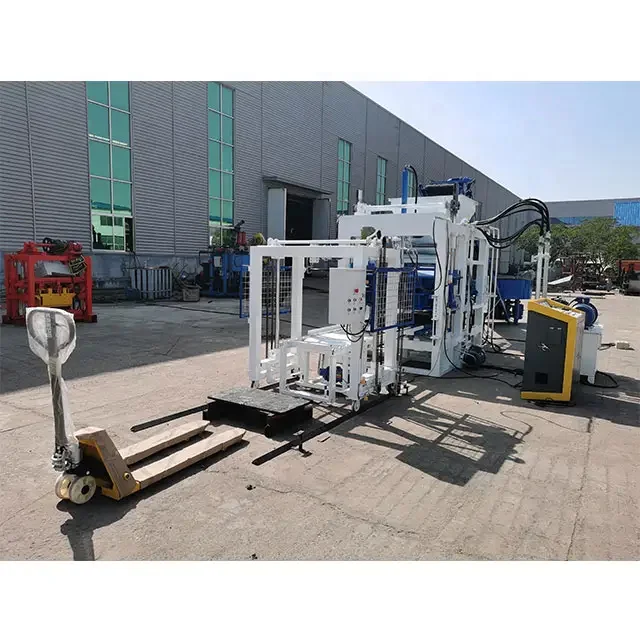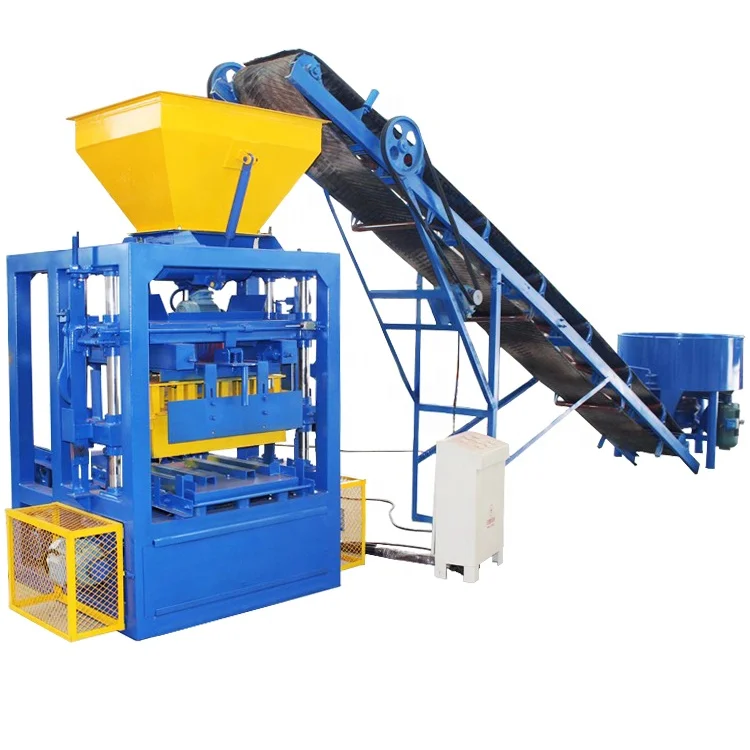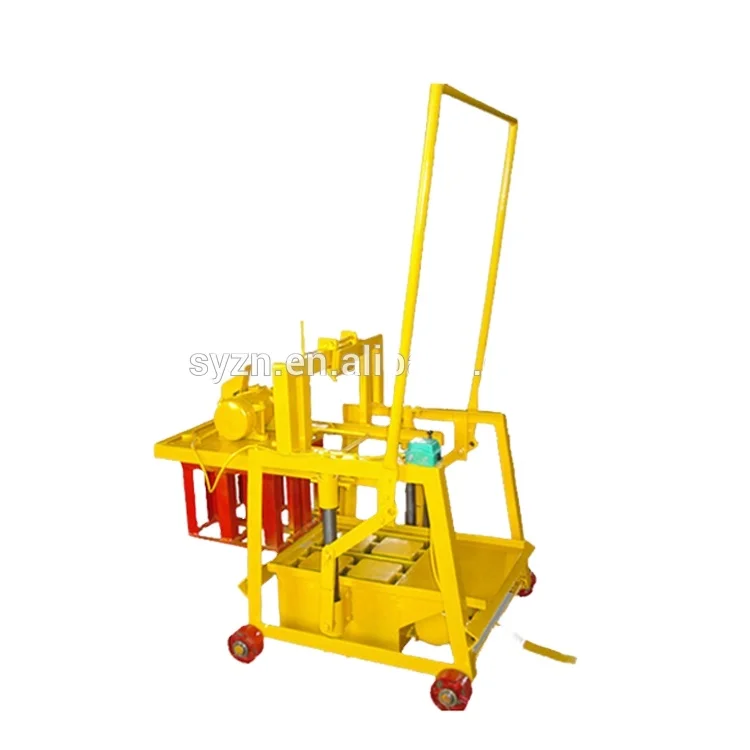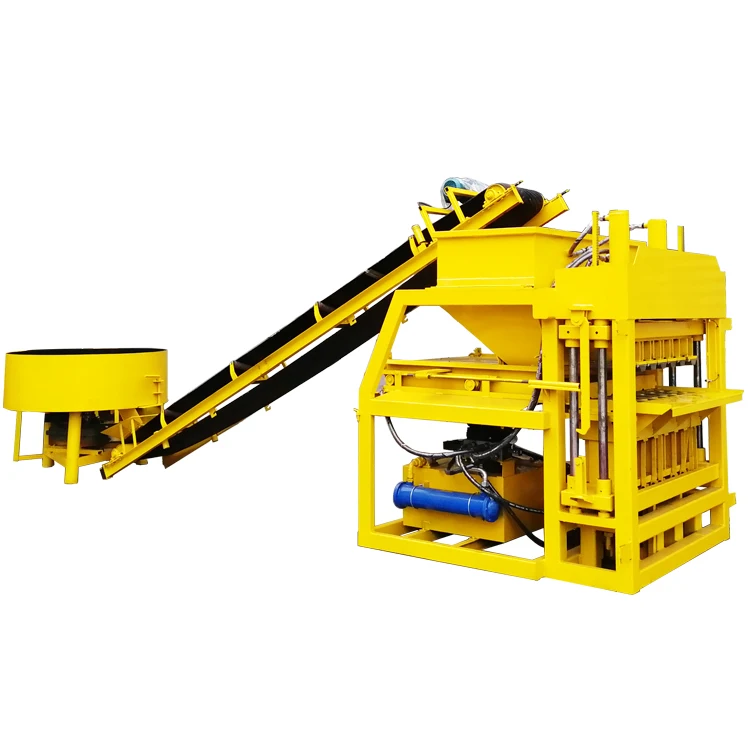
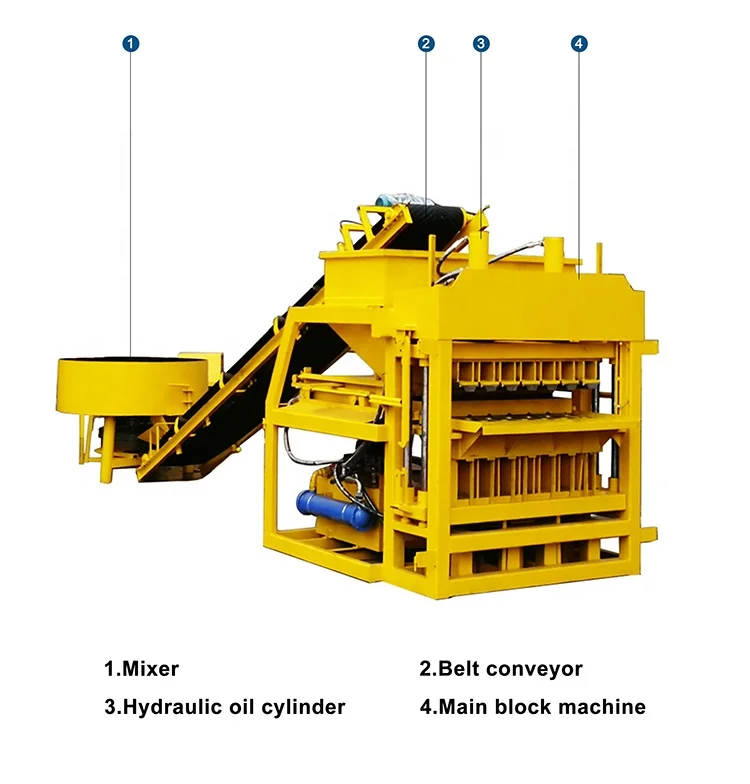
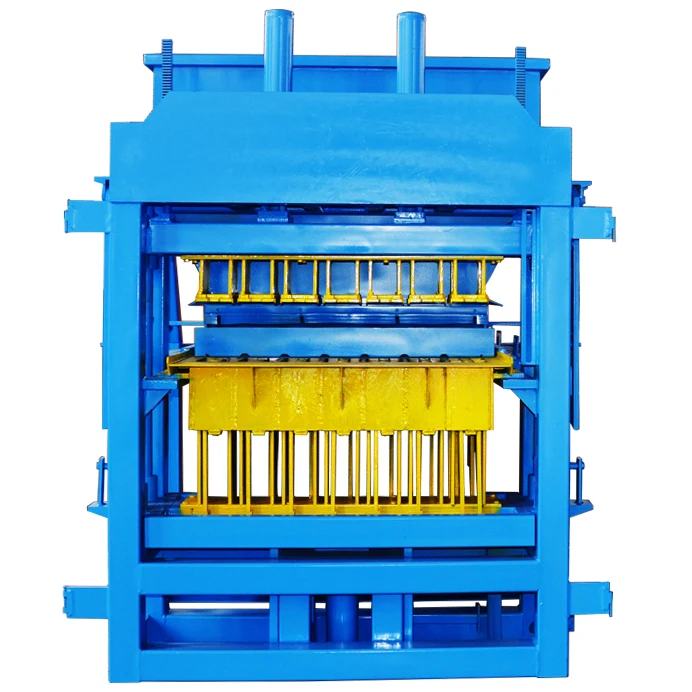
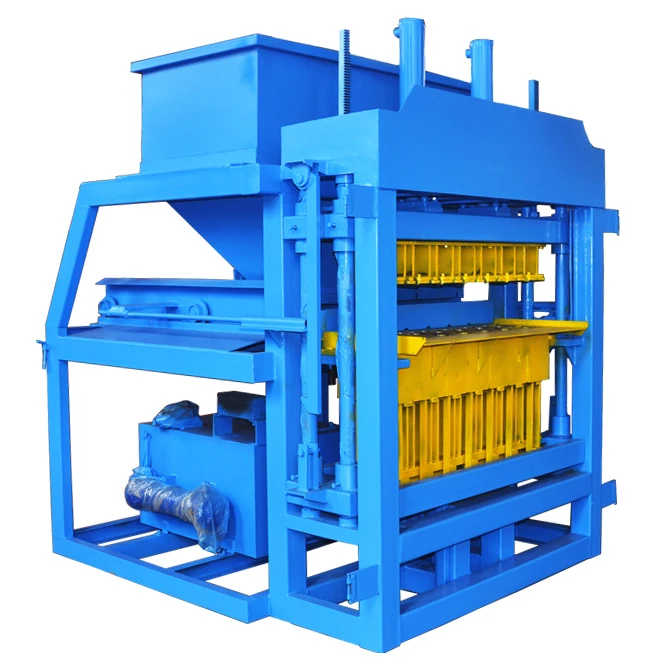
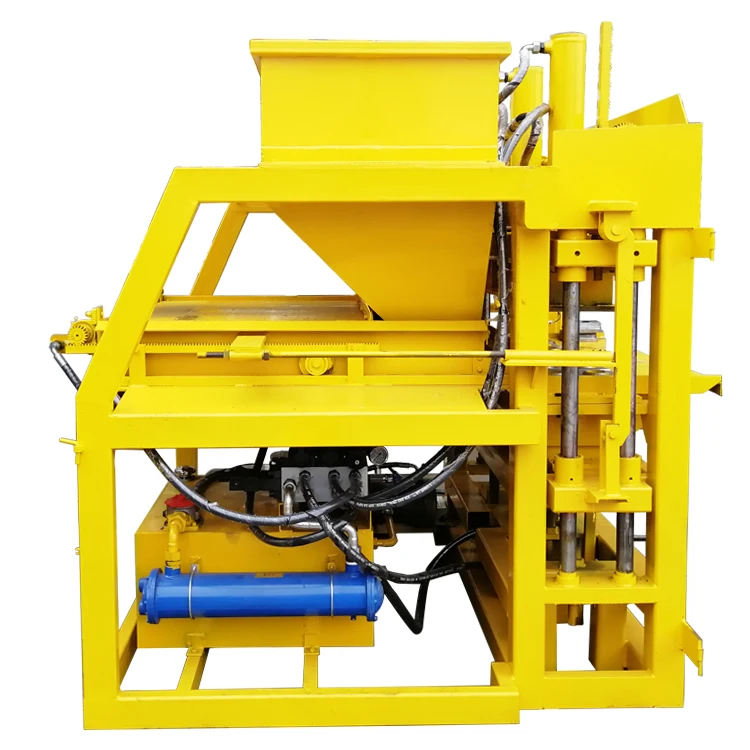

Description
Dispatch-ready inventory — every LY7-10 compressed earth block machine leaves our Linyi yard only after a container loading plan is signed off, so your project deadline is never left to chance.
Technical Specifications
| Parameter | Value |
|---|---|
| Model | LY7-10 |
| Product Type | Automatic Compressed Earth Interlocking Block Making Machine |
| Automation Level | Automatic |
| Block Format | Compressed earth interlocking block |
| Raw Material | Clay soil |
| Machine Type | Stationary |
| Hydraulic Pressure | not stated in source |
| Vibration Force | not stated in source |
| Pallet Size | not stated in source |
| Mould Format | Interlocking block (other formats available on request) |
| Cycle Time per Format | basis to be confirmed |
| Output Capacity | basis to be confirmed |
| Overall Dimensions | not stated in source |
| Net Weight | not stated in source |
| Rated Power | not stated in source |
| Voltage & Frequency | configurable to destination |
| Control System | not stated in source |
| Stacking Method | not stated in source |
| Assembly State | not stated in source |
| Language Options | not stated in source |
| Shipping Options | Nude loading or seaworthy wood carton; LCL or FCL sea freight |
Application Suitability
| Application | Material or Output |
|---|---|
| On-site housing project block production | Clay soil compressed into interlocking earth blocks |
| Plant-based compressed earth block manufacturing | Clay soil with local aggregate blends for interlocking formats |
| Rural and low-cost development construction | Interlocking compressed earth blocks from site-sourced clay soil |
| Contractor-run temporary block yards | Clay soil interlocking blocks produced near the building site |
What "In Stock" Really Means When Your Ship Date Is Already Tight
A machine marked "available" is only useful if the container loading plan matches your actual vessel booking.
I have watched pallets of interlocking block moulds sit on a Linyi warehouse floor for an extra week because the wooden crate dimensions exceeded the container door clearance. The LY7-10 compressed earth block machine in stock fast delivery promise only holds when someone has already measured the dismantled assemblies against the internal cube of a 40-foot high-cube container and confirmed the lashing points. [NEED_CITE: container internal dimensions and door clearance standards for heavy machinery shipments]
Buyers working to a project deadline rarely have the luxury of waiting for a production slot. That is why confirming dispatch lead time and estimated arrival in writing — before the proforma invoice is signed — matters more than any catalogue specification.
Stock Positioning and Dispatch Timing
The LY7-10 compressed earth block machine in stock fast delivery window depends on whether standard interlocking moulds are already matched to the press on the yard floor. When the mould set and hydraulic station are pre-assembled and factory-tested, the machine can be dismantled into container-ready sections within days rather than weeks. I check the packing scheme against the shipping line’s cut-off date before confirming any lead time to a buyer.
Container Loading Plans That Survive the Crane
Every stationary block machine in this class arrives at the port as a set of bolted assemblies — main frame, hydraulic power unit, mould carriage, and control cabinet. The loading plan must account for weight distribution across the container floor, not just whether the pieces fit through the door. [NEED_CITE: cargo securing and weight distribution guidelines for open-top and standard dry containers] A proper plan shows the lashing sequence, the dunnage material under the press frame, and the position of the control cabinet so it is not buried behind the hydraulic tank when the container doors open at destination.
Reading the Specification Sheet Against Your Site Reality
The LY7-10 runs on clay soil and produces compressed earth interlocking blocks in a stationary plant setup. What the sheet does not always spell out is how the hydraulic pressure rating and vibration force combine to determine the density of the final block. Higher clay content in the local soil may require a different compaction approach than a sandy laterite mix. The pallet size chosen must also match the curing racks and forklifts already on the buyer’s site — ordering a machine with pallets that do not fit the existing curing area turns an automatic line into a manual handling bottleneck. Voltage and frequency must be confirmed against the destination grid before the control cabinet is wired; re-wiring a PLC panel on arrival adds days to commissioning and risks voiding the factory test record.
The Cost of Skipping the Packing Photograph
I once had a 40-foot container returned to the Linyi depot because the main frame of a block press was loaded without adequate dunnage, and the shipping line’s surveyor flagged the lashing as insufficient for a heavy machinery cargo class. The buyer lost a sailing and had to wait for the next vessel. [NEED_CITE: shipping line surveyor requirements for heavy and oversized cargo securing] Requesting packing photographs and a written container loading plan before dispatch removes this risk. The photographs should show the frame on dunnage, the hydraulic unit bolted or strapped, and the mould sections crated separately with the fastener kits labelled.
Why Buyers Source This Machine Here
Block machinery is a single focus at this facility, which means the LY7-10 is specified as one matched system — press, mould, pallet, and handling — rather than assembled from separate suppliers who may not coordinate pallet dimensions with curing rack spacing. Configuration is set against the buyer’s actual clay soil mix and target interlocking block format, not a default catalogue setting. Standard and custom mould designs are produced in-house, so the format the buyer’s market actually sells is the format the machine is tested with before packing. Automation level is selectable, allowing a buyer to start with the standard automatic cycle and add stacking or cubing stations later as the plant scales. Installation and commissioning support includes operator training on the specific mould set shipped with the machine.
Documentation & Verification
- Factory test record run on interlocking block mould before the LY7-10 leaves the yard
- Container loading plan with weight distribution and lashing diagram per shipment
- Voltage and control language confirmation sheet signed before cabinet wiring
- Hydraulic and electrical schematic matching the as-built configuration
- Packing photographs documenting frame, mould, and power unit securing
Installation, Commissioning & Support
- Foundation pad leveled to the LY7-10 stationary frame footprint with anchor bolt template provided
- Dedicated power circuit matching confirmed voltage and frequency before the control cabinet is energized
- Hydraulic power unit reconnected and pressure verified against factory test settings on arrival
- Mould carriage realigned and first interlocking block cycle run under technician supervision
- Operator walk-through covering mould change procedure and daily hydraulic fluid level checks
- Wear parts list supplied with the mould set so first replacements are ordered before stock runs out
Before You Send the Inquiry
Share the specific interlocking block dimensions your market requires, the clay soil source and any local aggregate you plan to blend, and the destination port so arrival estimates can be calculated against current sailing schedules. Confirming the site voltage, frequency, and preferred control language at the inquiry stage prevents re-wiring delays after the container arrives.
Frequently Asked Questions
Q: What is the dispatch lead time and how is arrival estimated?
A: Standard LY7-10 units with common interlocking moulds can be dispatched within a short window from our Linyi yard. Arrival is estimated by combining inland transport days, port handling time, and the shipping line’s published transit schedule to your destination port. The estimate is provided in writing at the quotation stage so you can align it with your project timeline.
Q: Which block formats are currently in stock with standard moulds?
A: The standard mould in stock is the compressed earth interlocking block format. If your project requires a different interlocking profile or block dimension, the mould can be produced to your drawings. Confirm the exact format and dimensions at the inquiry stage so the mould is matched to the press before the container is booked.
Q: How is the machine packed and loaded for sea shipment?
A: The LY7-10 is dismantled into container-ready sections and shipped via nude loading or seaworthy wood carton depending on component sensitivity. Both LCL and FCL sea freight options are available. A container loading plan with weight distribution and lashing details is provided before dispatch so the shipping line surveyor can approve the cargo securing arrangement.
Q: What voltage and frequency configurations are available from stock?
A: The control cabinet is wired to the destination voltage and frequency confirmed at the order stage. Standard industrial voltages across common export markets are supported. Confirming these details before the cabinet is sealed prevents re-wiring work on arrival, which can delay commissioning and affect the factory test record validity.
Q: Can the machine be dismantled for container loading and reassembled on site?
A: Yes. The LY7-10 stationary frame, hydraulic power unit, mould carriage, and control cabinet are separated for container loading and reassembled at the buyer’s plant. Bolted connections and labelled wiring harnesses are used so reassembly follows the hydraulic and electrical schematics supplied with the documentation package.