
Description
Immediate Dispatch Readiness — stocked QMR4-45 units are matched to destination voltage and fuel standards before loading, so your site crew can produce blocks the week the container arrives instead of waiting weeks for electrical rework.
Technical Specifications
| Parameter | Value |
|---|---|
| Model | QMR4-45 |
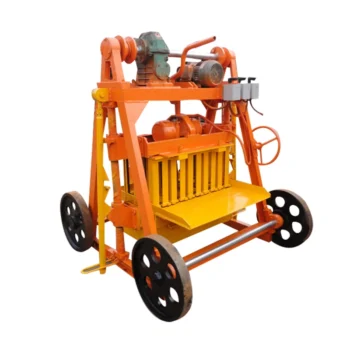
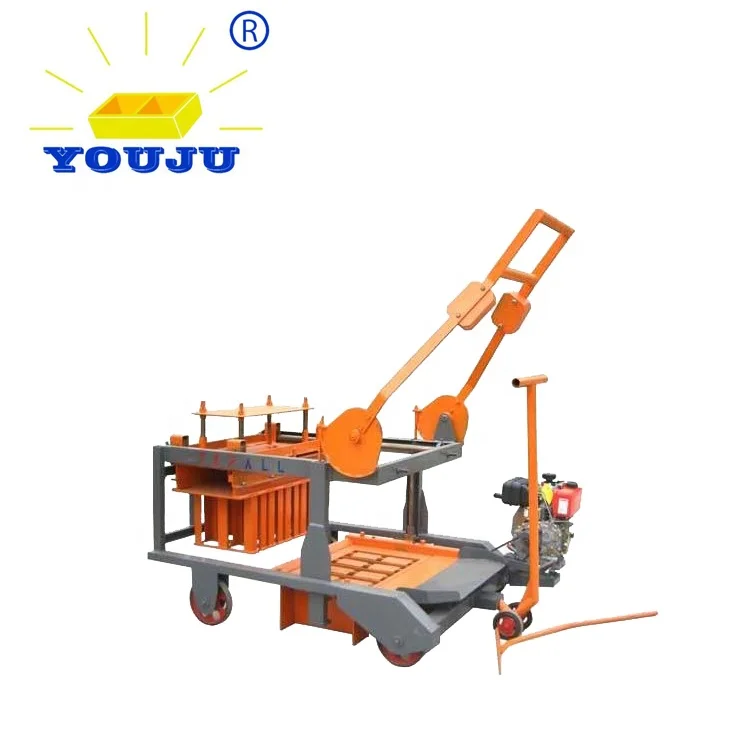
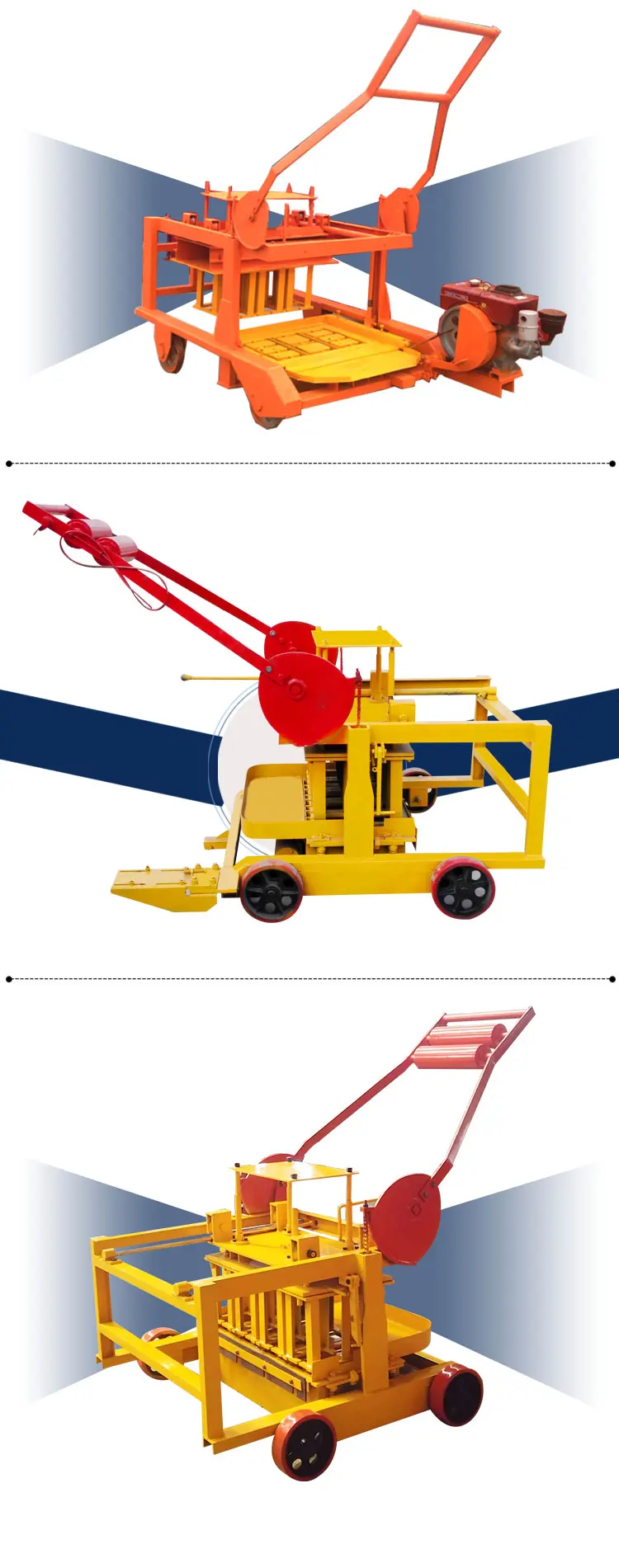
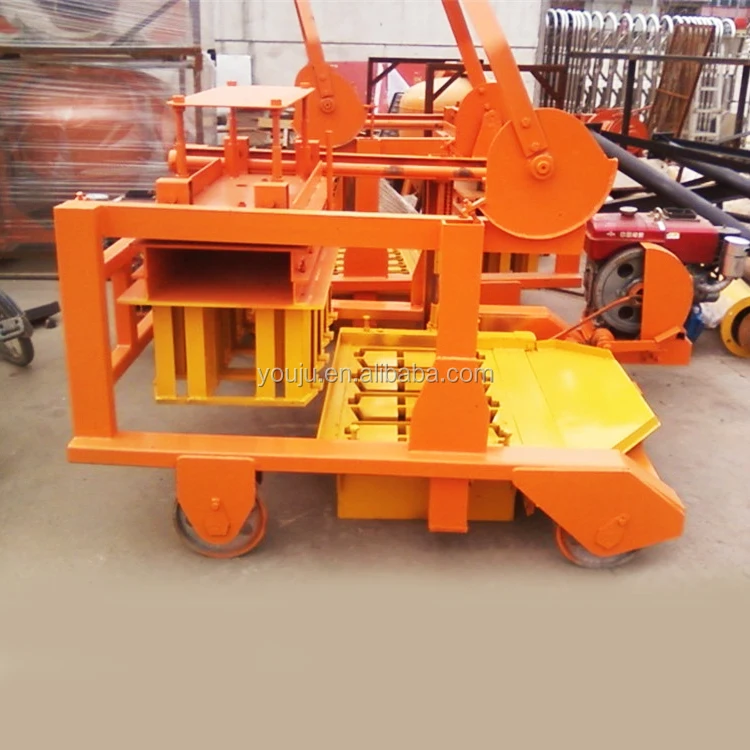
| Product Type | Mobile Egg Laying Block Making Machine |
| Overall Dimensions (L×W×H) | 2420×1320×1650 mm |
| Net Weight | 810 kg |
| Rated Power | 6 kW |
| Diesel Engine Option | 6 kW / 6–8 HP |
| Voltage | 220V / 380V / configurable to local supply |
| Pallet Requirement | No pallet needed |
| Moulding Cycle | 40–45 s |
| Output – Hollow 400×200×200 mm | 3000 pcs/day (8 h, 4 pcs/mould) |
| Output – Hollow 400×150×200 mm | 3500 pcs/day (8 h, 5 pcs/mould) |
| Output – Hollow 400×120×200 mm | 4500 pcs/day (8 h, 6 pcs/mould) |
| Control System | Manual / Hydraulic with diesel engine |
| Automation Level | Semi-automatic, mobile egg-laying |
| Assembly State | Fully assembled mobile unit |
| Certification | CE |
| Warranty | One year for the complete machine |
Application Suitability
| Application | Material or Output |
|---|---|
| On-site hollow block production | Crushed stone, sand, cement, water |
| Remote construction sites without grid power | Diesel-powered operation, no fixed plant |
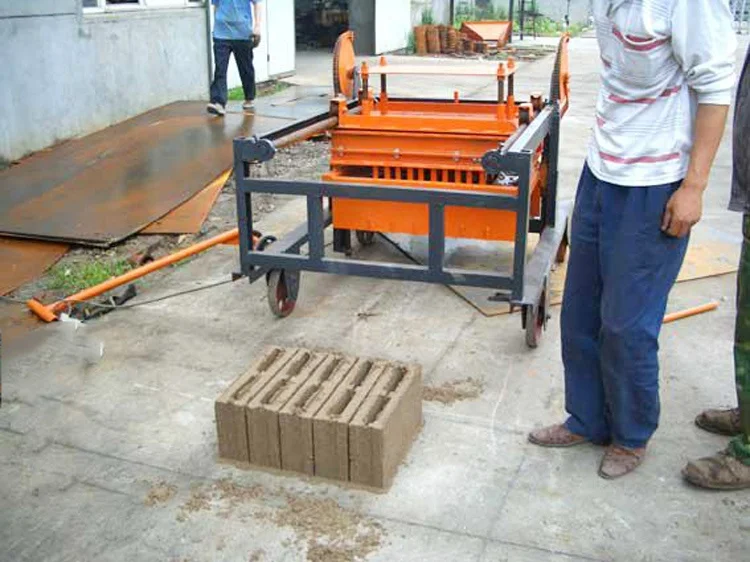
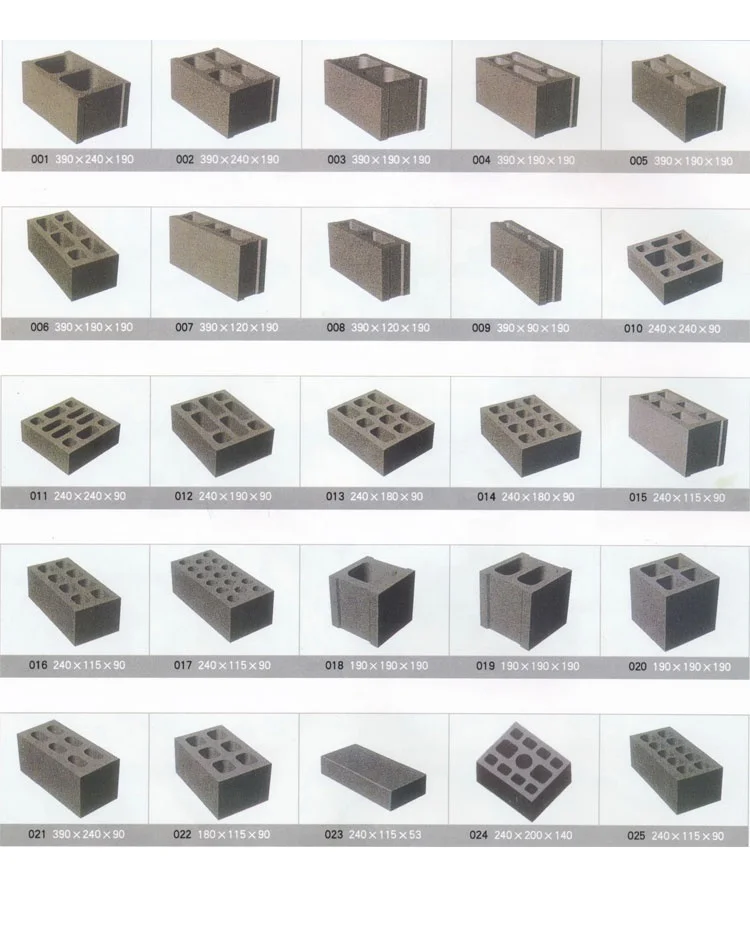
| Housing project local block supply | 400×200×200 / 400×150×200 / 400×120×200 mm hollow blocks |
| Small-scale block manufacturing | Standard bricks, multicellular bricks, paving bricks |
| Contractor self-production | Eliminates transport of purchased blocks to site |
Why the Voltage Question Must Come Before the Container Booking
A mobile block machine in stock ships fast, but a voltage mismatch at destination can stall your project for weeks while a local electrician rebuilds the control panel.
I have handled QMR4-45 dispatches where the buyer confirmed 380V on the purchase order, only to discover at the job site that the only available generator output was 220V single-phase. The machine sat idle while a step-up transformer was sourced locally — a delay that erased any lead-time advantage the buyer gained by ordering a stocked unit. This pattern repeats more often than buyers expect [NEED_CITE: common voltage mismatch incidents in exported construction machinery]. Confirming voltage, frequency, and plug type before the machine leaves the factory is the single most effective way to protect your project schedule.
Stocked Units That Ship on Your Timeline, Not the Factory’s
When a construction deadline is measured in weeks, waiting for a custom production slot is not an option. The QMR4-45 mobile block machine in stock is held as a fully assembled unit, meaning the hydraulic circuit, diesel engine, and mould frame are already mated and tested. Buyers working against a pour schedule or a housing handover date can lock in a dispatch window measured in days rather than the typical multi-week production cycle. Container loading plans are prepared with the machine’s 2420×1320×1650 mm envelope so that dismantling, if required for a specific container type, is decided before the booking — not at the depot gate.
Diesel Power Where the Grid Cannot Reach
Many project sites in developing regions lack a stable three-phase supply, and renting a generator large enough for a stationary block plant adds cost and logistics overhead. The QMR4-45 addresses this with a 6–8 HP diesel engine option that drives the hydraulic system and vibration motor independently of the local grid. This makes the machine genuinely deployable to greenfield sites, road-building camps, and rural housing projects. The engine is started, run-in, and tested at the factory before dispatch, so the first block can be laid within hours of unloading [NEED_CITE: diesel engine pre-dispatch testing protocols for export machinery].
Reading the Specs That Actually Matter on Site
The 40–45 second moulding cycle governs your crew’s rhythm: with four cavities producing 400×200×200 mm hollow blocks, one cycle yields four blocks, and over an eight-hour shift that cycle rate supports the 3000 pcs/day figure. Switch the mould to a 400×120×200 mm cavity insert and the same cycle produces six blocks per press, lifting daily output to 4500 pcs/day — a meaningful difference when you are billing per block delivered. The 810 kg net weight is low enough for a site forklift or a small crane to position the machine, yet heavy enough that the vibration force transfers into the mix rather than shaking the frame. No-pallet operation means blocks are laid directly onto the ground or a prepared bed, removing the cost and storage burden of hundreds of production pallets.
What Happens When Dispatch Speed Is Chosen Over Configuration Checks
The most expensive mistake with a stocked machine is assuming that "in stock" means "ready for my site." A buyer who skips voltage confirmation may receive a 380V three-phase motor in a market where only 220V single-phase is available, requiring a full motor swap or a transformer that was never budgeted. Similarly, a machine configured with an electric motor reaches a site without grid connection and must wait for a diesel engine retrofit. These are not warranty issues — they are ordering gaps — and they cost weeks [NEED_CITE: cost of on-site electrical retrofit for imported machinery]. Every dispatch from stock should be preceded by a written confirmation of destination voltage, frequency, power source preference, and the block format the buyer’s market actually purchases.
Why Buyers Source This Machine Through Our Stock Channel
Block machinery is our single focus, so a QMR4-45 leaving the warehouse is not an isolated press — it ships with the mould inserts, hydraulic seals, and vibration springs that match the formats listed in the specification. We confirm pallet requirements (none, in this case), power source, and control language before the crate is closed, eliminating the most common arrival-surprise complaints. Moulds are designed in-house to the buyer’s block drawings, so format changes on site take minutes rather than a shift. Stocked machines are tested under load, not just dry-cycled, giving a factory test record that reflects actual production conditions. One-year warranty coverage applies to the complete machine, not just the frame.
Documentation & Verification
- Factory test record run on your specified hollow block format before dispatch
- Mould drawing and format list matching your local market dimensions
- Voltage and frequency confirmation sheet signed against destination grid standard
- Hydraulic and electrical schematic in English for on-site troubleshooting
- Operation and maintenance manual covering diesel engine and hydraulic servicing
- Packing photographs showing crate condition before container loading
Installation, Commissioning & Support
- Machine arrives fully assembled; only mould insert and fuel line connection required on site
- 6 kW rated power requires a dedicated circuit or correctly sized diesel generator
- 810 kg weight allows positioning by standard site forklift without heavy crane hire
- Diesel engine started and run-in at factory; first production cycle within hours of unloading
- Mould change between hollow block formats completed with hand tools, no specialist equipment
- Wear parts list provided with hydraulic seal kit and vibration spring spares for first year
What We Need to Prepare Your Dispatch
To move a mobile block machine in stock from warehouse to your site without delay, share your destination voltage and frequency, your preferred power source (electric or diesel), and the primary block format your market sells. If your site has limited clearance or a specific unloading method, note those constraints so the loading plan matches your equipment on arrival.
Frequently Asked Questions
Q: How quickly can the QMR4-45 ship after order confirmation?
A: Stocked units are typically ready for container loading within days of payment clearance, not weeks. The exact dispatch date depends on confirming voltage, frequency, and power source before the machine is released from the warehouse, ensuring no arrival-side rework delays your project.
Q: What container type is used and is the machine dismantled for loading?
A: The QMR4-45 at 2420×1320×1650 mm and 810 kg normally fits a standard 20-foot container. Depending on the loading plan, the mould frame or engine may be partially detached to optimise space, and all reassembly steps are documented for your site crew.
Q: Can the diesel engine be tested before the machine leaves the factory?
A: Yes. Every diesel-equipped QMR4-45 is started, run-in, and operated through a production cycle before dispatch. The factory test record is included in the shipping documentation so you can verify performance against the stated output figures for your chosen block format.
Q: Is the machine delivered assembled or does it require on-site construction?
A: The QMR4-45 ships as a fully assembled mobile unit. On-site work is limited to connecting the fuel supply, installing the selected mould insert, and levelling the machine on a prepared surface — no foundation pouring or structural assembly is needed.
Q: What is the typical arrival timeline from China to my region?
A: Sea freight transit times vary by destination port, but we provide an estimated arrival date at the quotation stage based on current shipping schedules. Confirming your port of discharge early allows us to book the earliest available vessel after dispatch.