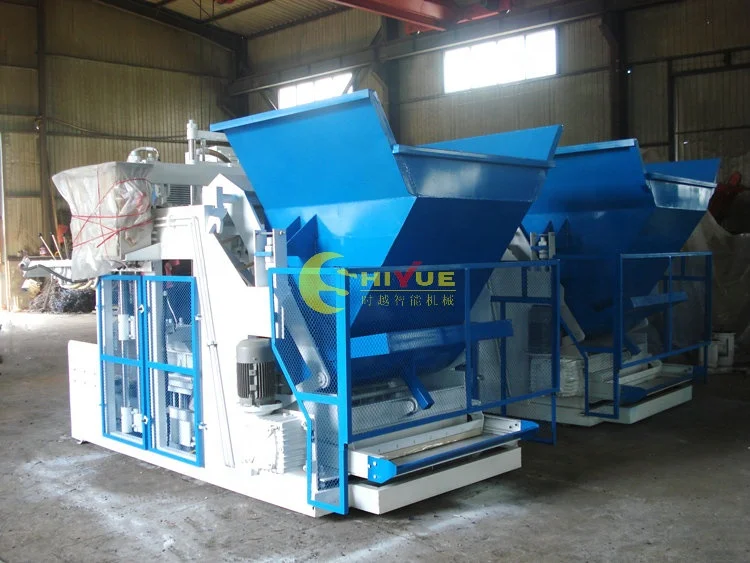
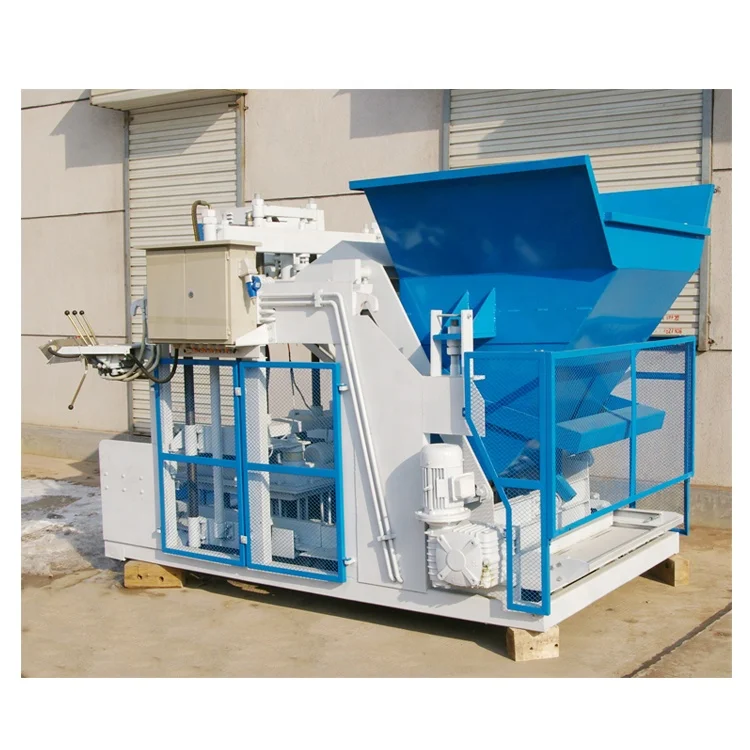
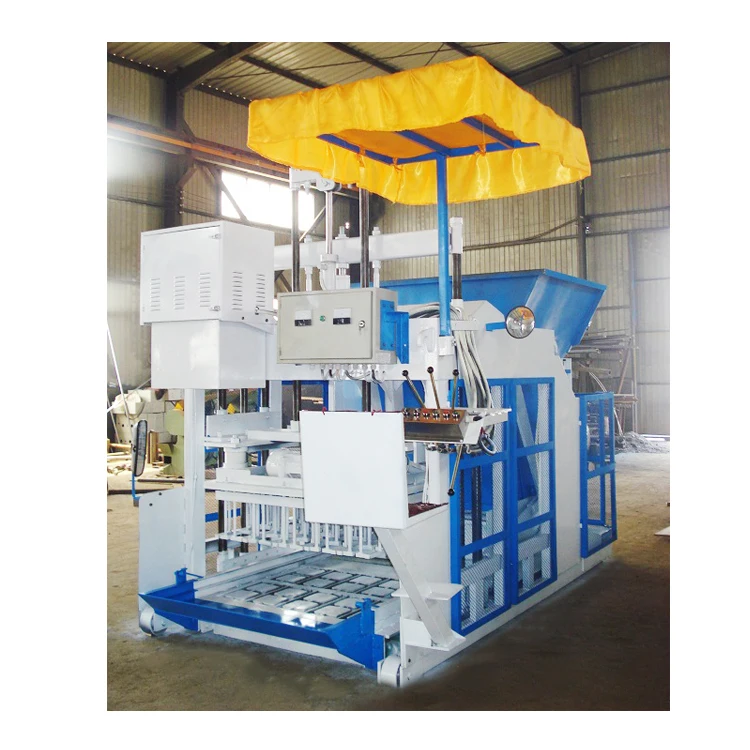

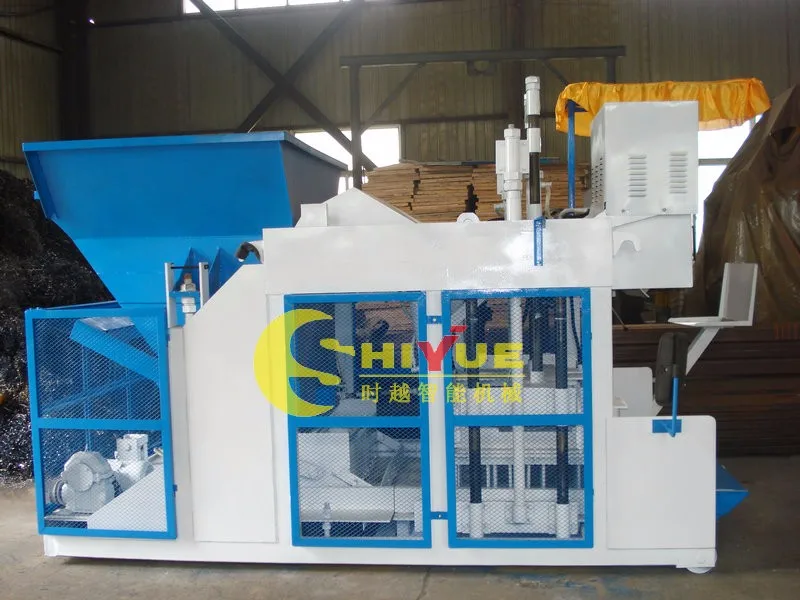
Description
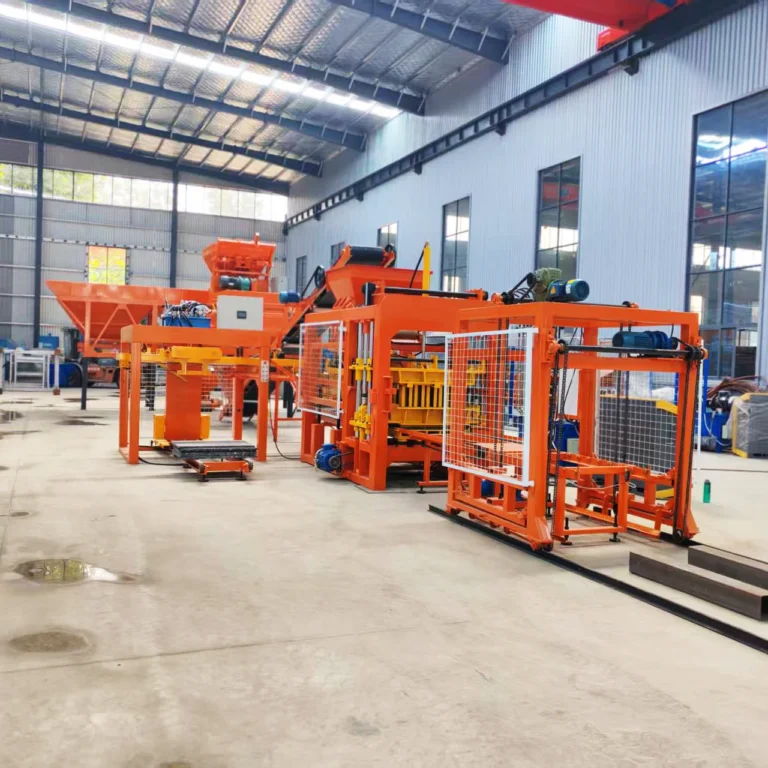
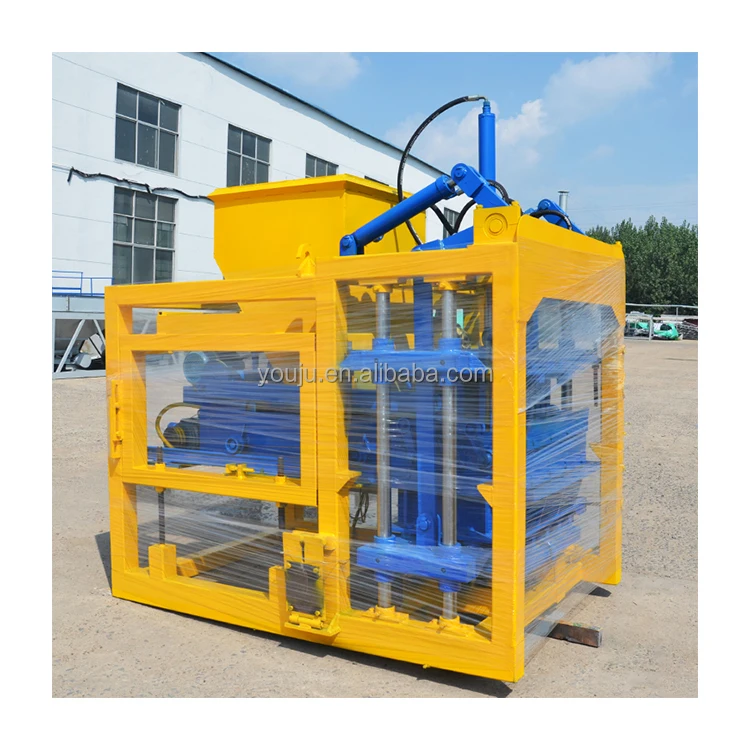
Dispatch-Ready Inventory — QMY10-15 mobile block machines held in stock, tested against buyer-specified voltage and frequency before container loading.
Technical Specifications
| Parameter | Value |
|---|---|
| Model | QMY10-15 |
| Product Type | Mobile Concrete Block Making Machine |
| Molding Capacity | 10 pcs/mold |
| Molding Cycle | 10s–15s |
| Total Power | 16 kW |
| Output Capacity | 11000 pcs/day (8 hours) (basis to be confirmed) |
| Vibration System | Dual vibration motors |
| Hydraulic System | Controls upper and lower demoulding |
| Travel System | Electric walking, hydraulic steering |
| Heat Dissipation | Hydraulic oil heat dissipator equipped |
| Pallet Requirement | No pallets needed (egg-laying type) |
| Basic Equipment Included | QMY10-15 Host Machine, JS7500 Concrete Mixer, Dump Truck |
| Optional Equipment | PL1200 Batching Machine, Cement Silo, Screw Conveyor, Loader |
| Mould Change | Interchangeable moulds for multiple block formats |
| Automation Level | Semi-automatic with hydraulic pressure and vibration |
Application Suitability
| Application | Material or Output |
|---|---|
| On-site hollow block production at build locations | Crushed stone, sand, cement, water |
| Solid block manufacturing for housing projects | Local aggregate blended with Portland cement |
| Contractor-run production without fixed plant | Variable mix designs sourced near project site |
| First-time block plant for entrepreneurs | Standard concrete mixes with minimal ground prep |
| Paving block and interlocking brick formats | Interchangeable moulds, cement-based mixes |
Why "11,000 Blocks per Day" Means Nothing Without Context
Every output figure on a Mobile Block Machine in stock must state which block format and mix it assumes.
I have watched Mobile Hollow Block Making Machines arrive at port and immediately disappoint because the quoted daily output was based on a small solid block, while the buyer intended to run 200mm hollow blocks that take longer per cycle and yield fewer units. The molding cycle on the QMY10-15 ranges from 10 to 15 seconds depending on block thickness and vibration settling time. A 150mm solid block completes faster than a 200mm hollow block, yet both fall under the same "blocks per day" headline. Buyers who skip this clarification during the order stage face a machine that runs perfectly but produces far fewer saleable units than the project budget assumed [NEED_CITE: block format impact on daily output calculations].
Stock Availability and Dispatch Timing
Project contractors rarely have the luxury of a multi-week production lead time. The QMY10-15 is held as a Mobile Block Machine in stock so that once voltage, frequency, and mould format are confirmed, the machine moves to pre-shipment testing and container loading without waiting for a build slot. The unit ships with its JS7500 concrete mixer and dump truck as a single consignment, reducing the number of separate freight bookings the buyer must coordinate.
Container Loading and Dismantling for Shipment
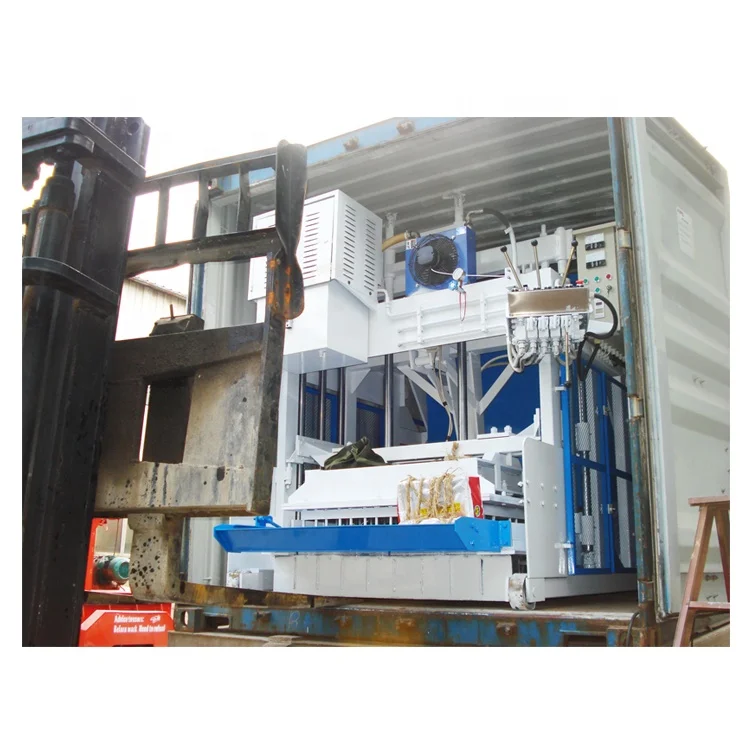
The egg-laying design eliminates pallets and curing racks, which directly reduces the container footprint. The host machine, mixer, and truck are separated and secured for transit. Before dispatch, every hydraulic pressure cycle is run with a test load, and the hydraulic oil heat dissipator is verified under sustained operation. This matters because a machine that performed well in a Shandong winter can behave differently when it arrives in a tropical port and the hydraulic fluid thins out [NEED_CITE: hydraulic oil temperature effects on block machine performance].
What the Specs Actually Mean on Site
The dual vibration motors deliver compaction force from both sides of the mould, producing denser blocks with more uniform wall thickness than single-motor setups. The hydraulic system handles both upper and lower demoulding, which reduces the mechanical shock on the mould frame and extends its working life. Electric walking with hydraulic steering means the operator moves the machine along the production floor without a separate towing vehicle, keeping the production rhythm continuous. The 16 kW total power rating covers the vibration motors, hydraulic pump, and travel drive simultaneously — confirming this figure against the site transformer capacity prevents tripped breakers during peak draw.
The Hidden Cost of Ignoring Voltage Before Ordering
A Mobile Concrete Block Making Machine wired for 380V/50Hz that lands on a 440V/60Hz site will not simply run faster — the vibration motors over-speed, the hydraulic pump pressures shift, and the control contactors arc. I have seen machines sit idle for weeks while a local electrician sources a step-down transformer or rewinds the motors. Confirming voltage and frequency before the machine leaves the factory avoids this entirely [NEED_CITE: voltage and frequency standards by export market].
Why Source This Machine Here
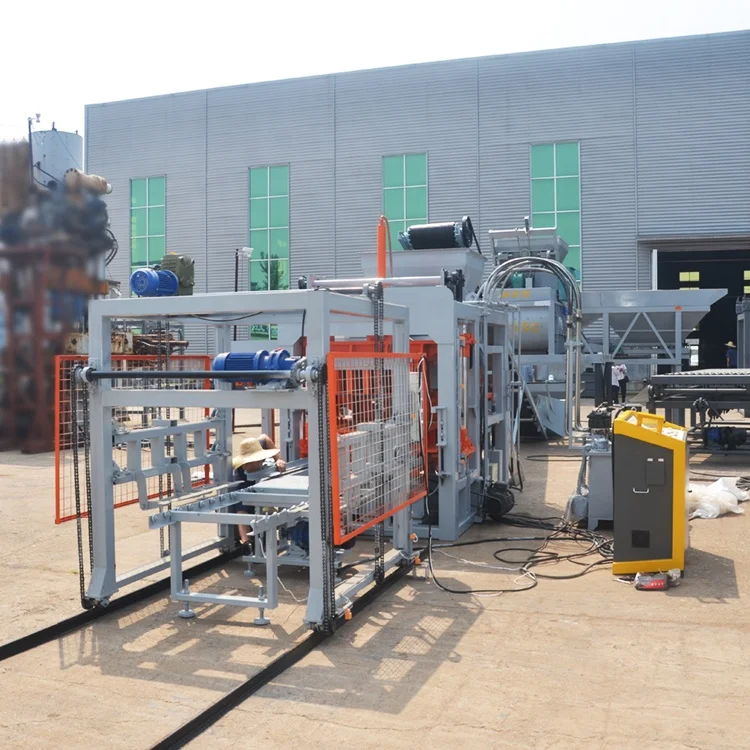
The QMY10-15 is specified as a matched system: host machine, mixer, and dump truck arrive together, so the buyer does not piece together components from separate suppliers and discover mismatched capacities. Pre-shipment validation includes running the hydraulic pressure cycles with a concrete mix that approximates the buyer’s local aggregate, not a clean laboratory sample. Mould options are confirmed against the block formats the buyer’s market actually purchases, avoiding the situation where a machine arrives with moulds for a format that has no local demand. Voltage, control language, and dispatch lead time are locked in writing before production or stock release.
Documentation & Verification
- Factory test record showing hydraulic pressure cycles run with concrete load before dispatch
- Mould drawing and block format list matched to buyer’s confirmed product range
- Voltage and control language confirmation sheet signed off before container loading
- Packing photographs documenting machine condition and securing method prior to shipment
- Operation and maintenance manual covering demoulding, mould change, and heat dissipator servicing
Installation, Commissioning & Support
- Electric walking system requires a level, compacted ground surface with no fixed foundation bolts
- 16 kW total power draw needs a dedicated circuit with correct breaker rating for the confirmed voltage
- JS7500 mixer and dump truck arrive as separate units within the same consignment for site assembly
- First commissioning includes hydraulic pressure calibration against the buyer’s actual concrete mix design
- Operator training covers mould change procedure, dual vibration motor operation, and heat dissipator checks
- Wear parts list and hydraulic seal kit identified for first replacement order
Before You Request a Quote
To move from inquiry to a firm dispatch date, share the block formats you intend to produce, the local aggregate and cement type available near your site, and the voltage and frequency at your project location. If you have an existing curing area or plan to produce directly on the ground, note the available space so the electric walking path can be planned. Confirming these details early keeps the machine in the fast-dispatch lane rather than waiting for reconfiguration.
Frequently Asked Questions
Q: What is the current stock status and fastest dispatch lead time for the QMY10-15?
A: The QMY10-15 is held as a Mobile Block Machine in stock. Once the buyer confirms voltage, frequency, mould format, and control language requirements, the unit moves to pre-shipment testing. Factory validation, packing, and container loading follow, with the timeline quoted in writing before the order is placed.
Q: How is the machine dismantled and loaded into a container for shipment?
A: The host machine, JS7500 concrete mixer, and dump truck are separated and secured individually within the container. No pallets or curing racks are included since the egg-laying design eliminates them. Packing photographs are provided before the container is sealed so the buyer can verify securing methods.
Q: What voltage and frequency configurations are available from stock?
A: The base stock unit is configured for standard industrial voltage. Before dispatch, the electrical system is verified against the buyer’s confirmed site voltage and frequency. If reconfiguration is required, this is completed and tested at the factory, not left for the buyer’s local electrician to resolve on arrival.
Q: What block formats can the included mould produce, and are additional moulds in stock?
A: The QMY10-15 ships with interchangeable moulds that the buyer selects based on local market demand. Hollow blocks, solid blocks, and other formats are available. Additional moulds can be ordered and dispatched with the main machine or separately, depending on stock position at the time of order.
Q: What is the estimated arrival time once shipped to my destination port?
A: Arrival timing depends on the destination port and the shipping line schedule at the time of booking. A container loading plan and estimated transit window are quoted upfront so the buyer can align site preparation and crane hire with the expected arrival date rather than guessing.