Description
Dispatch Speed Backed by Specification Clarity — the Qt4-25a block making machine ships from stock with voltage, pallet size, and output capacity confirmed per block format before the container is booked.
Technical Specifications
| Parameter | Value |
|---|---|
| Model | Qt4-25a |
| Product Type | Automatic Block Making Machine |
| Rated Power | 27.5 kW |
| Voltage & Frequency | 380V default; configurable to buyer’s local supply (frequency to be confirmed) |
| Control System | Automatic (PLC / semi-automatic level to be confirmed) |
| Vibration Force | 60 kN |
| Hydraulic Pressure | Rating to be confirmed |
| Pallet Size | 1020 × 850 × 40 mm |
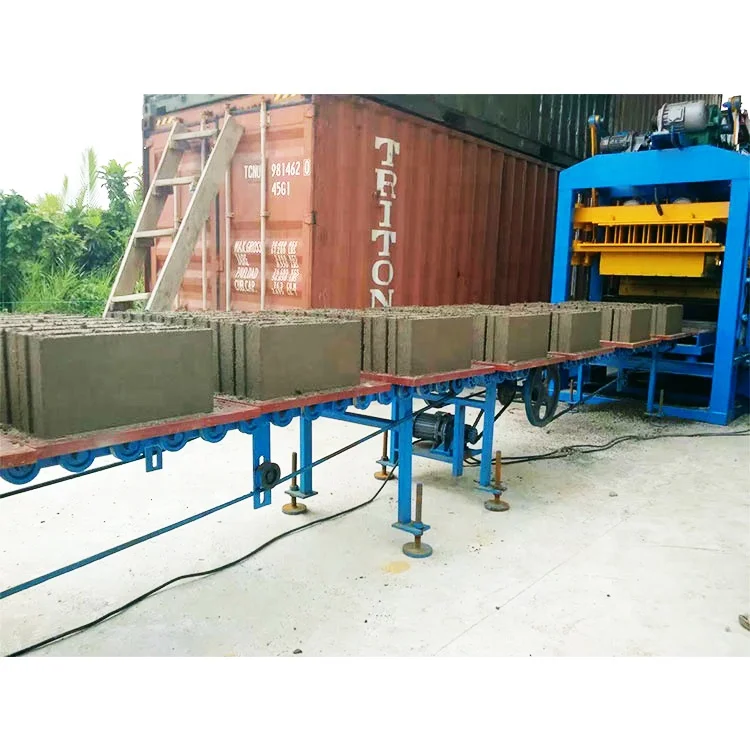
| Overall Dimensions (L×W×H) | 7100 × 1600 × 2610 mm |
| Net Weight | 5800 kg |
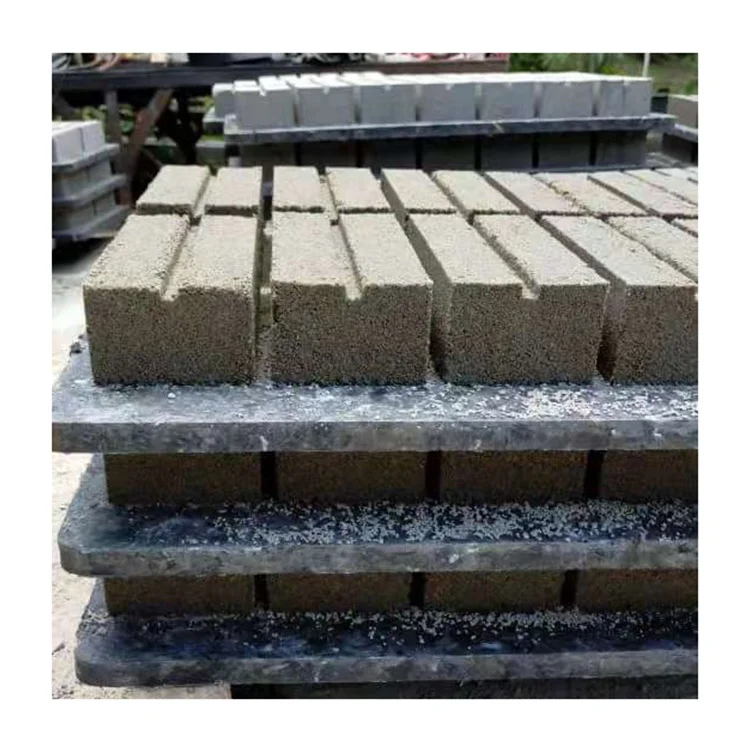
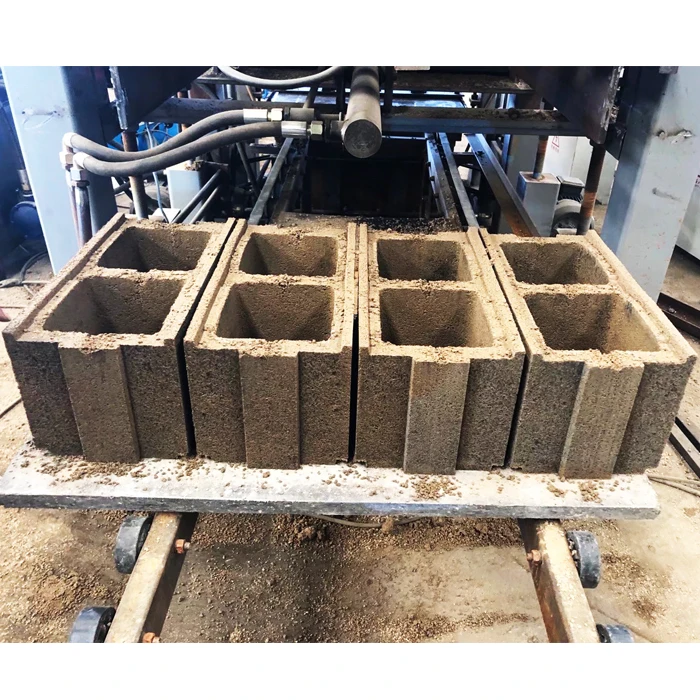
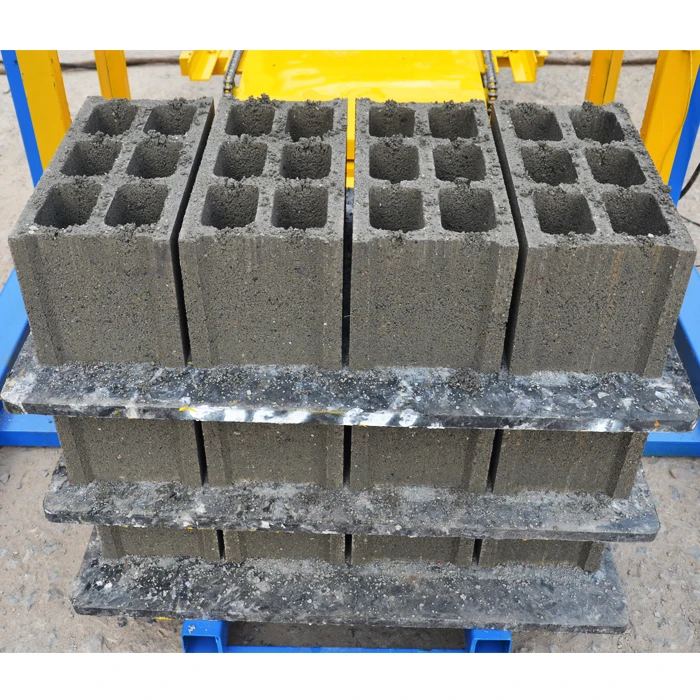
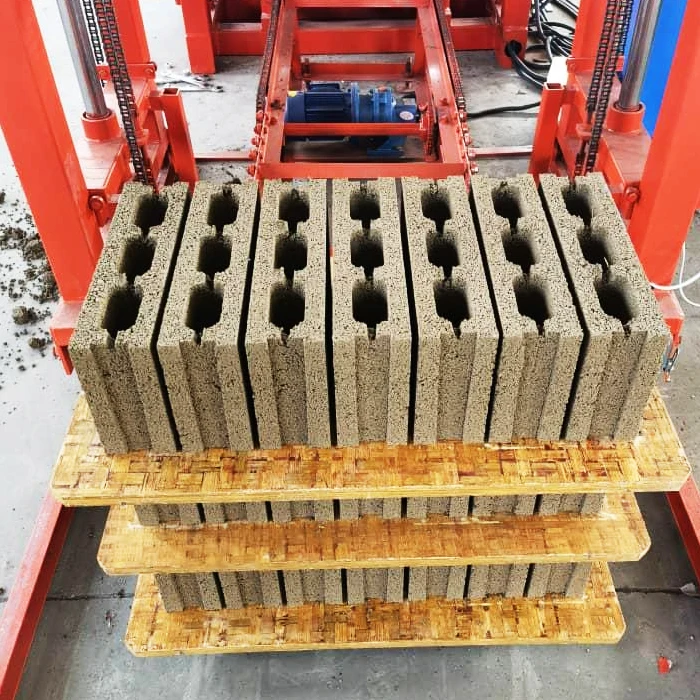
| Mould Format Options | 400×200×200 mm (4 pcs/mould), 400×150×200 mm (6 pcs/mould), 225×112.5×53 mm (16 pcs/mould) |
| Output Capacity | 960 pcs/h based on 400×200×200 mm hollow block; 1440 pcs/h based on 400×150×200 mm block; 3840 pcs/h based on 225×112.5×53 mm solid brick |
| Daily Output | 7680 pcs/day (400×200×200 mm), 11520 pcs/day (400×150×200 mm), 30720 pcs/day (225×112.5×53 mm) — basis: 8-hour shift assumed (shift length to be confirmed) |
| Cycle Time | Seconds per cycle by format to be confirmed |
| Stacking Method | Manual or automatic (to be confirmed) |
| Color Options | According to buyer request |
| Warranty | 1 year |
| Standards | ISO 9001:2008, CE |
Application Suitability
| Application | Material or Output |
|---|---|
| Small-to-medium block plants | Hollow blocks, solid blocks, and standard bricks from local aggregate and cement |
| On-site construction production | Concrete blocks produced directly at the job site for immediate use in masonry work |
| First-line entrepreneurs | Entry-level automatic block production using standard sand, crushed stone, and cement mixes |
| Distributor stock for resale | Standard format moulds shipped with the machine for quick deployment to local block producers |
Why the Voltage Question Should Come Before the Price
When you are working to a project deadline, a Qt4-25a block making machine in stock means little if it cannot run on the local grid the day it arrives.
Voltage and frequency must be confirmed in writing before the machine leaves the factory, not after it clears customs.
I have watched containers get unloaded at African and Southeast Asian job sites only for the electrician to discover the motor was wound for 380V/50Hz when the local supply runs at 415V or 440V. The machine sits idle while replacement motors are sourced internationally, sometimes for weeks. The dispatch lead time advantage is wiped out entirely by a specification that should have taken five minutes to confirm. [NEED_CITE: voltage and frequency standards by export market]
Stock Availability and What "Ready to Ship" Actually Covers
The Qt4-25a block making machine in stock status is confirmed at the inquiry stage, not after a deposit is paid. This means the buyer knows the dispatch lead time before committing. Standard moulds for the three listed block formats — 400×200×200 mm hollow, 400×150×200 mm, and 225×112.5×53 mm solid brick — are checked against current warehouse inventory at the same time.
When a buyer needs a format outside those three, the mould production lead time is quoted alongside the machine, so the total delivery timeline is transparent. There is no scenario where the machine arrives and the buyer then learns the mould they need is on a separate production schedule.
Container Loading and Dismantling for Shipment
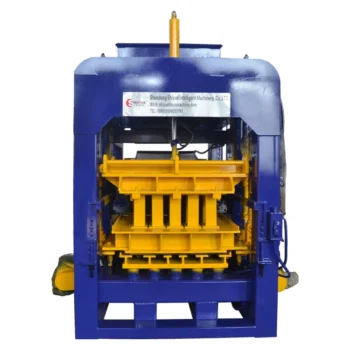
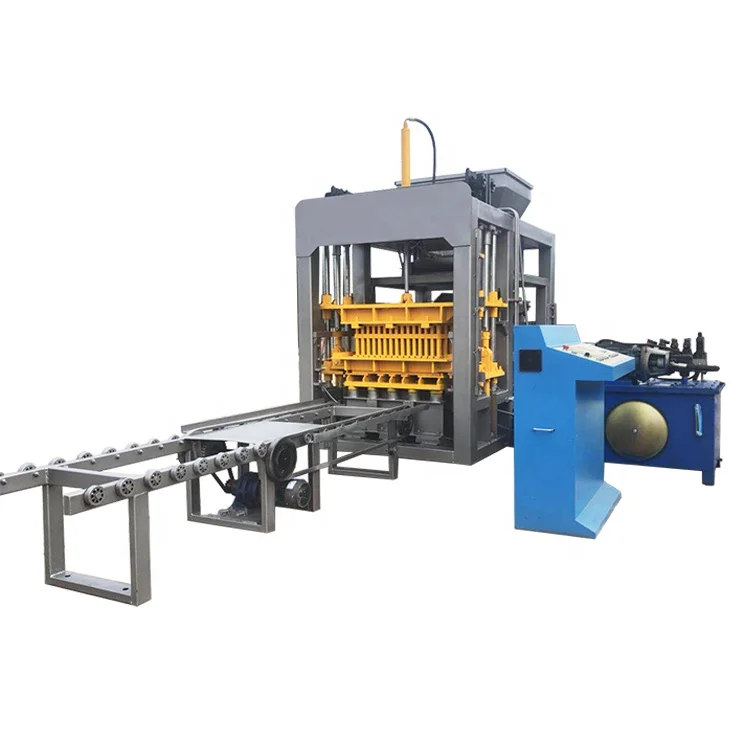
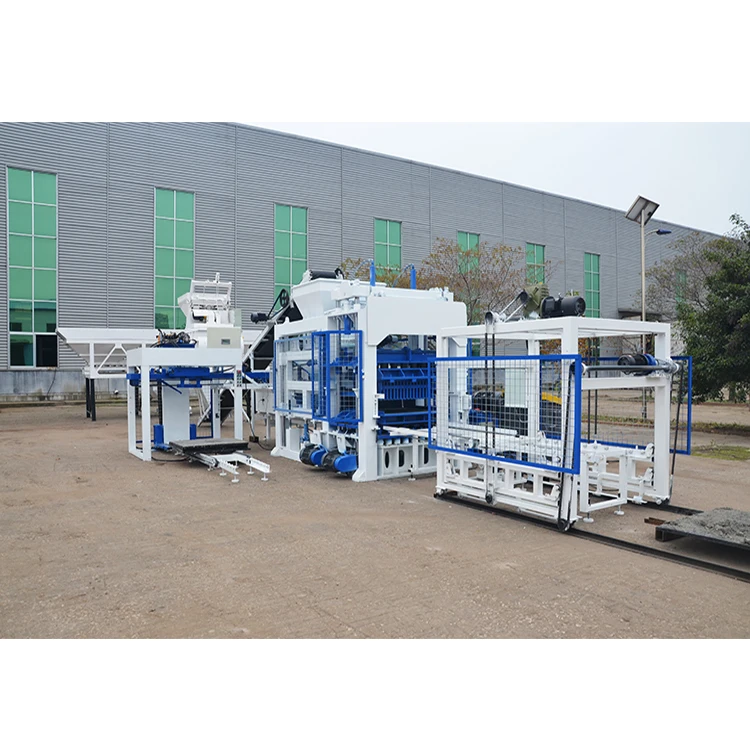
The Qt4-25a weighs 5800 kg and measures 7100 × 1600 × 2610 mm in its assembled state. For container loading, the machine is partially dismantled — typically the hydraulic station and control cabinet are separated from the main frame, and the hopper is removed. A container loading plan with dismantling details is provided before shipment so the buyer’s receiving team knows exactly how to unload and reassemble.
Every component is photographed during packing, and those images are shared before the container is sealed. This eliminates disputes about missing parts at the destination port. [NEED_CITE: container loading and lashing standards for heavy machinery]
Reading the Numbers That Matter on Site
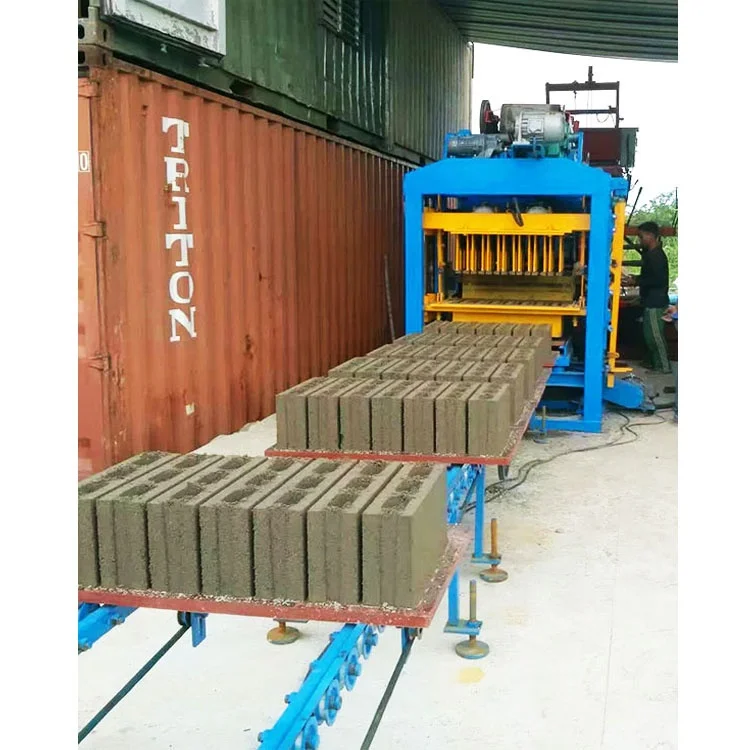
The vibration force of 60 kN and the hydraulic pressure work together to compact the concrete mix into the mould. For hollow blocks at 400×200×200 mm, the machine produces 4 pieces per cycle, yielding 960 pieces per hour under standard operating conditions. For smaller solid bricks at 225×112.5×53 mm, 16 pieces per cycle brings the hourly figure to 3840 pieces.
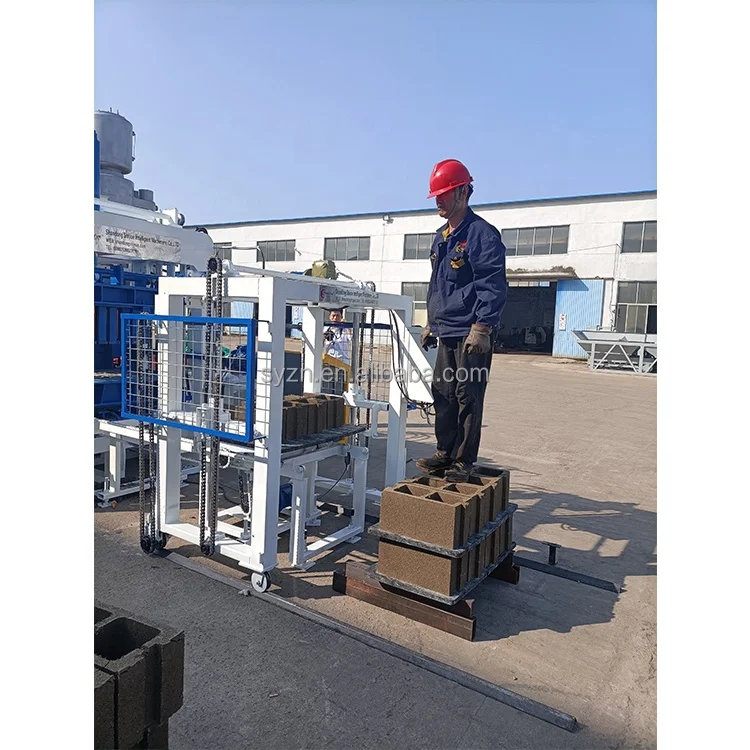
The pallet size of 1020 × 850 × 40 mm determines what the curing area can accommodate and whether the buyer’s existing forklift can handle the loaded pallets. A mismatch here means the buyer either replaces their forklift or manually moves pallets through the curing zone — neither of which was in the project budget. The 27.5 kW rated power also tells the site electrician what dedicated circuit and breaker capacity must be in place before the machine is energized.
The Cost of Skipping the Grid Check Before Ordering
Buyers who focus exclusively on dispatch speed sometimes treat the electrical specification as an afterthought. The result is a machine that physically arrives on schedule but electrically cannot start. Rewinding a motor on site or waiting for a replacement transformer adds downtime that erases any lead time advantage the fast dispatch was supposed to deliver.
Equally, a pallet size chosen without checking the curing rack spacing means pallets stack unevenly or cannot fit the rack at all, forcing the buyer to rebuild the curing infrastructure. These are not manufacturing defects — they are specification oversights that a five-minute checklist would have prevented. [NEED_CITE: common causes of commissioning delays in exported block machinery]
Why Buyers Source This Machine Through This Channel
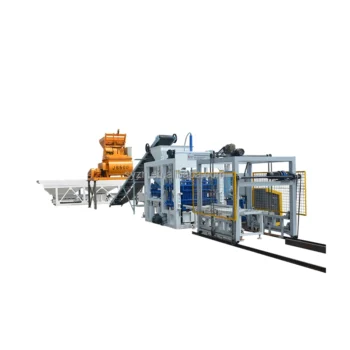
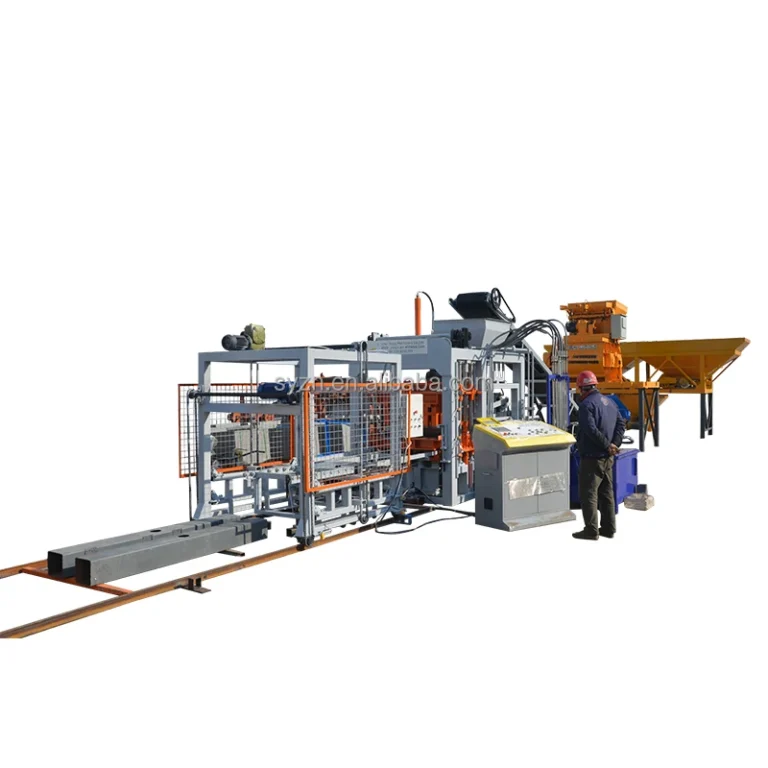
The Qt4-25a is treated as a matched system: the machine, moulds, pallets, and handling equipment are specified together, not pulled from separate suppliers. This means the pallet size, mould format, and vibration settings are aligned before the machine ships.
Configuration is set against the buyer’s local aggregate and target block format, not a catalogue default. Dispatch lead time and stock status are confirmed at inquiry, so buyers working to a project deadline have the arrival estimate before they commit. Voltage, frequency, and control language are locked in writing during the order process, preventing commissioning delays. Factory test records and packing photographs are supplied before the container leaves, giving the buyer full visibility into what is on the truck.
Documentation & Verification
- Line layout with capacity calculation tied to the specific block format ordered
- Machine specification sheet confirming voltage, frequency, and pallet dimensions
- Mould drawing and format list for every mould included in the shipment
- Factory test record run on the buyer’s target block format before dispatch
- Packing photographs documenting every component before the container is sealed
- Customs documentation support for the destination country’s import requirements
Installation, Commissioning & Support
- Foundation plan based on the 7100 × 1600 mm footprint and 5800 kg operating weight
- Electrical connection guidance for the 27.5 kW rated power and buyer’s confirmed voltage
- Reassembly instructions matching the dismantling plan used for container loading
- First-run commissioning with parameter settings adjusted to the buyer’s local mix design
- Operator training covering mould change procedure and daily maintenance checkpoints
- Wear parts list identifying hydraulic seals and vibration components for first reorder
What to Include in Your Inquiry
To get a firm dispatch lead time and an accurate arrival estimate, share your target block format and the daily output you need. Confirm your site’s voltage, frequency, and the language you want on the control display. If you already have curing racks and forklifts on site, send the pallet dimensions they accept so the machine pallets are specified to match.
Frequently Asked Questions
Q: Is the Qt4-25a currently in stock, and what is the dispatch lead time?
A: Stock status for the Qt4-25a block making machine and its standard moulds is confirmed at the inquiry stage, before any payment is made. Dispatch lead time is quoted based on current warehouse availability and any voltage or control customization required. Buyers receive a firm timeline at the proposal stage, not after the order is placed.
Q: How is the machine packed for container shipment, and what dismantling is required?
A: The Qt4-25a is partially dismantled for loading — typically the hydraulic station, control cabinet, and hopper are separated from the main frame. A detailed dismantling and reassembly plan is provided before shipment. Every component is photographed during packing, and those images are shared with the buyer before the container is sealed.
Q: Can the voltage be configured to my country’s standard before the machine ships?
A: Yes. The default configuration is 380V, but the motor and control system can be set to match the buyer’s local grid supply. Voltage and frequency are confirmed in writing during the order process so the machine is ready to run upon arrival, avoiding on-site electrical rework or transformer sourcing delays.
Q: Which block formats and moulds are available from stock versus made to order?
A: Standard moulds for 400×200×200 mm hollow blocks, 400×150×200 mm blocks, and 225×112.5×53 mm solid bricks are checked against current inventory at inquiry. Custom formats or non-standard moulds are quoted with their own production lead time alongside the machine, so the buyer sees the total delivery timeline upfront.
Q: What is the arrival estimate from order to port of destination?
A: The arrival estimate combines the confirmed dispatch lead time with the shipping transit duration to the buyer’s port. Both figures are quoted before the order is placed, giving buyers on a project deadline a complete timeline from factory to job site. Port congestion or customs variables are noted where applicable.