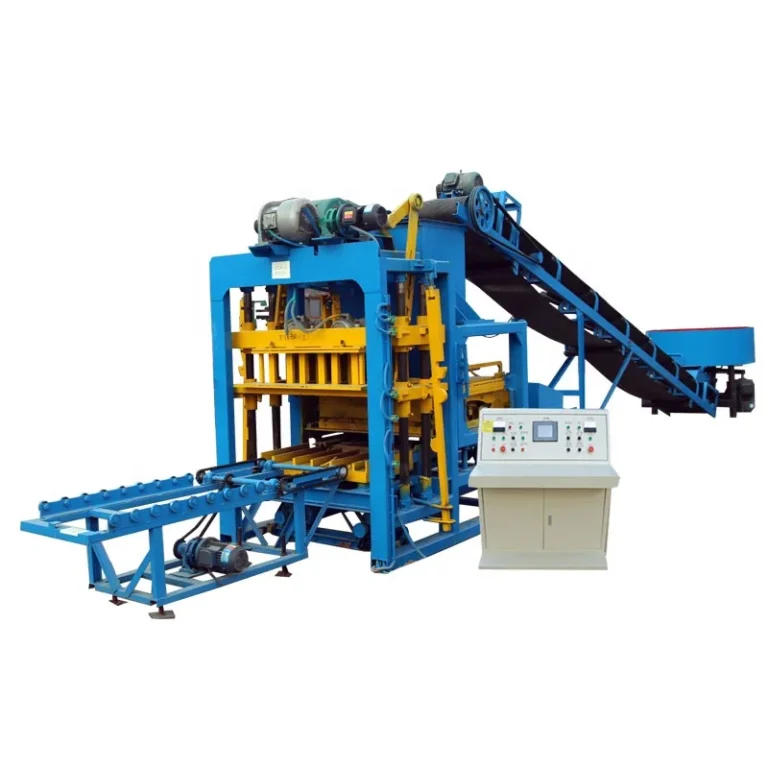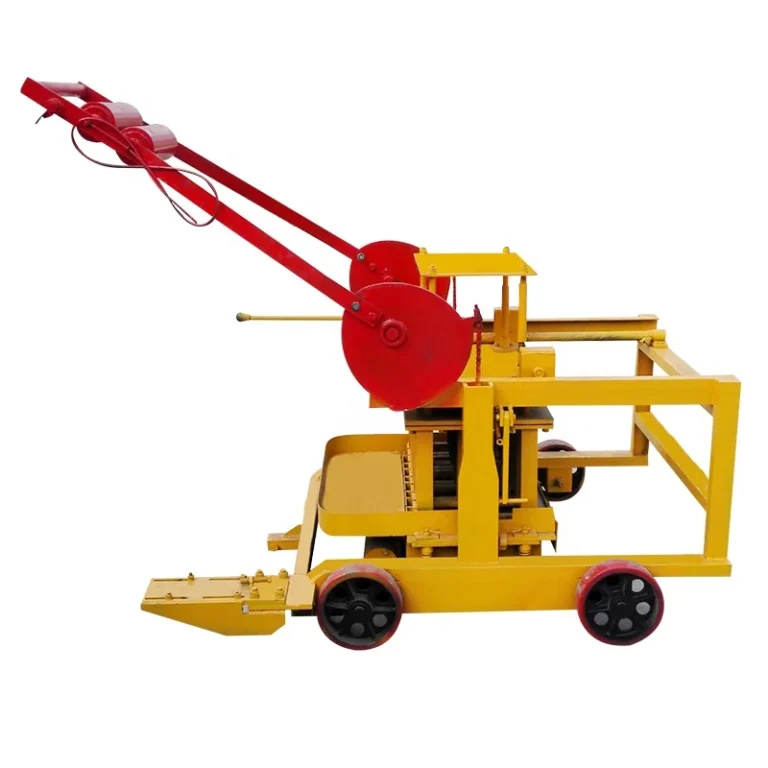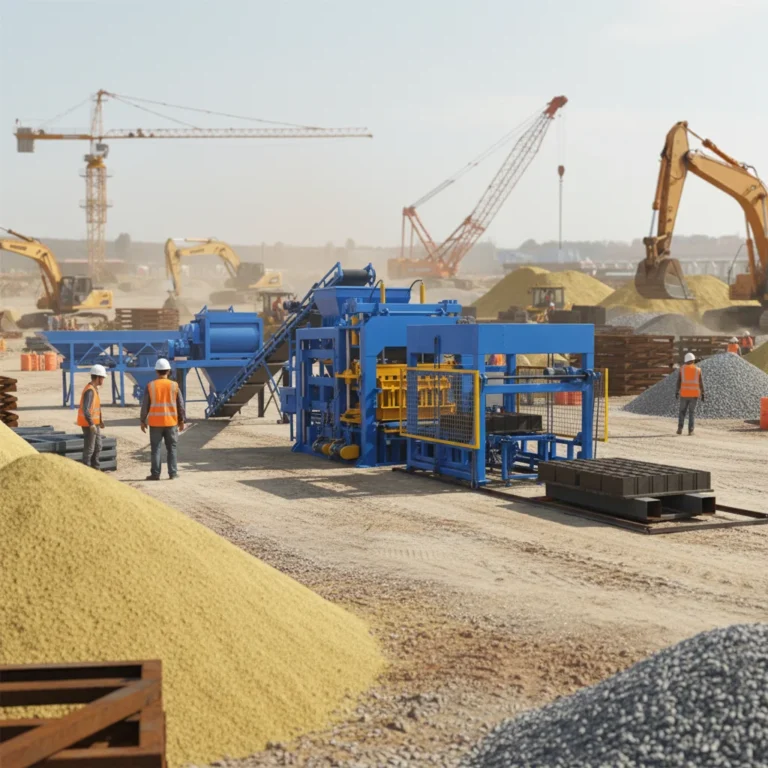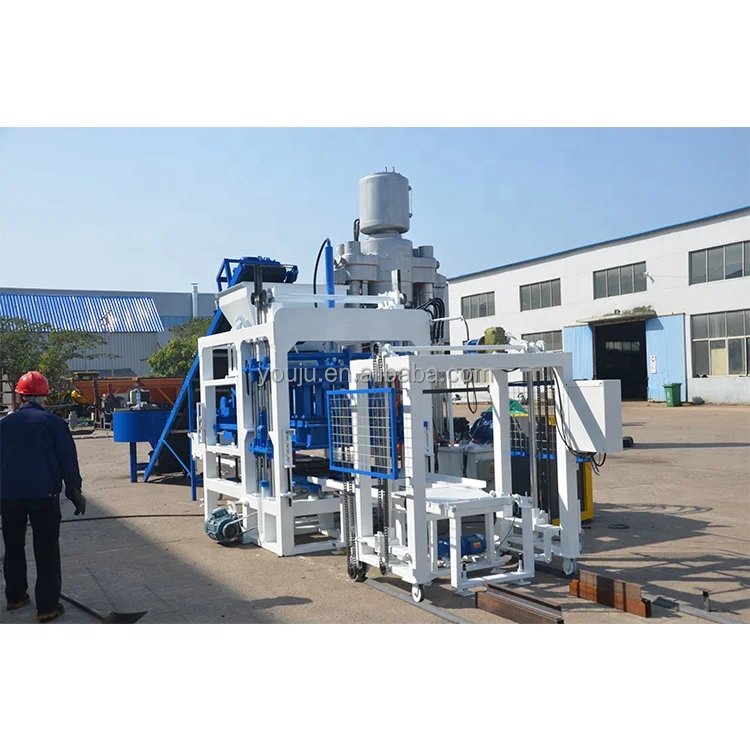
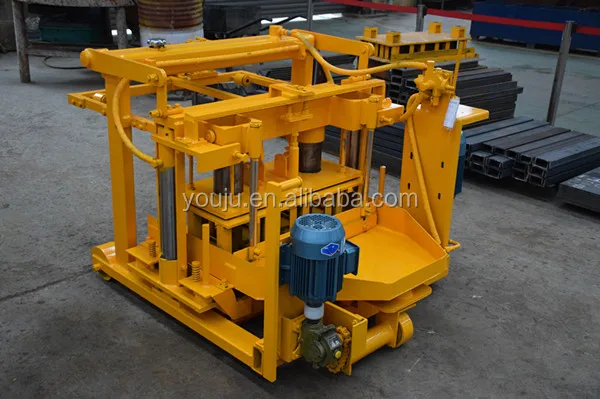
Description
Stocked Dispatch Readiness — QMY4-30 mobile block machines are assembled, tested with real mix, and crated for container loading before the purchase order is signed, eliminating the multi-week production wait that delays project schedules.
Technical Specifications
| Parameter | Value |
|---|---|
| Model | QMY4-30 |
| Product Type | Mobile Concrete Block Making Machine |
| Assembly State | Mobile / egg-laying type |
| Overall Dimensions (L×W×H) | 1200 × 1200 × 1100 mm |
| Net Weight | 950 kg |
| Rated Power | 5 kW |
| Molding Cycle Time | 30 seconds |
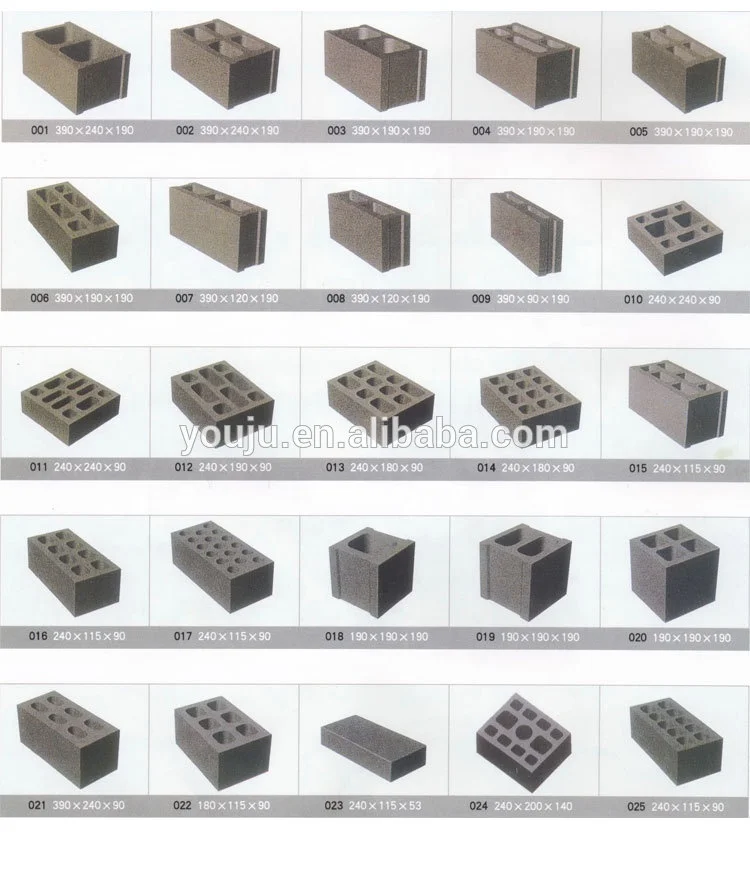
| Mould Format | Changeable for hollow block and solid brick |
| Raw Materials | Cement, sand, crushed stones, slag |
| Output Capacity | 480 pcs/hour (basis: 400×200×200 mm hollow block, 4 pcs/mold) |
| Output Capacity | 600 pcs/hour (basis: 400×150×200 mm hollow block, 5 pcs/mold) |
| Output Capacity | 840 pcs/hour (basis: 400×100×200 mm hollow block, 7 pcs/mold) |
| Output per 8-hour Shift | 3,840 pcs (basis: 400×200×200 mm hollow block) |
| Output per 8-hour Shift | 4,800 pcs (basis: 400×150×200 mm hollow block) |
| Output per 8-hour Shift | 6,720 pcs (basis: 400×100×200 mm hollow block) |
| Automation Level | Manual operation, 2 workers required |
| Pallet Requirement | None (egg-laying type) |
| Voltage & Frequency | To be confirmed before ordering |
| Hydraulic Pressure | Not stated in source |
| Vibration Force | Not stated in source |
| Control System | Not stated in source |
| Certification | Not stated in source |
Application Suitability
| Application | Material or Output |
|---|---|
| On-site hollow block production for housing projects | Cement, sand, and crushed stone mix laid directly on ground |
| Solid brick manufacturing for small-scale plants | Cement and slag blend with manual mould change |
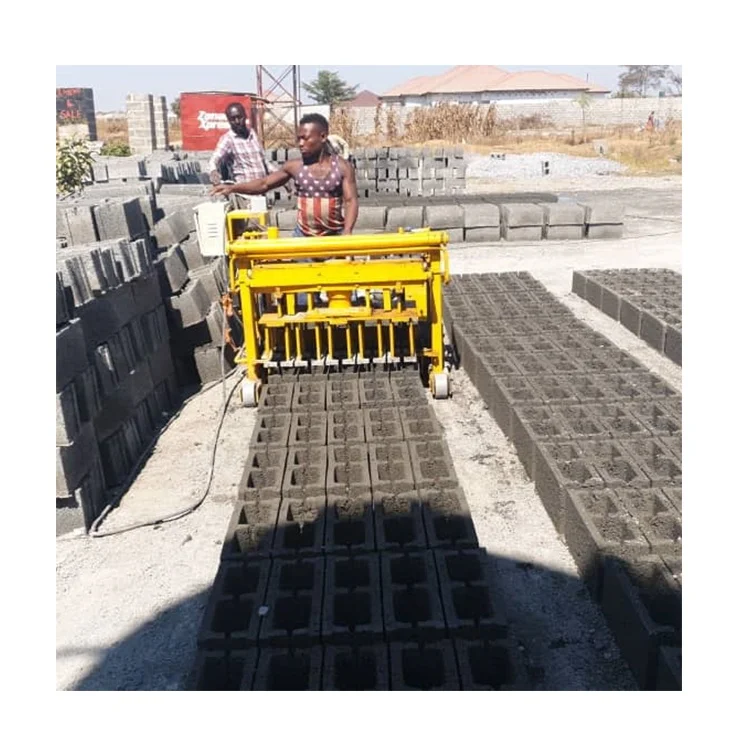
| Remote construction sites without fixed plant infrastructure | Egg-laying operation on leveled ground, no pallets required |
| Entrepreneur-led first block business | Low-investment setup with two operators and basic hand tools |
| Infrastructure contractors producing kerb blocks locally | Mould swap on site to alternate between hollow and solid formats |
Why Voltage Confirmation Must Happen Before Crating
A QMY4-30 mobile block machine in stock ships fast — but arriving with the wrong voltage or frequency turns that speed advantage into weeks of idle time on your project site.
I watched a contractor in East Africa take delivery of a mobile unit wired for 380V/50Hz when their site generator ran 440V/60Hz. The motor burned within the first hour. The replacement motor took weeks to arrive by air freight, and the crew stood around while foundation work stalled. That machine was also a QMY4-30 class unit, and the spec plate said nothing about the buyer’s actual power supply [NEED_CITE: voltage and frequency standards by export market]. With this model, we confirm voltage, frequency, and phase before the machine leaves the workshop floor.
Dispatch Timeline and Stocked Availability
Buyers working to a project deadline need the machine on the ground, not on a production schedule. The QMY4-30 is kept in assembled and tested condition so that once the voltage and frequency are locked in, crating and container loading can proceed immediately. This mobile block machine in stock configuration removes the typical multi-week build lead that separates an inquiry from a working plant. Container loading plans are quoted at the inquiry stage so the buyer knows the vessel booking window before committing.
Packing and Transit Protection for Egg-Laying Units
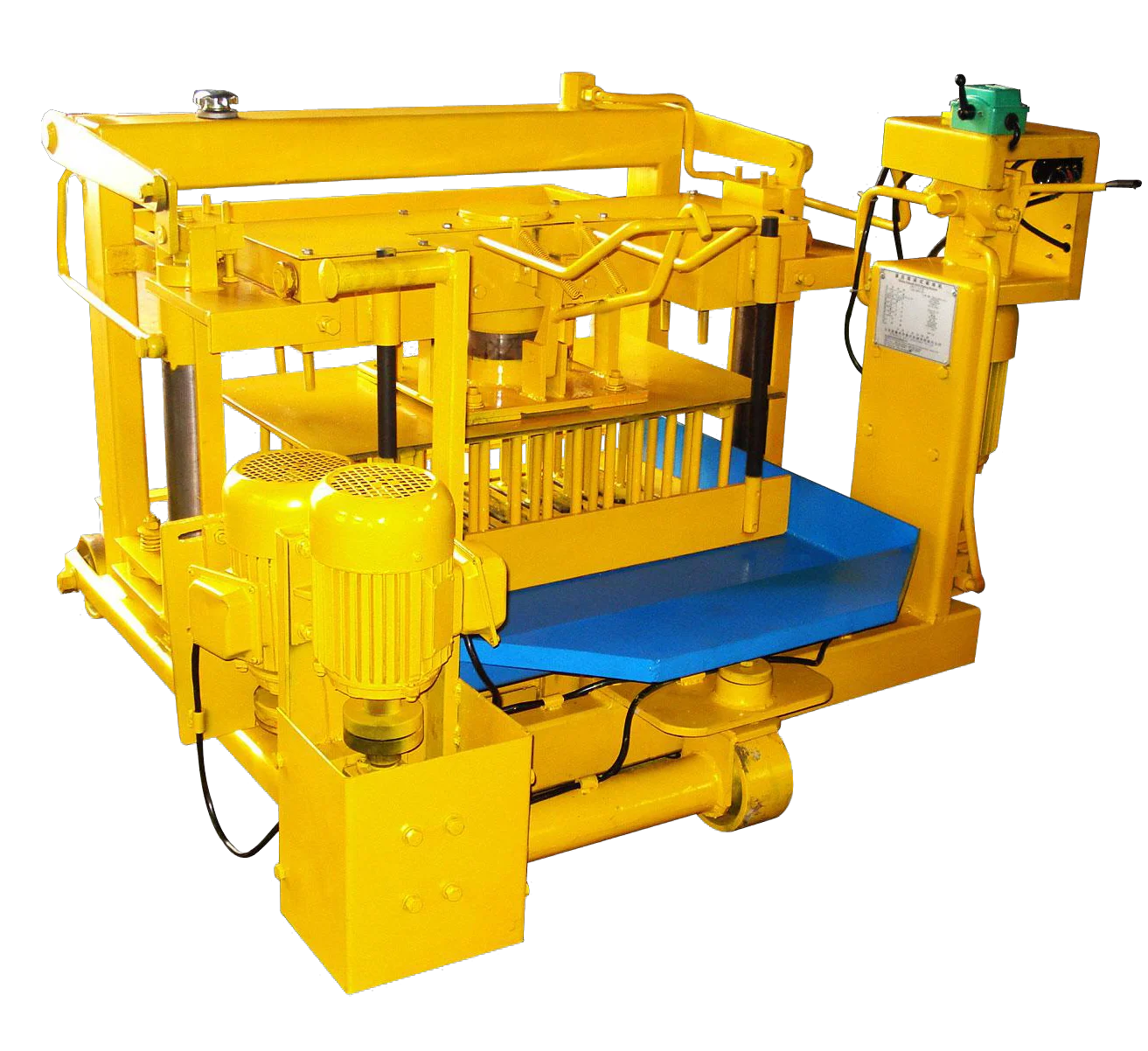
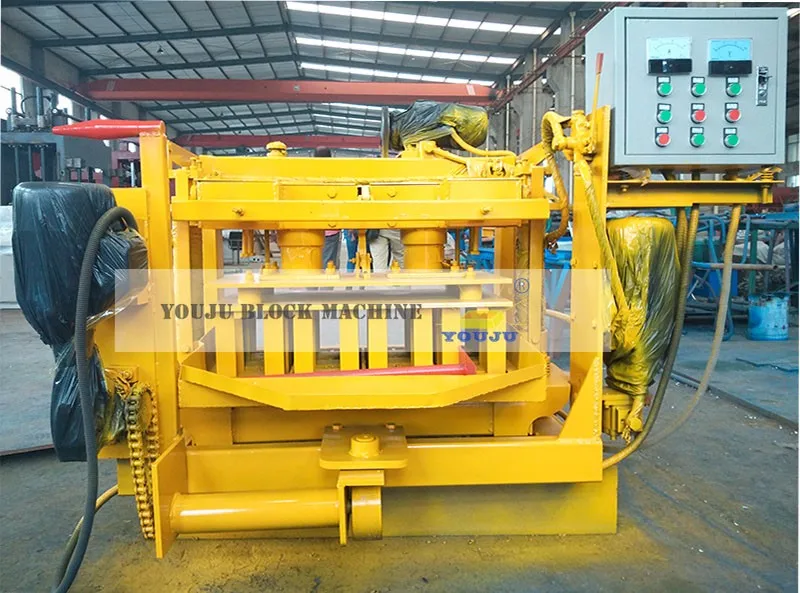
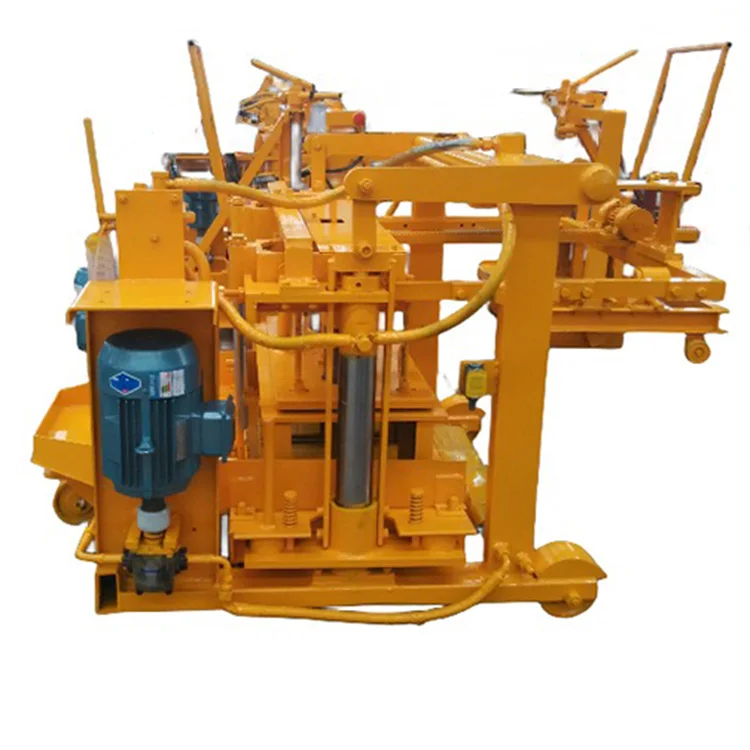
Egg-laying machines travel differently from stationary presses. The QMY4-30 at 950 kg and 1200 × 1200 × 1100 mm fits into standard container space without dismantling the frame, but vibration components and the mould assembly need bracing against sea transit shock. Plywood crating protects the electrical panel and motor housing. Each unit is photographed in packed condition before the container seal is applied, and those images go to the buyer for customs clearance at destination [NEED_CITE: international freight packaging standards for industrial machinery].
Reading the Specs That Actually Matter on Site
The 30-second molding cycle is the heartbeat of this machine, but what it produces in that cycle depends entirely on which block format you run. Four 400×200×200 mm hollow blocks per cycle yields a different daily total than seven 400×100×200 mm blocks — and quoting a single output number without the format attached is how buyers end up disappointed. The 5 kW rated power tells you what generator capacity you need on a remote site where grid power does not reach. The changeable mould system means one machine covers both hollow block and solid brick, but the swap is manual — plan for mould change time within your shift if you intend to run multiple formats in one day. The egg-laying design eliminates pallets entirely, which cuts consumable cost but requires a leveled, compacted ground surface at the production point.
What Happens When Mix Design Is Skipped at Inquiry Stage
The QMY4-30 applies vibration to compact whatever mix you feed it, but vibration parameters that work with standard river sand will underperform with high-clay red soil or over-compact a lightweight aggregate blend. Last year a buyer in West Africa ran local laterite soil through a machine configured for sand, and the blocks crumbled at the stacking stage. The vibration settings had to be reworked on site, which meant half a shift lost to trial runs. We now insist on knowing the buyer’s actual aggregate source before dispatch so the machine can be tested with a representative mix or the buyer can be warned in advance if adjustment will be needed.
Why Buyers Source This Model from Our Stock Program
Every QMY4-30 that leaves the floor has been run with real material, not just cycled empty for a video. The machine, mould, and manual handling workflow are specified as one unit rather than a press sold separately from the moulds it needs. Mould formats are selected for the block types that actually sell in the buyer’s market, including custom drawings when standard sizes do not match local building codes. Dispatch lead time and container loading details are stated at the quotation stage, not discovered after payment [NEED_CITE: typical block machine export documentation requirements]. Factory test records accompany every unit so the buyer can verify performance before the machine enters transit.
Documentation & Verification
- Factory test record run on buyer’s specified block format before crating
- Voltage, frequency, and phase confirmation sheet signed before dispatch
- Mould drawing and format list matching the blocks ordered
- Packing photographs documenting condition before container seal
- Customs documentation support for destination port clearance
Installation, Commissioning & Support
- Level and compact a ground area of at least 3 × 3 meters for the 1200 × 1200 mm machine footprint before arrival
- Confirm 5 kW power supply with correct voltage and frequency on a dedicated circuit or site generator
- Machine arrives fully assembled; position on production ground and conduct first-cycle test with local mix
- Operator training covers mould change procedure between hollow block and solid brick formats
- Wear parts list provided with mould and vibration component replacement intervals
- Routine maintenance schedule tied to the 30-second cycle duty and daily output volume
What We Need to Quote Accurately
To match the right QMY4-30 mobile block machine in stock to your site, we need the block format and dimensions your market sells, the daily output target in those specific blocks, your local aggregate type and cement source, and the voltage and frequency available at your production point. If you already have a generator, share its rated output and phase configuration. Tell us whether you plan to run one format or alternate between hollow and solid during a shift.
Frequently Asked Questions
Q: What is the dispatch lead time for QMY4-30 and is it currently in stock?
A: The QMY4-30 is held in assembled, tested condition. Once voltage, frequency, and mould format are confirmed, the unit moves to crating and container loading. Dispatch lead time is quoted upfront at the inquiry stage based on current stock position and the buyer’s destination port. No production build wait is required for standard configurations.
Q: How is the machine packed and what are the container loading requirements?
A: The machine at 950 kg and 1200 × 1200 × 1100 mm is plywood-crated with vibration components and mould assembly braced for sea transit. It fits into standard container space without frame dismantling. Packing photographs are shared before the container is sealed so the buyer has condition records for insurance and customs purposes.
Q: What voltage and frequency options are available for my destination market?
A: Voltage and frequency are configured to match the buyer’s site power supply before the machine ships. We confirm the exact voltage, frequency, and phase requirement during the inquiry stage. This prevents the common problem of a machine arriving wired for a standard that does not match the local grid or site generator.
Q: Which raw material mix does the machine expect, and can it use locally available aggregates?
A: The QMY4-30 is designed for cement, sand, crushed stones, and slag. However, performance depends on the specific aggregate properties at your site. We ask buyers to describe their local material source so the machine can be tested with a representative mix before dispatch, or adjustments can be planned if the local material differs from standard sand.
Q: What arrival estimate can I expect once shipped, and do you support customs documentation?
A: Arrival timing depends on the destination port and vessel schedule, which we estimate at the quotation stage. We provide packing lists, commercial invoices, and any applicable declarations required for customs clearance. The documentation package is prepared alongside the machine so there is no delay once the unit is on the water.