Description
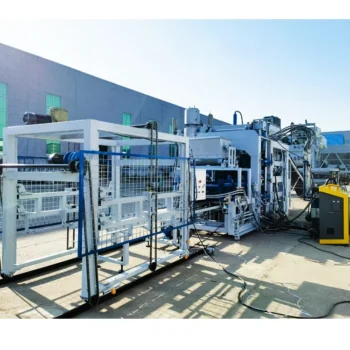
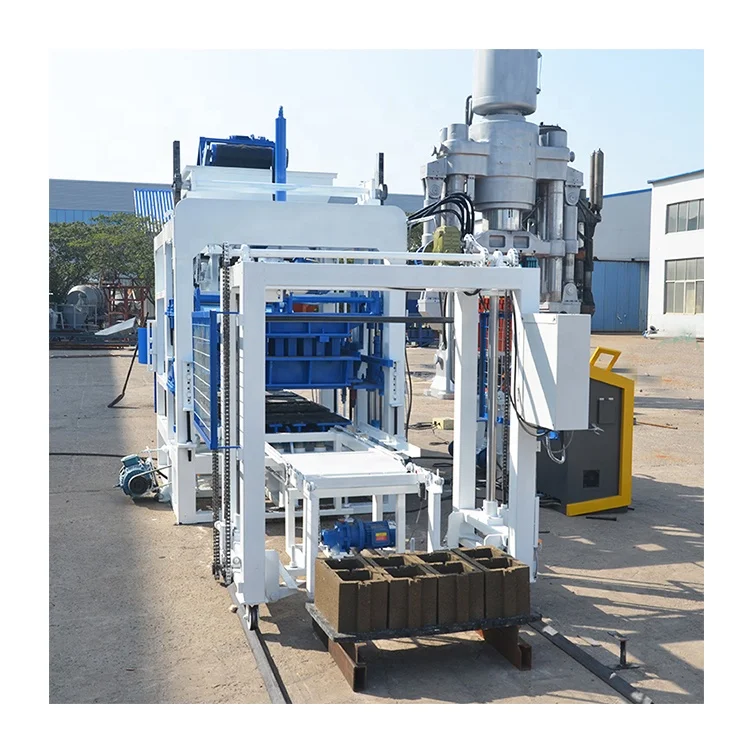
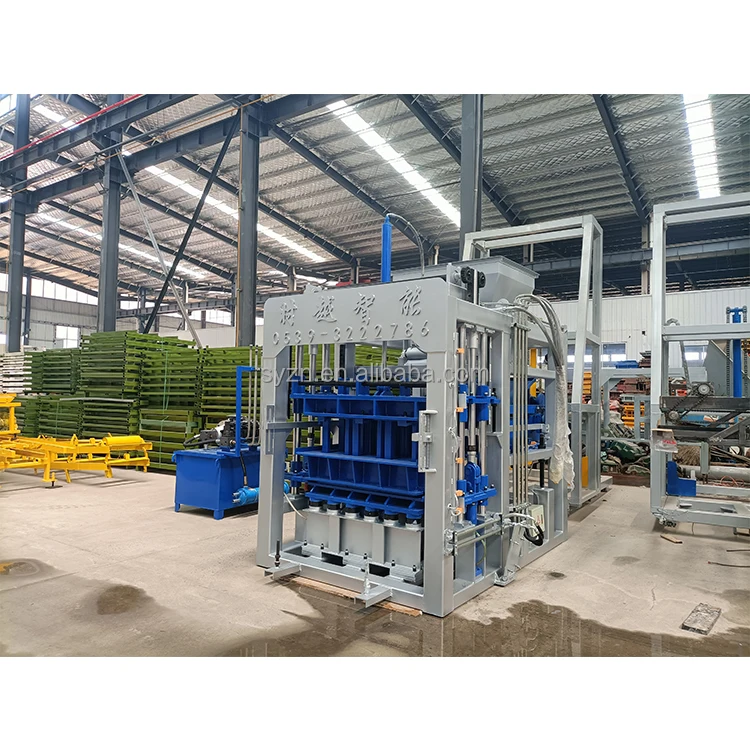
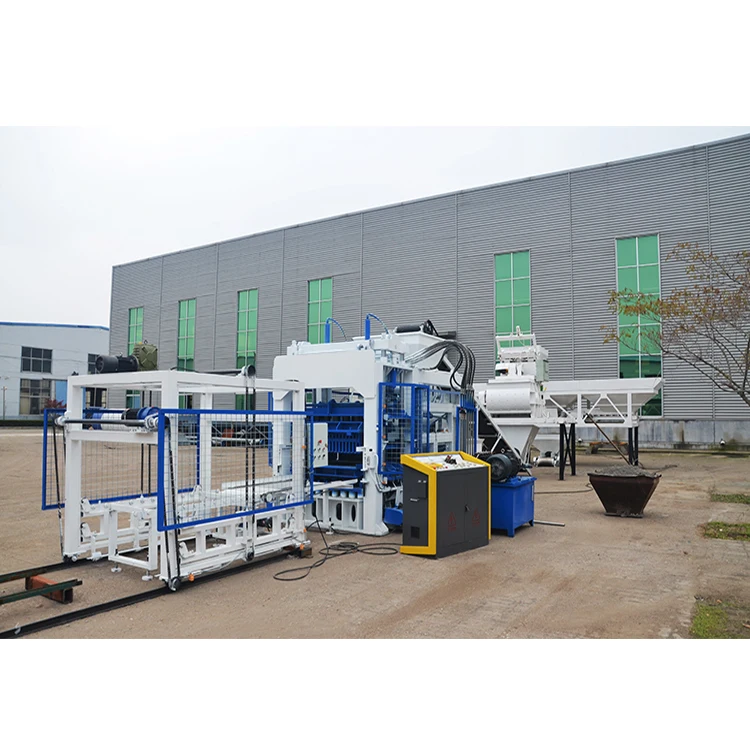
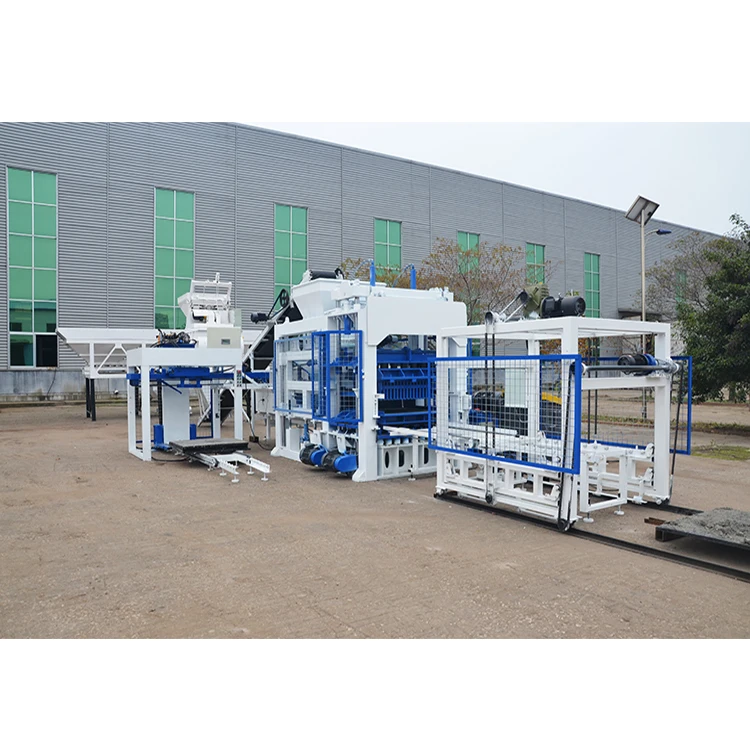
Matched Line Dispatch — every QT10-15 station from batching to stacking ships as one verified set, so nothing waits on a missing pallet feeder when the block machine arrives on site.
Technical Specifications
| Parameter | Value |
|---|---|
| Model | QT10-15 |
| Product Type | Automatic Concrete Block Making Machine |
| Host Machine Dimensions | 5870 × 2220 × 2850 mm |
| Host Machine Weight | 12 Tons |
| Molding Area | 1100 × 900 mm |
| Recommended Workshop Area | 200 ㎡ |
| Host Machine Power | 57 kW |
| Vibration Force | 100 kN |
| Pallet Size | 1100 × 900 × 30 mm |
| Voltage Options | 220 / 380 / 415 / 440 V (Customized) |
| Molding Period | 15 Seconds (basis not stated in source) |
| Vibration Method | Hydraulic + Platform Vibration |
| Vibration Frequency | 2800 – 4500 Times / Minute |
| Control System | Siemens PLC with Touch Screen |
| Travel Switch | France Schneider / Japan Omron |
| Motor | Germany SIEMENS or CE standard brand |
| Mould Heat Treatment | Carburizing, 54-58 HRC, 100,000+ times lifespan |
| Welding Standard | Carbon dioxide protection, CE standard materials |
| Batching Machine | PLD1200 (1200 L hopper, ±2% precision, 4500 kg) |
| Concrete Mixer | JS750 (1200 L charging / 750 L discharging, 30 kW motor) |
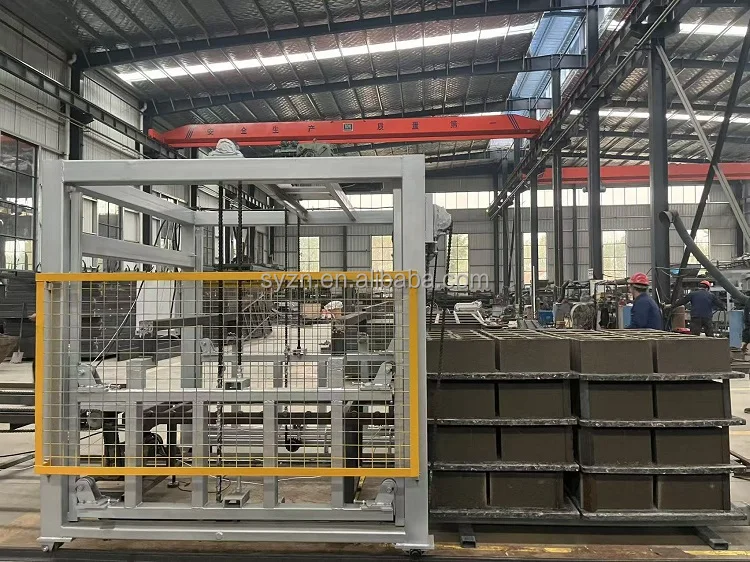
| Stacker | SY-8 (3 kW, mobile pallet stack, 600 kg capacity) |
| Automation Level | Full automatic with PLC and touch screen |
| Assembly State | Grouped line: pallet feeder, brick receiver, hydraulic station, batching, mixer, conveyor, hydraulic trolley |
| Warranty | 1 year whole machine (excluding spare parts) |
| Certification | CE |
Application Suitability
| Application Scenario | Typical Material or Output |
|---|---|
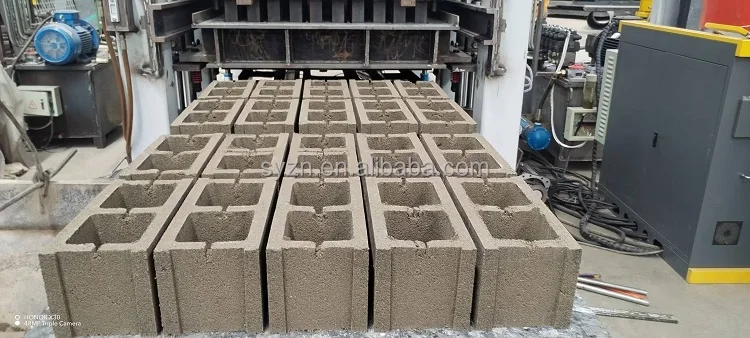
| Hollow block production for housing projects | Crushed stone, cement, sand aggregate blends |
| Solid load-bearing block manufacturing | Dense concrete mixes with local gravel |
| Paving block and color paver runs | Cement, fine aggregate, pigment (with optional color feeding system) |
| Interlocking brick for retaining walls | Semi-dry concrete with angular aggregate |
| On-site production by construction contractors | Locally sourced sand and cement on project sites |
| Replacement line for existing block plants | Matches existing pallet size and curing rack layout |
Why the Voltage Question Must Come Before Dispatch
A block machine sitting idle on a job site because the local transformer does not match the factory-wired motor is a delay no project schedule can absorb.
I used to work the assembly floor before moving into dispatch scheduling, and the most expensive mistake I witnessed had nothing to do with hydraulics or mould tolerances. A QT10-15 block machine in stock was rushed to a buyer who skipped confirming the site voltage. The machine arrived, the electrician opened the panel, and the motor was wound for a supply the site could not provide. Three weeks of idle crews followed. Now, before any QT10-15 automatic block machine leaves our Linyi workshop, the buyer’s配电柜 nameplate photo is the first document I request [NEED_CITE: voltage and frequency standards by export market]. Skipping that single step turns a fast delivery into a slow and costly standstill.
How Dispatch Timing Shapes the Project Schedule
When a contractor commits to a construction phase deadline, the block plant must be producing before that phase starts — not arriving at the port as it begins. The QT10-15 block machine in stock status is confirmed at the inquiry stage, not after payment, so buyers working against fixed milestones know whether the lead time is measured in days or weeks. Dispatch lead time is quoted alongside the machine specification, keeping the decision straightforward for importers and project contractors alike.
What Container Loading Actually Looks Like
The host machine, hydraulic station, batching unit, JS750 mixer, and SY-8 stacker do not ship as one piece. Each sub-assembly is dismantled at defined separation points so the full line fits into standard containers without cutting structural welds. The pallet feeder and conveyor sections are unbolted and flat-packed, while the 12-ton host machine travels on its own base frame secured with twist locks. A container loading plan is shared with the buyer before the QT10-15 automatic block machine is crated, so the receiving team knows which container holds which station [NEED_CITE: CE machinery directive requirements for industrial equipment].
Reading the Specs That Matter on Site
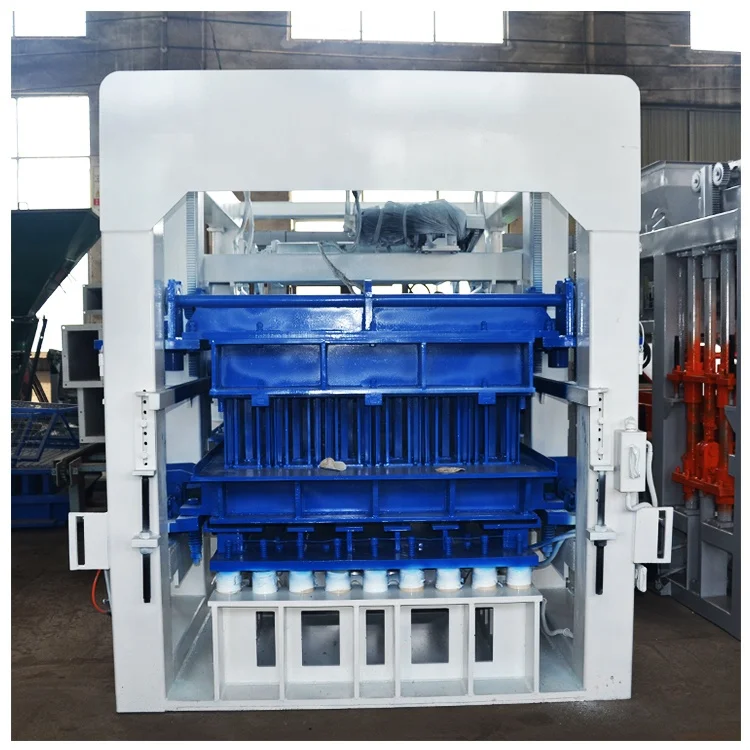
The 1100 × 900 mm pallet size defines more than molding area — it determines the curing rack spacing and forklift tine width the buyer must already have or plan to acquire. A pallet spec confirmed late means the block machine in stock arrives to a yard that cannot handle it. The 100 kN vibration force paired with hydraulic pressure produces the compaction density; adjusting one without the other shifts block strength unpredictably, which is why both values are locked into the PLC recipe rather than left to operator feel. The Siemens touch screen stores mould-specific cycle parameters so a format change from hollow block to paving block does not require re-tuning from scratch. Vibration frequency ranging from 2800 to 4500 cycles per minute lets the operator match the aggregate gradation — coarser crushed stone needs the lower end, fine sand blends respond better at higher frequency.
The Hidden Cost of Skipping Pre-Shipment Confirmation
When voltage, PLC display language, and frequency are assumed rather than confirmed in writing, the QT10-15 arrives ready to run in a language the operator cannot read and on a supply the transformer cannot deliver. Commissioning stalls, the installer leaves, and a second visit must be scheduled — turning a fast delivery advantage into a multi-week gap [NEED_CITE: common causes of commissioning delays in exported industrial machinery]. A buyer who confirms these three items before production avoids the single largest source of on-site idle time for imported block lines.
Why Buyers Source This Line from Here
Block machinery is the single focus of the Linyi workshop, meaning the QT10-15 is not assembled from unrelated supplier skids — the PLD1200 batcher, JS750 mixer, and SY-8 stacker are specified as one matched set. Voltage and control language are confirmed in writing before the host machine is wired, not discovered at the terminal. Moulds are carburized to 54-58 HRC, extending the interval before the first replacement order is needed. Packing photographs and customs documentation are included with every shipment, reducing clearance delays at the destination port. Dispatch lead time is stated at inquiry, so the buyer commits with a known arrival window rather than an open-ended promise.
Documentation & Verification
- Factory test record run on the buyer’s specified block format before dispatch
- Voltage and PLC language confirmation sheet signed before wiring begins
- Container loading plan showing station placement per container number
- Mould drawing pack with format list and pallet dimension overlay
- Packing photographs taken at crating stage shared before vessel departure
- Hydraulic and electrical schematic set for on-site troubleshooting
Installation, Commissioning & Support
- 200 ㎡ workshop footprint requires a level concrete slab capable of supporting the 12-ton host machine plus dynamic vibration load
- 57 kW host power draw demands a dedicated circuit with confirmed voltage and frequency before the electrician arrives
- Grouped line arrives dismantled at bolted separation points; reassembly follows the numbered station sequence on the layout drawing
- Siemens PLC touch screen is set to the buyer’s confirmed language during commissioning, with mould recipes loaded per format
- Mould carburized to 54-58 HRC provides a long first-run window before wear parts reorder is triggered
- Operator training covers pallet feeder timing, stacker cycle sync, and batching precision calibration on the PLD1200
What to Share with Your Inquiry
To match the right QT10-15 configuration and confirm a realistic dispatch window, send the target block format with dimensions, the daily volume your site must sustain, and a photo of your existing配电柜 nameplate showing voltage and frequency. If you already have pallets or curing racks on site, include their dimensions so the pallet feeder and stacker are set to match before the line ships.
Frequently Asked Questions
Q: Is the QT10-15 currently in stock or built to order, and what is the dispatch lead time?
A: Stock status for the QT10-15 is confirmed at the inquiry stage, not after order placement. If a unit is available in the yard, dispatch lead time is measured in days once voltage and PLC language are confirmed in writing. Built-to-order units follow a standard production window quoted upfront, so the buyer always has a known departure date before committing.
Q: How is the machine dismantled and loaded into containers for shipment?
A: The host machine, hydraulic station, batching unit, mixer, and stacker are separated at bolted joints designed for transport. A container loading plan is shared before crating so the buyer knows which sub-assembly is in which container. Structural welds are not cut; reassembly on site follows a numbered sequence.
Q: Can voltage and PLC language be confirmed before the machine leaves the factory?
A: Yes, and this confirmation is mandatory before wiring begins. The buyer provides a photo of the site electrical panel nameplate, and the Siemens PLC touch screen is set to the requested language during factory testing. Written confirmation of voltage, frequency, and language is signed off before dispatch.
Q: What customs documentation and packing support is provided for international shipment?
A: Each shipment includes packing photographs taken at the crating stage, a full packing list matched to container numbers, and the customs documentation required for the destination country. CE declaration documents accompany the shipment where applicable, and commercial invoice details are aligned with the buyer’s import requirements.
Q: What is the estimated arrival timeline from order to port of destination?
A: The arrival estimate depends on dispatch lead time and ocean transit duration to the destination port. Both are quoted together at the inquiry stage so the buyer sees the full timeline from order confirmation to port arrival, not just the factory departure date. This allows project contractors to align the block plant commissioning with construction phase milestones.