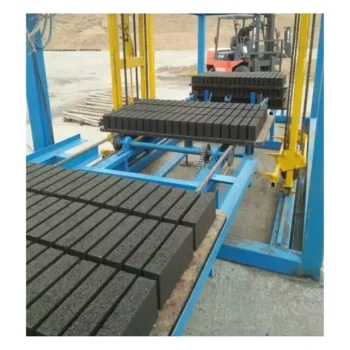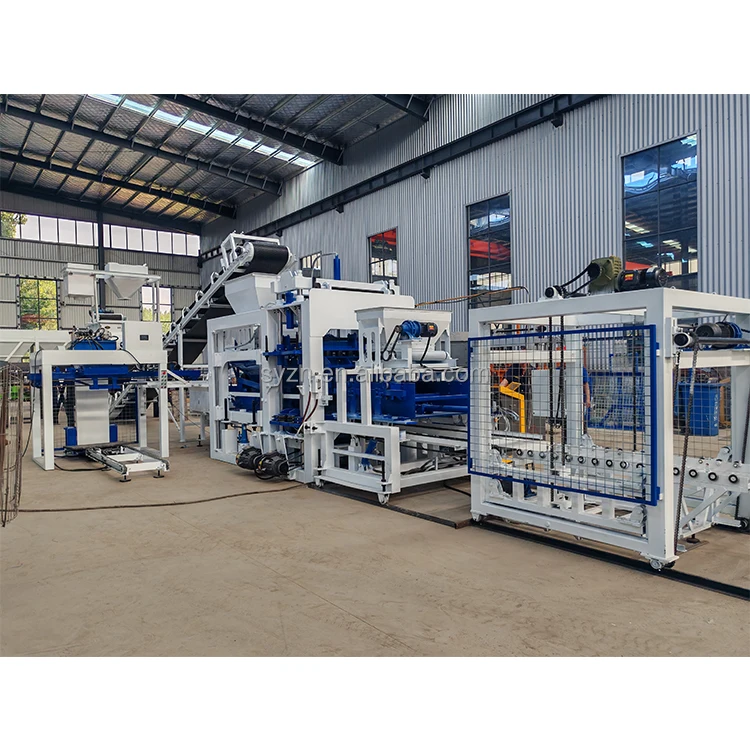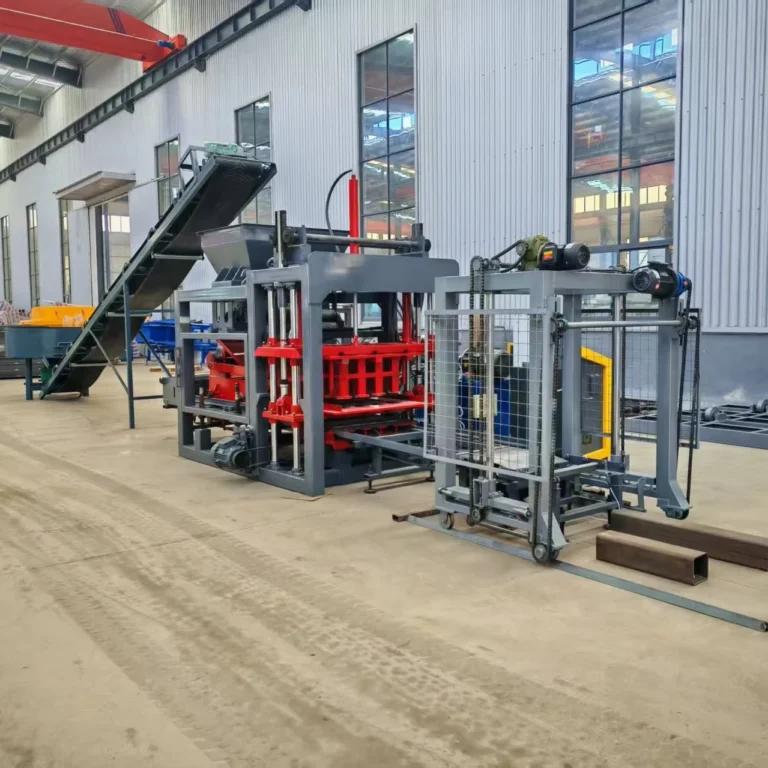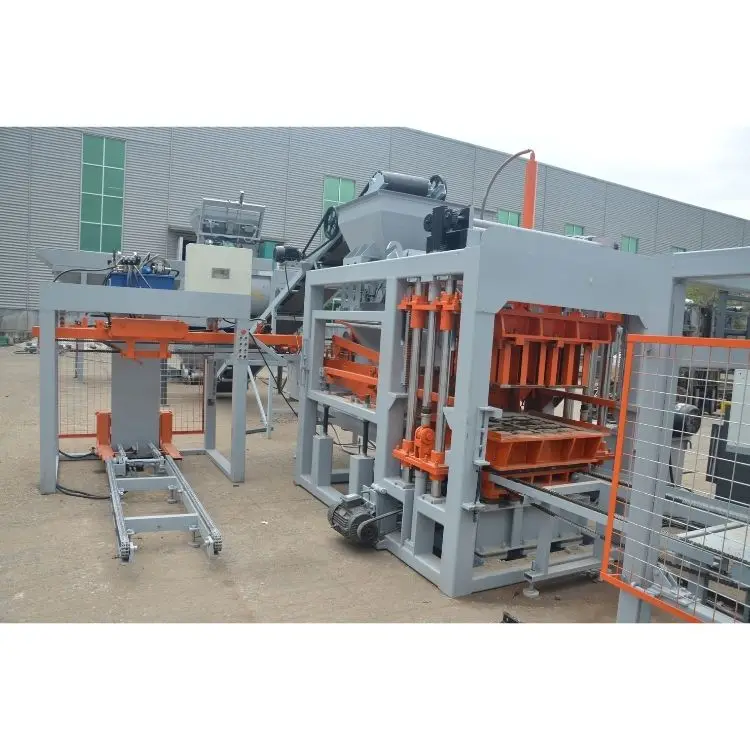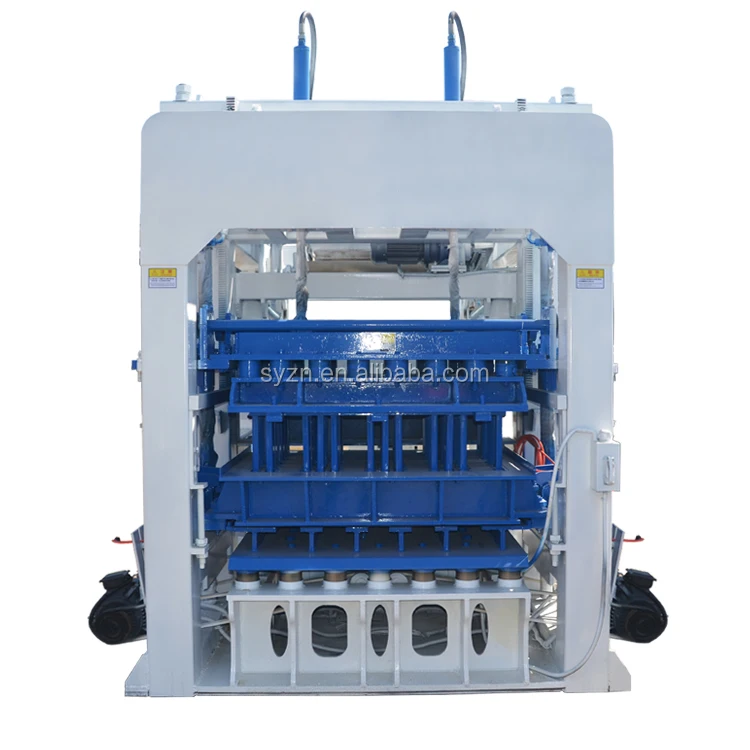
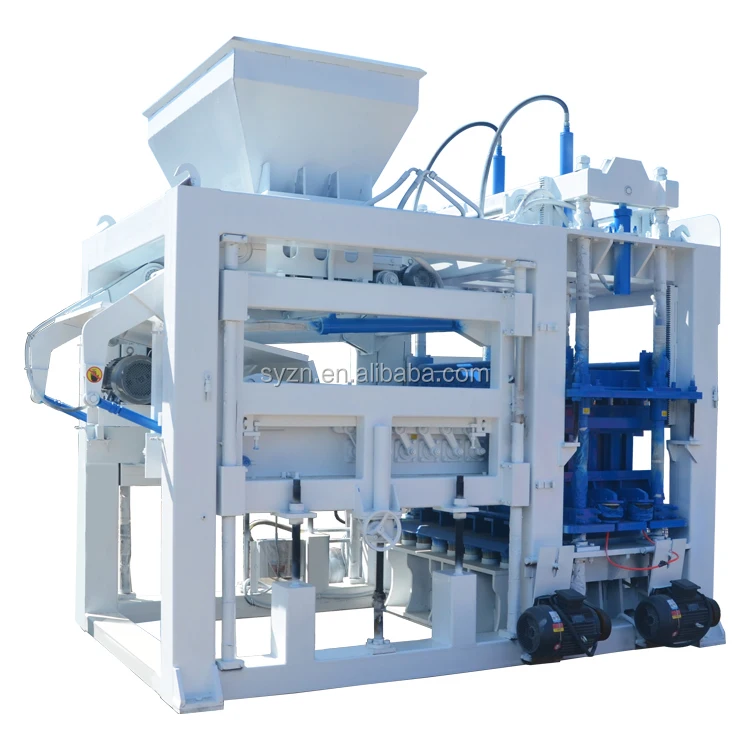
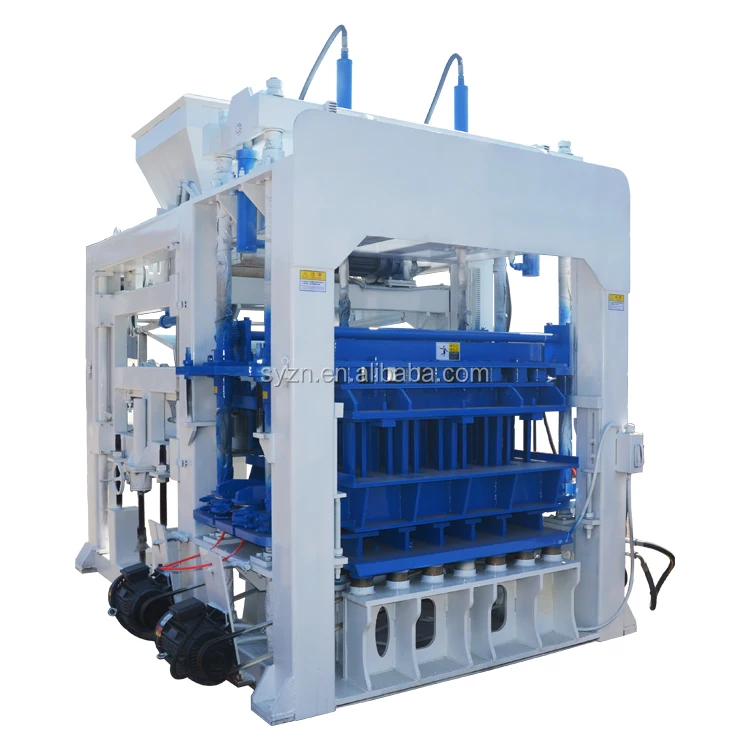
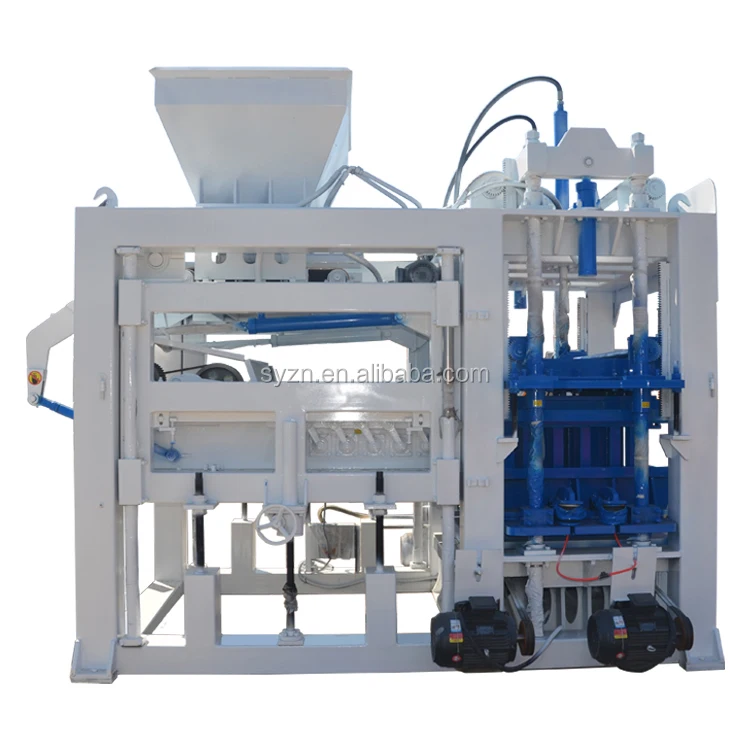
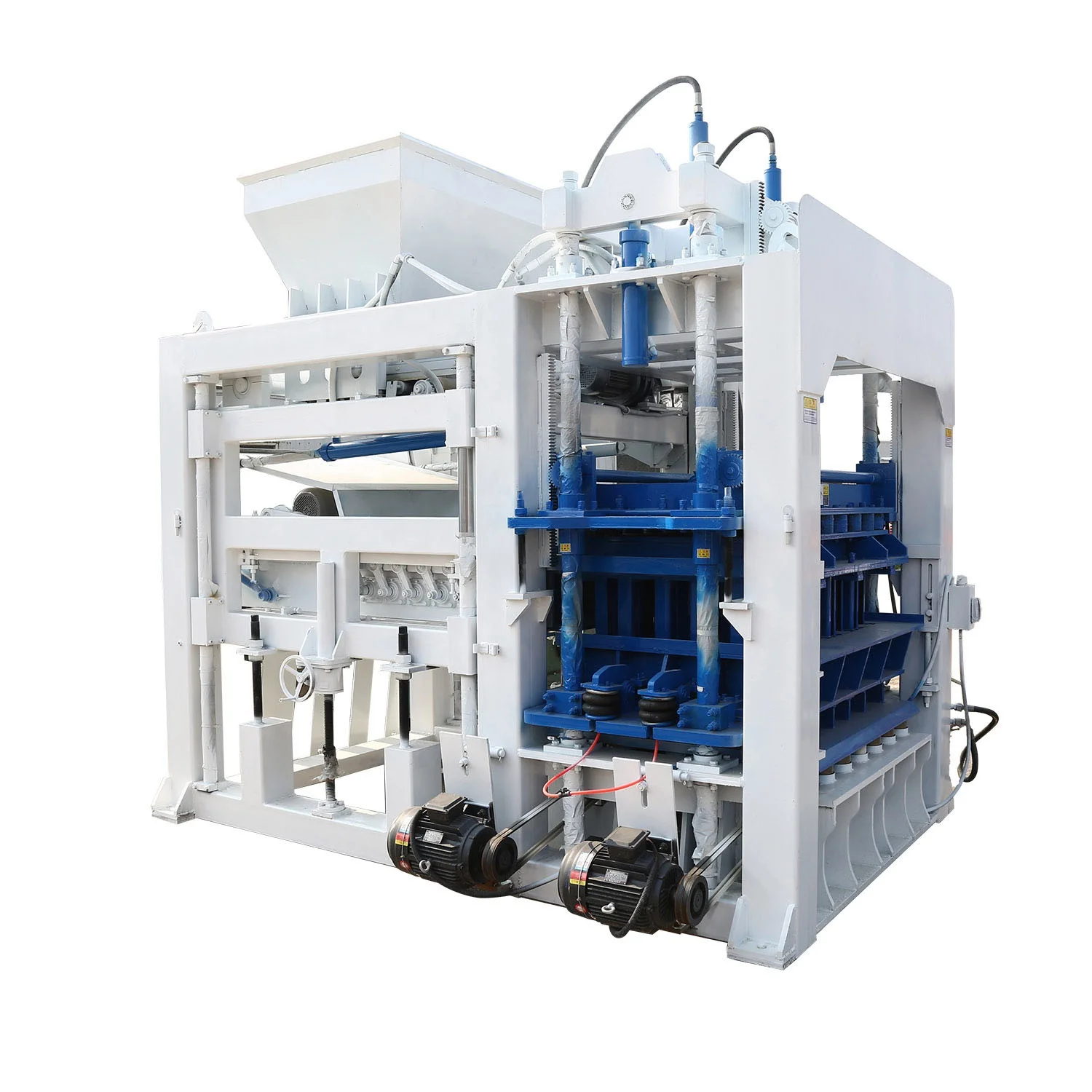
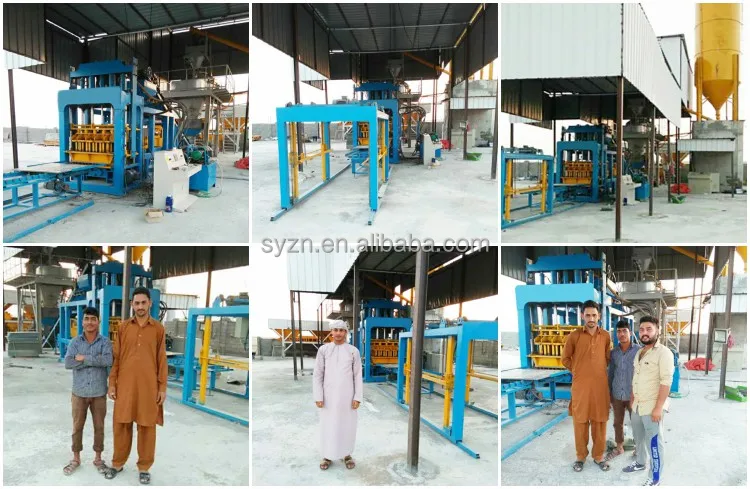
Description
Stocked QT10-15 block machines ship with standard moulds and a confirmed dispatch date, not a catalogue estimate — arrival timing quoted at order so your crew is ready when the container clears port.
Technical Specifications
| Parameter | Value |
|---|---|
| Model | QT10-15 |
| Product Type | Automatic Hydraulic Concrete Block Making Machine |
| Moulding Cycle | 15–20 s for hollow/solid blocks, 20–25 s for pavers (format-dependent) |
| Output Capacity | 1800–2400 pcs/hour based on 400×200×200 mm hollow block, 10 pcs/mould |
| Output Capacity | 2160–2880 pcs/hour based on 400×150×200 mm hollow block, 12 pcs/mould |
| Output Capacity | 8928–11 160 pcs/hour based on 240×115×53 mm solid brick, 62 pcs/mould |
| Output Capacity | 5184–6480 pcs/hour based on 200×100×60 mm paving block, 27 pcs/mould |
| Output Capacity | 4032–5040 pcs/hour based on 225×112.5×60 mm interlocking/paving block, 24 pcs/mould |
| 8-Hour Shift Output | 14 400–19 200 pcs (400×200×200 mm hollow block) |
| 8-Hour Shift Output | 17 280–23 040 pcs (400×150×200 mm hollow block) |
| 8-Hour Shift Output | 71 424–89 280 pcs (240×115×53 mm solid brick) |
| 8-Hour Shift Output | 41 472–51 840 pcs (200×100×60 mm paving block) |
| 8-Hour Shift Output | 32 256–40 320 pcs (225×112.5×60 mm interlocking/paving block) |
| Control System | PLC control cabinet |
| Hydraulic System | Independent integrated hydraulic station isolated from host vibration and dust |
| Automation Level | Automatic (pallet feed machine and PLC control) |
| Components Included | Pallet feed machine, block making machine, storage hopper, conveyor, hydraulic unit, PLC cabinet |
| Mould Change | Simple mould replacement to adjust production format (time basis not stated in source) |
| Voltage & Frequency | Configurable to destination — confirm before order |
| Warranty | 1 year for the whole machine (excluding spare parts) |
| Certification | CE (verify per machine) |
Application Suitability
| Application | Material or Output |
|---|---|
| Hollow block production (400×200×200 mm and 400×150×200 mm) | Crushed stone, cement, sand, fly ash blends |
| Solid brick production (240×115×53 mm) | Dense aggregate and cement mixes |
| Paving block production (200×100×60 mm and 225×112.5×60 mm) | Fine aggregate with colour pigments |
| Interlocking brick production | Local laterite, crushed granite, cement |
| Multi-cellular brick production | Lightweight aggregate or aerated concrete |
| On-site housing project supply | Contractor-run mobile yards at construction phase |
Why "Arrival Next Month" Means Nothing Without the Electrical Details
A QT10-15 automatic block machine fast delivery only matters if the electrical cabinet matches the site voltage the day it is unpacked.
I once loaded a press for a West African housing project on a tight build schedule. Machine arrived on time, but the local grid was 415 V / 50 Hz and the cabinet had been wired for 380 V. The crew stood idle while replacement contactors and breakers shipped in — three weeks of penalties and frustrated masons. Since then every QT10-15 automatic block machine fast delivery order I schedule leaves with the destination voltage and frequency confirmed in writing before the container is sealed. [NEED_CITE: voltage and frequency standards by export market]
Dispatch Lead Time Is the Only Lead Time That Counts
Stock and delivery is the whole point here. The QT10-15 block machine sits in our yard with standard mould sets for the formats most projects order first — hollow blocks and pavers. When a buyer needs a housing milestone met or a distributor needs a replacement line running before the rainy season, the conversation starts with "which models are on the floor today" rather than "when will production finish." That is the angle we work from: a confirmed dispatch date at order, not an estimate that shifts with the factory schedule.
Container Loading and Dismantling Before the Ship Sails
The QT10-15 automatic block machine fast delivery promise rests on how the press is broken down for the container. [NEED_CITE: standard container dimensions for heavy machinery shipment] Main frame, hydraulic station, PLC cabinet and pallet feed unit travel as separate secured packages with packing photographs taken before the doors close. The loading plan names each component and its container position, so the receiving crew can stage reassembly in the correct sequence. Arrival estimates are quoted upfront based on destination port and shipping route, so the buyer can book crane hire and foundation curing around a real date.
What the Cycle Time Figures Actually Mean on Site
The 15–20 second cycle for hollow and solid blocks and the 20–25 second cycle for pavers are not abstract numbers — they determine how many pallets move through the press in a shift and therefore how large the curing yard must be. A buyer running the 400×200×200 mm hollow block at 10 pcs per mould will see 1800–2400 blocks per hour, which over an eight-hour shift translates to 14 400–19 200 blocks. That figure drives pallet count, forklift cycles and stacking labour. The independent hydraulic station sits apart from the press vibration, keeping valve response consistent across long runs rather than drifting as dust and shock load the system. Pallet size and material, however, must match the curing area and the forklift already on site — a mismatch here stalls the line faster than any mechanical fault.
The Cost of Skipping the Dispatch Checklist
A machine that ships fast but arrives wrong costs more than a machine that ships a week late and runs the first day. [NEED_CITE: CE machinery directive requirements for industrial equipment] Voltage mismatches, missing PLC language files, pallet sizes that do not fit the buyer’s existing racks, and moulds for a block format the local market does not buy — each one of these turns a fast delivery into a delayed commissioning. The hidden cost is never the shipping surcharge; it is the idle crew, the penalty clause and the buyer who starts looking at competitors before the line is even running.
What Stock and Delivery Looks Like Here
Single-focus block machinery supplier means the press, mould, pallet and handling equipment are specified as one matched system — not assembled from separate vendors who each have their own lead time. Standard moulds for common block formats are stocked alongside the press, so the first production run does not wait on a tooling order. Configuration is set against the buyer’s actual mix design and local aggregate rather than a catalogue default, which prevents the costly material substitution that stalls commissioning. Dispatch lead time is confirmed in writing at order, and container loading plans with packing photographs are shared before shipment. Customs documentation support is included so the container clears the destination port without paperwork holding it on the quay.
Documentation & Verification
- Factory test record running the buyer’s target block format before dispatch
- Machine specification sheet with confirmed voltage, frequency and PLC language
- Mould drawing and format list showing stocked and custom options
- Packing photographs taken at container loading with component identification
- Voltage and control language confirmation form signed before shipment
- Customs documentation set prepared for destination port clearance
Installation, Commissioning & Support
- Foundation drawing supplied matching the QT10-15 overall footprint and load points
- Independent hydraulic station positioned away from press vibration per layout plan
- PLC cabinet commissioned with confirmed display language and voltage rating
- Mould change procedure walked through on the buyer’s first production format
- Pallet feed machine aligned to the curing rack system already on site
- Wear parts list and first replacement schedule handed over at commissioning
What to Send With Your Inquiry
Tell us the block format your market sells, the daily volume your project timeline demands, and the destination port. Confirm the local voltage, frequency and the PLC display language your operators read. If you already have pallets, forklifts and curing racks on site, share their dimensions so the line is specified around what is already there — that is what turns a QT10-15 automatic block machine fast delivery into a fast start.
Frequently Asked Questions
Q: What dispatch lead time applies to a stocked QT10-15 with standard moulds?
A: Stocked units with standard hollow block and paver moulds carry a confirmed dispatch date quoted at order confirmation. The exact number of days depends on the destination documentation package and container slot availability, both locked in before the machine leaves the yard.
Q: How is the QT10-15 dismantled for container loading?
A: The main frame, independent hydraulic station, PLC cabinet and pallet feed unit are separated and secured individually. A loading plan identifies each component’s container position, and packing photographs are shared with the buyer before the doors are sealed.
Q: What arrival estimate can I expect at my destination port?
A: Arrival estimates are quoted upfront based on the destination port and shipping route at the time of order. This gives the buyer a working date to plan crane hire, foundation readiness and crew mobilisation around.
Q: Are standard moulds for my block format stocked or made to order?
A: Common formats — 400×200×200 mm and 400×150×200 mm hollow blocks, 200×100×60 mm pavers — are typically stocked. Custom formats are built to buyer drawings and their lead time is confirmed separately at inquiry.
Q: What customs and shipping documentation is provided?
A: The shipment includes the commercial invoice, packing list, bill of lading and CE declaration where applicable. Additional destination-specific documents are prepared as part of the customs documentation support included with every order.