Description
Dispatch-Ready Configuration — QT4-15A block machines leave our yard with pallet size, hydraulic pressure, and control language matched to the buyer’s site, not left to chance at the port.
Technical Specifications
| Parameter | Value |
|---|---|
| Model | QT4-15A |
| Product Type | Fully Automatic Concrete Brick Making Machine |
| Overall Dimensions (L×W×H) | 4100×1600×2600 mm |
| Rated Pressure | 16-21 MPa |
| Main Vibration Form | Platform Vibration |
| Vibration Frequency | 4200 r/min |
| Vibration Force | 55 kN |
| Pallet Size | 880×550 mm |
| Molding Cycle | 25-30 s (basis not stated in source — confirm block format) |
| Overall Power | 18.45 kW |
| Total Mass | 4 T |
| Demolding Method | Hydraulic |
| Factory Area | 300 m² |
| Container Loading | 1×40HQ (basic equipment) |
| Warranty | 1 Year |
Application Suitability
| Application | Material or Output |
|---|---|
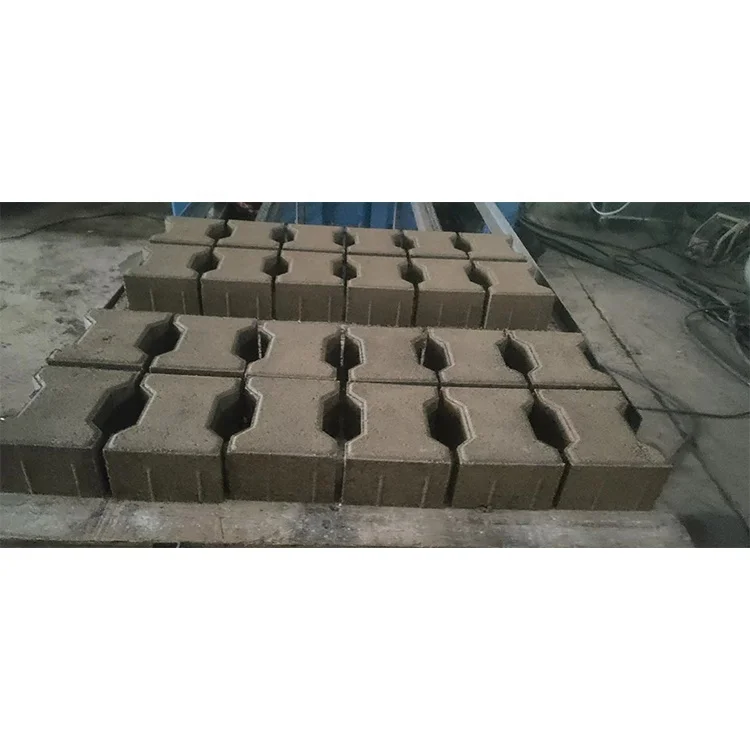
| Hollow Block Production | Crushed stone, sand, cement, fly ash |
| Solid Block Manufacturing | Gravel, slag, dust, cement |
| Paving Block & Interlocking Paver | Colored aggregates, cement, sand |
| Curbstone & Kerbstone | Heavy aggregate mix, cement |
| On-Site Project Production | Local aggregate blended with cement |
Why Voltage Confirmation Must Happen Before the Container Is Sealed
Arriving with the wrong voltage is a preventable delay that turns a fast delivery into a stalled project.
When a QT4-15A block machine in stock ships to a region with 415V/50Hz industrial supply but the motor is wound for 380V, the machine cannot run until a local electrician rewires or replaces the transformer. That rewrite takes time the project schedule did not allocate [NEED_CITE: voltage and frequency standards by export market]. I have watched containers arrive on schedule only for the machine to sit idle while the buyer scrambles to source compatible components locally.
The dispatch advantage of buying a stocked unit disappears if the electrical configuration is assumed rather than confirmed. Every order we load now goes through a final voltage, frequency, and PLC panel language check before the container doors close. The QT4-15A block machine in stock is no exception — the spec sheet and the actual wired machine must agree before it leaves the yard.
Stock Availability That Matches Your Project Deadline
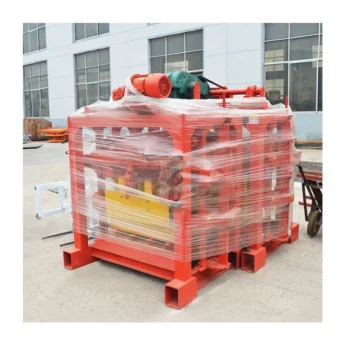
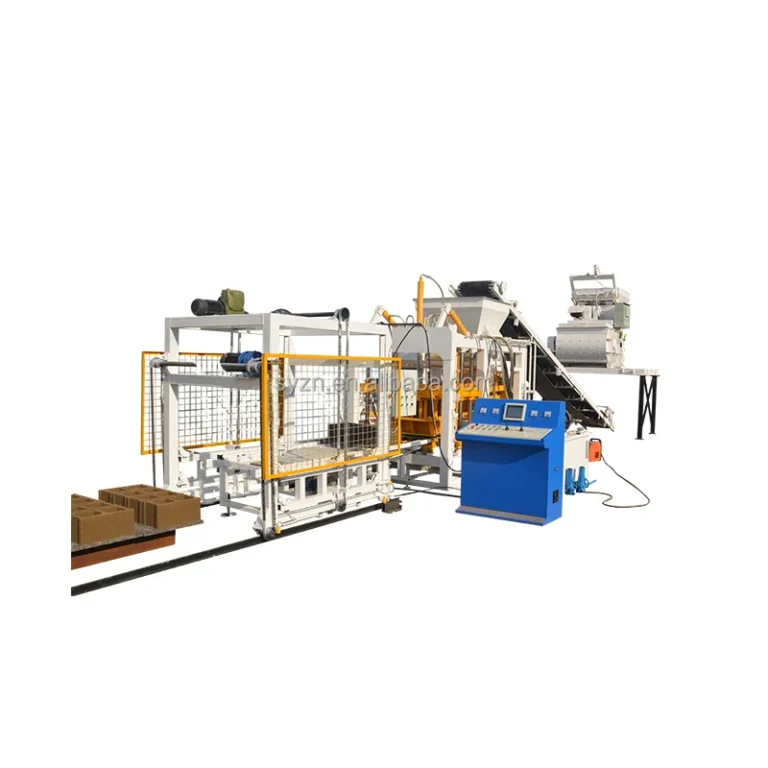
Buyers working against a construction milestone need arrival dates, not production schedules. The QT4-15A block machine in stock is held in a standard configuration that fits a 40HQ container, meaning the lead time is measured in days for dismantling and loading rather than weeks for manufacturing. The overall dimensions of 4100×1600×2600 mm dictate how the frame and hydraulic station are broken down for transit, and that dismantling plan is established before the order is confirmed.
This model sits in the mid-tier output range, suitable for contractors producing hollow blocks and pavers on a housing project or distributors replenishing a regional customer base. The key is that the buyer knows what is arriving and when, without waiting for a production slot to open.
Container Loading and What Actually Arrives on Site
A 40HQ container holds the press, hydraulic station, and a standard mould set, but the scope of what else goes inside that container needs to be explicit before dispatch. Pallet handling equipment, stacking systems, and curing racks may or may not share that same load, depending on the configuration agreed at order. The 4 T total mass and the breakdown of components determine how the machine is secured for ocean freight [NEED_CITE: container loading standards for heavy industrial machinery].
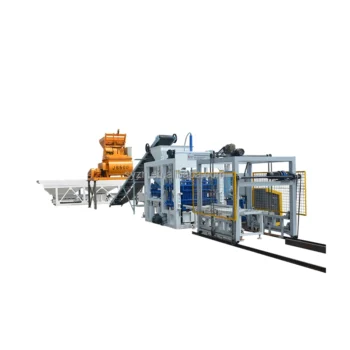
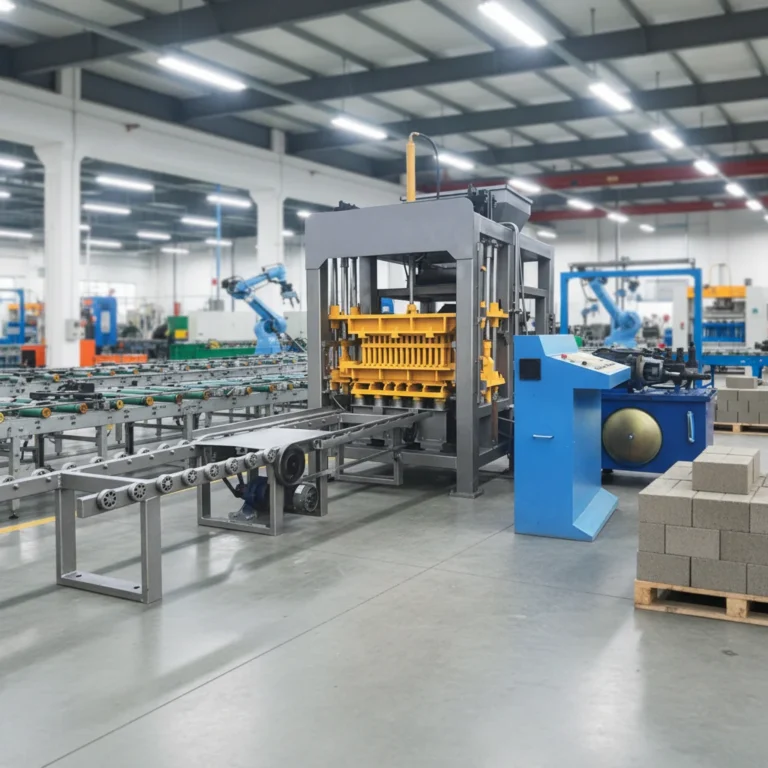
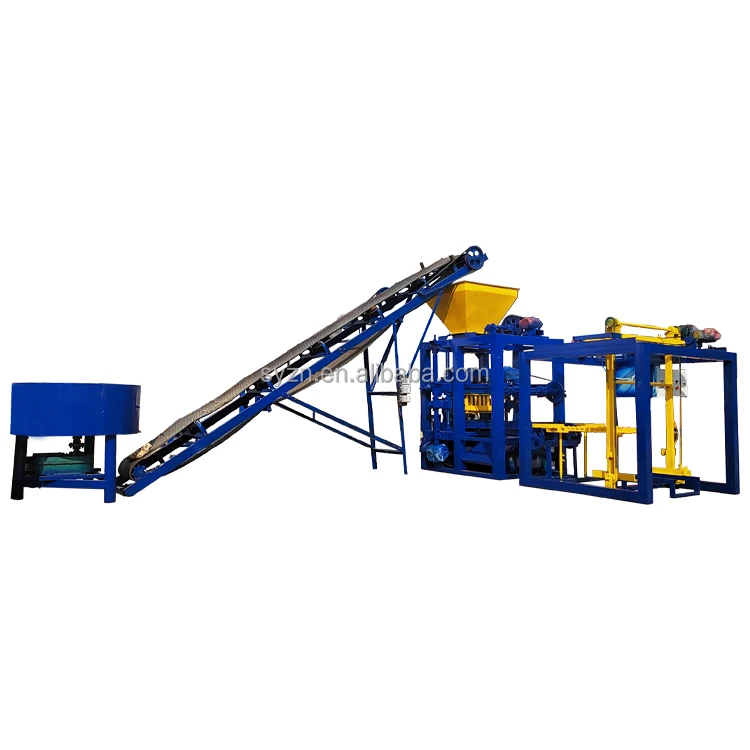
Buyers who assume the entire line fits in one container sometimes find that critical stations like the mixer or the automatic stacker are quoted separately and arrive on a second shipment. Confirming the packing list against the line layout before the container is sealed prevents that gap.
Matching Pressure and Vibration to the Block You Actually Sell
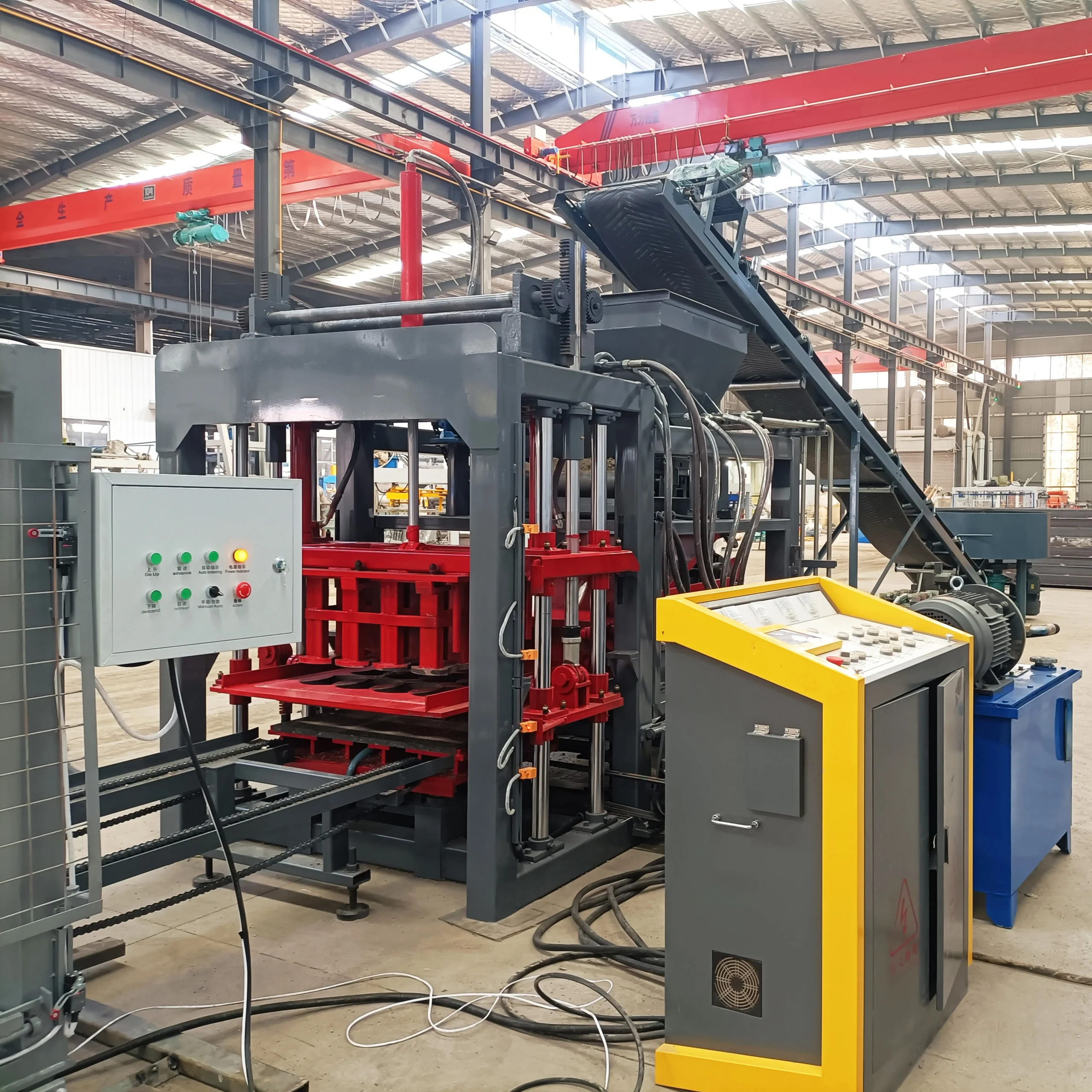
The 16-21 MPa rated hydraulic pressure and 55 kN vibration force work together during the compaction phase. Hydraulic pressure provides the static force that squeezes the mix into the mould cavity, while the platform vibration at 4200 r/min settles the aggregate particles into a dense arrangement. If the vibration force is too low for a coarse aggregate mix, the block emerges with voids and inconsistent strength. If the pressure is insufficient for a thin-walled hollow block, the walls crack during demolding.
The 880×550 mm pallet size determines the block layout per cycle and must align with the buyer’s existing curing racks and forklift capacity. A pallet that does not fit the curing area forces the buyer to rebuild the yard layout after the machine arrives. The 25-30 s molding cycle is a starting point — actual cycle time depends on block thickness, mix consistency, and the vibration duration required for adequate compaction.
The 18.45 kW overall power draw covers the hydraulic pump, vibration motor, and control system running simultaneously, which informs the electrical supply capacity the site must provide.
The Cost of Skipping Pallet and Curing Area Verification
A buyer who accepts the standard 880×550 mm pallet without checking against their curing racks discovers after arrival that the pallets do not stack properly in the existing yard. The forklift tines may be too narrow for the pallet runners, or the curing rack slots may be dimensioned for a different pallet standard. That mismatch means buying new racks or handling blocks manually while a solution is arranged [NEED_CITE: pallet handling compatibility in block production plants].
The molding cycle quoted without a stated block format can also mislead. A 25-second cycle for a thin paver is realistic; that same cycle for a 200 mm hollow block may produce under-compacted output. Without confirming the format assumption, the daily output figure in the quotation becomes unreliable.
What Makes This a Matched System Rather Than Assembled Components
The QT4-15A ships with the mould, pallet specification, and hydraulic station configured as a single package. The vibration force and hydraulic pressure are set against each other at the factory, not left for the buyer to balance during commissioning.
Moulds are selected or designed for the block formats the buyer’s market actually purchases, rather than defaulting to a catalogue standard. The pallet size and material are confirmed against the buyer’s curing area and handling equipment before the order is finalized.
Dispatch timing is stated upfront based on actual stock position, not an estimated production window. Voltage, frequency, and PLC display language are confirmed before the container is sealed, so the machine can be powered up on site without electrical modification.
Factory testing covers the full cycle with the agreed mould installed, and the test record accompanies the shipment so the buyer can verify performance against the specification before the machine leaves.
Documentation & Verification
- Factory test record run with your specified mould and block format before dispatch
- Voltage, frequency, and PLC language confirmation sheet signed before container loading
- Hydraulic and electrical schematic matching the as-built configuration
- Packing photographs showing dismantling arrangement and securing method inside the 40HQ
- Operation and maintenance manual with wear parts list and mould change procedure
Installation, Commissioning & Support
- Foundation must support 4 T total mass across the 4100×1600 mm footprint within the 300 m² factory area
- Dedicated electrical circuit required for the 18.45 kW overall power at confirmed voltage and frequency
- Machine arrives dismantled for 40HQ transit with reassembly sequence documented in the packing photographs
- First commissioning run uses the agreed mould to verify 16-21 MPa pressure and platform vibration settings
- Operator training covers mould change procedure and hydraulic system daily checks
- Wear parts list and hydraulic seal kit identified for first scheduled replacement
What to Include in Your Inquiry
To confirm whether this stocked configuration fits your project, share the block format you need to produce, the daily output target tied to that specific format, and your site’s voltage and frequency. Let us know what curing racks and forklifts you already have so the 880×550 mm pallet can be verified against them. If supporting equipment like the mixer or stacker is needed, specify what is already on site so the 40HQ load can be scoped accurately.
Frequently Asked Questions
Q: What is the dispatch lead time from order confirmation to port of loading?
A: The QT4-15A is held in stock, so once the voltage, frequency, and pallet configuration are confirmed against your site requirements, the machine is dismantled and loaded into the 40HQ container. That process typically takes several working days rather than the weeks required for a built-to-order unit, giving buyers on a project deadline a reliable arrival estimate.
Q: Which block formats and moulds are included in the standard 40HQ shipment?
A: The standard shipment includes the press and one mould set configured for a specific block format agreed at order — whether hollow block, solid block, or paver. Additional moulds can share container space if dimensions allow, but the primary mould must be identified before dispatch so the factory test can run your actual format.
Q: What voltage and frequency is the stocked machine configured for, and can it be changed before dispatch?
A: The machine in stock is held in a common industrial configuration, but the motor wiring and transformer must match your site’s exact voltage and frequency before loading. We confirm this along with the PLC display language before the container is sealed, so no electrical modification is needed on arrival.
Q: Are pallets, stacking equipment, and curing racks included in the container load?
A: The basic 40HQ load covers the press, hydraulic station, and standard mould. Pallets, automatic stackers, and curing racks are additional line stations that may require separate shipment depending on the container space available. The packing list is confirmed at order so you know exactly what arrives in the first container.
Q: How is the machine dismantled for shipment and what is required on site to reassemble?
A: The 4100×1600×2600 mm frame is broken into sections that fit the 40HQ container, with the hydraulic station and vibration platform secured separately. On site, a crane rated for the component weights and the foundation prepared across the 300 m² area are the primary requirements for reassembly, documented in the packing photographs provided.