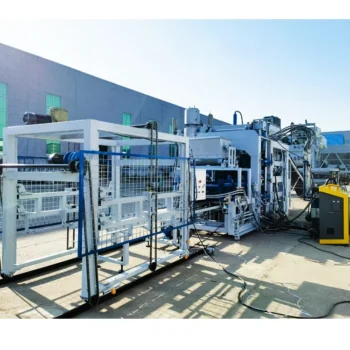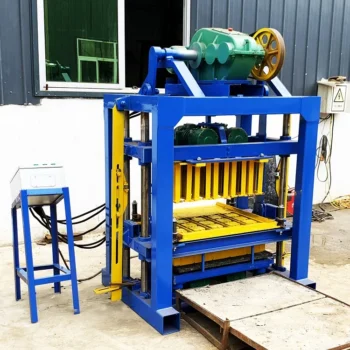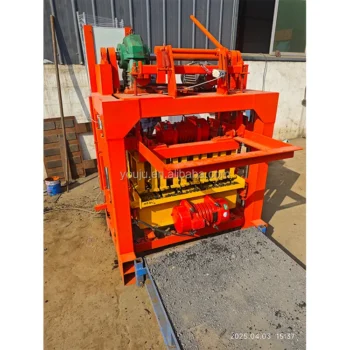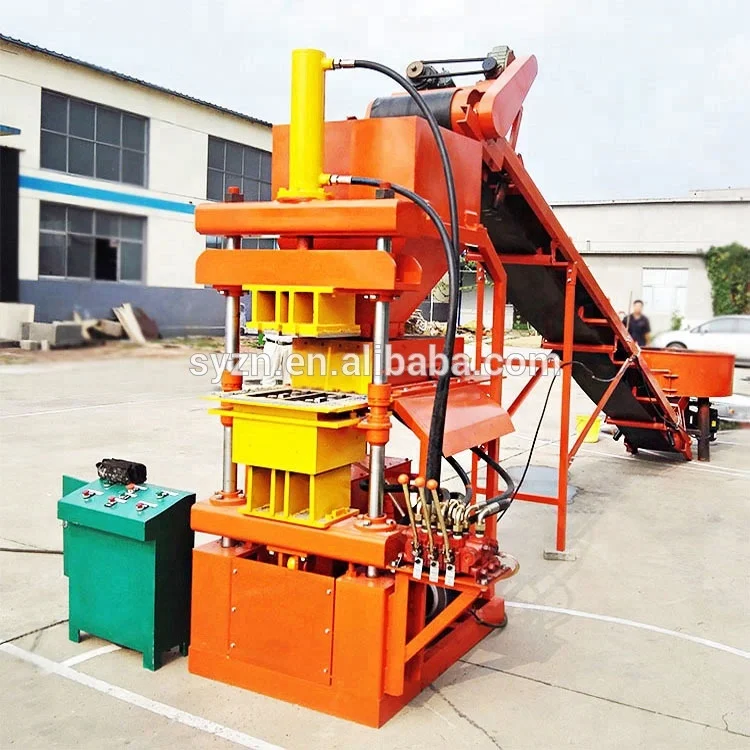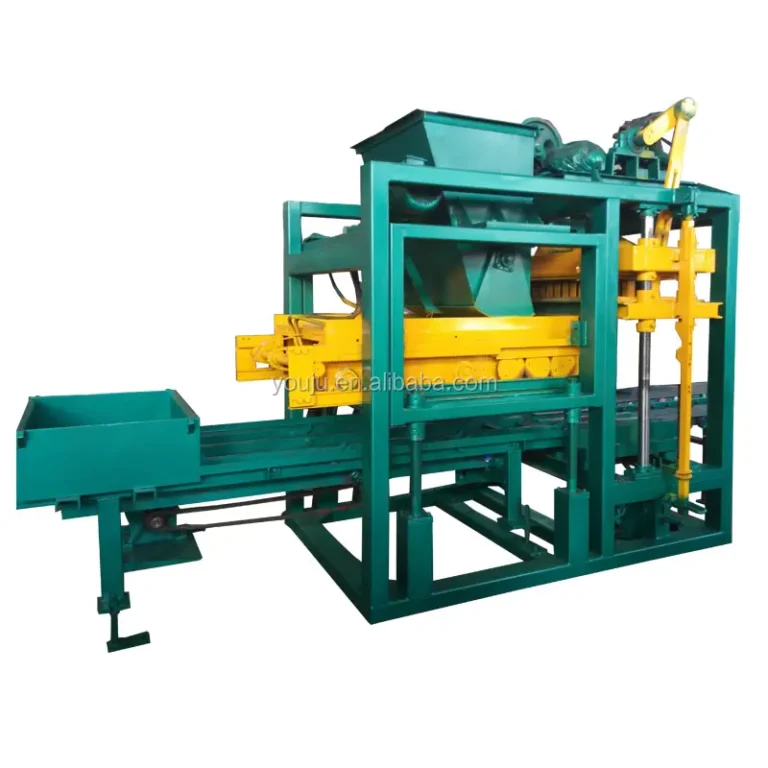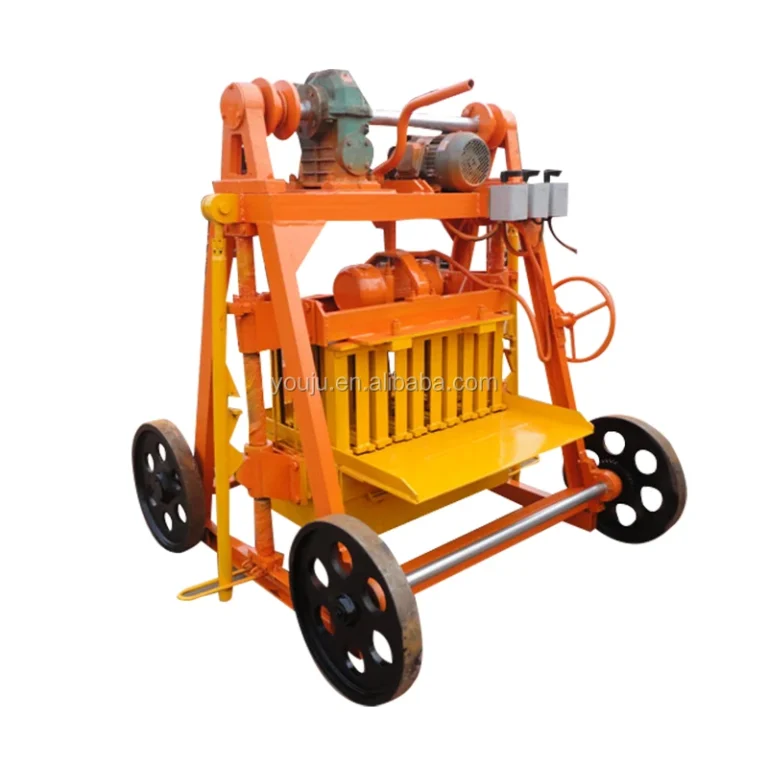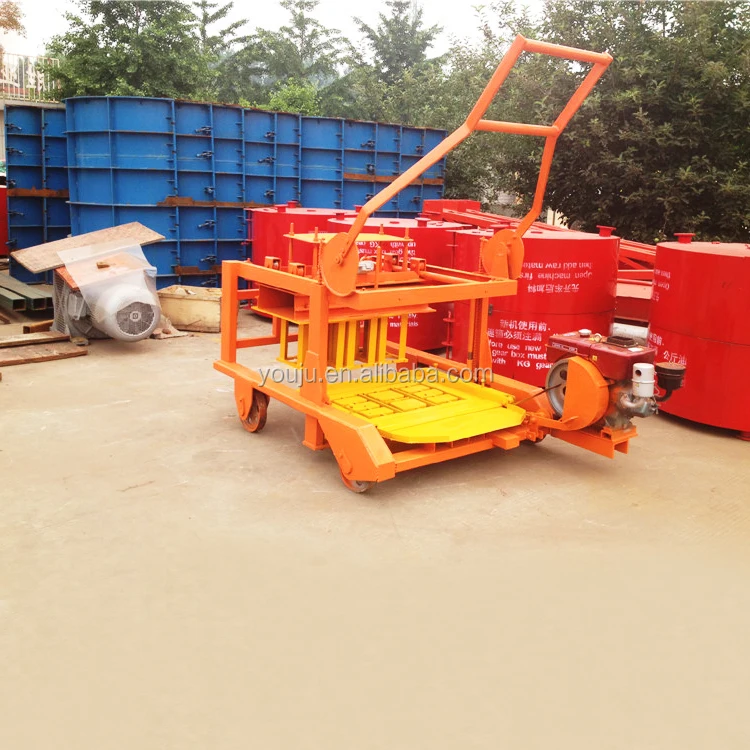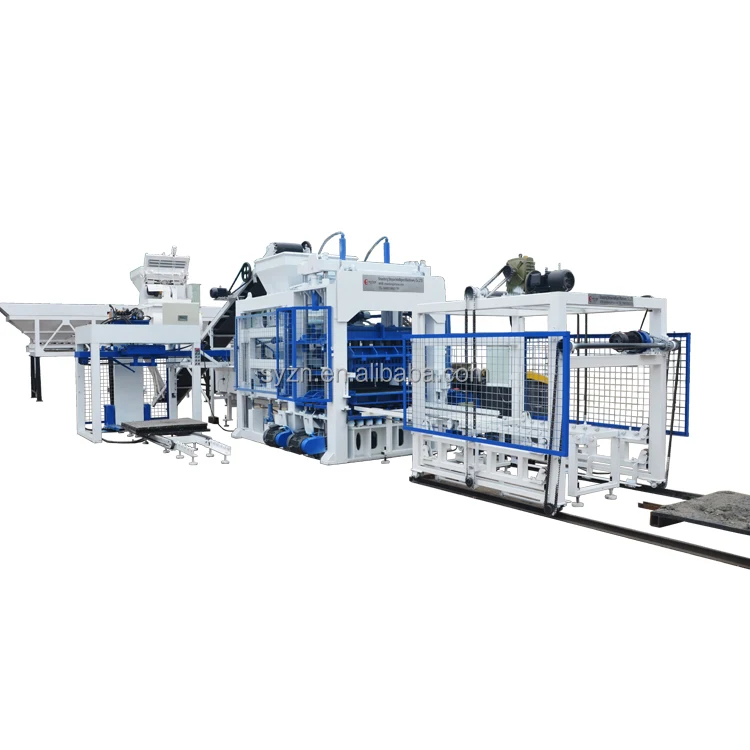
Description
Stock readiness — the QT10-15 stationary block machine is held in inventory and prepared for container loading, with dispatch timelines quoted before payment so your project schedule stays intact.
Technical Specifications
| Parameter | Value |
|---|---|
| Model | QT10-15 |
| Product Type | Stationary Fully Automatic Hydraulic Concrete Block Making Machine |
| Control System | PLC control cabinet |
| Hydraulic System | Independent integrated hydraulic station |
| Automation Level | Fully automatic |
| Machine Type | Stationary (vertical vibration, resonance mode) |
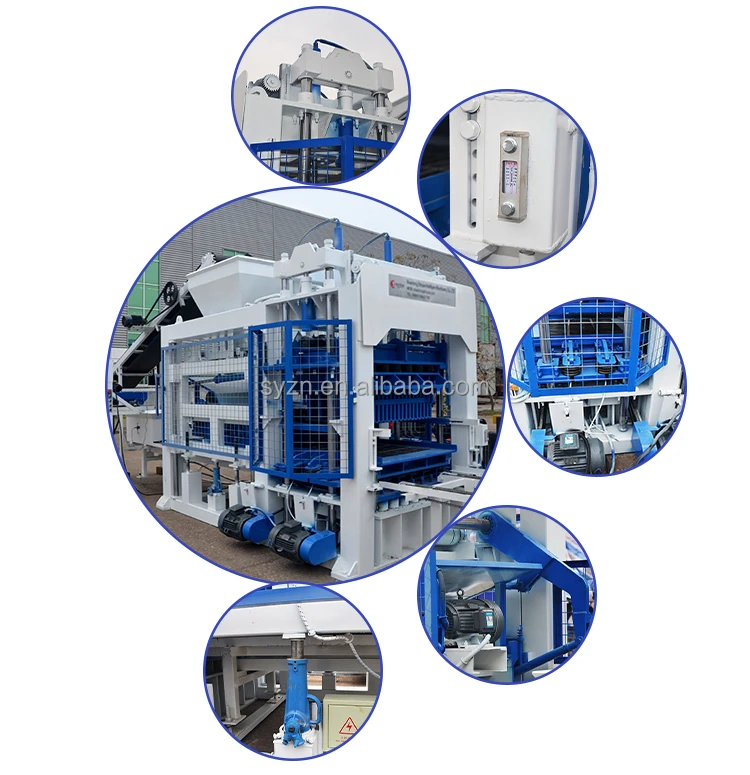
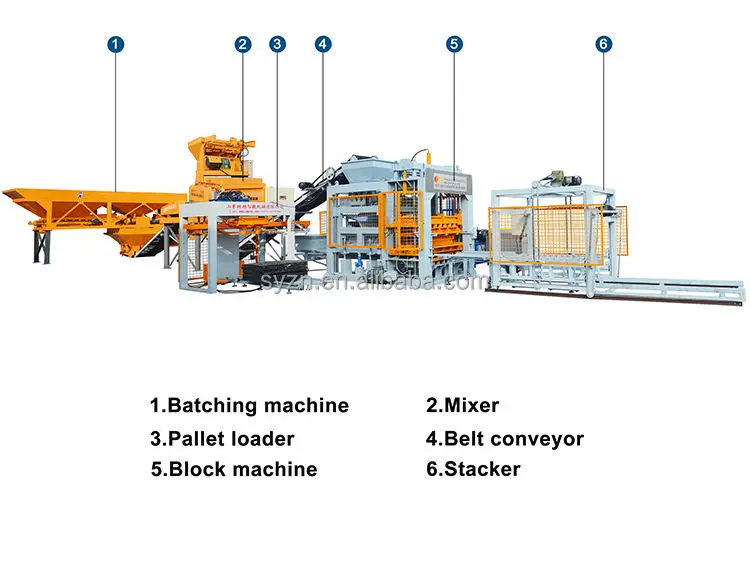
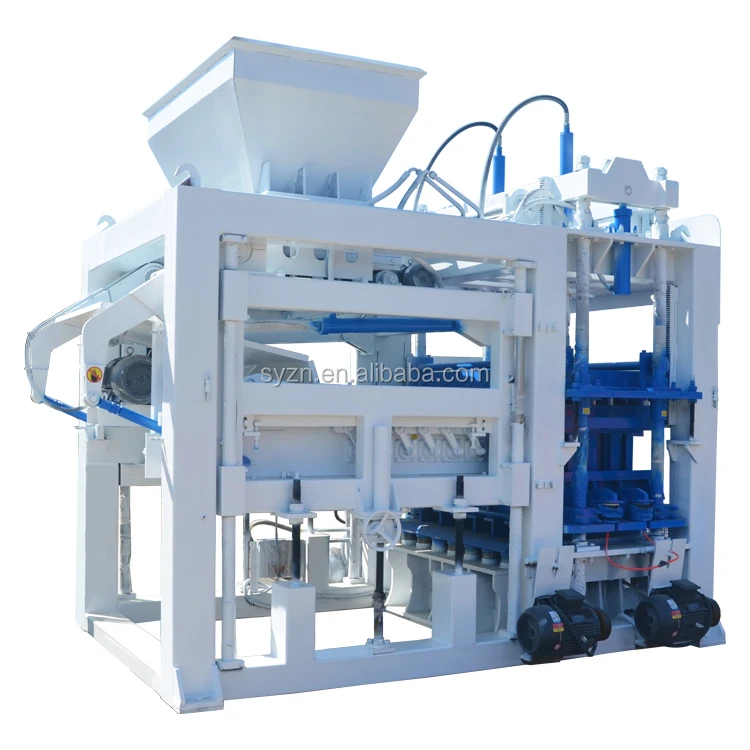
| Component List | Pallet feed machine, block making machine, storage hopper, conveyor, hydraulic unit, PLC control cabinet |
| Mould Change | Simple replacement for multi-format production |
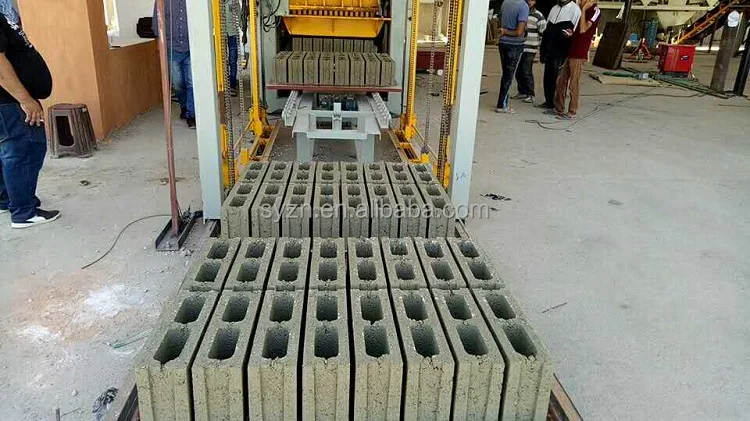
| Output Capacity (Hollow Block 400×200×200mm) | 1,800–2,400 pcs/h based on 10 pcs/mould, 15–20s cycle |
| Output Capacity (Hollow Block 400×150×200mm) | 2,160–2,880 pcs/h based on 12 pcs/mould, 15–20s cycle |
| Output Capacity (Solid Brick 240×115×53mm) | 8,928–11,160 pcs/h based on 62 pcs/mould, 15–20s cycle |
| Output Capacity (Paving Block 200×100×60mm) | 5,184–6,480 pcs/h based on 27 pcs/mould, 20–25s cycle |
| Output Capacity (Interlocking Block 225×112.5×60mm) | 4,032–5,040 pcs/h based on 24 pcs/mould, 20–25s cycle |
| Cycle Time (Hollow Block) | 15–20s |
| Cycle Time (Paving / Interlocking Block) | 20–25s |
| Rated Power | (basis to be confirmed) |
| Voltage & Frequency | (basis to be confirmed) |
| Overall Dimensions (L×W×H) | (basis to be confirmed) |
| Net Weight | (basis to be confirmed) |
| Pallet Size | (basis to be confirmed) |
| Hydraulic Pressure | (basis to be confirmed) |
| Vibration Force | (basis to be confirmed) |
| Mould Change Time | (basis to be confirmed) |
| Stacking Method | (basis to be confirmed) |
| PLC Display Language Options | (basis to be confirmed) |
| Warranty | 1 year for the whole machine (excluding spare parts) |
| Assembly State | (basis to be confirmed) |
Application Suitability
| Application | Material or Output |
|---|---|
| Hollow block production | Crushed stone, sand, cement, fly ash aggregate mixes |
| Standard solid brick production | Dense aggregate blends for load-bearing masonry units |
| Paving brick production | High-density concrete mixes for interlocking pavers |
| Multicellular and interlocking brick production | Varied aggregate grades for structural and decorative blocks |
Why Voltage Confirmation Must Precede Container Loading
A QT10-15 stationary block machine in stock fast delivery means nothing if the motor wiring does not match your site grid.
I spent years moving from assembly bay to commissioning sites, and the most costly delays I have witnessed were never mechanical. One fully automatic hydraulic block press shipped to West Africa with a 380V factory default arrived at a 415V site. The main pump motor burned on the first day. Air-freighted replacement parts took two weeks, and the contractor’s entire schedule collapsed. Every QT10-15 stationary block machine in stock fast delivery must leave the factory with voltage, frequency, and PLC language confirmed in writing against the buyer’s actual grid supply [NEED_CITE: voltage and frequency standards by export market].
Stock Status and Dispatch Readiness
The QT10-15 stationary block machine in stock fast delivery is staged for export packing, meaning the press, hydraulic station, pallet feed unit, and PLC cabinet are assembled, tested, and documented as a matched set. Buyers working against a housing project deadline or a distributor commitment need a confirmed dispatch date, not an estimated production window.
Container Loading and Machine Dismantling
Before any QT10-15 ships, the machine is broken down into transport modules sized for standard container dimensions. The hydraulic unit, pallet feed machine, and control cabinet are separated, secured, and wrapped to prevent transit damage. A detailed container loading plan and packing photographs are provided so you can arrange site unloading equipment before the vessel docks [NEED_CITE: CE machinery directive requirements for industrial equipment].
How Hydraulic Pressure and Vibration Shape Block Density
The independent integrated hydraulic station and vertical vibration system work together to compact the concrete mix inside the mould. Hydraulic pressure forces the aggregate into every cavity corner, while resonance-mode vibration settles fine particles and eliminates air voids. When these two forces are matched to the buyer’s local aggregate and mix design, the resulting blocks meet structural strength requirements consistently across every pallet cycle. If the vibration force and pressure are calibrated for a mix the buyer cannot source locally, block strength becomes unpredictable and rejection rates climb.
The Cost of Skipping Dispatch Verification
When a buyer rushes to ship without confirming pallet size against their existing curing racks and forklifts, the blocks arrive at site with nowhere to stack efficiently. Hand-stacking output from a fully automatic press defeats the purpose of the automation investment. Similarly, when the PLC display language is left at factory default, operators unfamiliar with that language make incorrect parameter adjustments during commissioning, producing out-of-spec blocks until the error is traced [NEED_CITE: industrial machinery commissioning delay causes].
Why Procurement Through This Channel Reduces Schedule Risk
This channel focuses exclusively on availability and arrival timing. Stocked QT10-15 configurations are listed with realistic dispatch lead times quoted upfront, so you can align machinery arrival with site readiness. Container loading plans and machine dismantling details are shared before payment, eliminating guesswork about what fits in which container. Factory test records and packing photographs are issued before the container seal is applied, giving you documented proof of machine condition at the point of departure.
Documentation & Verification
- Factory test record on your specified block format and cycle time before dispatch
- Packing photographs of each transport module before container seal
- Voltage, frequency, and PLC display language confirmation sheet signed off pre-shipment
- Machine specification sheet with component serial numbers and hydraulic schematic
- Operation and maintenance manual in confirmed language
- Customs documentation support including packing list and certificate of origin
Installation, Commissioning & Support
- Foundation requirements based on the QT10-15 overall dimensions and vibration load
- Dedicated electrical circuit sized for confirmed rated power and voltage
- Reassembly sequence with hydraulic line connection checklist and torque values
- First-run parameter setting on PLC for your local mix and target block format
- Operator training on mould change procedure and daily maintenance checkpoints
- Wear parts and mould inventory list with reorder lead times
What We Need Before Quoting Dispatch
To provide a confirmed arrival estimate, share your project start date, the voltage and frequency at your site, and the block formats you will produce first. Let us know whether your curing area and forklift are already in place so we can match pallet specifications accordingly.
Frequently Asked Questions
Q: Which QT10-15 configurations are currently in stock and ready to ship?
A: Availability shifts as orders are confirmed. Request the current stock list with your target block format and automation level, and you will receive a confirmed dispatch date alongside the container loading plan for the specific QT10-15 stationary block machine in stock fast delivery held in the yard.
Q: What is the dispatch lead time and how is arrival estimated?
A: Stocked units are prepared for container loading within a short lead time after voltage and language confirmation. Arrival is estimated based on the destination port, shipping route, and customs clearance norms, quoted before order placement so your project timeline remains intact.
Q: How is the machine dismantled and loaded into containers for shipment?
A: The hydraulic station, pallet feed machine, and PLC cabinet are separated from the main press frame, secured with steel bracing, and wrapped for ocean transit. A detailed loading diagram is shared with packing photographs so your port agent can plan unloading equipment in advance.
Q: What voltage and frequency options are available, and can the PLC language be set before dispatch?
A: Motor wiring and transformer taps are configured to match your site grid. The PLC display language is set and verified during the factory test so operators see familiar terminology from the first power-on at your facility.
Q: What documentation ships with the machine?
A: Each shipment includes a factory test record, packing list, machine specification sheet, hydraulic and electrical schematics, operation and maintenance manual, wear parts list, and customs documentation support tailored to your import requirements.