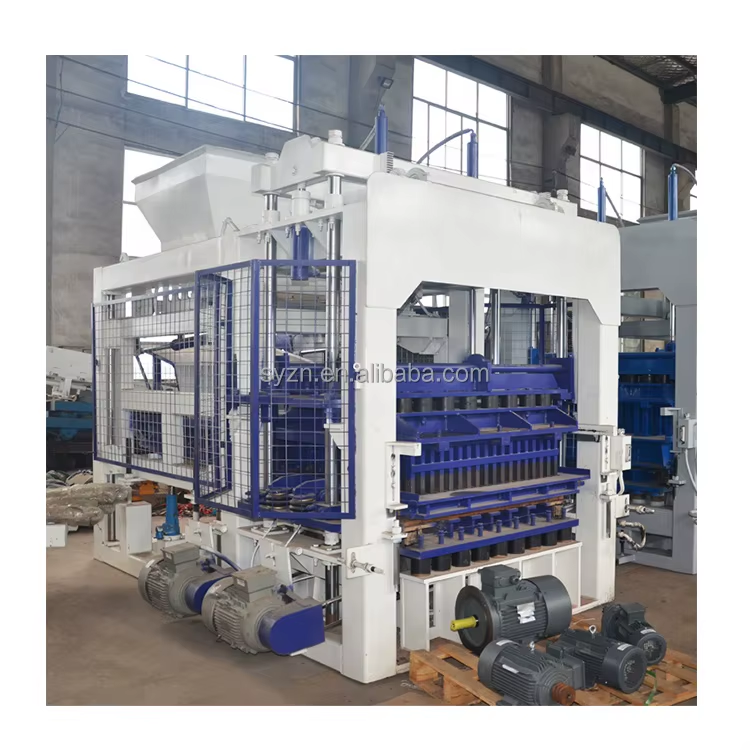
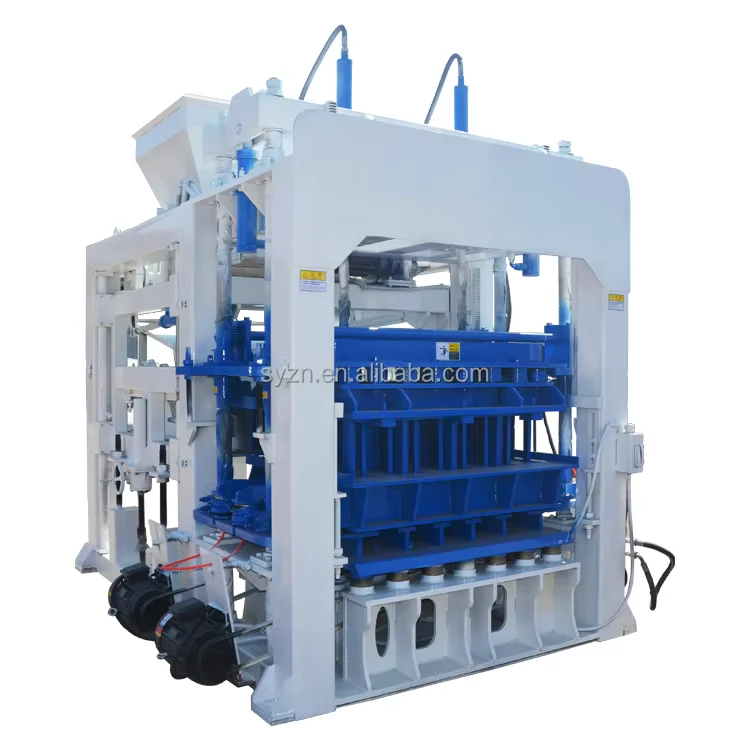
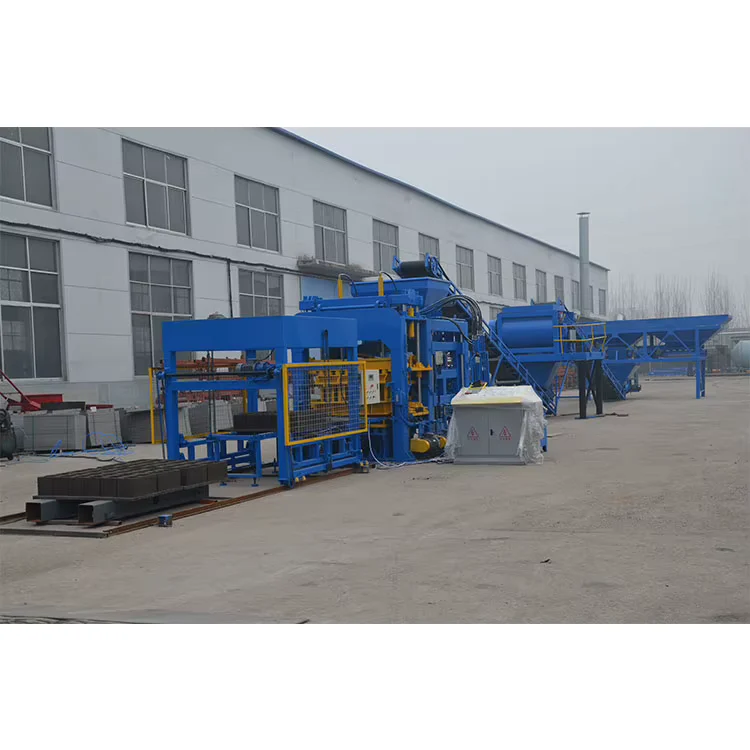

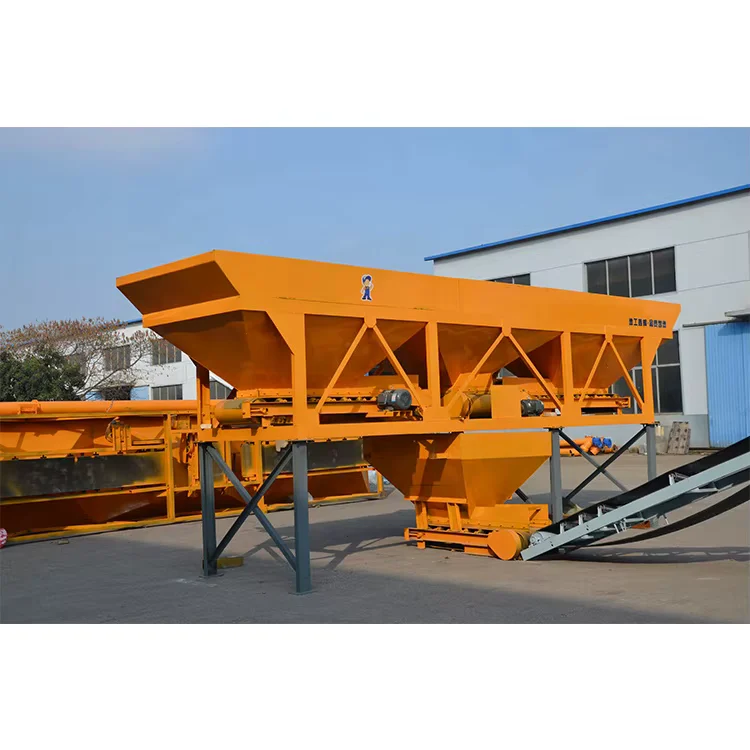
Description
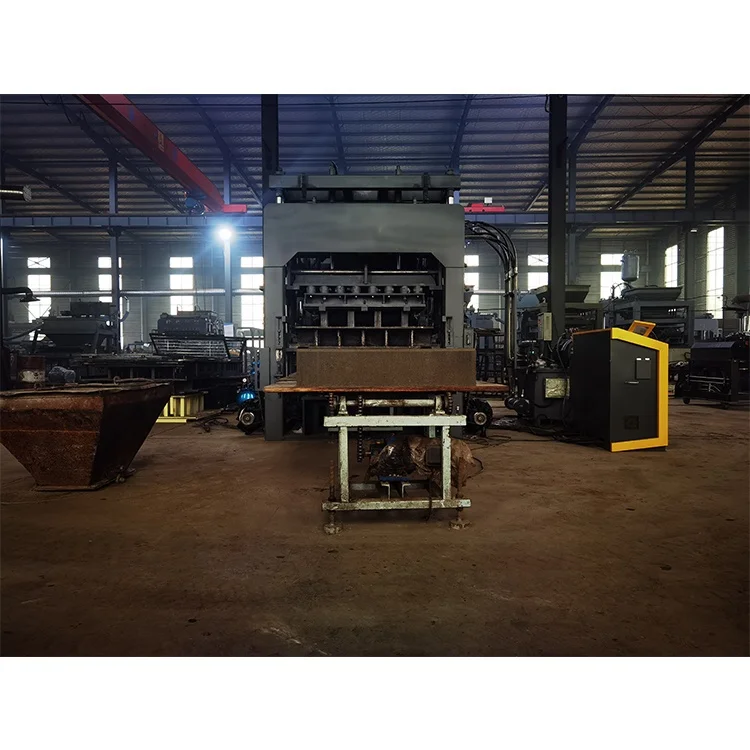
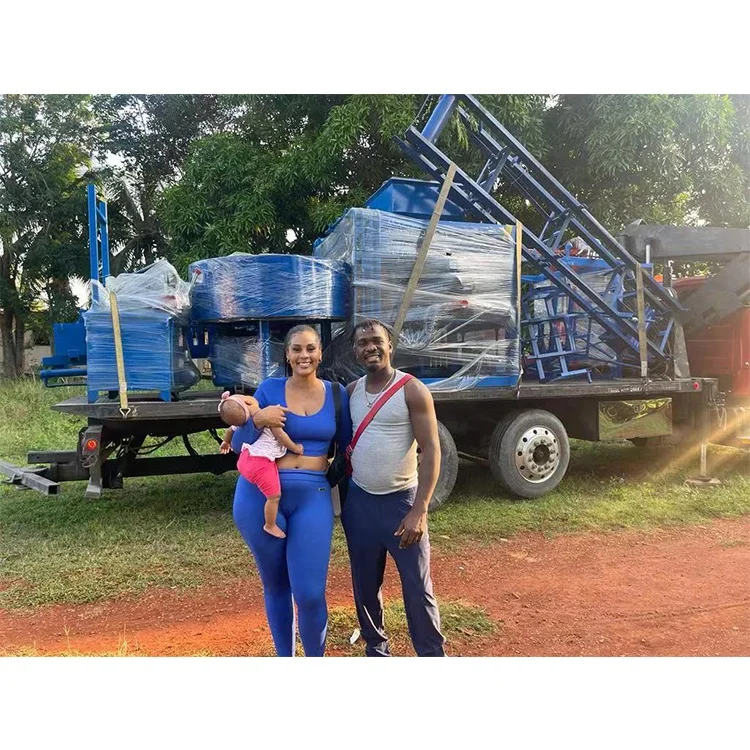
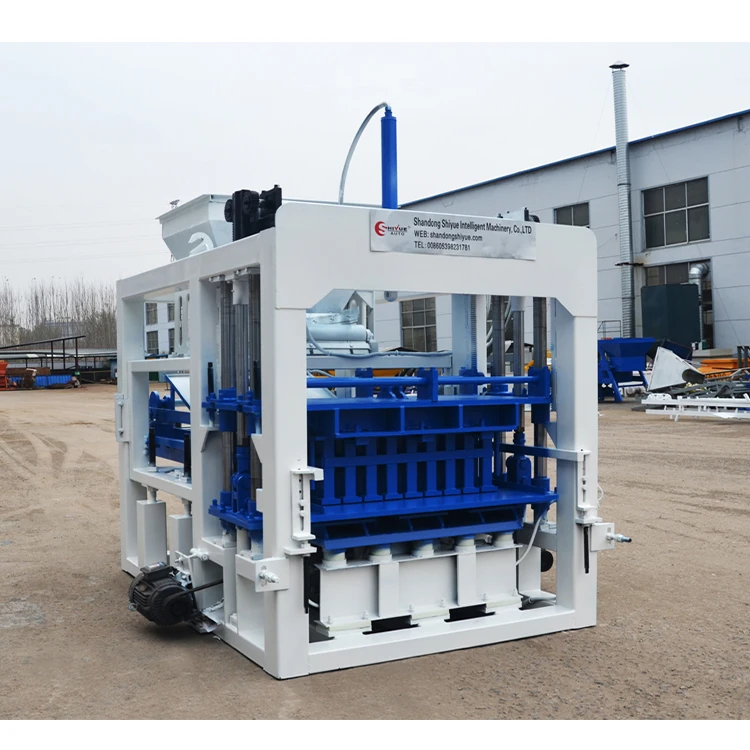
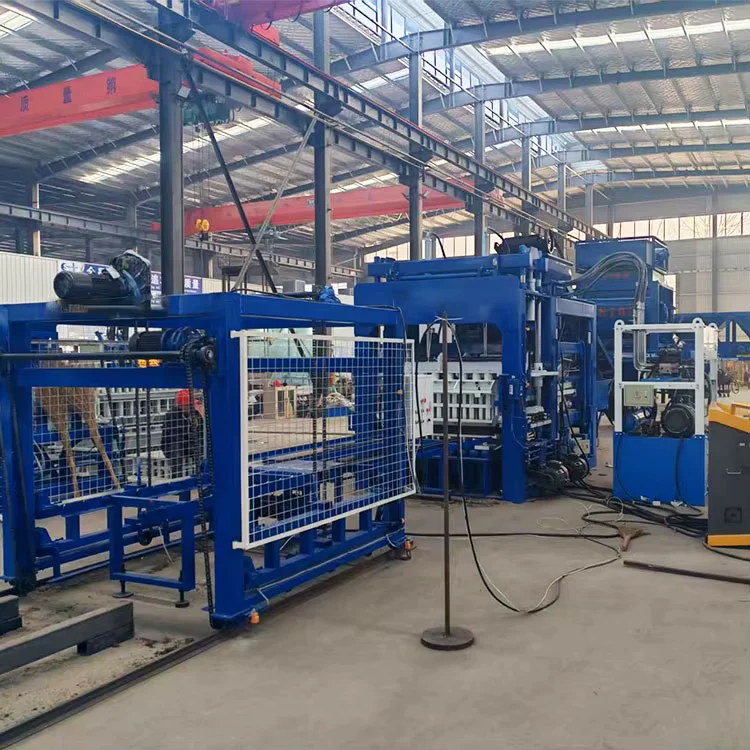
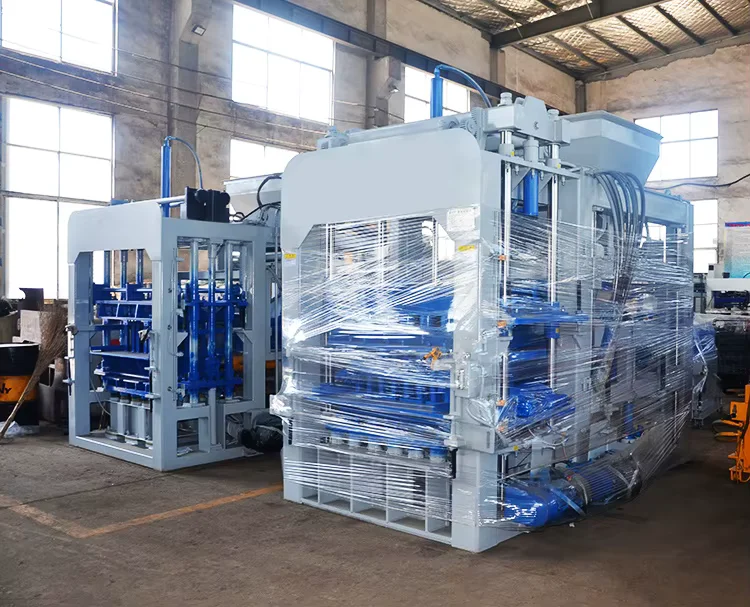
Dispatch Readiness — We verify container loading plans and site clearances before the QT12-15 leaves the factory floor.
Technical Specifications
| Parameter | Value |
|---|---|
| Model | QT12-15 |
| Product Type | Fully Automatic Block Production Line |
| Forming Method | Hydraulic pressure |
| Automation Level | Fully Automatic |
| Overall Dimensions (L×W×H) | 9350 × 2520 × 2950 mm |
| Net Weight | 11000 kg |
| Hydraulic Pressure | 20 MPa |
| Shaping Cycle | 15-20s (basis to be confirmed) |
| Mould Formats Included | 400×200×200 mm, 400×150×200 mm, 400×120×200 mm, 400×100×200 mm, 240×115×90 mm, 230×220×115 mm |
| Core Components | PLC, Motor, Pump |
| Labor Requirement | 1-3 people |
| Voltage | Local Voltage (verify against manufacturer catalog) |
| Concrete Mixer | Optional |
Application Suitability
| Application | Material or Output |
|---|---|
| Hollow Block Production | Crushed stone, sand, cement, coal fly ash |
| Solid Block Manufacturing | Cinder, slag, gravel, dust |
| Paver Block Output | Standard concrete mixes for landscaping |
Why "Fast Delivery" Fails When Site Dimensions Are Ignored
Securing a Fully Automatic Block Production Line in stock means nothing if the equipment cannot physically fit inside your facility upon arrival. Rapid dispatch must be paired with rigorous site dimension verification to prevent costly structural rework. I once saw a buyer rush a similar large-format press onto a site without checking the workshop ceiling height. When the stacking equipment arrived, the roof was too low for the mechanical arms to extend, forcing a complete roof teardown and rebuild. Deadlines were missed because the physical footprint and vertical clearances were never matched to the building schematics before loading [NEED_CITE: standard industrial facility clearance requirements for heavy block machinery].
Current Stock Status and Dispatch Timelines
Finding a Fully Automatic Block Production Line in stock allows contractors to bypass typical multi-week manufacturing delays. We focus on confirming the exact availability of the main press and standard mould formats before finalizing the shipping schedule. This ensures your project timeline remains intact without waiting for custom fabrication runs.
Container Loading and Dismantling Protocols
Shipping a machine of this physical footprint requires precise dismantling for standard container loading. We map out exactly how the 9350 mm length and 2950 mm height are broken down for transit. This pre-planned dismantling guarantees that reassembly on your site follows a logical sequence, getting the equipment operational faster [NEED_CITE: standard container loading procedures for heavy industrial presses].
Interpreting the Physical and Hydraulic Specifications
The 20 MPa hydraulic pressure rating dictates the compaction force applied during the shaping cycle, directly influencing the structural density of the cement blocks. With overall dimensions spanning over nine meters in length, the physical footprint demands a cured, level concrete foundation capable of supporting the 11000 kg net weight without settling. The 15-20s shaping cycle indicates the press speed, though the exact output depends on the specific block format and material thickness being run. Buyers must ensure their local power grid can support the main electric motor and pump requirements, as voltage mismatches will halt commissioning immediately upon arrival.
The Hidden Costs of Skipping Pre-Shipment Verification
Failing to confirm the exact mould formats and pallet sizes before dispatch leads to severe bottlenecks when the machine is finally uncrated. If the standard pallets do not match your existing curing racks or forklifts, you will be forced to manually handle heavy green blocks, completely negating the purpose of buying factory-ready equipment. Furthermore, ignoring the local voltage and frequency standards before the crate is sealed results in weeks of downtime while waiting for replacement electrical components to clear customs [NEED_CITE: common delays in industrial machinery commissioning due to electrical mismatches].
Why Source This Equipment Through Our Dispatch Channel
We treat stock availability and arrival timing as the primary metrics for our buyers working against strict project deadlines. Every dispatch includes a verified container loading plan and machine dismantling schedule quoted upfront, removing the guesswork from your logistics chain. We provide clear arrival estimates based on actual factory readiness, not optimistic catalogue promises. Our focus remains entirely on getting the physical machinery to your dock safely and ensuring the standard moulds included match your immediate market needs. We supply the necessary machinery test reports and outgoing inspection videos so you can verify the condition before the ship leaves the port.
Documentation & Verification
- Factory test record confirming hydraulic pressure and cycle times before crating.
- Video outgoing-inspection showing the dismantling and container loading sequence.
- Machinery test report validating core component performance under load.
- Standard mould format list confirming the exact brick sizes included in the shipment.
Installation, Commissioning & Support
- Verify workshop ceiling height exceeds 2950 mm to accommodate full assembly and maintenance clearance.
- Prepare a level concrete foundation capable of supporting the 11000 kg net weight without structural settling.
- Confirm local voltage and frequency match the electric motor and pump requirements before uncrating.
- Review the dismantling layout to ensure the 9350 mm length is reassembled in the correct operational sequence.
- Check standard pallet dimensions against your existing curing racks and forklift equipment prior to arrival.
Project Alignment and Scheduling Inquiry
To ensure the equipment meets your deadline, please provide your required daily output, the specific block formats you intend to run, and your workshop’s exact ceiling height and floor space. We also need your local voltage and frequency specifications to verify electrical compatibility before the container is sealed.
Frequently Asked Questions
Q: How is the actual daily output verified for this specific line?
A: The 15-20s shaping cycle provides a baseline, but true daily output depends on the specific block format, material thickness, and pallet size being used. We calculate the realistic capacity based on your exact target brick dimensions before confirming the dispatch schedule.
Q: What is the difference in lead time between stock units and custom orders?
A: Units currently available bypass the manufacturing queue, allowing for immediate dismantling and container loading. Custom mould requests or specific electrical configurations will add fabrication time to the schedule, which we quote upfront based on current workshop capacity.
Q: How do you handle voltage and control language confirmations before shipping?
A: We require your local grid specifications and preferred PLC display language during the inquiry phase. This ensures the electrical components and interface are configured correctly at the factory, preventing commissioning delays once the machinery arrives at your facility.
Q: What site preparations are needed before the equipment arrives?
A: You must verify that your workshop ceiling height clears the 2950 mm machine profile and that the foundation supports the 11000 kg weight. Additionally, ensure your curing area and forklifts are compatible with the standard pallet sizes included in the shipment.