Description
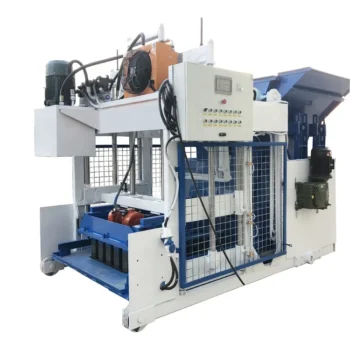
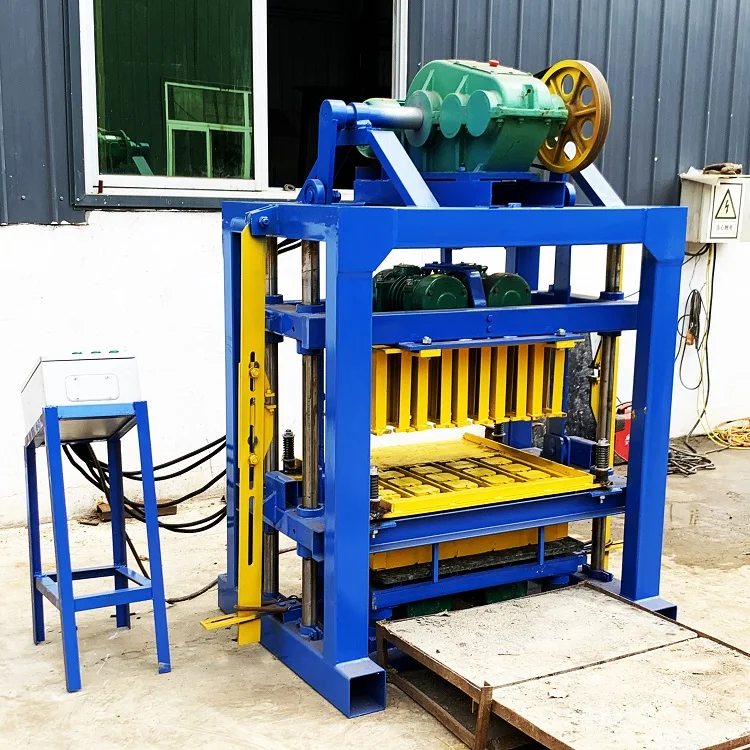
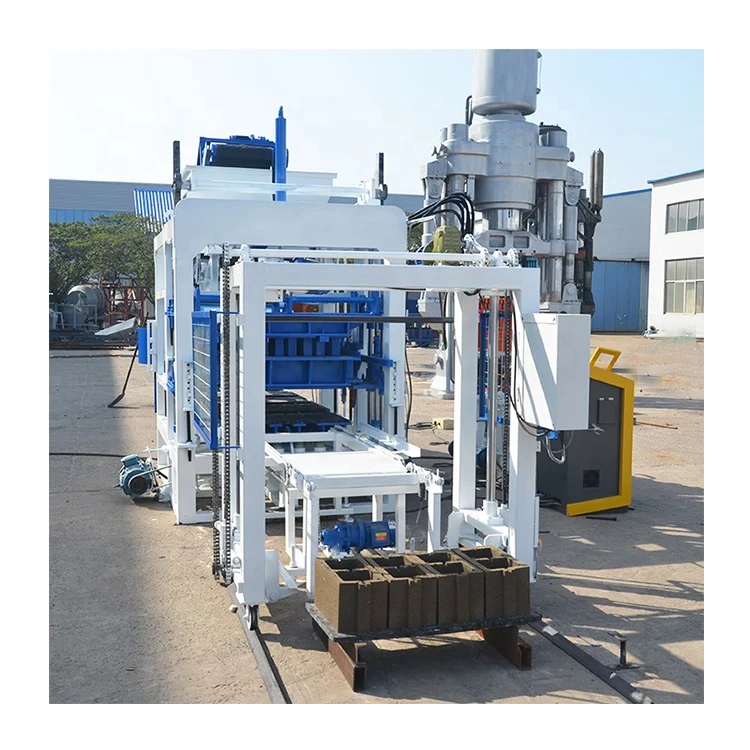
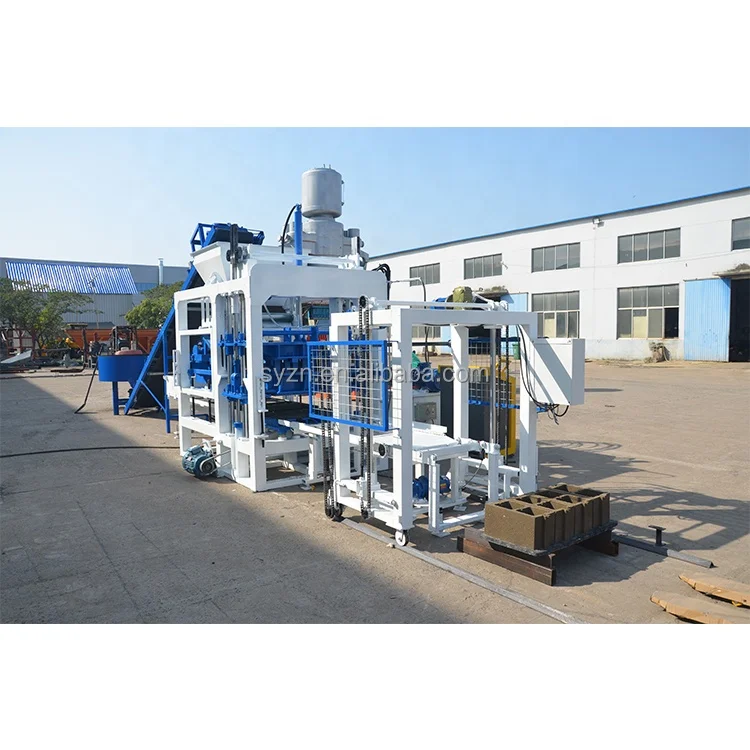
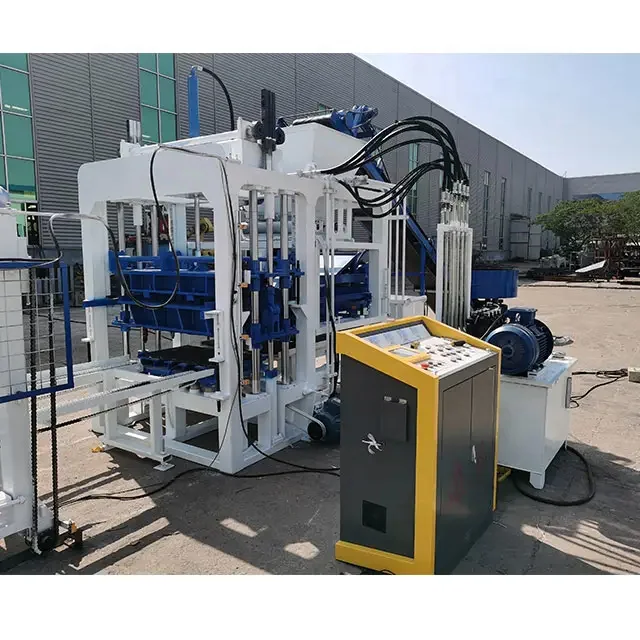
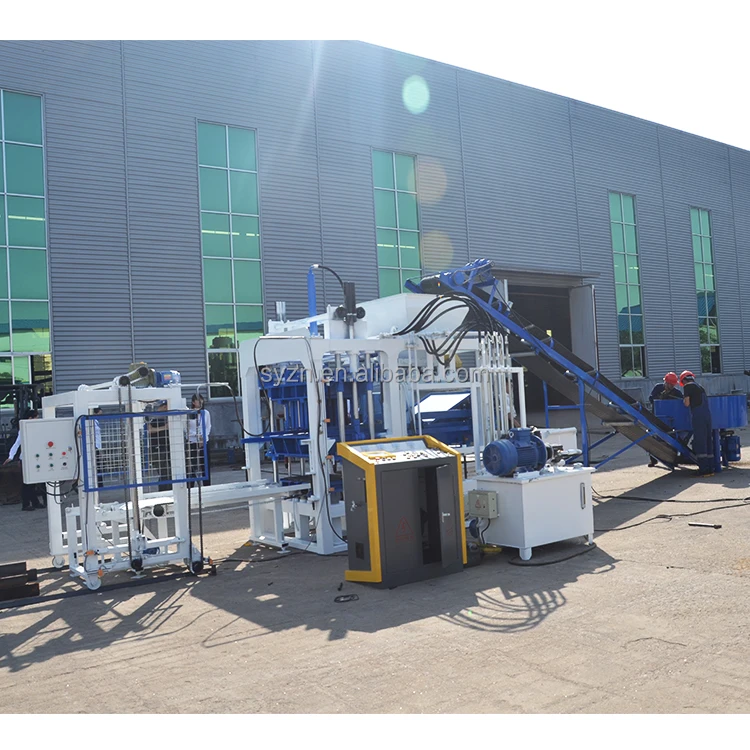
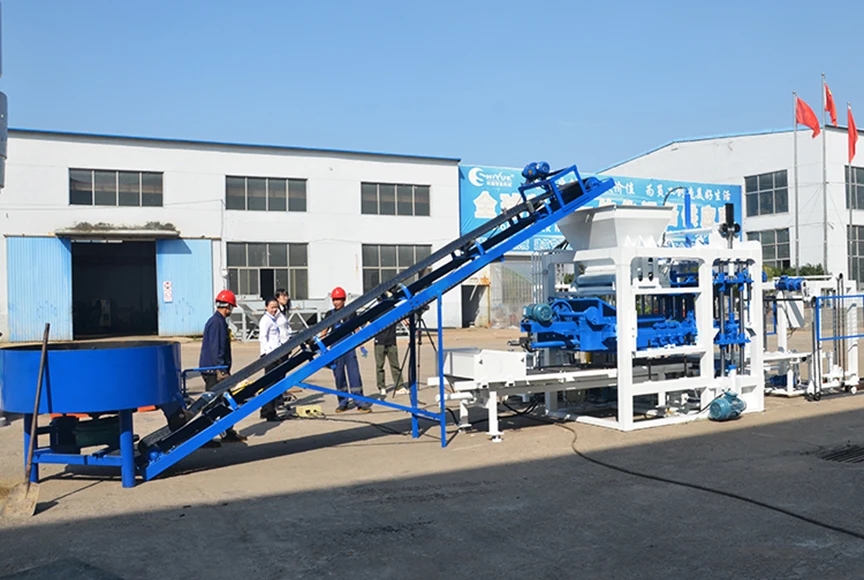
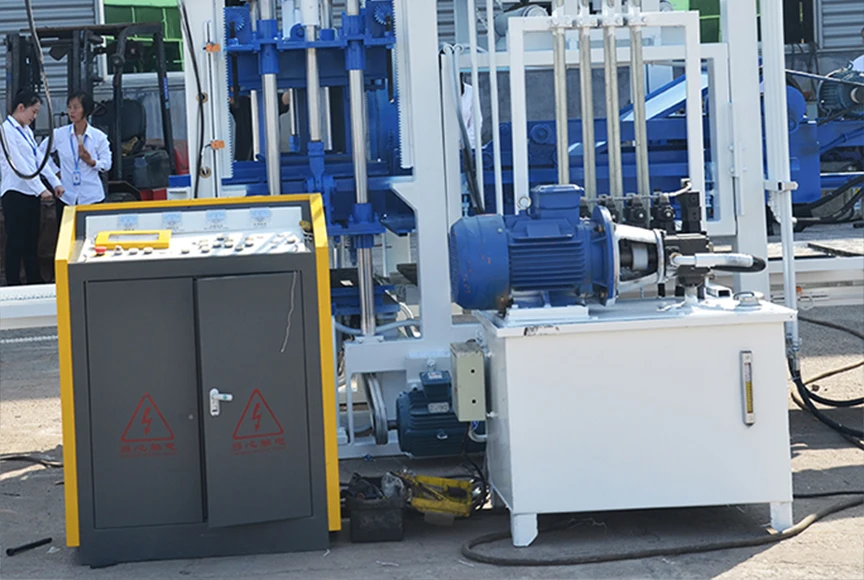
Stocked Configuration, Dispatch-Ready — The QT4-18 block making machine ships as a complete semi-automatic line with hydraulic station, pallet feeder, and PLC controls matched and tested before it leaves our Shandong floor.
Technical Specifications
| Parameter | Value |
|---|---|
| Product Type | Automatic Hydraulic Concrete Block Making Machine |
| Model | QT4-18 |
| Overall Dimensions (L×W×H) | 3900×1600×2300 mm |
| Molding Cycle | 15-25s depending on block format |
| Vibration Force | 40-50 KN |
| Total Power | 24 kW |
| Mixer Model | JQ350 |
| Pallet Size | 850×550×25 mm |
| Total Weight | 3T |
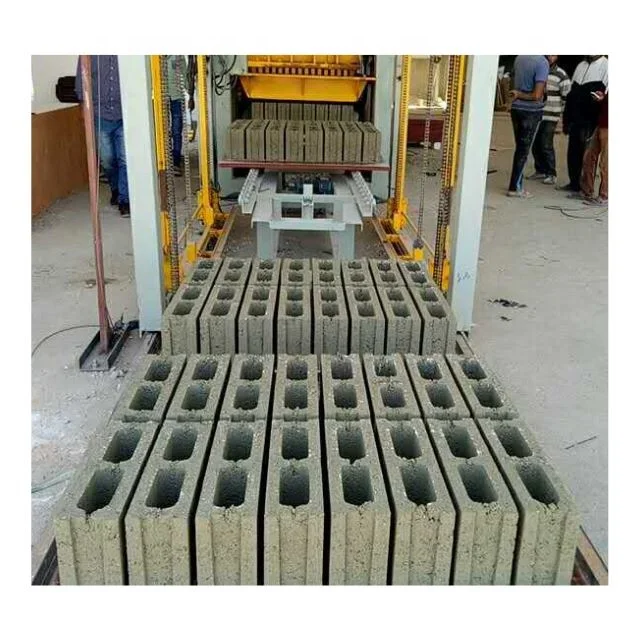
| Applied Products | Paver, solid block, hollow block, curbstone |
| Raw Materials | Crushed stones, sand, cement, dust, fly ash |
| Control System | PLC control system |
| Hydraulic Station | Included (high pressure, stable operation) |
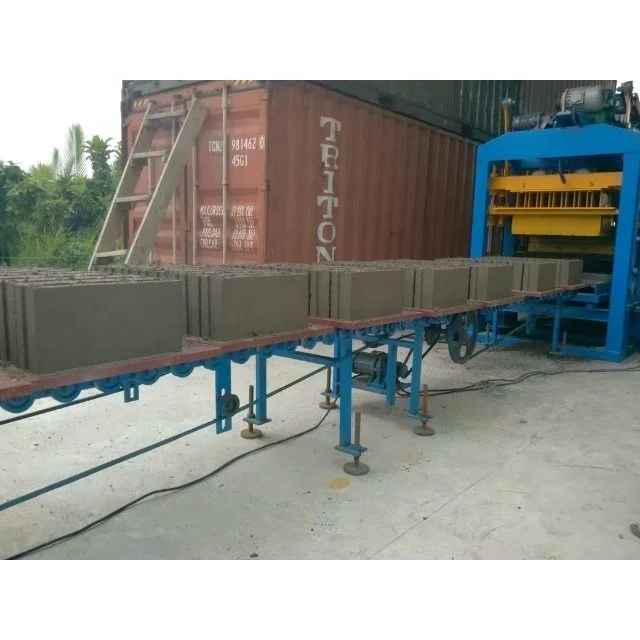
| Included Equipment | Block making machine, hydraulic station, PLC control system, pallet feeder, brick conveyor, block sweeper |
| Free Accessories | Manual hydraulic trolley, spare parts and tools |
| Output Capacity (Hollow Block 400×200×200mm) | 1200-1680 pcs/hr, 9600-13440 pcs/8hr |
| Output Capacity (Hollow Block 400×150×200mm) | 1800-2400 pcs/hr, 14400-19200 pcs/8hr |
| Output Capacity (Solid Brick 240×115×53mm) | 3240 pcs/hr, 16200-19440 pcs/8hr |
| Mould Pcs per Cycle (Hollow Block 400×200×200mm) | (basis to be confirmed) |
| Mould Pcs per Cycle (Hollow Block 400×150×200mm) | (basis to be confirmed) |
| Mould Pcs per Cycle (Solid Brick 240×115×53mm) | (basis to be confirmed) |
| Voltage & Frequency | (basis to be confirmed) |
| Hydraulic Pressure (MPa) | (basis to be confirmed) |
| Mould Change Time | (basis to be confirmed) |
| Automation Level | Semi-automatic (with PLC and pallet feeder, manual stacking implied) |
Application Suitability
| Application | Material or Output |
|---|---|
| Hollow block production for wall construction | Crushed stone, sand, cement, fly ash mixes |
| Solid brick manufacturing for load-bearing walls | Fine aggregate and cement blends |
| Concrete paver production for walkways and driveways | High-density crushed stone and cement |
| Curbstone forming for road and pavement edges | Coarse aggregate with cement binder |
| On-site block production for housing projects | Locally sourced sand, dust, and cement |
What "Fast Delivery" Actually Requires Before Loading
A QT4-18 block making machine in stock can physically leave the factory within days, but shipping the wrong voltage or control language turns a fast arrival into a slow commissioning nightmare.
I spent years on the assembly floor before moving into dispatch, and the machines that sit idle longest at destination are the ones rushed out without confirming the buyer’s electrical grid and operator language. Last year a unit shipped to West Africa arrived on schedule, but the PLC display defaulted to a language the crew could not read, and the local voltage fluctuation tripped the hydraulic station repeatedly. The machine was fine; the paperwork was not [NEED_CITE: voltage and frequency standards by export market]. That delay cost the buyer more than any production lead time would have.
Dispatch Readiness Is More Than a Crate on the Dock
When we say the QT4-18 block making machine in stock is ready for fast delivery, that means the hydraulic station has been bench-tested, the PLC has been powered on and cycled through its programme, and the pallet feeder has been run with actual 850×550×25 mm pallets. These are not assumptions pulled from a catalogue. The machine, mixer, conveyor, and sweeper are matched as one shipment so nothing arrives weeks apart.
Container Loading and the Pallet Question
A 20GP container holds the dismantled QT4-18 along with approximately 500 production pallets. That pallet count matters because without them, curing cannot start even if the press runs on day one. We load pallets in the same container so the buyer has enough inventory to fill a curing rack immediately. Buyers working to a project deadline often overlook this [NEED_CITE: block curing time requirements for structural strength], and end up sourcing pallets locally at a premium while the machine sits idle.
Pressure, Vibration, and What the Cycle Time Means
The 40-50 KN vibration force works alongside hydraulic pressure to compact the mix into the mould cavity. A 15-25 second molding cycle is achievable, but the actual number depends on the block format and the mix design flowing through the JQ350 mixer. Hollow blocks at 400×200×200mm cycle differently than 240×115×53mm solid bricks because the aggregate has to fill deeper cavities and achieve uniform density. The PLC controls the sequence, but the raw material behaviour — particularly moisture content and fine aggregate proportion — determines whether you get 15 seconds or 25 seconds on a given day.
The Cost of Skipping Pre-Shipment Confirmation
When voltage and frequency are not locked in before the machine is bolted to the container floor, the consequences compound. A 380V/50Hz machine running on a 440V/60Hz grid will overheat motors and shorten hydraulic pump life. A PLC display in the wrong language forces the operator to guess at fault codes, leading to misdiagnosed problems and unnecessary part replacements. These are not rare edge cases — they appear regularly when dispatch is prioritised over documentation [NEED_CITE: CE machinery directive requirements for industrial equipment].
Why Buyers Source This Model Here
The QT4-18 is treated as a stocked configuration, meaning standard moulds for hollow block, solid brick, and paver formats are typically available for immediate pairing with the press. Machine, mould, pallet, and handling equipment are specified as one matched set rather than assembled from separate suppliers with mismatched cycle times. We confirm voltage, frequency, and PLC language before the container is sealed, not after it arrives. Factory test records with the buyer’s target block format are documented before dispatch so there is a baseline to commission against. Packing photographs and customs documentation are provided as standard, reducing clearance surprises at the destination port.
Documentation & Verification
- Factory test record showing cycle times on your specified hollow block or paver format
- Voltage, frequency, and PLC display language confirmation sheet signed before loading
- Container loading plan with dismantling instructions and pallet count for 20GP
- Packing photographs of machine, hydraulic station, and accessories before container sealing
- CE declaration documentation where applicable to your destination market
- Operation and maintenance manual in confirmed operator language
Installation, Commissioning & Support
- Foundation pad must support 3T total weight across 3900×1600 mm footprint with level tolerance
- Dedicated 24 kW electrical circuit required with confirmed voltage and frequency at panel
- Machine arrives dismantled; reassembly covers press frame, hydraulic station, and pallet feeder alignment
- First commissioning includes PLC programme verification against the confirmed block format mould
- Manual hydraulic trolley included for pallet movement during initial production ramp-up
- Spare parts kit covers hydraulic seals and vibration components through the first production period
Before You Request a Dispatch Date
Tell us the destination port and the block format your project requires first, so we can confirm which moulds are currently paired with stocked QT4-18 units. Share your local voltage and frequency at the installation site, along with the preferred PLC display language, so the control system is set before loading rather than reconfigured on arrival.
Frequently Asked Questions
Q: Which QT4-18 configurations and mould formats are currently in stock for immediate dispatch?
A: Standard moulds for 400×200×200mm hollow block, 400×150×200mm hollow block, and 240×115×53mm solid brick are typically available to pair with stocked QT4-18 units. Paver and curbstone moulds may require a production window. We confirm exact stock status at the time of inquiry so your dispatch expectation matches reality.
Q: What is the realistic dispatch lead time and container loading arrangement for a complete QT4-18?
A: A stocked QT4-18 block making machine in stock can be prepared for container loading within days once voltage, frequency, and PLC language are confirmed. The dismantled machine, JQ350 mixer, hydraulic station, pallet feeder, and approximately 500 pallets load into a 20GP container with packing photographs taken before sealing.
Q: How is voltage, frequency, and PLC language confirmed before shipment?
A: We require your site electrical specifications and preferred operator language before the machine enters final testing. The PLC is powered on and verified against those parameters, and a confirmation sheet is signed before loading. This prevents the commissioning delays we have seen when these details are left until the container arrives.
Q: What spare parts and hydraulic wear items are included free with the QT4-18?
A: Each shipment includes a manual hydraulic trolley, a spare parts kit covering hydraulic seals and vibration components, and basic tools. This covers the initial production period before the first replacement order is due. We recommend discussing a replenishment schedule based on your planned daily output and local material abrasiveness.
Q: Can the QT4-18 arrive and be commissioned in time to meet a specific project start date?
A: Fast dispatch is possible when the machine is stocked, but arrival depends on ocean transit to your destination port. Share your project start date and port of entry at inquiry stage so we can provide an upfront arrival estimate and confirm whether the QT4-18 block making machine in stock timeline aligns with your schedule.