Description
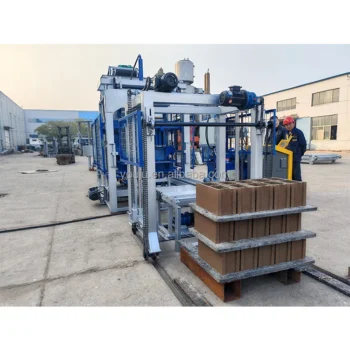
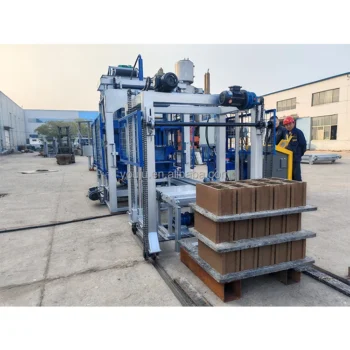
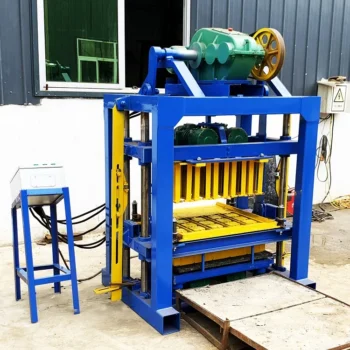
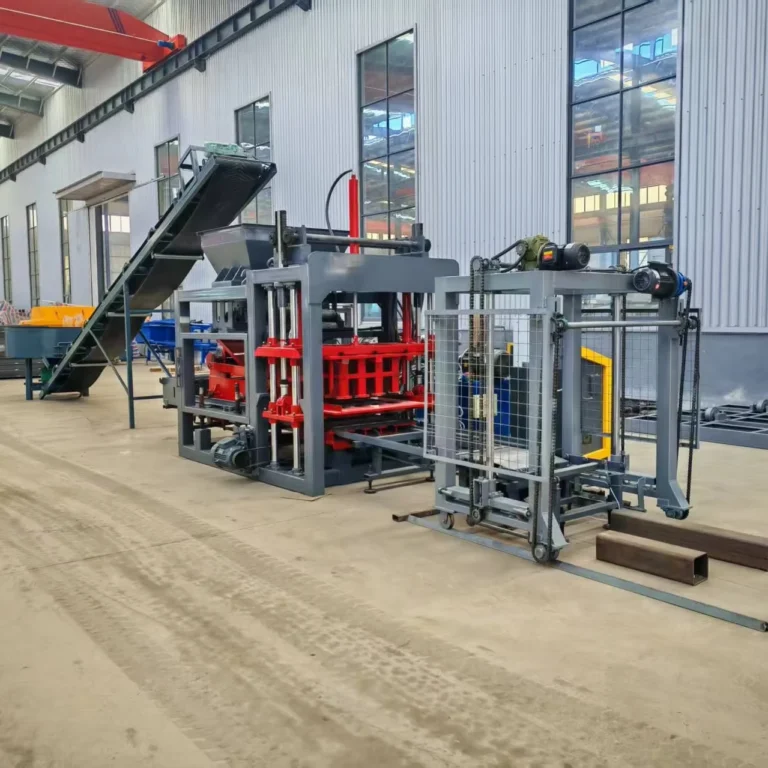
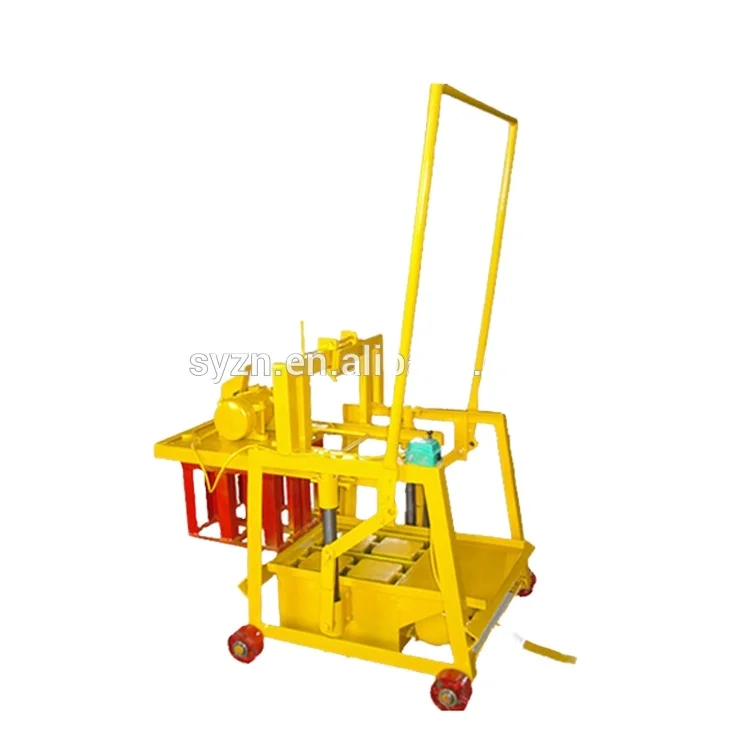
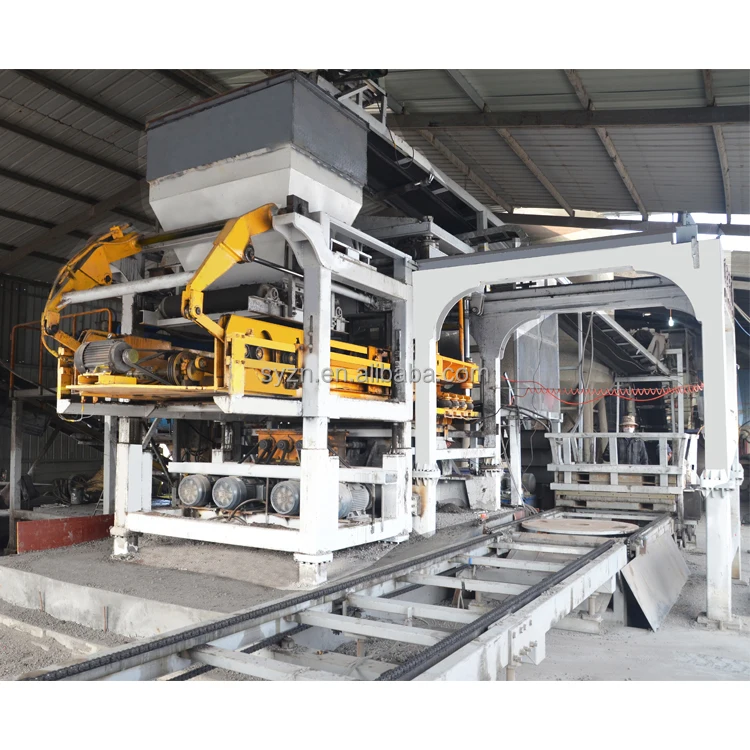
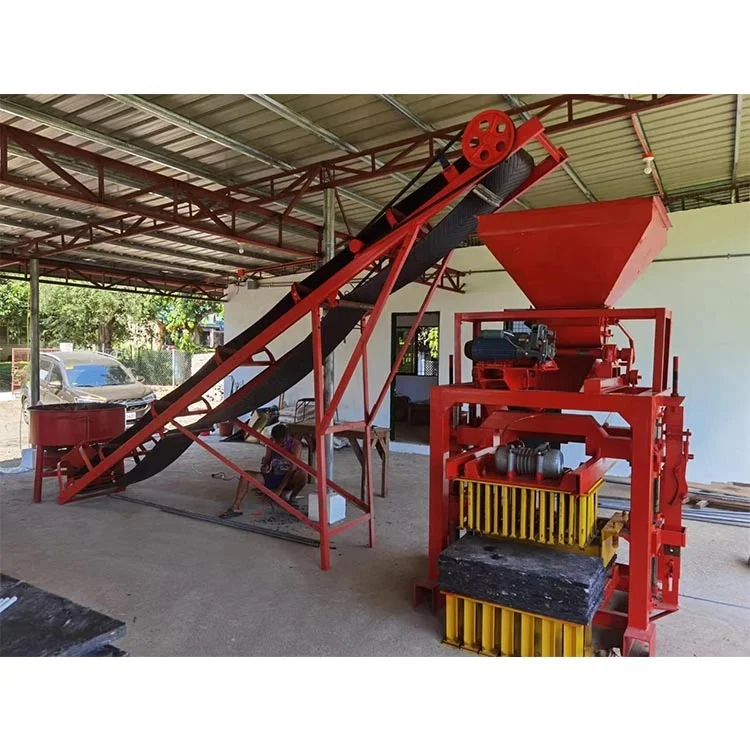
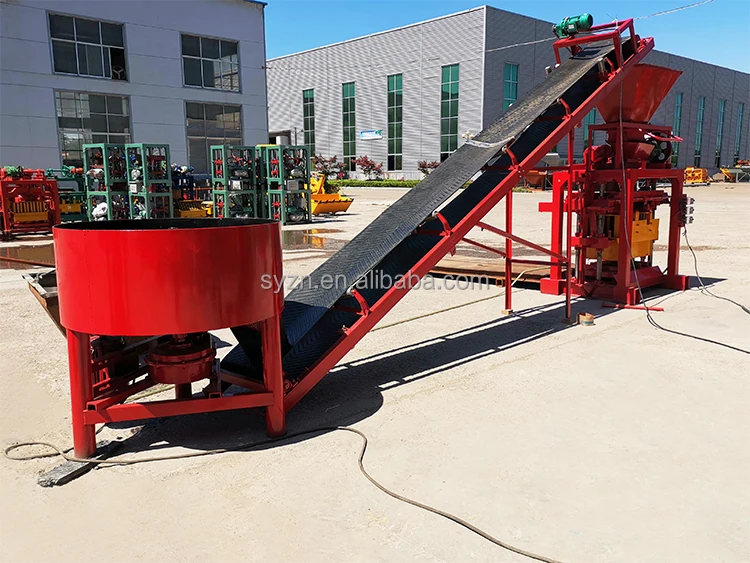
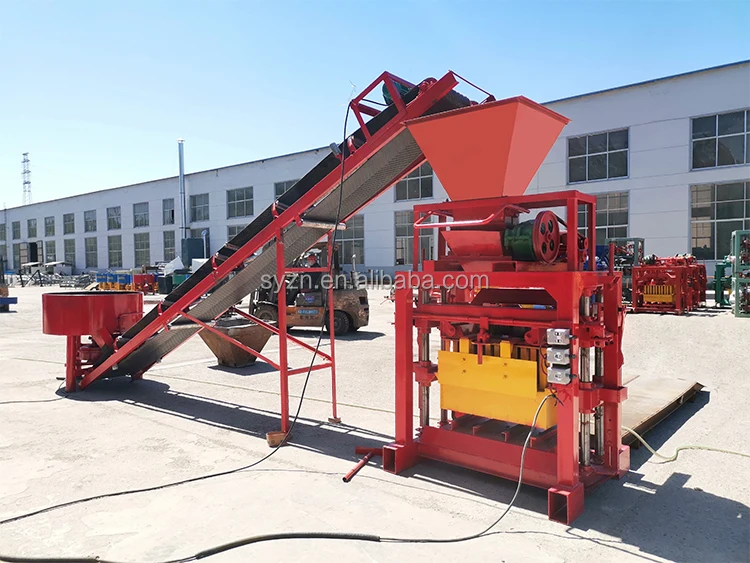
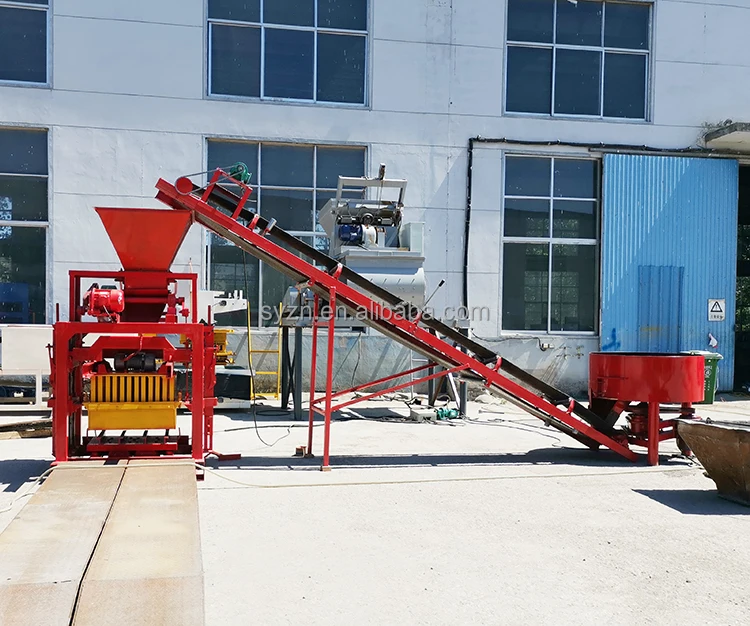
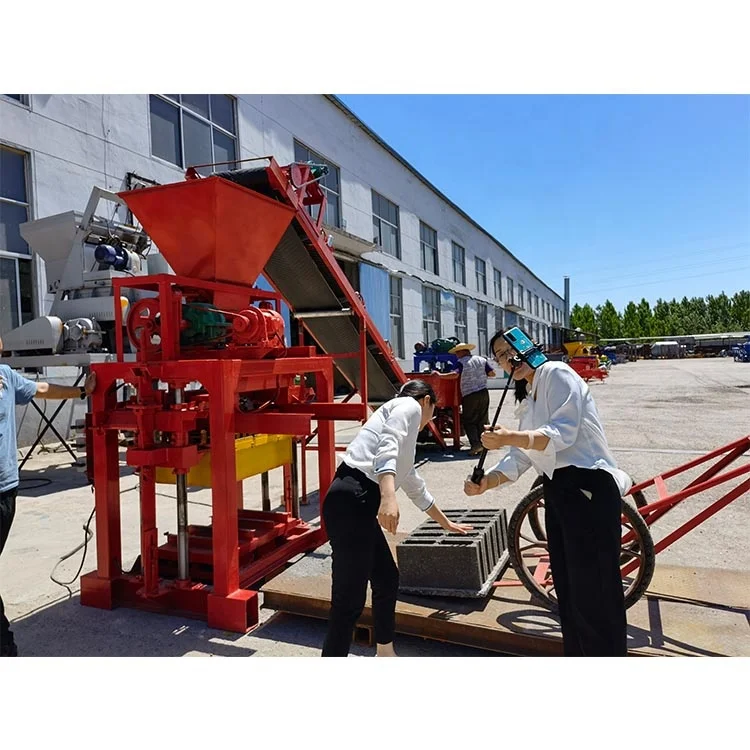
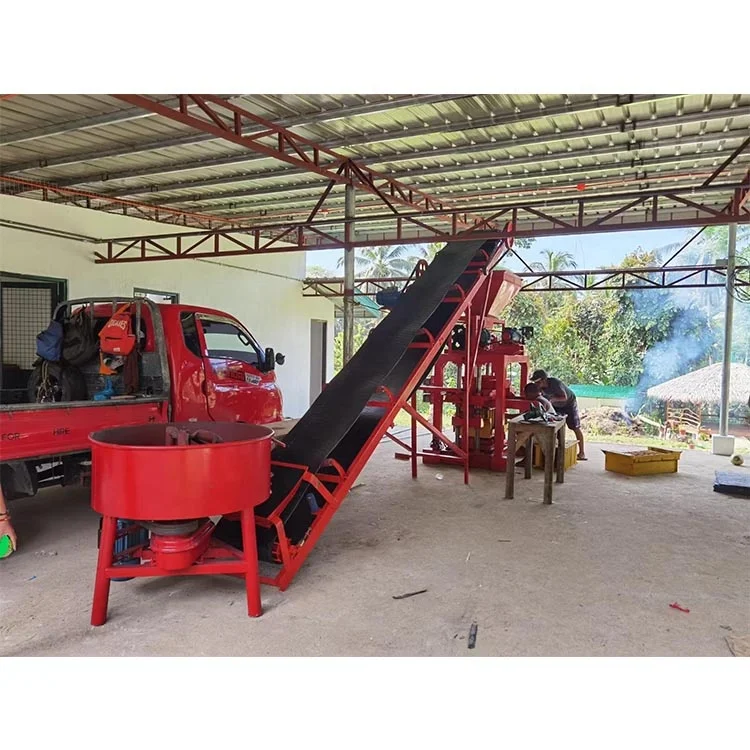
Stocked Machine Ready for Dispatch — QTJ4-35 block machines sit in our Shandong yard fully assembled, waiting for your voltage confirmation before container loading, so project deadlines stay intact.
Technical Specifications
| Parameter | Value |
|---|---|
| Model | QTJ4-35 |
| Product Type | Stationary Block Making Machine |
| Overall Dimensions (L×W×H) | 2050×1660×1900 mm |
| Rated Vibration Force | 35 kN |
| Main Vibration Form | Platform Vibration |
| Vibration Frequency | 2800 r/min |
| Pallet Size | 850×450 mm |
| Molding Cycle | 35 s (basis not stated in source — confirm block format / material / thickness) |
| Overall Power | 9.7 kW |
| Total Mass | 1500 kg |
| Demolding Method | Vibration |
| Factory Area Required | 260 m² |
| Automation Level | Semi-automatic / manual pallet handling |
| Stacking Method | Manual |
| Applied Products | Concrete blocks, hollow blocks, solid blocks, pavers, interlocking blocks, curbstone, colored pavers |
| Raw Materials | Crushed stone, sand, cement, dust, fly ash, gravel, slag |
| Voltage & Frequency | Configurable — confirm before order |
| Control System | Confirm PLC or manual panel at inquiry |
| Warranty | 1 year (excluding spare parts) |
| Assembly State | Fully assembled, shipped in 1×40HQ container |
Application Suitability
| Application | Material or Output |
|---|---|
| Small-scale hollow block plant | Crushed stone, sand, cement, fly ash |
| On-site contractor block production | Local gravel, slag, dust with cement binder |
| Paver and interlocking brick startup | Sand, cement, colored aggregates |
| Housing project local block supply | Solid blocks from regional aggregate and cement |
| Building material distributor format expansion | Curbstone and colored pavers via mould change |
What "In Stock" Actually Means for Your Project Schedule
A stocked QTJ4-35 block machine ships only after your site voltage and frequency are confirmed in writing, not the day the deposit lands.
I have watched containers leave Shandong with machines wired for 380V/50Hz, only for the buyer to discover on arrival that the local grid runs 415V or 60Hz. The transformer order then adds weeks to a project that was already behind schedule. Every dispatch from our yard now waits for a photograph of the site distribution board before the machine is closed up for loading [NEED_CITE: voltage and frequency standards by export market]. The QTJ4-35 block machine in stock status is only meaningful if the electrical match is settled first.
Dispatch Timing and Container Loading Reality
Buyers working against a construction deadline need a known ship date, not a production estimate. The QTJ4-35 block machine in stock leaves the factory yard once pallets, moulds, and the power specification are verified. A 1×40HQ container holds the basic equipment fully assembled, with dismantling limited to what the container door dimensions require. We confirm the loading plan at quotation stage so the buyer knows exactly what fits and what arrives.
Arrival Estimate Quoted Before You Commit
Ocean transit varies by destination port, but the estimate appears on the quotation, not after payment. We match the dispatch lead time against the vessel schedule so the buyer can plan curing area preparation and raw material stockpiling around a realistic arrival window. This removes the guesswork that often forces contractors to rent blocks locally while waiting for their own machine [NEED_CITE: typical ocean freight transit times by region].
How Platform Vibration and Pallet Size Shape Your Daily Run
The 35 kN rated vibration force at 2800 r/min acts through the platform rather than the mould box, meaning the 850×450 mm pallet receives uniform compaction across its surface. This matters when switching between a 150 mm hollow block and a 60 mm paver mould — the vibration energy must reach the full pallet area to keep block density consistent. The 9.7 kW total power covers the vibration motor and hydraulic pump without requiring a dedicated high-capacity feeder, which suits the 260 m² factory footprint typical of a first block plant. Mould change relies on manual handling, so buyers planning multiple formats per shift should budget time for bolt release, mould swap, and trial cycle before resuming production. Voltage and frequency remain configurable, and confirming the correct rating before dispatch prevents the on-site transformer delay that stalls commissioning [NEED_CITE: electrical supply requirements for concrete block machinery].
The Hidden Cost of Skipping the Electrical Check
When a block machine arrives wired for the wrong voltage, the buyer faces three losses at once: idle labour, delayed block deliveries to the construction site, and the premium cost of an emergency transformer shipped by air freight. These costs routinely exceed the price difference between a stocked machine and a built-to-order unit. A simple photograph of the site main breaker panel, sent before the machine is crated, eliminates the entire problem [NEED_CITE: common electrical mismatch issues in exported industrial machinery].
Why Source This Machine Here
Block machinery is our single focus, so the QTJ4-35 arrives as one matched system — press, pallet, and mould specified together rather than assembled from separate suppliers. Configuration is set against the buyer’s actual mix design and local aggregate, not a catalogue default. Mould design covers the formats the buyer’s market sells, with custom drawings accepted. Automation level starts at semi-automatic with manual pallet handling, leaving room to add automatic stacking later. Dispatch lead time is documented before payment, and packing photographs accompany every shipment.
Documentation & Verification
- Line layout drawing stating block format assumed for the 260 m² footprint
- Machine specification sheet with 35 kN vibration force and 9.7 kW power confirmed
- Mould drawing and format list matching buyer’s target block dimensions
- Voltage and control language confirmation signed before container loading
- Factory test record on buyer’s specified pallet size 850×450 mm
- Packing photographs and customs documentation support included
Installation, Commissioning & Support
- 260 m² factory area requirement verified against buyer’s site plan before dispatch
- 9.7 kW overall power demand matched to site distribution board capacity
- Fully assembled state preserved through 1×40HQ loading with minimal dismantling
- On-site commissioning includes vibration frequency and hydraulic pressure tuning
- Operator training covers mould change procedure and manual pallet handling sequence
- Wear parts list and mould catalogue provided with first shipment
- One-year warranty excludes consumable spare parts but covers structural and drive components
What to Include in Your Inquiry
Send the target block format, daily volume expectation, local aggregate type, and a photograph of your site electrical panel. If you already have pallets or a forklift on site, include those dimensions so the 850×450 mm pallet specification can be cross-checked. Confirm your preferred control language and whether a PLC panel or manual push-button station suits your operator skill level.
Frequently Asked Questions
Q: Is the QTJ4-35 currently in stock or built to order?
A: This model is held as a stocked unit in our Shandong yard. Dispatch waits only for your voltage and frequency confirmation plus mould selection, not for a production slot. If you need a non-standard mould format, that component may add lead time while the press itself remains available.
Q: What is the dispatch lead time and how is the container loaded?
A: Once electrical specifications and mould format are signed off, the machine is prepared for a 1×40HQ container. The press ships fully assembled with dismantling limited to what the container door requires. A loading plan is shared at quotation stage so you know exactly what fits.
Q: What arrives in the container — are pallets and moulds included?
A: The basic equipment package includes the press, one standard mould set, and a starter batch of pallets sized 850×450 mm. Additional moulds, extra pallets, and handling equipment are quoted as line items so you see exactly what ships.
Q: How is the machine reassembled on site after shipment?
A: Dismantling for container loading is kept to the minimum the door dimensions allow. On-site reassembly covers reattaching the vibration platform guards, reconnecting hydraulic lines, and powering up the control panel. Our commissioning support walks through each step and runs trial cycles.
Q: What arrival estimate can I expect for my destination port?
A: The quotation includes an arrival estimate based on your named port and current vessel schedules. This estimate is confirmed before payment so you can align curing area preparation and raw material orders with a realistic delivery window.