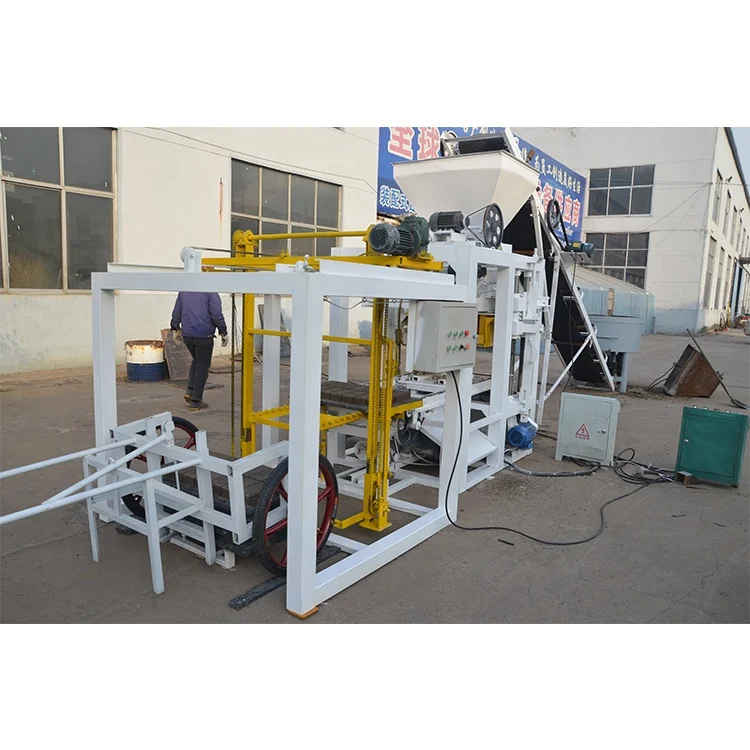
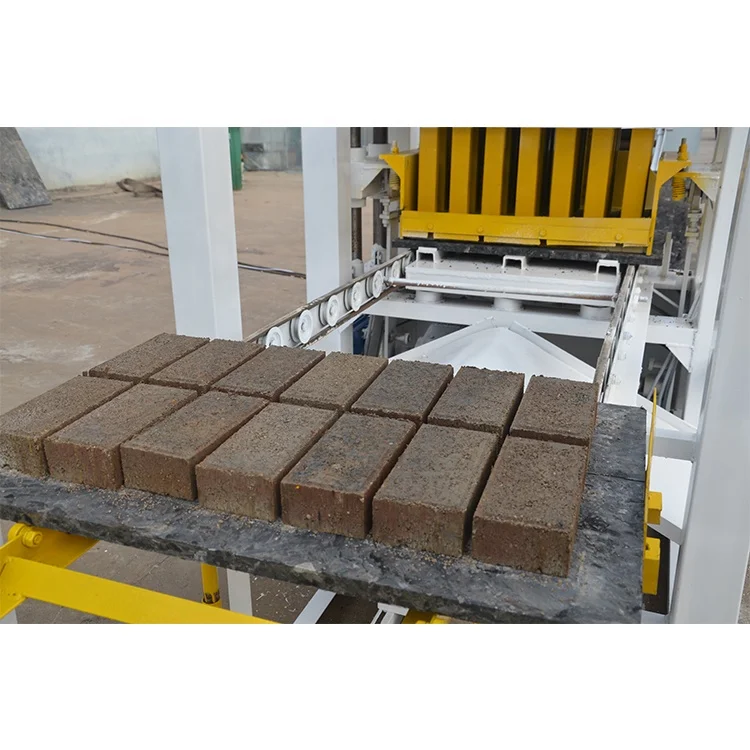
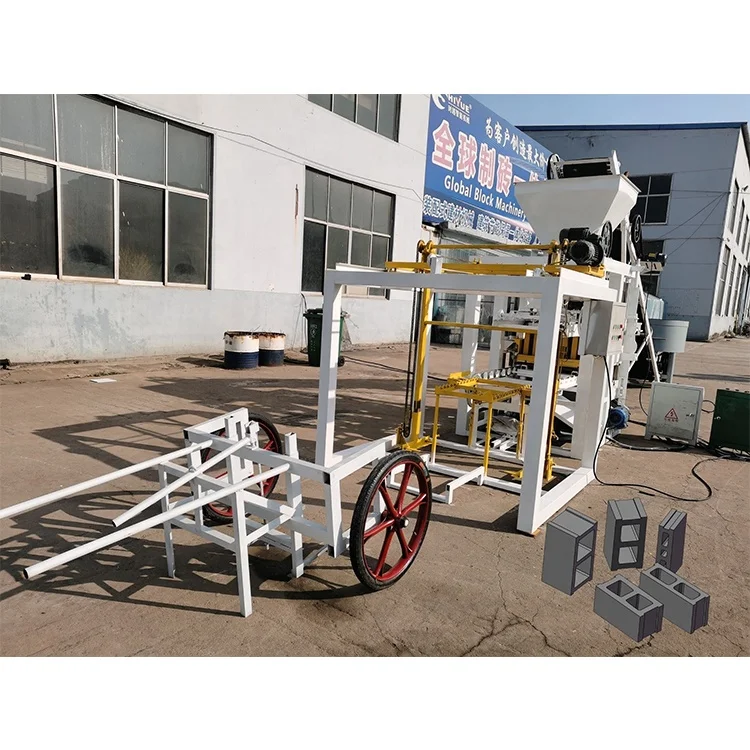
Description
Ready-to-Ship Configurations — the QTJ4-24 block machine is held in standard build with proven mould sets, so your container loads without waiting for a custom factory run.
Technical Specifications
| Parameter | Value |
|---|---|
| Model | QTJ4-24 |
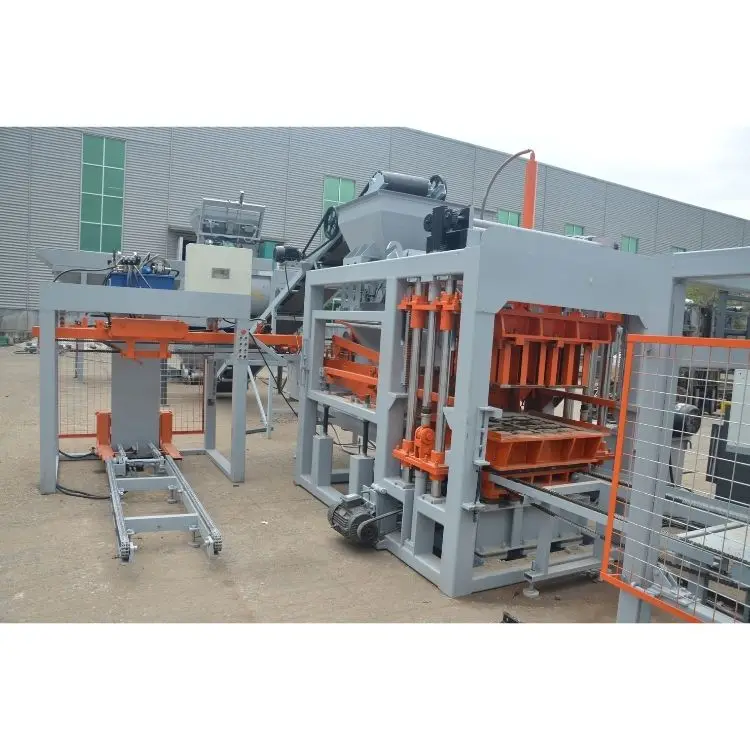
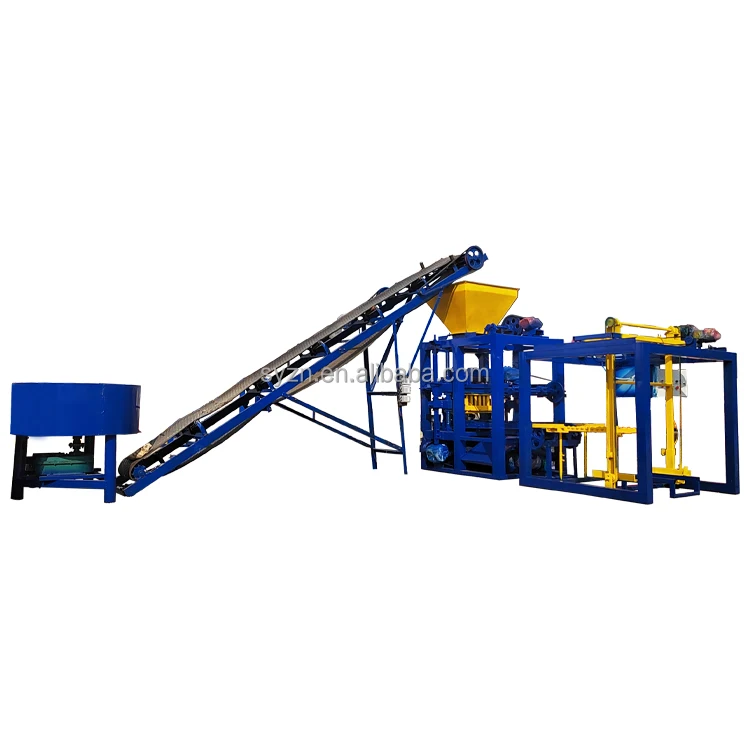
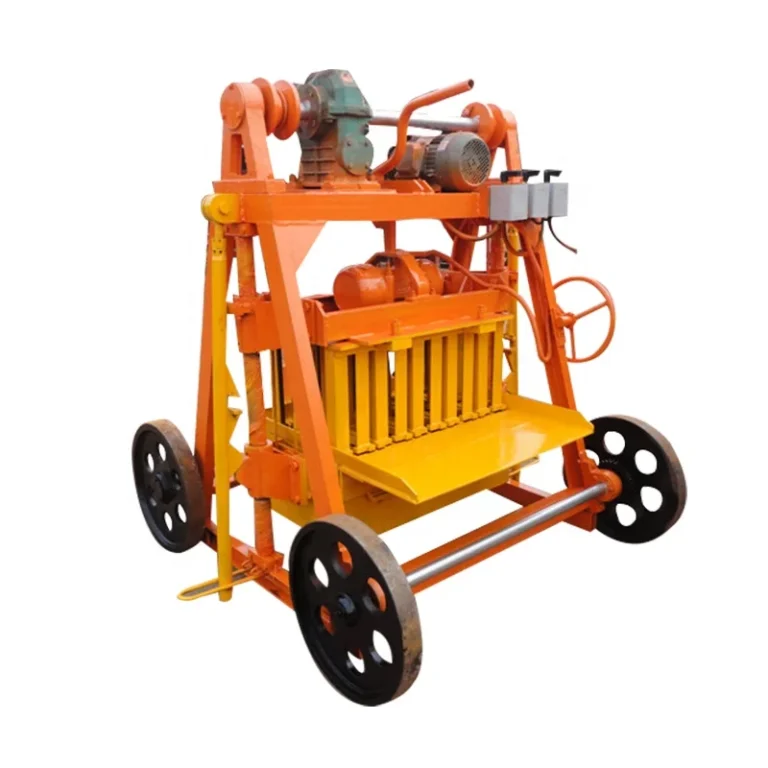
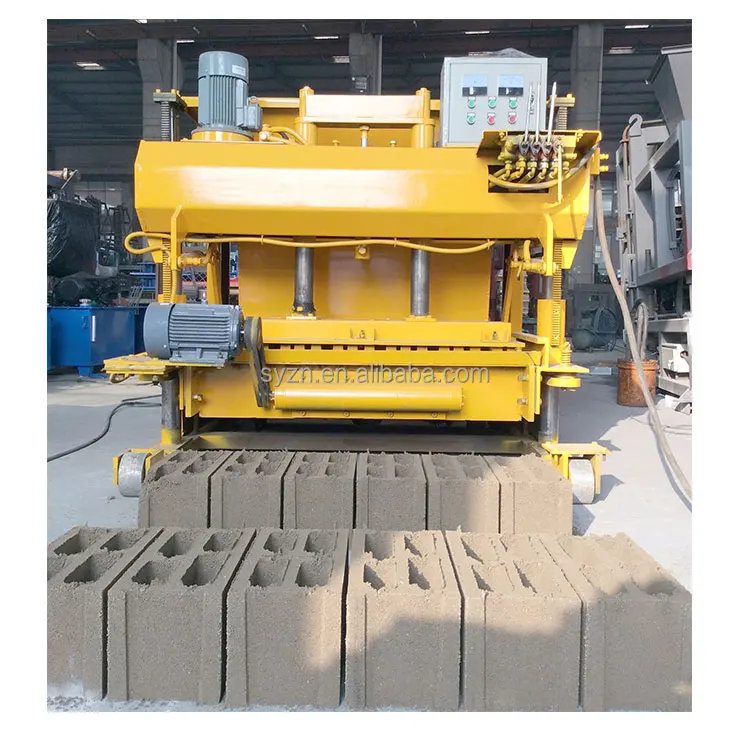
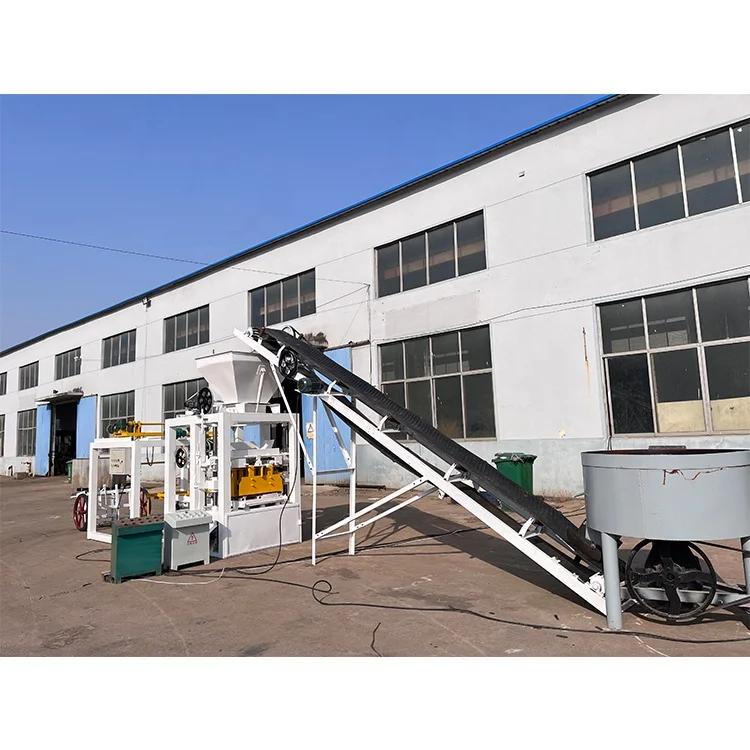
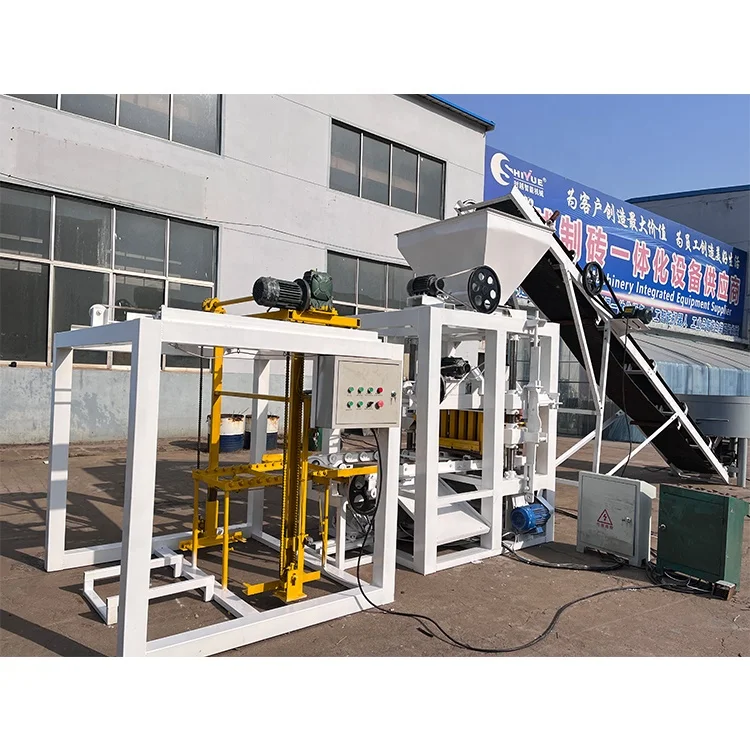
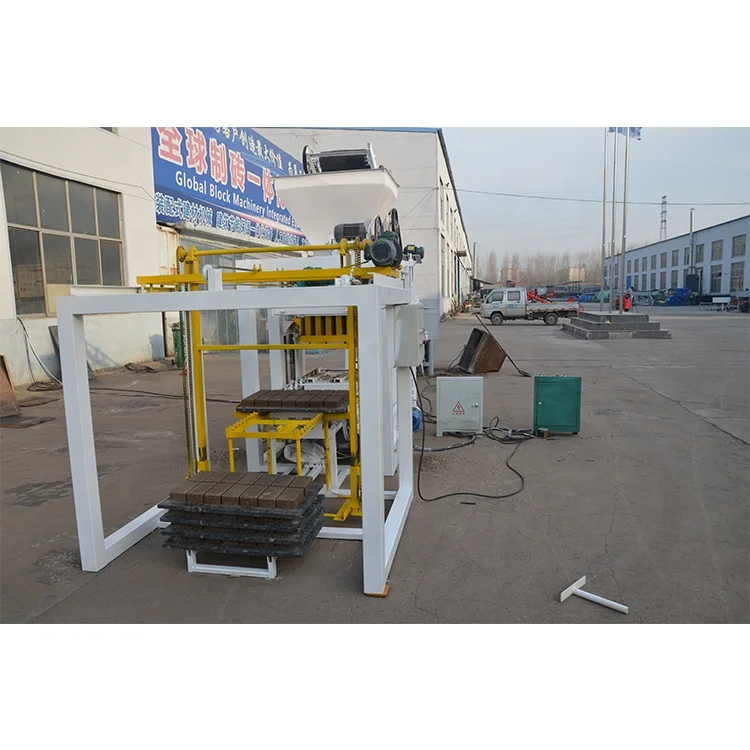
| Product Type | Stationary Concrete Block Making Machine |
| Molding Method | Mechanical (gear drive) |
| Molding Cycle | 24-26s (basis to be confirmed by block format) |
| Pallet Size | 850×450mm |
| Vibration Force | 45kN (2×3kW lower vibrators + 2×1.5kW upper vibrators) |
| Total Power | 11.95kW |
| Overall Dimensions (L×W×H) | 3600×1700×2560mm |
| Total Mass | 2T |
| Material Feeding | Full-automatic spiral material distribution |
| Reducer | 350-type (for mold lifting) |
| Control System | PLC Controlled (brand, language and I/O scope to be confirmed) |
| Power Source | To be confirmed (electric motor or diesel engine) |
| Raw Materials | Cement, sand, stone |
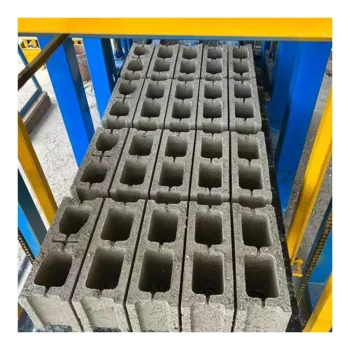
| Block Formats | Hollow block, solid block, interlocking brick, paving brick |
| Voltage & Frequency | Configurable to buyer’s destination country |
| Automation Level | Semi-automatic (mechanical molding, automatic feeding, manual pallet handling) |
| Hydraulic Pressure | N/A (mechanical vibration + pressure) |
| Warranty | 1 year for whole machine (excluding spare parts) |
Application Suitability
| Application | Material or Output |
|---|---|
| Small to medium block plants | Hollow and solid blocks from cement, sand and crushed stone |
| On-site contractor production | Interlocking bricks and paving bricks for project use |
| First-time block plant startups | Standard hollow block formats on a limited investment |
| Distributor stock for local resale | Multiple block formats on interchangeable moulds |
Why "24-26s Cycle" Needs a Format Attached Before You Trust It
A cycle time only means something when you know which block was in the mould.
Many quotations quote a molding cycle without naming the block format that produced it. A hollow block with thin walls cycles faster than a dense solid block or a thick interlocking paver, yet the same number appears on the spec sheet. Buyers then plan daily output around the fastest possible cycle and find the real number is far lower once their actual product is running. With the QTJ4-24 block machine in stock, we state which format the cycle was measured on before the container is booked. [NEED_CITE: block cycle time varies by format and mix design]
What Stock Actually Means for Your Project Timeline
When a project deadline is closing, the difference between a stocked QTJ4-24 and a built-to-order machine is measured in weeks on site. This model is held in standard configuration with spiral feeding, dual-level vibration and the 350-type reducer already fitted. You confirm the mould set, voltage and PLC language, and the machine moves to container loading rather than entering a production queue. That is the core reason buyers working to a construction schedule choose a QTJ4-24 block machine in stock over waiting for a custom build.
How Fast Dispatch Works Without Cutting Corners
Fast dispatch only matters if the machine arrives complete and correct. Before the QTJ4-24 leaves the workshop, the stocked mould set is matched against your block format requirements, the voltage and frequency are set for your destination grid, and the PLC display language is confirmed. [NEED_CITE: voltage and frequency standards by export market] Packing photographs and a container loading plan are shared before the doors close, so you know exactly what is on the truck before it reaches the port.
Reading the Specs That Actually Matter on Site
The 45kN vibration force comes from two 3kW lower vibrators and two 1.5kW upper vibrators working together. Lower vibration compacts the mix from the pallet upward, while upper vibration settles the top surface — this dual-level arrangement produces more consistent block density than single-direction vibration alone. The 850×450mm pallet size determines how many blocks sit on each board and how your curing area must be laid out; if your existing forklift and curing racks are sized for a different pallet, the mismatch shows up on day one. The full-automatic spiral material distribution feeds the mould box evenly across its width, reducing the chance of underfilled corners that produce weak blocks. The 350-type reducer handles mold lifting, which is the most cycled mechanical action on the machine, and its rating directly affects long-term service intervals. Total power at 11.95kW means the machine can run on a standard workshop supply without a dedicated high-capacity transformer.
The Hidden Cost of Skipping the Voltage Conversation
Voltage, frequency and PLC language are often left to the last minute, and that is where commissioning stalls. A machine wired for the wrong supply sits idle on site while an electrician sources a transformer or rewinds motors. A PLC display in a language the operator cannot read turns every setting change into a guessing game. [NEED_CITE: CE machinery directive requirements for industrial equipment] These are not factory defects — they are ordering gaps that a stocked machine can still fall into if the buyer does not confirm destination specs before dispatch.
Why Buyers Source This Machine Here
Block machinery is the single focus of this operation, so the QTJ4-24 is specified as a matched system of machine, mould, pallet and handling rather than assembled from unrelated suppliers. Stock configurations are built around proven mould sets for the block formats that sell in common markets, and custom moulds can be added to the same container. Dispatch lead time and arrival estimates are quoted upfront, not after production has started. The machine ships with a full documentation package so commissioning does not wait on missing schematics. Semi-automatic operation keeps the entry cost manageable, and the automation level can be upgraded later as the plant grows.
Documentation & Verification
- Factory test record run on your specified block format before dispatch
- Machine specification sheet confirming voltage, frequency and PLC language
- Mould drawing and format list for every mould loaded in the container
- Hydraulic and electrical schematic matching the as-shipped configuration
- Packing photographs and container loading plan shared before departure
Installation, Commissioning & Support
- Foundation pad sized to the 3600×1700mm footprint with level tolerance confirmed
- Power supply matched to the confirmed voltage and 11.95kW total draw
- Machine arrives dismantled for container loading with reassembly on site
- First production run supervised to set vibration timing and feed rate
- Operator training covers mould change procedure and daily maintenance points
- Wear parts list and mould spares identified before the container ships
What to Include in Your Inquiry
Send the block formats your market actually sells, the pallet size your curing area is built for, and the voltage and frequency at your site. If you have existing mixers, conveyors or handling equipment upstream or downstream, include their specifications so the QTJ4-24 block machine in stock is confirmed against the full line. Note your project start date so dispatch can be scheduled backward from it.
Frequently Asked Questions
Q: Which QTJ4-24 configurations and moulds are currently in stock and ready to ship?
A: Standard QTJ4-24 units are held with the spiral feeder, dual-level vibration and 350-type reducer fitted. Stocked mould sets cover common hollow and solid block formats. Tell us your target block dimensions and we confirm which moulds are available for immediate loading or whether a custom mould needs to be added to the same container before dispatch.
Q: What is the realistic dispatch lead time and estimated arrival date to my port?
A: Once voltage, frequency, PLC language and mould set are confirmed, a stocked QTJ4-24 moves to container loading without entering a build queue. We quote the dispatch date and an estimated arrival window at your destination port at the quotation stage, so your project planning has a fixed date to work backward from.
Q: How is the machine dismantled and loaded for container shipment?
A: The QTJ4-24 is broken down into sections that fit standard container dimensions while protecting the vibration assembly and reducer. A loading plan is shared before the container doors close, and packing photographs document every item inside so you can verify the shipment against the manifest on arrival.
Q: What block formats can the stocked mould set produce, and can extra moulds ship together?
A: Stocked moulds cover hollow block, solid block, interlocking brick and paving brick in common dimensions. Additional or custom moulds can be loaded into the same container, so your first shipment arrives with the full format range your market requires without a second freight booking.
Q: What voltage and control language options are confirmed before dispatch?
A: Voltage and frequency are set to match your destination country’s grid before the machine leaves the workshop. The PLC display language is confirmed to match your operator team. These details are locked in at the order stage, not left for the site electrician to solve after arrival.