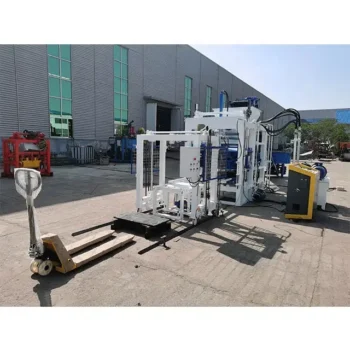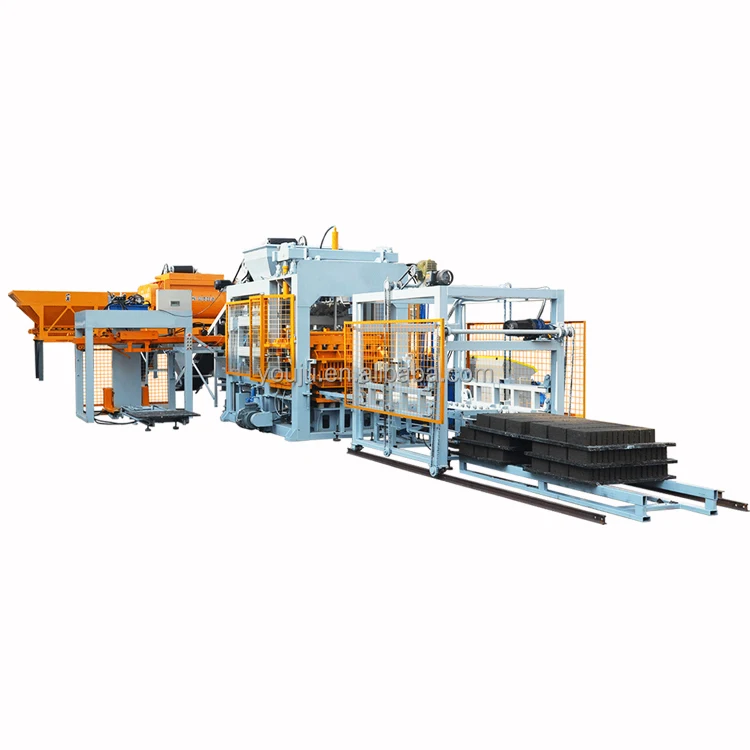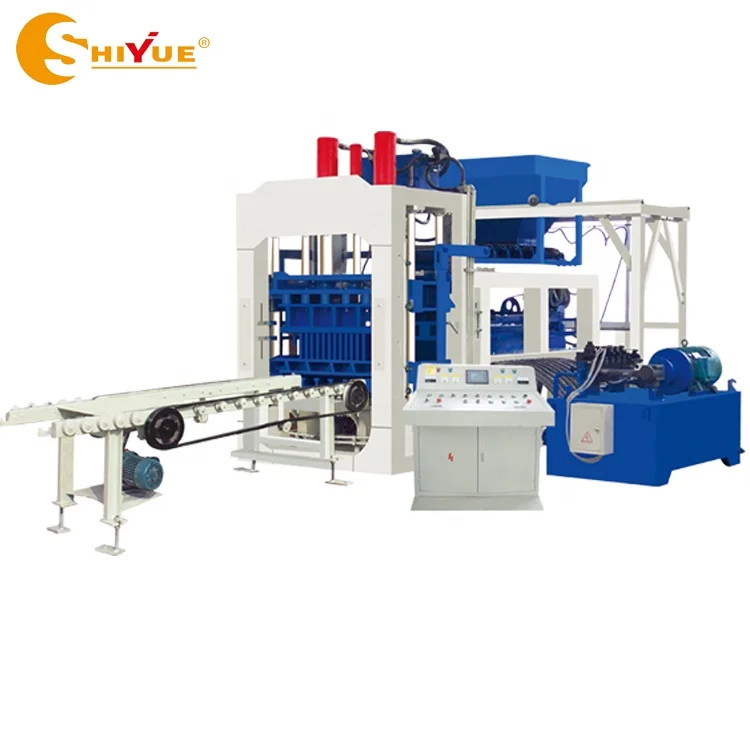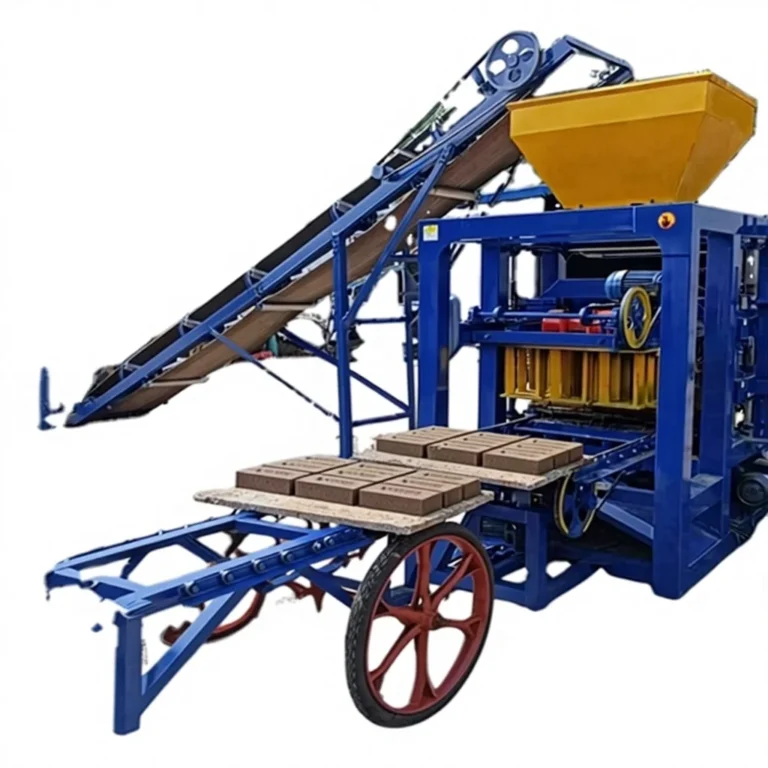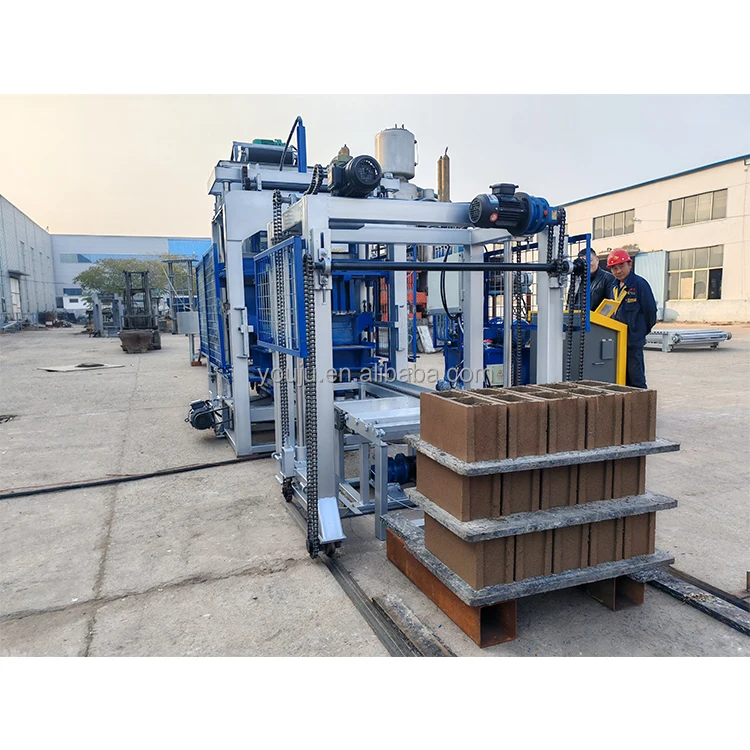

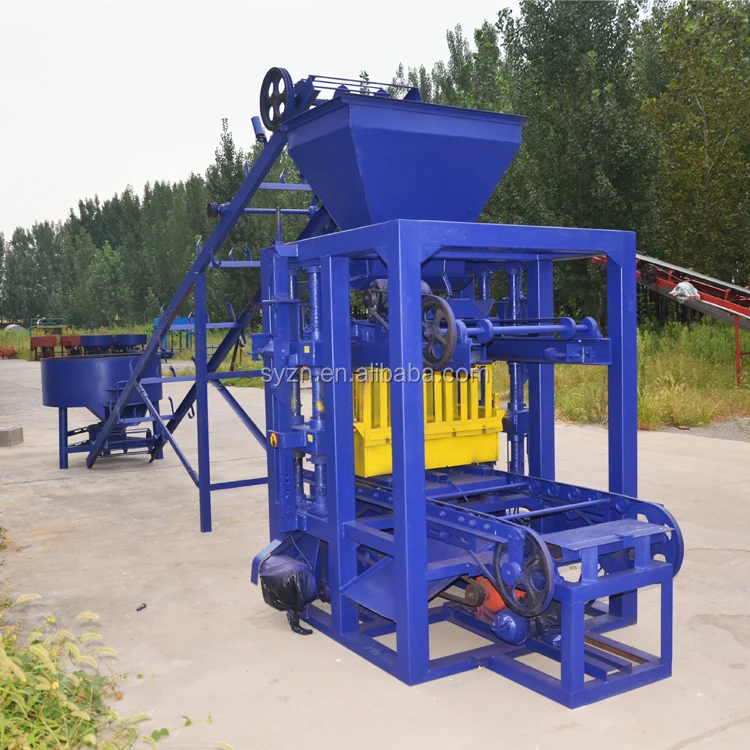
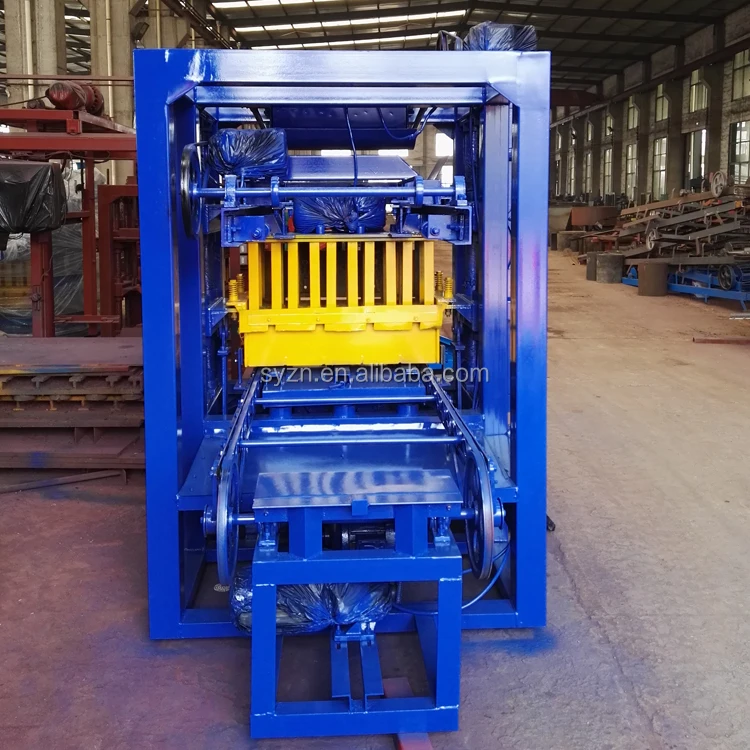
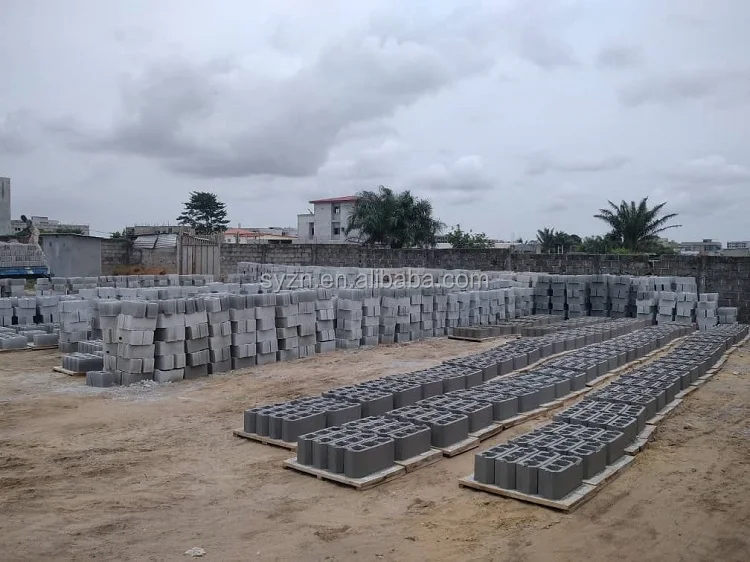
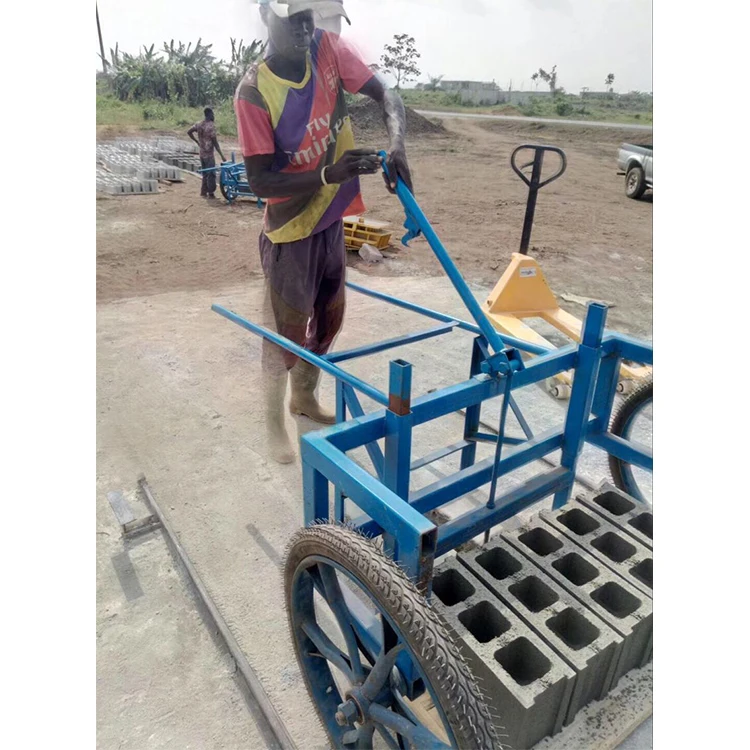
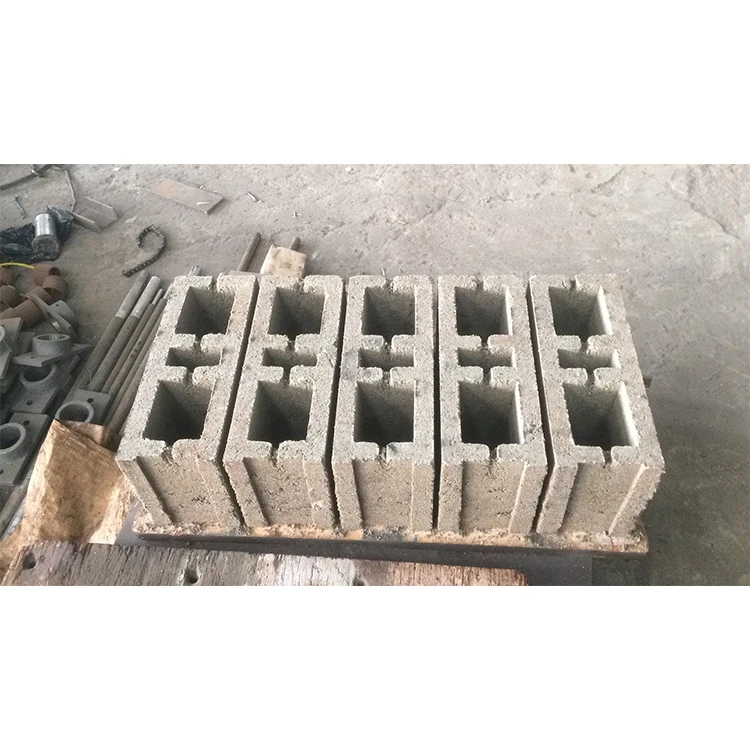
Description
Stock Availability, Verified — the QTJ4-26 is held as a stocked small-scale block machine model with standard moulds ready for fast dispatch, so your project timeline does not slip waiting on a production slot.
Technical Specifications
| Parameter | Value |
|---|---|
| Model | QTJ4-26 |
| Product Type | Small Scale Concrete Block Making Machine |
| Overall Dimensions (L×W×H) | 2060×1700×2650mm |
| Rated Vibration Force | 35.5KN |
| Main Vibration Form | Platform Vibration |
| Vibration Frequency | 4200 r/min |
| Pallet Size | 900×450mm |
| Molding Cycle | 26s (basis not stated in source) |
| Overall Power | 12.75KW |
| Total Mass | 3600kgs |
| Demolding Method | Vibration |
| Recommended Factory Area | 260m² |
| Raw Materials | Crushed stone, sand, cement, dust, fly ash, gravel, slag |
| Applied Products | Concrete blocks, hollow/solid blocks, pavers, interlocking blocks, curbstone, colored pavers |
| Warranty | 1 year (whole machine, excluding spare parts) |
Application Suitability
| Application | Material or Output |
|---|---|
| On-site hollow block production for housing projects | Crushed stone, sand, cement |
| Solid block manufacturing for small building contractors | Gravel, fly ash, cement blends |
| Paver and interlocking brick runs for local resale | Colored concrete mixes with fine aggregates |
| First plant setup by entrepreneurs | Locally sourced slag, dust, and sand |
Why Arrival Timing Matters More Than the Cycle Time Quoted
When you are working against a construction deadline, a QTJ4-26 block machine in stock means the difference between breaking ground on schedule and watching your site sit idle while equipment is still being built. The cycle time printed on a spec sheet only matters if the machine actually arrives before your crew is ready.
Too many buyers focus on molding cycles and theoretical output, then discover the unit they ordered has a multi-week production lead. By the time it ships, clears customs, and reaches the site, the window for that phase of the project has closed. Stocked models with standard mould configurations remove that variable entirely — the machine exists, it has been assembled, and dispatch depends on documentation and payment rather than factory scheduling. [NEED_CITE: typical procurement delays in construction equipment sourcing]
What Stocked Inventory Actually Means for Your Timeline
Ordering a QTJ4-26 block machine in stock shifts the critical path from manufacturing lead time to logistics lead time. The unit is assembled, factory-tested, and staged — your dispatch window depends on confirming voltage and control language, finalizing the mould list, and arranging container loading. This collapses the typical procurement cycle from a multi-week build slot down to the time needed for documentation and shipping preparation.
Container Loading and Dispatch Preparation
A machine at this mass and footprint loads into standard container configurations with the upper frame section dismantled for transit. Before balance payment, the loading plan should be confirmed so you know exactly how the QTJ4-26 small scale block machine fits, what dismantling is required at destination, and which container type is used. Packing photographs are taken at the yard before sealing, giving you a visual record for insurance and customs clearance. [NEED_CITE: container loading standards for industrial machinery export]
How Vibration Force and Pallet Size Shape Your Daily Operation
The 35.5KN rated vibration force delivered through platform vibration at 4200 r/min is the core forming mechanism on the QTJ4-26. This force must be matched to the density your target block format requires — hollow blocks with thin walls need different vibration intensity than solid pavers made from a coarse aggregate blend. Running the machine with a mix design that does not align with this vibration profile produces blocks with inconsistent strength across a batch. The 900×450mm pallet size determines how many blocks form per cycle and must match the curing racks and forklift dimensions you have on site. If your existing curing area uses a different pallet footprint, you will need to either adapt your rack system or confirm an alternative pallet size before the unit ships.
The Cost of Skipping the Stock Verification Step
Buyers who confirm a model is available without verifying the exact configuration discover problems at dispatch. A machine listed as in stock may carry a pallet size or mould set that does not match the buyer’s block format, forcing a mould swap or pallet reorder that delays shipment by days. [NEED_CITE: common dispatch discrepancies in stocked machinery orders] Voltage and frequency left unconfirmed until after the machine is built means the motor and control panel may not match the site supply, requiring rewiring or transformer installation before first run.
Why Buyers Source This Model Through Our Stock Program
Block machinery is our single focus, which means the QTJ4-26 block machine in stock is specified as a matched system — machine, mould, pallet, and handling are confirmed together rather than assembled from separate sources. We hold standard moulds for the common block formats and can confirm which ones are staged with each unit before you commit. Configuration is checked against your local aggregate and target block format, not left at a catalogue default. Our documentation package covers the items customs and your site team need before the container arrives. The automation level is selectable, so starting with this semi-automatic tier leaves a clear upgrade path if your volume grows.
Documentation & Verification
- Factory test record run on the block format matching your order before dispatch
- Machine specification sheet confirming pallet size, vibration force, and power rating
- Mould drawing and format list for every standard mould included in the stock unit
- Packing photographs taken at the yard before container sealing
- Voltage and control language confirmation document signed off before shipment
Installation, Commissioning & Support
- The 260m² recommended factory area guides your site prep before the QTJ4-26 arrives
- Overall power of 12.75KW requires a dedicated circuit sized for startup surge at your local voltage
- Upper frame dismantling for container transit means reassembly is part of on-site commissioning
- Vibration frequency of 4200 r/min is verified against your actual aggregate during first run
- 900×450mm pallet compatibility is checked against your existing curing racks and forklift
- Wear parts and mould list provided so first replacements are ordered before you need them
What We Need to Confirm Before Dispatch
To finalize your QTJ4-26 order from stock, share the block format you will produce, the local aggregate available at your site, and your target daily output so we match the correct standard mould set. Confirm your site voltage and frequency along with the preferred PLC display language so the control panel is set before loading. Let us know your container preference and whether you need the machine dismantled in a specific way for your destination port handling equipment.
Frequently Asked Questions
Q: Which QTJ4-26 configurations and standard moulds are currently in stock?
A: Stocked units carry the standard platform vibration configuration at 35.5KN rated force with the 900×450mm pallet setup. Standard moulds for common hollow block, solid block, and paver formats are available from stock. We confirm the exact mould list and configuration against your target block format before you pay the balance, so what ships matches what you need.
Q: What is the dispatch lead time and estimated arrival after balance payment?
A: Once balance is received and voltage plus control language are confirmed, the stocked QTJ4-26 is staged for container loading within days. Total arrival time depends on your destination port and shipping line schedule. We quote the arrival estimate upfront so you can plan site preparation and crew scheduling around a known delivery window.
Q: How is the QTJ4-26 loaded into a container and what dismantling is required?
A: The machine at 3600kgs total mass is loaded into a standard container with the upper frame section removed for transit clearance. Dismantling is straightforward and reassembly is part of on-site commissioning. We provide packing photographs and a loading plan before the container is sealed so your team knows exactly what to expect at destination.
Q: What documentation and packing photographs are provided before shipment?
A: You receive the machine specification sheet, factory test record, mould drawing and format list, pallet specification, voltage confirmation document, and packing photographs taken at our yard. This documentation package supports your customs clearance process and gives your site team the reference materials needed before the QTJ4-26 small scale block machine arrives.
Q: Can standard moulds be swapped at dispatch to match my block format?
A: Yes, if the stock unit carries a mould set that does not match your production needs, standard moulds can be swapped before loading. We confirm your target block format, check mould compatibility with the QTJ4-26 platform, and stage the correct set. This swap is finalized before container sealing so the machine arrives ready for your first production run.