Description
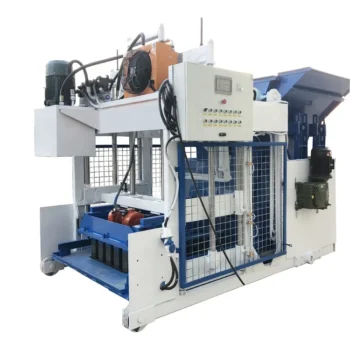
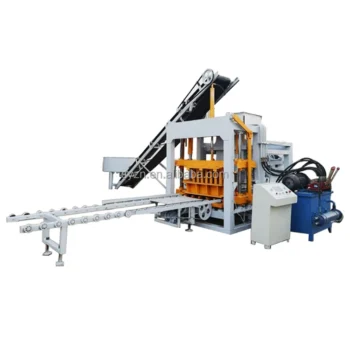
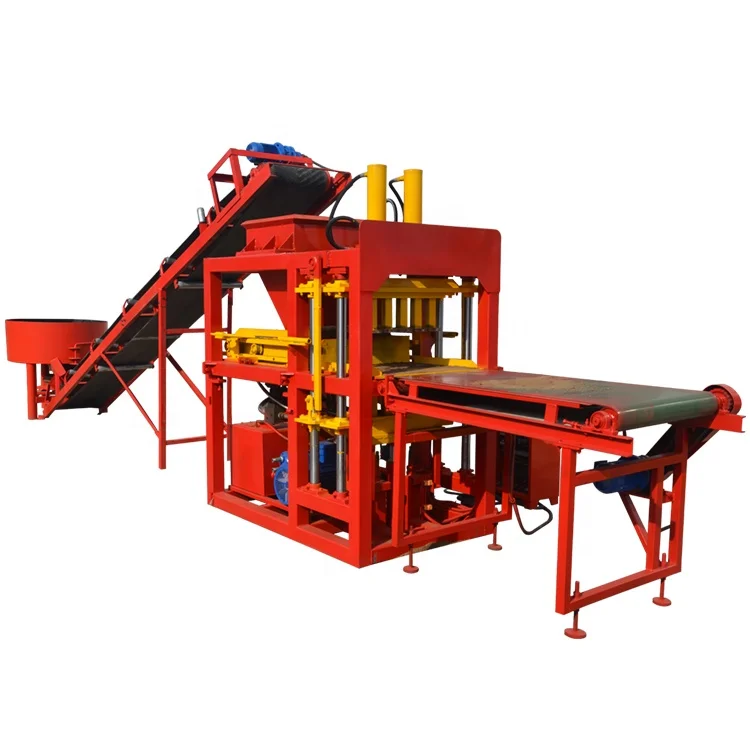
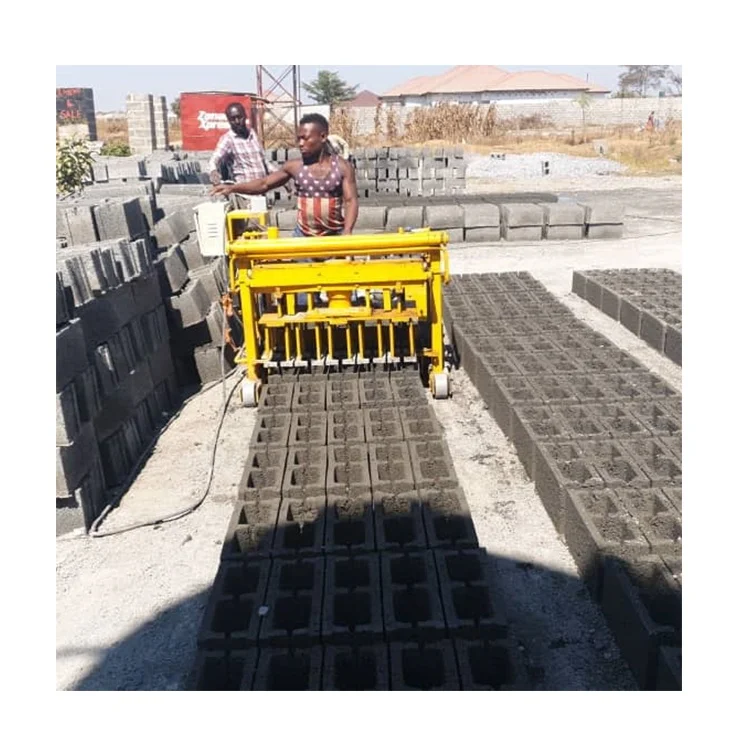
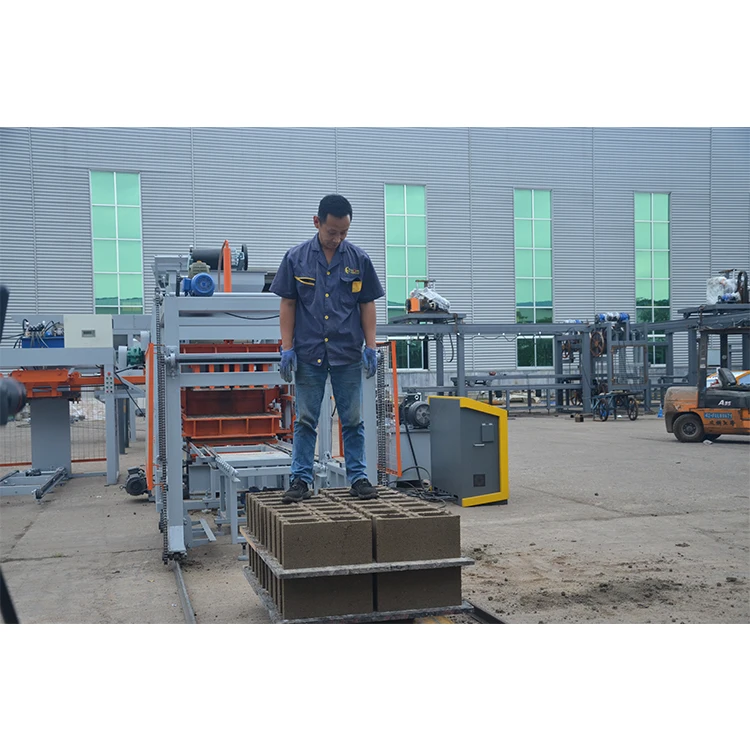
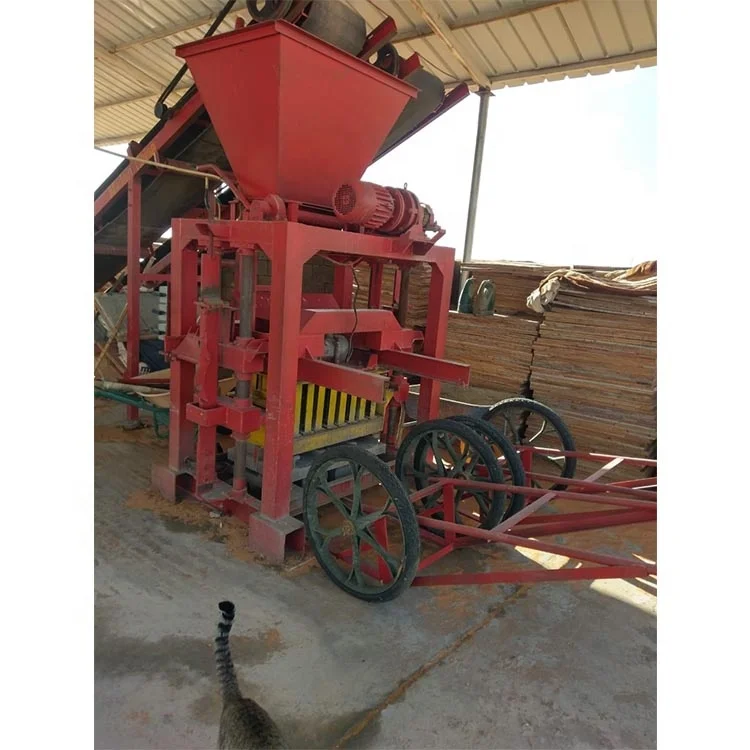
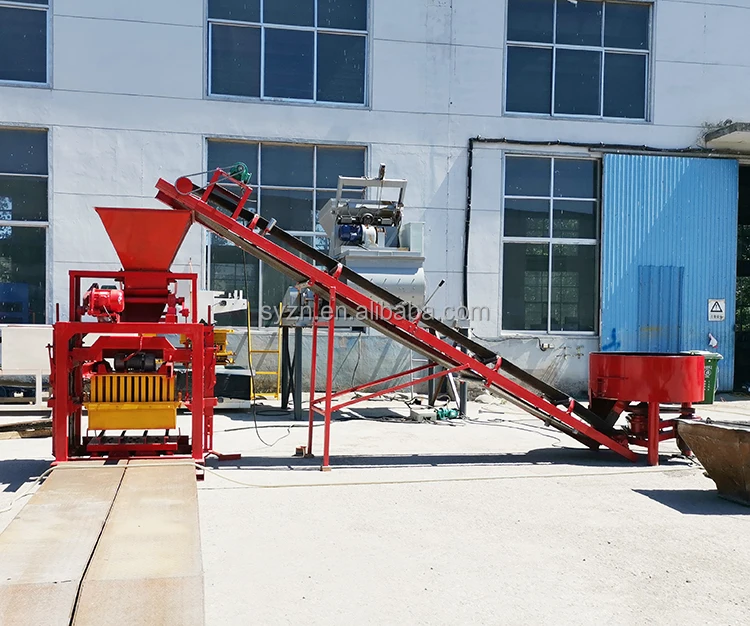
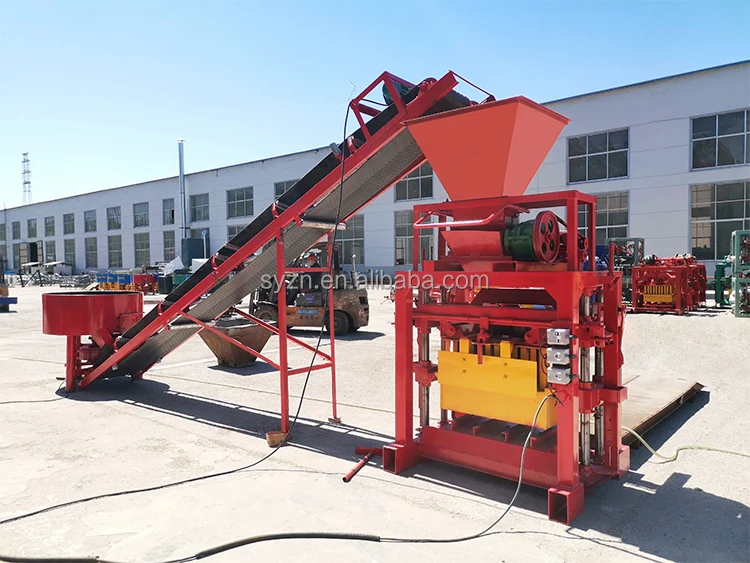
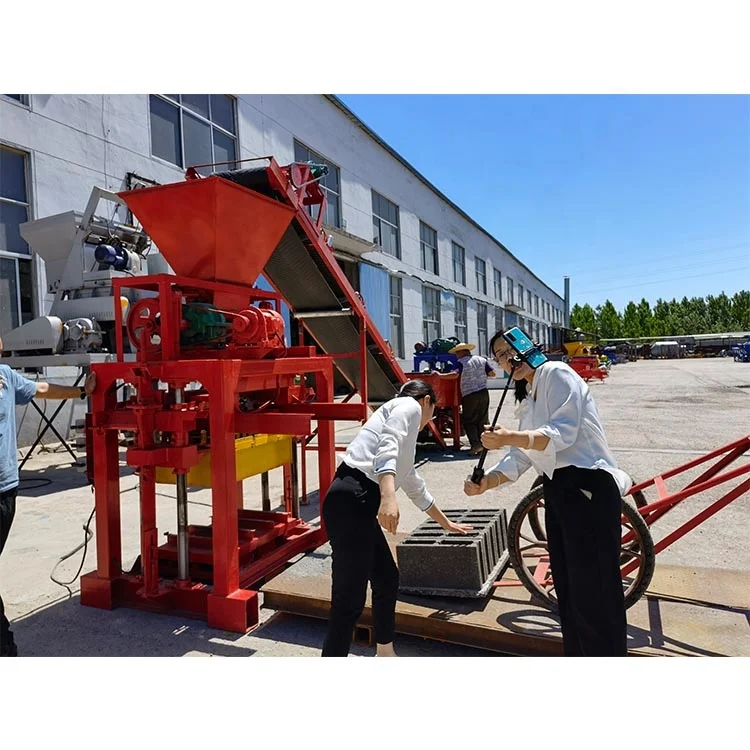
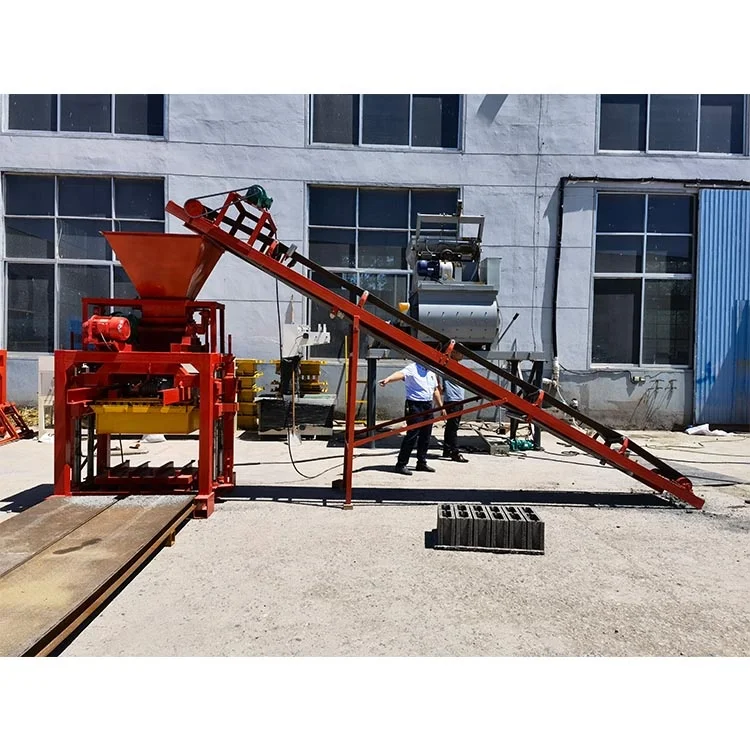
Stocked and ready — The QTJ4-35 block making machine sits in our yard crated and waiting, so a buyer working to a site deadline can skip the typical production queue and load a container within days instead of weeks.
Technical Specifications
| Parameter | Value |
|---|---|
| Model | QTJ4-35 |
| Product Type | Small Concrete Block Making Machine |
| Overall Dimensions (L×W×H) | 1350×1460×1800 mm |
| Net Weight | 1500 kg |
| Molding Cycle | 35 s |
| Vibration Frequency | 2800 r/min |
| Exciting Force | 30 kN |
| Total Power | 11.15 kW |
| Mixer Model | JQ350 |
| Pallet Size | 850×450×20 mm |
| Frame Construction | Four-lead channel steel stand |
| Automation Level | Semi-automatic |
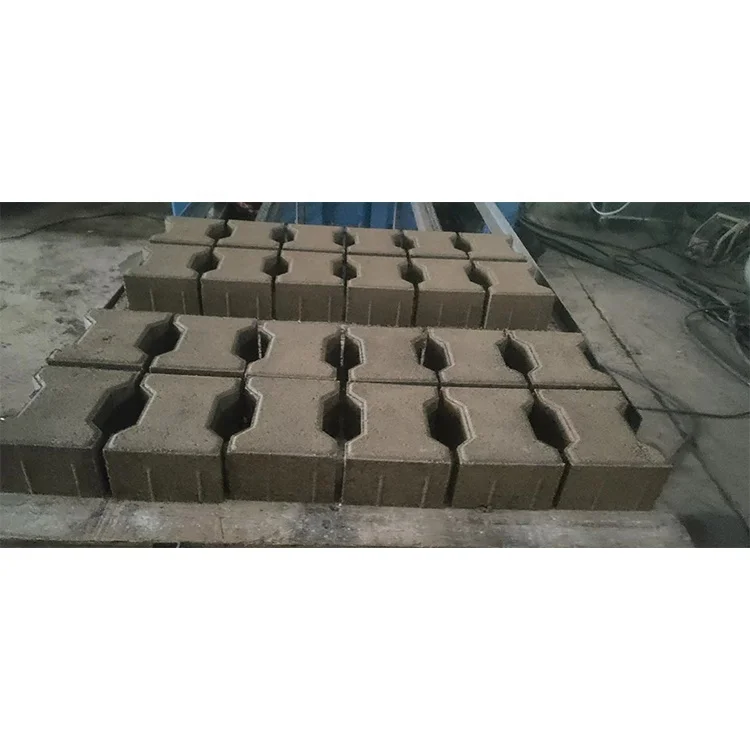
| Applied Products | Concrete hollow blocks (8 inch, 6 inch), solid bricks |
| Raw Materials | Crushed stones, sand, cement, dust, fly ash |
| Output Capacity | 408 pcs/h based on 400×200×200 mm hollow block, 4 pcs/mould |
| Output Capacity | 510 pcs/h based on 400×150×200 mm hollow block, 5 pcs/mould |
| Output Capacity | 2100 pcs/h based on 240×115×53 mm solid brick, 18 pcs/mould |
| Output per 8hr Shift | 3264 pcs based on 400×200×200 mm hollow block |
| Output per 8hr Shift | 4080 pcs based on 400×150×200 mm hollow block |
| Output per 8hr Shift | 17000 pcs based on 240×115×53 mm solid brick |
Application Suitability
| Application | Material or Output |
|---|---|
| On-site hollow block production for housing projects | 8 inch and 6 inch hollow blocks from crushed stone, sand and cement |
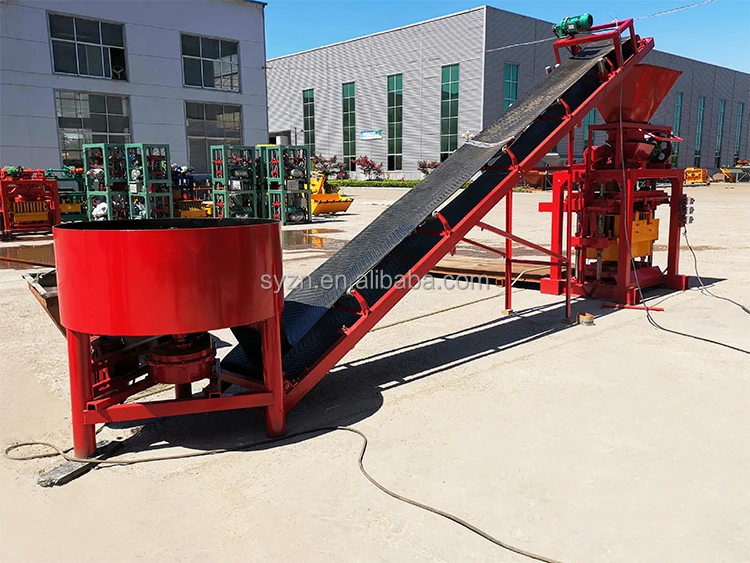
| First block plant for local entrepreneurs | Solid bricks and hollow blocks with JQ350 mixer included in the line |
| Contractor restocking before the next pour cycle | Fast-dispatch machine with pallets and standard moulds shipped together |
| Building material distributor compact model resale | Lightweight unit at 1500 kg, straightforward to move and install |
Why "Pieces per Hour" Without a Block Format Means Nothing
A capacity figure only matters when you know exactly which block it was measured on.
I have watched buyers compare two quotations side by side, pick the one that says higher output, and then wonder why the machine arrives and runs at half the expected rate. The reason is almost always that the quoted number assumed a small solid brick while the buyer intends to run 8 inch hollow blocks. With the QTJ4-35 small block making machine fast delivery, the 408 pieces per hour figure is tied to a 400×200×200 mm hollow block at four pieces per mould. Switch to solid bricks at eighteen per mould and the same machine reaches 2100 pieces per hour — a completely different number from the same press. Asking "per hour for which block?" before signing anything saves a difficult conversation later [NEED_CITE: capacity calculation methods for concrete block machines].
Dispatch Timing That Matches a Project Schedule
When a contractor wins a housing tender, the build calendar does not wait for a factory slot to open. The QTJ4-35 block machine in stock status means the press, mixer and pallets can move to the container yard while paperwork is still being finalised. A machine that leaves within days rather than weeks can be the difference between pouring foundations on schedule and paying idle crew costs while you wait.
Container Loading Without Special Arrangements
The overall footprint of 1350×1460×1800 mm and a net weight of 1500 kg let the QTJ4-35 fit into a standard 20GP container alongside its pallets, mixer and spare moulds. No flat-rack, no break-bulk, no special handling surcharge. The machine bolts down to the container floor on its four-lead channel steel stand, and arrives at the destination port as a single consolidated shipment that customs can clear in one lot [NEED_CITE: container loading practices for small industrial machinery].
Vibration Force and Molding Cycle Explained for Real Output
The 30 kN exciting force at 2800 r/min is what compacts the concrete mix inside the mould cavity. A 35-second molding cycle gives the vibration enough time to settle aggregate particles and push out trapped air before the block is demoulded onto the 850×450×20 mm pallet. If the cycle were shortened, blocks would leave the press with internal voids and crack during curing. If it were lengthened, daily output would drop below what a small crew needs to stay productive. The balance here is deliberate: enough force and time for a dense block, short enough to keep the operator busy rather than standing idle between cycles.
The Hidden Cost of Shipping a Machine Before Confirming Voltage
A QTJ4-35 arrives at a job site, the electrician connects it, and the motor hums but refuses to start. The factory wired it for 380V/50Hz while the local grid runs at 440V/60Hz. Now the buyer is sourcing a step-down transformer, the crew is sitting idle, and the project deadline is slipping. Voltage and frequency confirmation should be the second question in any quotation conversation, right after block format [NEED_CITE: voltage and frequency standards by export market]. I once saw a buyer lose two full weeks because this detail was skipped — the machine was fine, the power supply was not.
Why Buyers Source This Model Here
Block machinery is the only product category we build, so the QTJ4-35 press, the JQ350 mixer and the pallet specification are selected as one matched set rather than assembled from separate catalogues. Every machine is configured against the buyer’s stated raw material — if the local sand has a high clay content, the mix design is adjusted and sample blocks are pressed before the machine is crated. Moulds for the formats the buyer’s market actually sells are included in the quotation, and custom mould drawings can be produced when the local standard differs from the catalogue. Stock availability is confirmed in writing before payment so the dispatch date is not a guess.
Documentation & Verification
- Factory test record on buyer’s block format before the machine is crated
- Packing photographs showing container loading and pallet securing
- Machine specification sheet with confirmed voltage and control language
- Mould drawing and format list for every block type shipped
- Operation and maintenance manual in the buyer’s preferred language
- Customs documentation support for the destination port
Installation, Commissioning & Support
- The 11.15 kW total power draw requires a dedicated circuit sized to the confirmed voltage and frequency
- Four-lead channel steel stand bolts to a level concrete pad without a deep foundation
- Machine arrives assembled with mixer; pallets and moulds are loaded separately for protection
- First-run commissioning includes mix ratio adjustment to local aggregate and sand
- Operator training covers mould change procedure and daily vibration table inspection
- Wear parts list identifies items to reorder before the first replacement is due
What to Include in Your Inquiry
Tell us which block format you intend to produce as the primary product, the daily output you need, and the raw materials available at your site. Include your local voltage, frequency and the language you want on the control panel so we can wire and label the QTJ4-35 correctly before it leaves the factory. If you have existing pallets or a forklift with a specific lift capacity, share those dimensions so the pallet package matches what you already handle.
Frequently Asked Questions
Q: Is the QTJ4-35 currently in stock and what is the dispatch lead time?
A: Stock status is confirmed in writing at the time of inquiry. When available, the machine and its matched pallets can be moved to container loading within days. Dispatch timing depends on container availability at the nearest port and completion of pre-shipment testing on the buyer’s chosen block format.
Q: How many pallets are included and can additional pallets ship in the same container?
A: A standard pallet package ships with the QTJ4-35, sized at 850×450×20 mm to match the press. Additional pallets can be loaded into the same 20GP container alongside the mixer and moulds. The exact number depends on the block format and pallet material selected.
Q: What block formats and moulds are available from stock for this model?
A: Standard stock moulds cover 8 inch and 6 inch hollow blocks plus common solid brick sizes. Custom moulds can be produced to buyer drawings when the local market requires a format outside the standard range. Mould availability is confirmed at the quotation stage.
Q: Can voltage and frequency be confirmed to match my local power supply before dispatch?
A: Voltage, frequency and control language are confirmed before the machine is wired and tested at the factory. This step is part of the standard pre-dispatch process for every QTJ4-35 to avoid commissioning delays when the machine arrives on site.