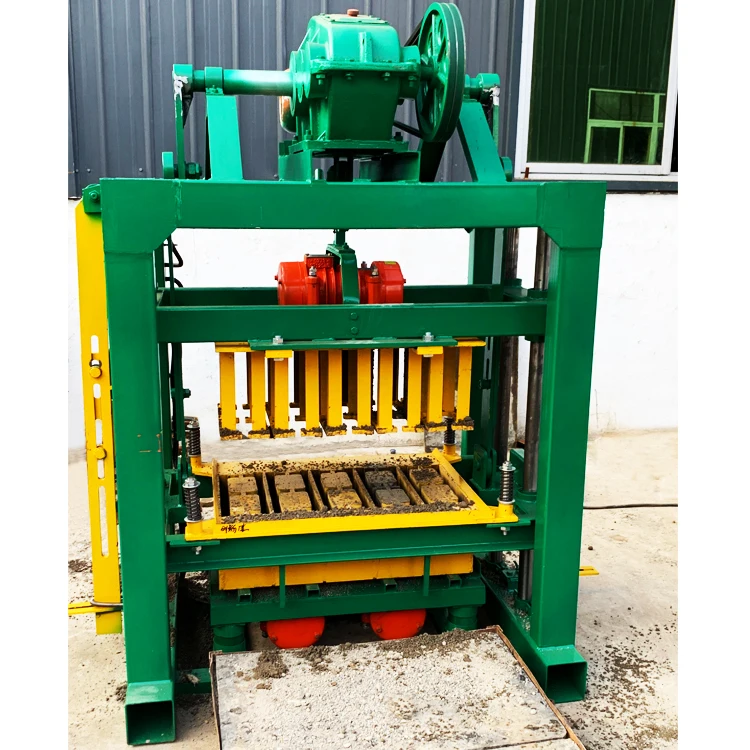
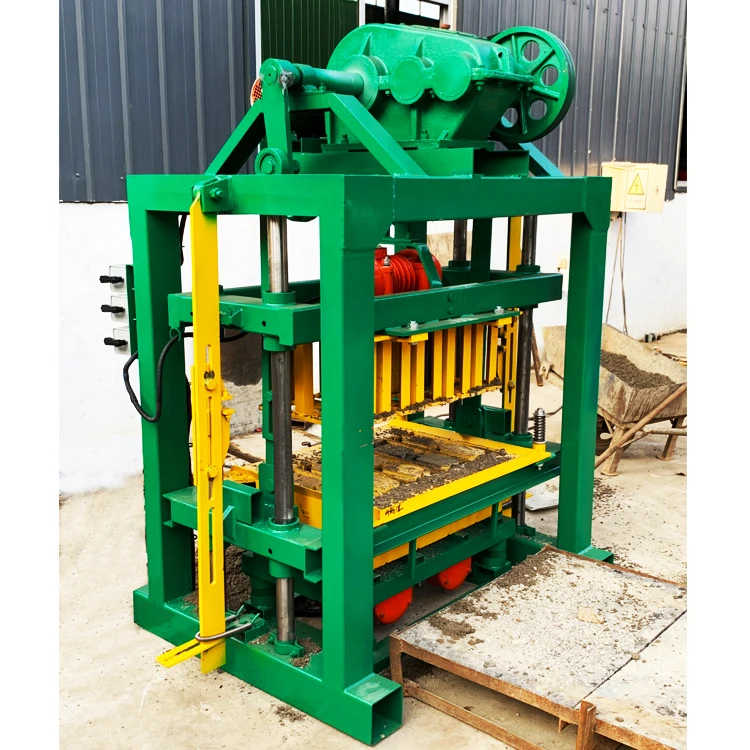
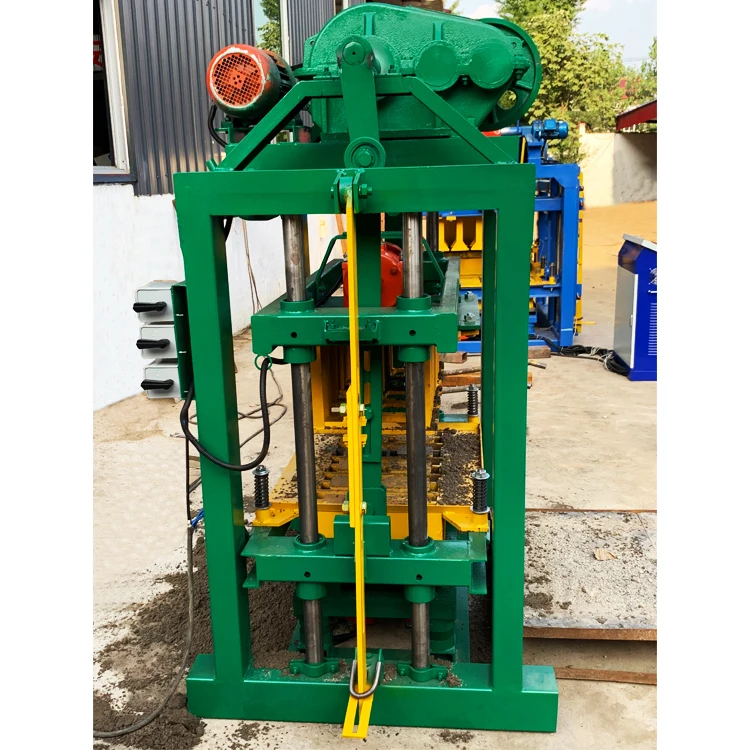
Description
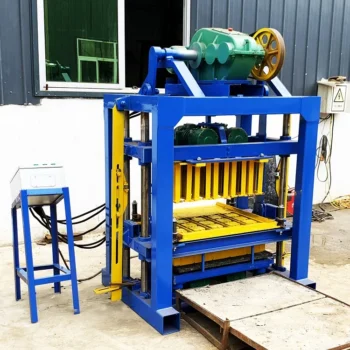
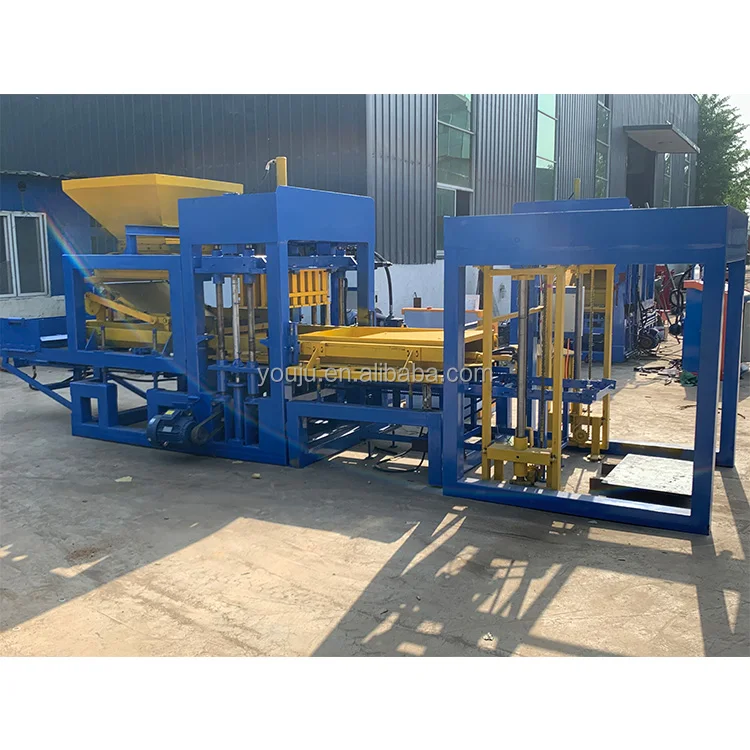
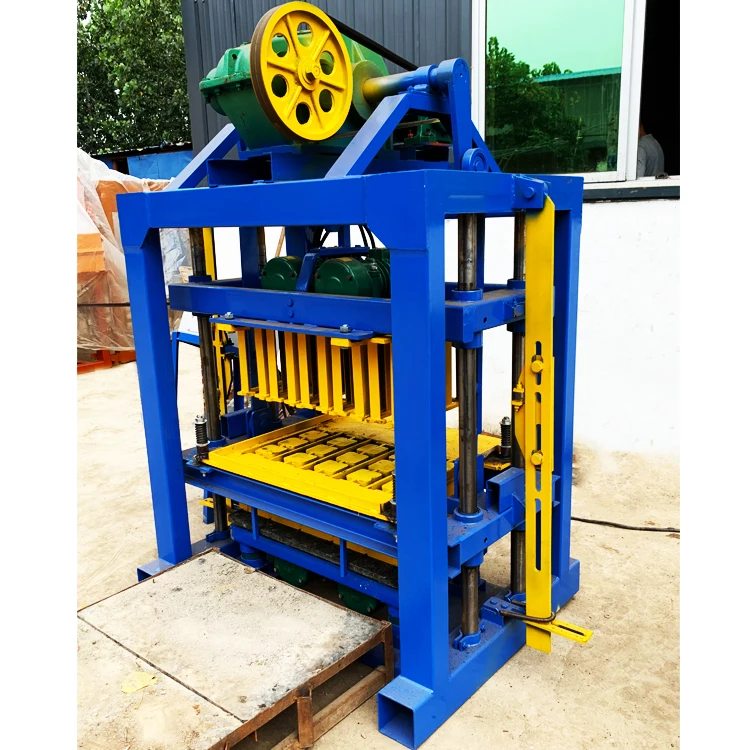
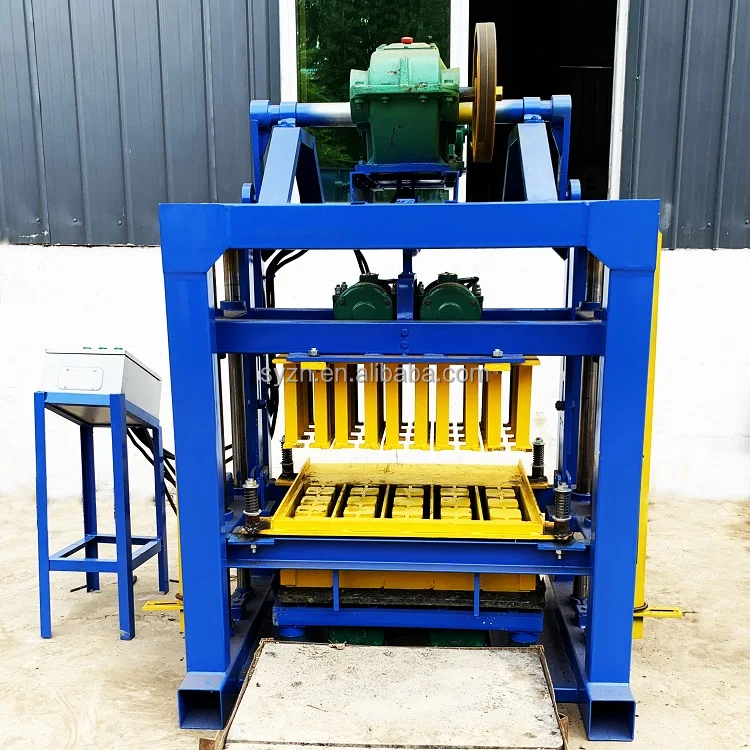
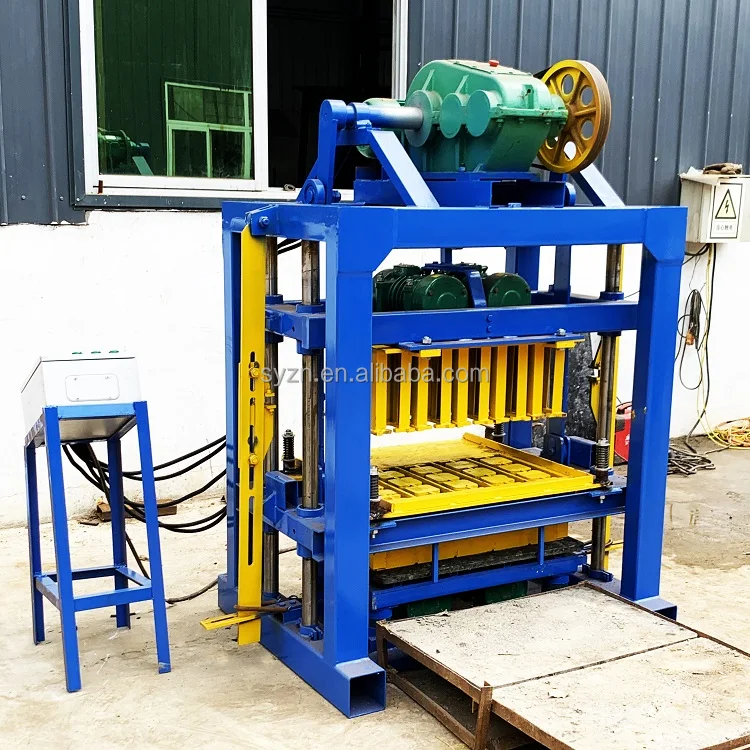
Stocked Configuration — the QTJ4-40 semi-automatic block machine ships with host machine, mould, and pallets packed in one container on a stated lead time, avoiding the multi-supplier coordination that delays typical project starts.
Technical Specifications
| Parameter | Value |
|---|---|
| Model | QTJ4-40 |
| Product Type | Semi-Automatic Concrete Block Making Machine |
| Overall Dimensions (L×W×H) | 1350×1460×1800 mm |
| Machine Power | 10.4 kW |
| Molding Cycle | 40 s |
| Output Capacity (Hollow Block) | 2880 pcs/day based on 400×200×200 mm, 4 pcs/mould |
| Output Capacity (Alternative Hollow) | 3600 pcs/day based on 400×150×200 mm, 5 pcs/mould |
| Output Capacity (Solid/Paver) | 6400 pcs/day based on 225×112.5×60 mm, 9 pcs/mould |
| Rated Throughput | 360 pcs/h based on 400×200×200 mm hollow block, 4 pcs/mould |
| Net Weight | 1.2 T |
| Pallet Size | 850×450×20 mm |
| Vibration System | Bed mould vertical vibration + upper mould compression vibration |
| Automation Level | Semi-automatic |
| Voltage | Configurable to local supply (basis to be confirmed before production) |
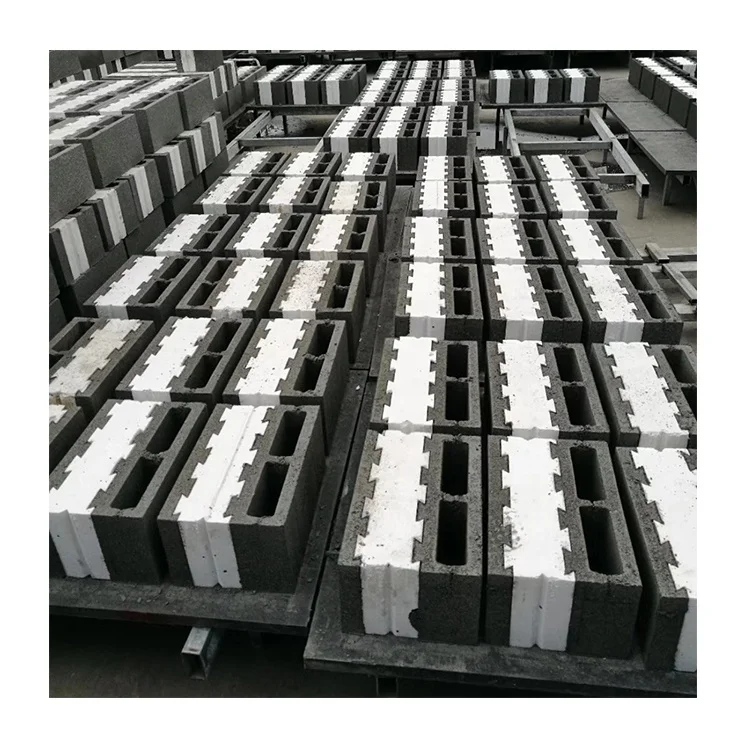
| Mould Compatibility | Hollow, solid, paver (8″, 6″, 5″, 4″; custom on request) |
| Pallet Material | Fiberglass (optional); locally sourced wooden pallets usable |
Application Suitability
| Application | Material or Output |
|---|---|
| On-site block production for housing projects | Crushed stone, sand, cement, water |
| Small plant hollow block manufacturing | Fly ash, lime, gypsum blended aggregates |
| Paving block runs for municipal contracts | Dense aggregate mixes for interlocking and rectangular pavers |
| First-plant entrepreneur startup | Standard cement-sand hollow and solid block formats |
| Building material distributor restock | Semi-automatic unit with fast dispatch for import catalogue |
What "2880 Pieces per Day" Actually Means on a Job Site
Every capacity figure on this page is tied to a specific block size, mould cavity count, and cycle time — no generic headline number.
I have seen contractors sign off on a block machine because the brochure said "3000 per day," only to discover that figure assumed a solid brick they never intended to sell. When they switched the mould to the 8-inch hollow block their market actually buys, output dropped to less than half the quoted number. On a fixed-deadline housing project, that miscalculation means either paying for a second shift or missing the construction timeline entirely. With the QTJ4-40, the semi-automatic block machine in stock fast delivery schedule is only half the picture; the other half is knowing exactly which block format drives which output number before the container is booked. [NEED_CITE: block output calculation standards by format and cycle time]
Dispatch Timing and Container-Ready Packing
For a project with a hard deadline, waiting on a machine that is still being built is not an option. This semi-automatic block machine in stock fast delivery arrangement means the host machine, standard mould set, and fiberglass pallets are specified together and staged for container loading. The QTJ4-40 ships in a dismantled configuration designed to fit a standard container without custom crating, so port clearance and inland transport follow a predictable path. Buyers receive packing photographs and a loading plan before the container is sealed, which removes the most common source of arrival-side surprises.
Matching Pallet and Mould to Your Existing Yard
The pallet size of 850×450×20 mm is not a throwaway detail. It determines how your forklift picks and places, how many pallets fit on a curing rack, and whether wet blocks can be moved without breakage. I once watched a plant in Sri Lanka stack blocks by hand for three weeks because the pallet dimensions did not match the curing racks already welded on site. With the QTJ4-40, pallet size is confirmed against the buyer’s yard layout before dispatch. The semi-automatic block machine in stock fast delivery model also supports locally sourced wooden pallets if fiberglass supply is a constraint, giving operators a practical fallback once the first replacement batch is due. [NEED_CITE: pallet handling standards in semi-automatic block production]
Reading the Specs That Actually Matter on Site
The 40-second molding cycle sets the rhythm for the entire line. In a semi-automatic setup, an operator manually feeds the pallet and removes the finished block, so the real cycle includes that handling time on top of the 40-second press cycle. The vibration system combines bed mould vertical vibration with upper mould compression vibration, which together compact the mix into the cavity and determine block density and green strength. The 10.4 kW motor rating is modest by industrial standards, which keeps power requirements manageable on sites where grid capacity is limited or generator sizing is tight. Mould compatibility across 8-inch, 6-inch, 5-inch, and 4-inch hollow formats, plus solid and paver options, means a single host machine covers the formats most small plants sell. Voltage is configurable to the buyer’s local supply and confirmed before production starts, preventing the commissioning delays that occur when a machine arrives wired for a frequency the local grid does not provide.
The Cost of Skipping the Pre-Shipment Checklist
I have seen machines sit on a dock for weeks because the control panel was labelled in a language the local operators could not read, or the voltage was set for a three-phase supply the site did not have. Those are not machine failures; they are ordering failures. When voltage, frequency, control language, and pallet material are not locked before the container leaves, the semi-automatic block machine in stock fast delivery advantage is erased by delays on the receiving end. A buyer who skips the pre-shipment confirmation to save a few days in ordering often loses far more time after arrival. [NEED_CITE: commissioning delays caused by unconfirmed electrical specifications]
Why This Is Where Project Buyers Source
Block machinery is the single focus here, so the QTJ4-40 is specified as one matched system — host machine, mould, pallet, and handling — rather than assembled from separate suppliers. Configuration is set against the buyer’s actual block format and local aggregate, not a catalogue default. Stocked models and standard moulds are available for fast dispatch, which matters when a contractor is working against a project start date. Container loading and machine dismantling are planned so arrival estimates can be quoted before the order is placed. The buying process is kept simple: confirm format, confirm voltage, confirm pallet, and the machine ships.
Documentation & Verification
- Line layout showing QTJ4-40 placement with pallet flow and curing area dimensions
- Capacity calculation table per block format with cycle time and mould cavity count
- Mould drawing and format list confirming hollow, solid, and paver options
- Voltage and control language confirmation sheet signed before production
- Factory test record on buyer’s target block format before dispatch
- Packing photographs and container loading plan before shipment
Installation, Commissioning & Support
- Compact 1350×1460×1800 mm footprint allows setup in constrained on-site yards
- 10.4 kW total power requires a dedicated circuit sized for starting surge
- Dismantled shipment means host machine and mould reassembly on arrival
- Voltage confirmed to local supply before dispatch to avoid rewiring on site
- Pallet size 850×450×20 mm verified against curing racks and forklift before shipping
- Wear parts and mould liners packed in the same container as the host machine
Before You Request a Quote
To get a dispatch date and an output figure you can plan around, share your target block format and size, the daily quantity your project or market requires, and your local voltage and frequency. If you already have curing racks and a forklift on site, send the pallet dimensions you are currently using so we can confirm compatibility with the 850×450×20 mm standard or discuss alternatives.
Frequently Asked Questions
Q: What is the realistic daily output and which block format does it assume?
A: Output is stated per format: 2880 pcs/day for 400×200×200 mm hollow blocks at 4 pcs/mould, 3600 pcs/day for 400×150×200 mm at 5 pcs/mould, and 6400 pcs/day for 225×112.5×60 mm pavers at 9 pcs/mould. The 40-second molding cycle is the press time; actual daily throughput depends on operator speed in pallet handling during semi-automatic operation.
Q: How quickly can the QTJ4-40 be dispatched and what is the container loading arrangement?
A: Stocked semi-automatic block machine in stock fast delivery models are staged for container loading once voltage and pallet specifications are confirmed. The machine ships dismantled to fit standard containers. Packing photographs and a container loading plan are shared before dispatch so buyers can plan port clearance and inland transport.
Q: Is the voltage and frequency confirmed before shipment, and what about PLC display language?
A: Voltage is configurable to the buyer’s local supply and confirmed before production starts. Control system details, including display language, are locked at the order stage to prevent commissioning delays on arrival. This confirmation is part of the documentation package shipped with the machine.
Q: Which moulds are included as standard and how long does a mould change take on site?
A: Standard moulds cover hollow, solid, and paver formats in 8-inch, 6-inch, 5-inch, and 4-inch sizes, with custom sizes available on request. Mould change time depends on the operator’s familiarity with the system; first-time changes take longer, but the process is mechanical and does not require specialist tools.
Q: What pallet material and size is supplied, and can I use locally sourced wooden pallets?
A: Fiberglass pallets at 850×450×20 mm are available as an option. Locally sourced wooden pallets of the same dimensions are also usable, which gives buyers a practical replacement path once the initial set wears. Pallet size should be verified against existing curing racks and forklift dimensions before shipment.