Description
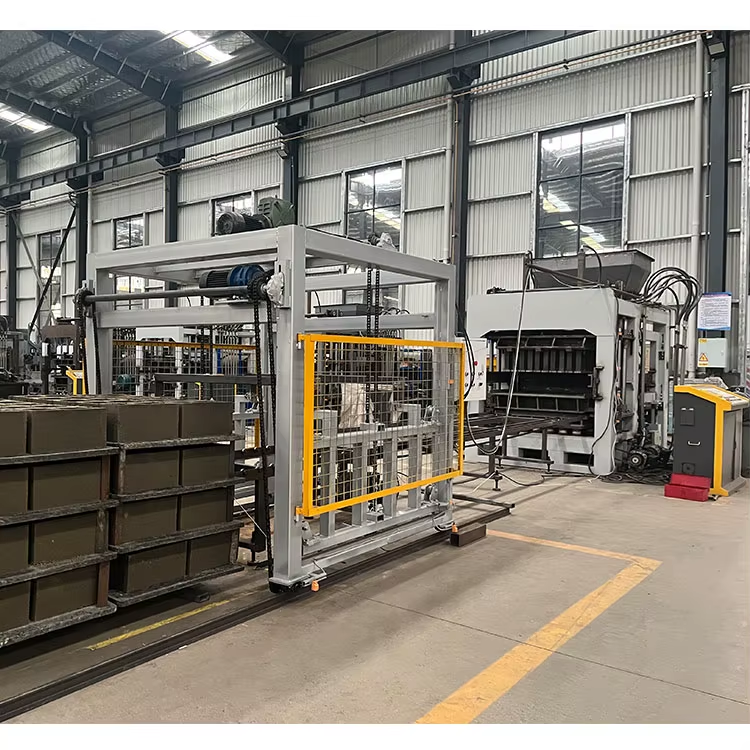
Standard Mould Inventory — Pre-matched mould sets for common block formats are kept alongside the main press, ensuring the QT10-15 block making machine in stock ships as a complete, ready-to-run unit without waiting for custom fabrication.
Technical Specifications
| Parameter | Value |
|---|---|
| Model | QT10-15 |
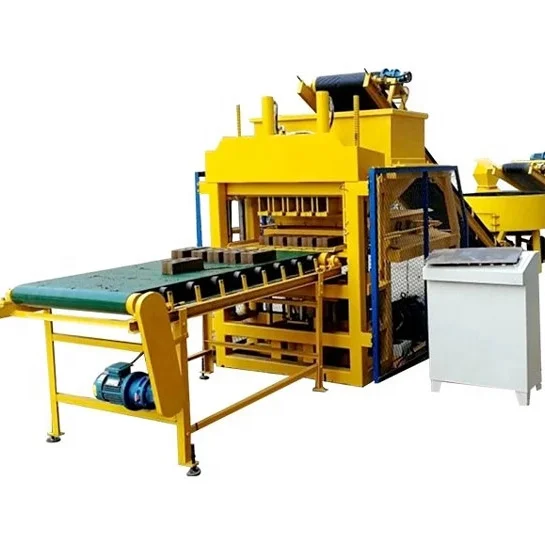
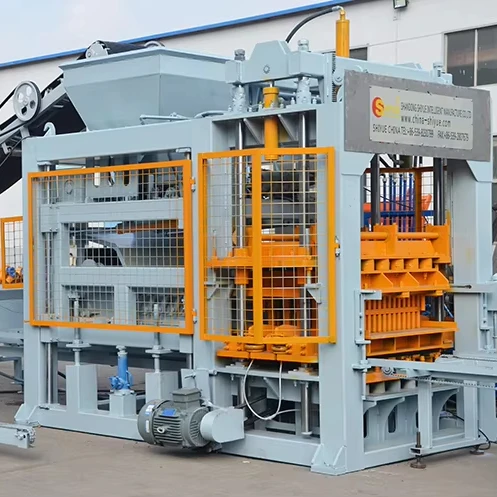
| Product Type | Fully Automatic Hydraulic Block Making Machine |
| Method | Hydraulic pressure |
| Automation Level | Automatic |
| Voltage | 380V |
| Overall Dimensions (L×W×H) | 9350x2320x2950mm |
| Net Weight | 9500 kg |
| Mould Format | 400×100×200 mm, 400×120×200 mm, 200×100×60 mm, 300×150×100 mm, 400×150×200 mm, 240×115×90 mm, 200×200×60 mm, 150×150×100 mm, 400×200×200 mm, 230×220×115 mm |
| Raw Material | Concrete, cement, crushed stone, sand |
| Core Components | Motor, Pump |
| Warranty | More Than 5 Years |
| Color | Customized |
| Standards | Machinery Test Report Provided, Video Outgoing-inspection Provided |
Application Suitability
| Application | Material or Output |
|---|---|
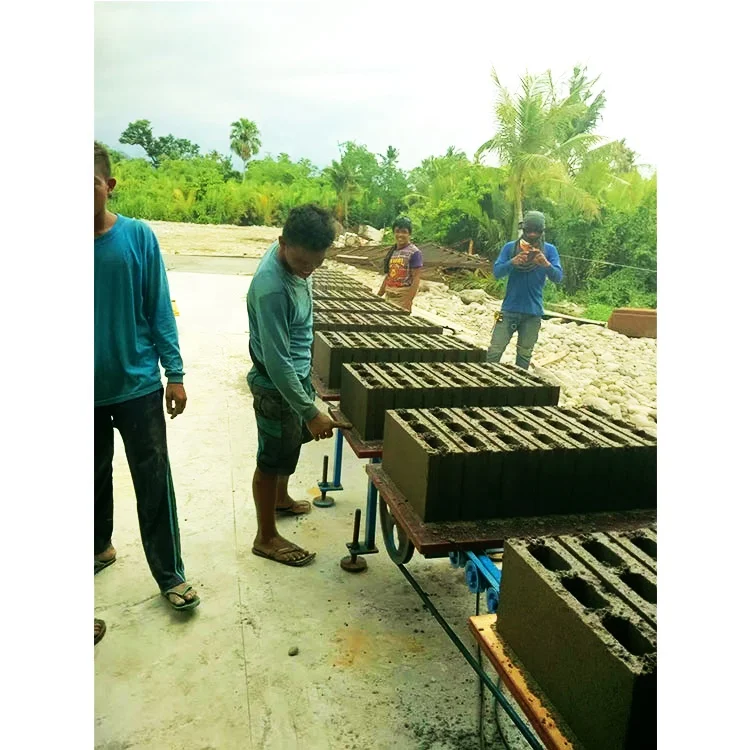
| Building construction | Hollow blocks from concrete and crushed stone |
| Paving projects | Paving blocks from cement and sand |
| Landscaping and roads | Interlock blocks and curbstone blocks |
Why Dispatch Timing Matters More Than Catalogue Promises
When a construction deadline looms, waiting for extended production runs or dealing with missing customs paperwork can halt an entire site. Securing a QT10-15 block making machine in stock means the equipment is already assembled, pre-tested, and staged for immediate container loading. Immediate physical availability eliminates the uncertainty of manufacturing lead times.
I have seen project timelines collapse because a machine was stuck in a factory waiting for a specific motor or control component that was out of supply. When equipment is held in ready-to-ship inventory, the risk of component shortages delaying your delivery vanishes. The focus shifts from tracking production milestones to coordinating straightforward logistics and arrival estimates [NEED_CITE: standard maritime freight transit times and port clearance procedures].
Staged Inventory and Rapid Dispatch Protocols
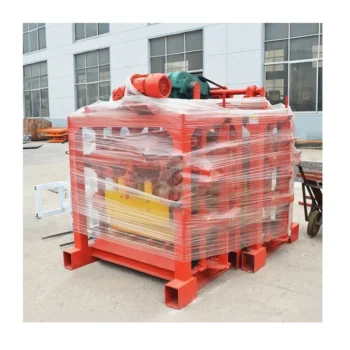
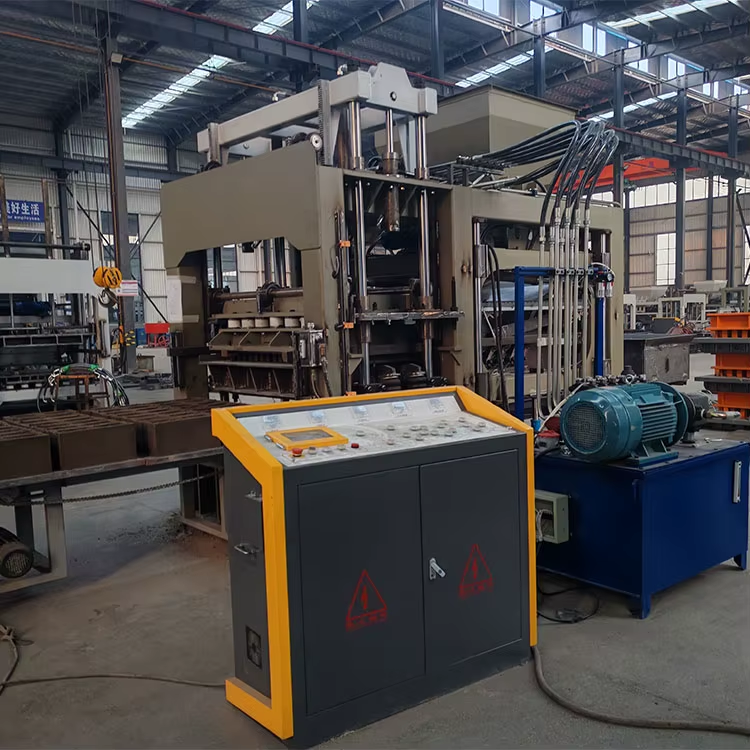
Maintaining a QT10-15 block making machine in stock requires more than just parking a finished press in a warehouse. The hydraulic pump, main motor, and electrical cabinets are fully integrated and tested under load before the machine is staged. This ensures that when a purchase order is confirmed, the dispatch process involves final weatherproofing and securing the unit for transport, rather than starting the assembly process from scratch.
Container Loading and Dismantling for Transit
The 9350x2320x2950mm overall dimensions dictate a specific dismantling and loading strategy for ocean freight. The upper hydraulic assembly and control enclosures are carefully detached and crated to fit standard shipping containers alongside the main 9500 kg frame. This optimized loading plan prevents transit damage and ensures that all components arrive at the destination port together, avoiding split shipments that delay site assembly [NEED_CITE: heavy machinery container loading and lashing standards].
Decoding the Physical Footprint and Power Requirements
The 9350mm length and 2950mm height of the main frame require a prepared concrete foundation with adequate overhead clearance for the hydraulic head movement. The 380V electrical setup powers the core motor and hydraulic pump, demanding a stable local grid or a correctly sized generator on the construction site. The inclusion of ten distinct mould formats, ranging from 200×100×60 mm pavers to 400×200×200 mm hollow blocks, means the physical mould storage area on-site must accommodate multiple heavy steel plates. The automatic control system manages the hydraulic pressure cycles, but the physical footprint of the raw material feed and block output areas must be planned around these fixed frame dimensions.
The Hidden Cost of Uncoordinated Upstream Equipment
A fully automatic hydraulic press is only as fast as the material feeding it. I once inspected a site where a high-capacity host press was paired with an undersized mixer. The result was a bottleneck where pallets jammed at the feeding station because the mixer could not supply concrete fast enough to keep up with the press cycle. The entire line stalled, and the automatic features became useless. Verifying that your upstream batching and mixing equipment can match the physical cycle speed of the press before dispatch is critical to avoiding these costly site paralysis scenarios [NEED_CITE: material handling bottleneck analysis in concrete production].
Why Source From Our Ready-Ship Inventory
Our focus on block machinery means the QT10-15 block making machine in stock is not a generic press adapted from other industries; it is engineered specifically for concrete forming. We configure the machine against your local aggregate and target block format before it leaves the factory, ensuring the hydraulic pressure is correctly mapped to your material. The moulds included are selected for the formats your market actually buys, eliminating the wait for custom tooling. We offer selectable automation levels, allowing you to start with the current automatic setup and plan future upgrades. Finally, our installation support includes operator training to ensure the machine runs correctly from day one.
Documentation & Verification
- Factory test record demonstrating hydraulic pressure cycles on your specific block format before dispatch.
- Video outgoing-inspection showing the 380V electrical system and motor running under load.
- Detailed packing photographs documenting the dismantling and container loading of the 9500 kg frame.
- Complete customs documentation support including accurate HS codes for fast port clearance.
- Machinery test report verifying the dimensional accuracy of the included standard mould formats.
Installation, Commissioning & Support
- Concrete foundation must support the 9500 kg net weight and dynamic hydraulic pressure forces.
- Dedicated 380V power circuit required for the main motor and hydraulic pump startup.
- Dismantled upper assemblies require overhead crane access for reattachment on the 2950mm high frame.
- Initial commissioning includes verifying hydraulic pressure settings for your specific concrete mix.
- Operator training covers the automatic control interface and safe mould changing procedures.
- Wear parts list provided for the hydraulic seals and core pump components to ensure maintenance readiness.
Planning Your Site Integration
To ensure the equipment integrates smoothly into your operation upon arrival, we need to understand your site conditions. Please provide details on your local 380V power stability, the physical dimensions of your curing and storage areas, and the specific block formats you intend to run first. This allows us to verify the container loading plan and confirm the arrival estimate matches your construction schedule.
Frequently Asked Questions
Q: What is the current stock status and dispatch lead time for the QT10-15?
A: The QT10-15 block making machine in stock is fully assembled and pre-tested. Dispatch lead times are minimal, primarily involving final weatherproofing, dismantling for container loading, and securing transport to the port. We provide upfront arrival estimates based on your destination port to align with your project deadlines.
Q: How is the machine dismantled and loaded for container shipment?
A: The 9350x2320x2950mm frame is too large for a single standard container intact. The upper hydraulic assemblies and control cabinets are carefully detached, crated, and loaded alongside the main frame. This optimized loading prevents transit damage and ensures all components arrive together.
Q: Are voltage and control parameters confirmed before dispatch to avoid arrival delays?
A: Yes. The machine is configured for a 380V electrical setup. Before dispatch, we verify the voltage and frequency requirements of your local grid to ensure the motor and pump operate correctly upon arrival, preventing commissioning delays caused by power mismatches.
Q: What customs documentation and packing details are provided for fast clearance?
A: We provide comprehensive customs documentation support, including accurate machinery classifications. You also receive detailed packing photographs showing exactly how the 9500 kg frame and components are secured inside the containers, facilitating smooth inspections and fast port clearance.
Q: How quickly can installation begin after the machine arrives on-site?
A: Installation can begin immediately upon delivery, provided your concrete foundation and 380V power supply are ready. Because the machine was pre-tested and systematically dismantled for shipping, reassembling the hydraulic and automatic control components follows a straightforward, documented sequence.