Description
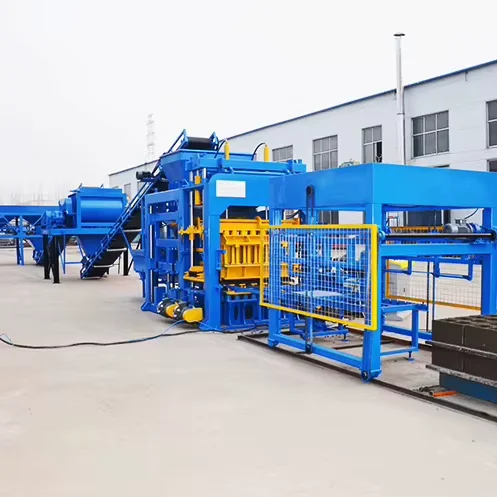
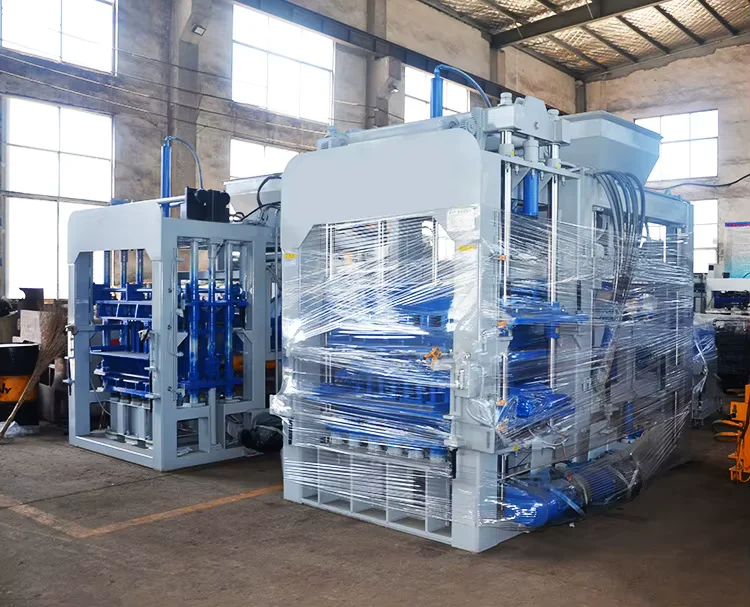
Single-Focus Block Machinery — machine, mould, pallet and handling are specified as one matched system rather than assembled from separate suppliers, ensuring every stocked unit ships with fully compatible auxiliary components for immediate site deployment.
Technical Specifications
| Parameter | Value |
|---|---|
| Model | QT12-15 |
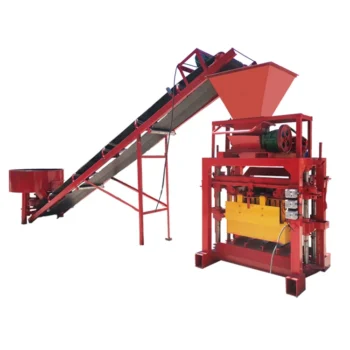
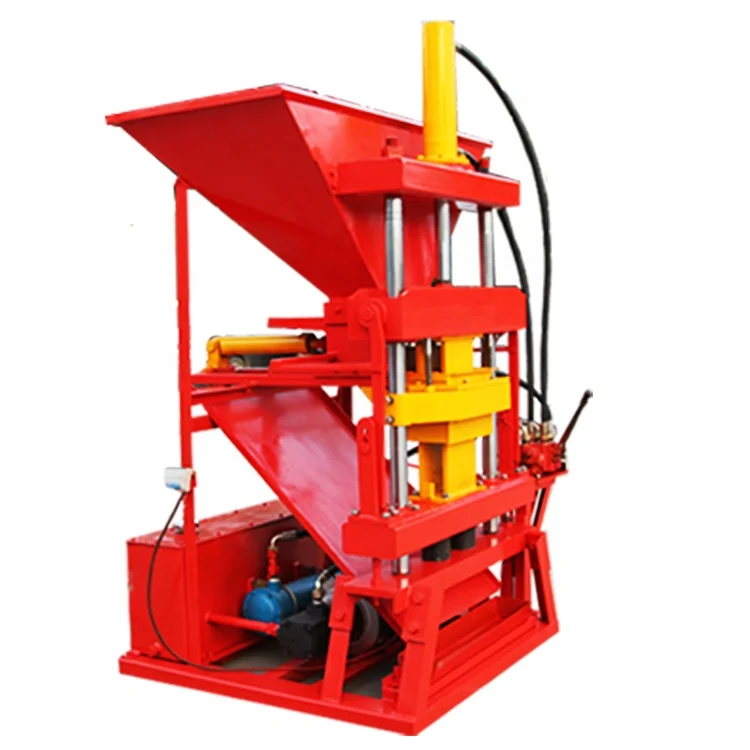
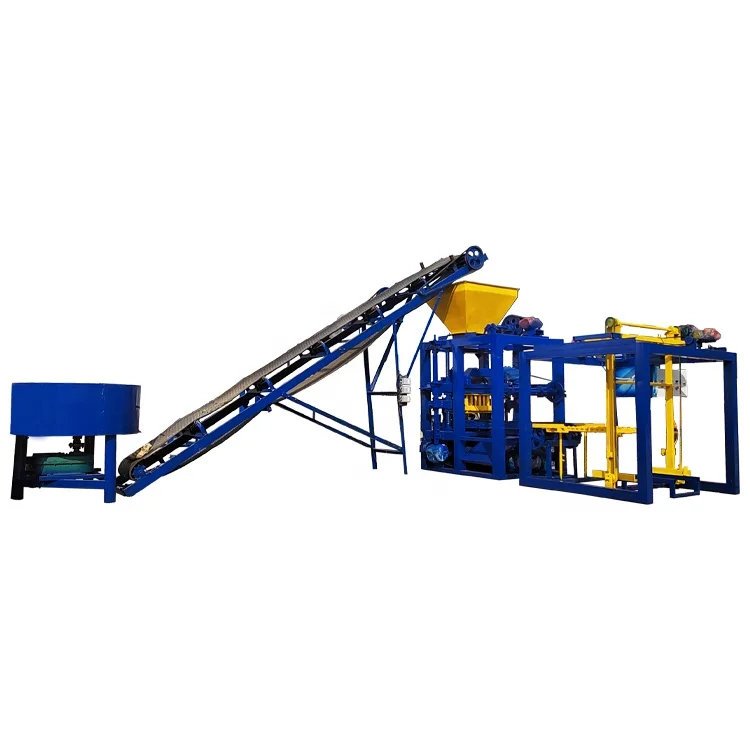
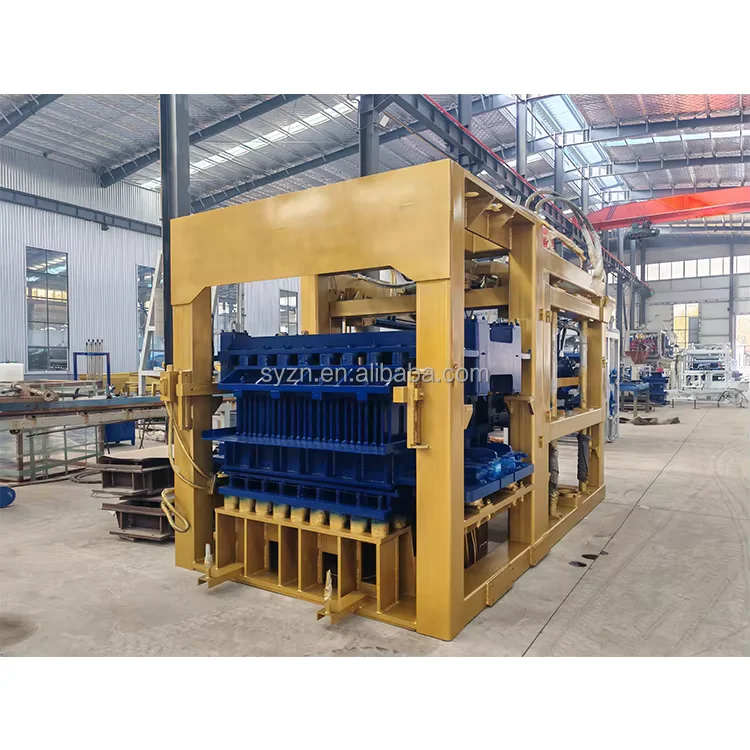
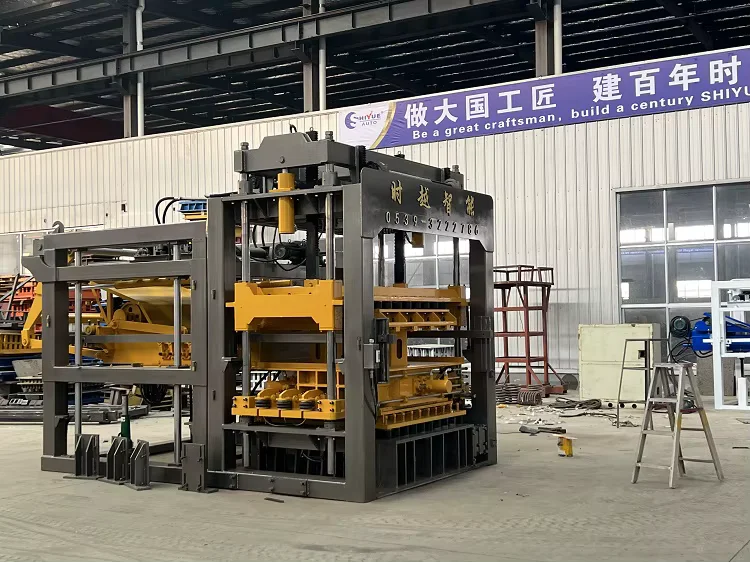
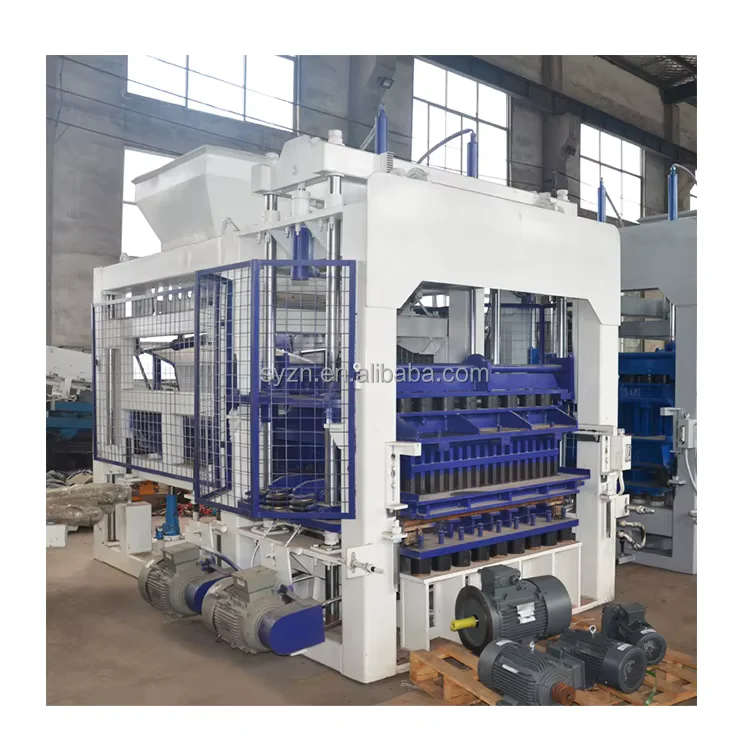
| Product Type | Automatic Concrete Block Press Machine |
| Control System | PLC |
| Pressing Method | Hydraulic pressure |
| Voltage Options | 110 V, 220 V, 240 V, 330 V, 380 V, 400 V, 415 V, 440 V |
| Overall Dimensions (L×W×H) | 5870 × 2220 × 2850 mm |
| Net Weight | 12000 kg |
| Supported Brick Sizes | 400×100×200 mm, 400×120×200 mm, 390×190×190 mm, 200×100×60 mm, 300×150×100 mm |
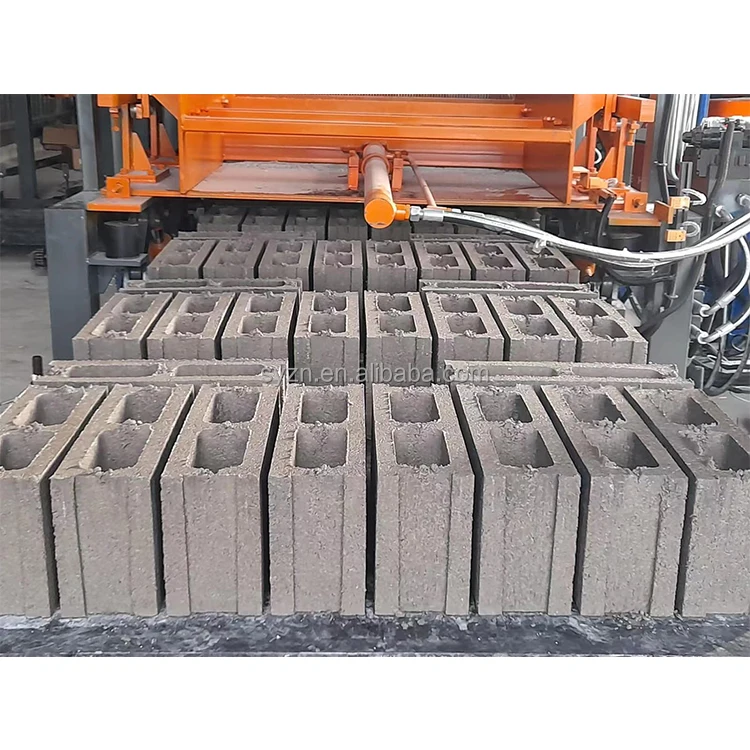
| Block Types | Hollow, Solid, Paver Block, Curbstone, Interlocking |
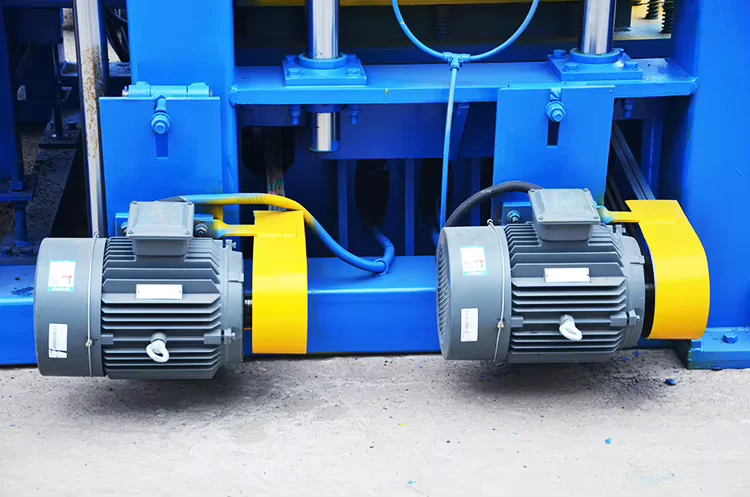
| Core Components | PLC, Pressure Vessel, Engine, Gear |
| Color Options | Blue, Black, Green, Yellow, White, Customer’s Request |
| Automation Level | Fully Automatic |
| Warranty | 1 Year |
| Output Capacity | (basis not stated in source — confirm block format / material / thickness) |
| Cycle Time | (basis not stated in source — confirm block format / material / thickness) |
Application Suitability
| Application | Material or Output |
|---|---|
| Housing development projects | Hollow and solid concrete blocks for structural walls |
| Urban paving and landscaping | Interlocking bricks and paver blocks for walkways |
| Road and highway construction | Curbstones and heavy-duty paving blocks |
| Commercial building sites | Standard concrete masonry units for rapid enclosure |
Why the Dispatch Date Matters More Than the Brochure
Waiting for equipment fabrication is the primary reason construction schedules slip past their deadlines. Securing a QT12-15 automatic concrete block press machine in stock eliminates the manufacturing delay entirely, allowing site preparation and equipment arrival to happen in parallel.
When a housing project falls behind schedule, every day the foundation sits empty burns capital and delays handover. Buyers working against strict contractual penalties cannot afford typical multi-week lead times for custom-built presses. Sourcing pre-assembled machinery bypasses the production queue, ensuring the plant is ready to pour concrete the moment the curing area is cleared [NEED_CITE: impact of equipment lead times on construction project delays].
Immediate Availability for Tight Deadlines
Finding a QT12-15 automatic concrete block press machine in stock means the mainframe and hydraulic station are already assembled, tested, and sitting on the factory floor. This readiness shifts the timeline from manufacturing weeks to mere dispatch days. For contractors who just secured a late-stage building contract, this immediate availability is the difference between mobilizing on time and losing the bid to a faster competitor.
Standard Moulds Ready for Dispatch
Alongside the main press, standard moulds for hollow, solid, and paver formats are kept in inventory to match the machine’s platen dimensions. This prevents the common bottleneck where the press arrives but the specific block profiles are still in the machining queue. Having the moulds packed in the same container ensures the operator can run test batches on day one of commissioning.
Dismantling and Container Loading Protocols
Shipping a 12-ton press requires precise dismantling to fit standard container dimensions without damaging the hydraulic lines. The QT12-15 is broken down into logical sub-assemblies, with the PLC cabinet and pressure vessel secured separately to prevent transit damage. This standardized loading procedure guarantees that the equipment arrives at the port of destination intact and ready for rapid reassembly [NEED_CITE: standard container loading procedures for heavy block machinery].
Navigating Customs and Port Clearance
Equipment sitting at a port due to missing paperwork destroys any time saved during manufacturing. Every stocked unit ships with a complete set of customs documentation, including the machinery test report and outgoing-inspection video. Providing these verified records upfront prevents inspection holds at the destination port, keeping the inland transport schedule on track.
Matching Voltage to the Local Grid
Arriving with a press wired for the wrong frequency or voltage requires costly local rewiring and delays commissioning. The available voltage configurations range from 110 V to 440 V, allowing the exact unit to be selected based on the destination site’s grid specifications. Confirming the PLC display language and power requirements before the container is sealed ensures the machine powers up correctly upon arrival.
The Hidden Costs of Rushed Procurement
Sourcing equipment urgently often leads buyers to overlook critical site prerequisites, resulting in delayed startups. If the local aggregate requires a specific moisture content that the existing batching plant cannot handle, the press will sit idle regardless of how fast it was shipped. Failing to verify the curing area’s forklift capacity against the loaded pallet weight creates a secondary bottleneck that no amount of expedited shipping can solve [NEED_CITE: common site preparation failures in rapid block plant deployment].
Why Source Your Equipment Here
Block machinery is the sole focus of this operation, meaning the press, moulds, and pallets are verified as a matched system before they ever reach the staging area. Stock levels are maintained specifically for high-demand models like the QT12-15, ensuring that urgent inquiries are met with actual floor inventory rather than future production slots. The dispatch process includes pre-shipment testing records for the exact serial number being loaded, giving buyers complete visibility into the unit’s condition. Furthermore, container loading plans are finalized before the order is confirmed, providing an accurate arrival estimate that contractors can build their project schedules around.
Documentation & Verification
- Factory test record specific to your selected voltage and PLC language configuration.
- Video outgoing-inspection showing the exact stocked unit running under hydraulic pressure.
- Machinery test report validating the hydraulic pressure vessel and core gear components.
- Complete customs documentation pack to prevent destination port clearance delays.
- Detailed container loading plan showing dismantling state and securing points.
Installation, Commissioning & Support
- Foundation must support the 12000 kg net weight and dynamic hydraulic vibration forces.
- Dedicated power circuit required matching the selected voltage option up to 440 V.
- Machine arrives dismantled into sub-assemblies for rapid on-site reassembly and alignment.
- PLC control system parameters set to local language during pre-dispatch factory testing.
- Standard moulds for 390×190×190 mm blocks included for immediate first-run calibration.
- Wear parts list provided to ensure local sourcing of high-friction hydraulic and gear components.
Preparing Your Site for Immediate Deployment
To ensure the dispatched equipment integrates smoothly into your operation, please provide your target daily output and the specific block formats required for your current project. We also need to confirm your site’s available voltage and frequency, along with the dimensions of your planned curing area to verify pallet handling compatibility. Finally, let us know if you require specific operator training focused on rapid mould changeovers to maximize your first week of production.
Frequently Asked Questions
Q: What is the exact dispatch lead time and arrival estimate for the QT12-15?
A: Because this model is kept in stock, the dispatch lead time is limited to the days required for final inspection, dismantling, and container loading. The arrival estimate depends entirely on the ocean freight route to your destination port, which is quoted upfront based on current shipping schedules before the order is finalized.
Q: Are standard moulds for my required block formats currently in stock?
A: Standard moulds for common formats like hollow, solid, and paver blocks are maintained in inventory to match the machine’s platen dimensions. When you specify your required brick sizes from the supported range, we verify the physical stock of those specific moulds and include them in the same container shipment.
Q: How is the machine dismantled and loaded into containers for fast shipment?
A: The 12000 kg press is broken down into logical sub-assemblies to fit standard shipping containers without bending hydraulic lines. The PLC cabinet and pressure vessel are secured separately to prevent transit damage, and a detailed loading plan is provided so your local team knows exactly how to unload and reassemble the components.
Q: Can the voltage and PLC display language be confirmed before immediate dispatch?
A: Yes, the unit can be selected from available voltage options ranging from 110 V to 440 V to match your local grid. The PLC display language is also configured and tested during the pre-dispatch inspection, ensuring the control system is fully readable for your operators the moment it is powered on site.
Q: What customs documentation support is provided to prevent port delays?
A: Every shipped unit includes a comprehensive documentation pack featuring the machinery test report, video outgoing-inspection, and CE declaration where applicable. These verified records are prepared alongside the commercial shipping documents to prevent inspection holds and ensure smooth clearance at your destination port.