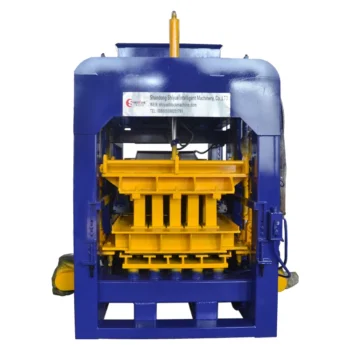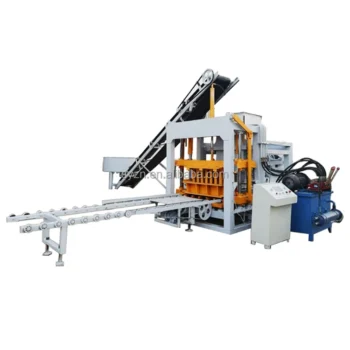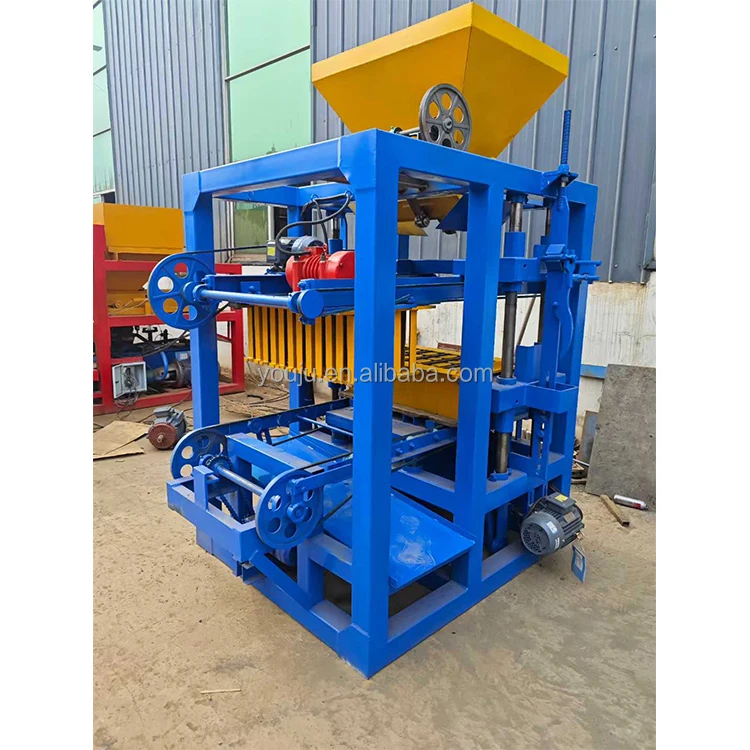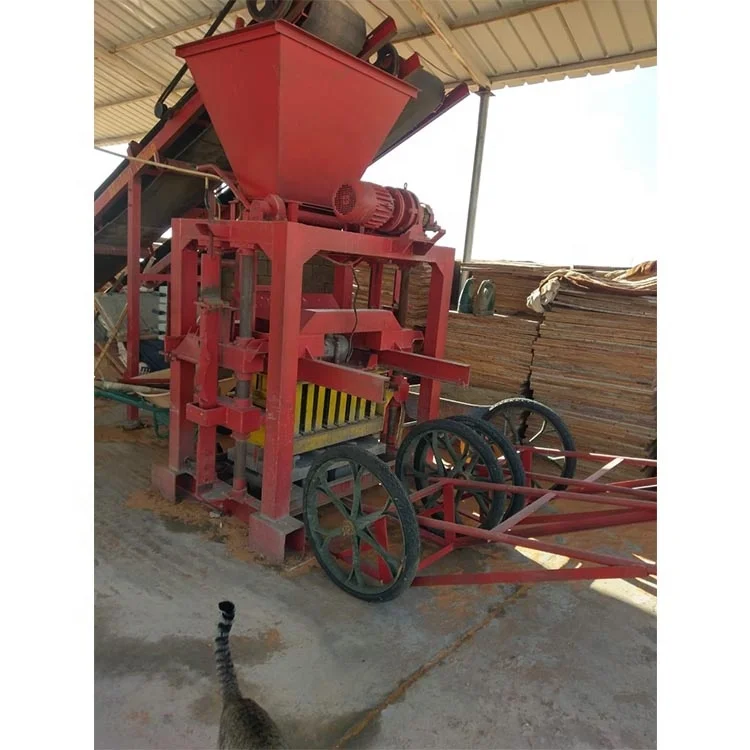

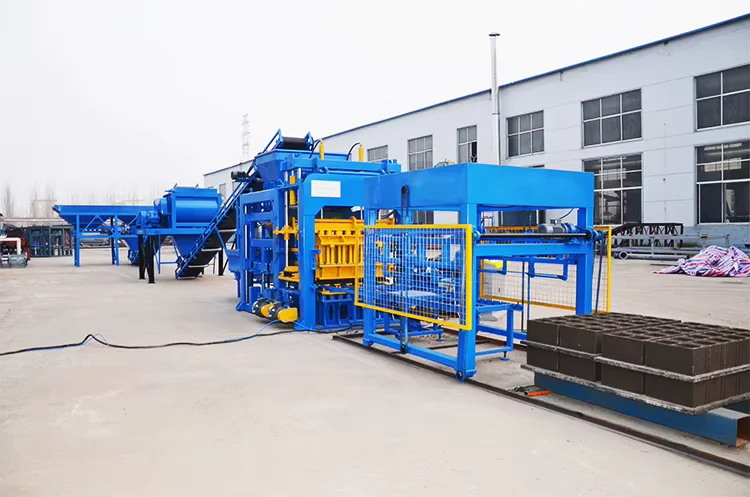
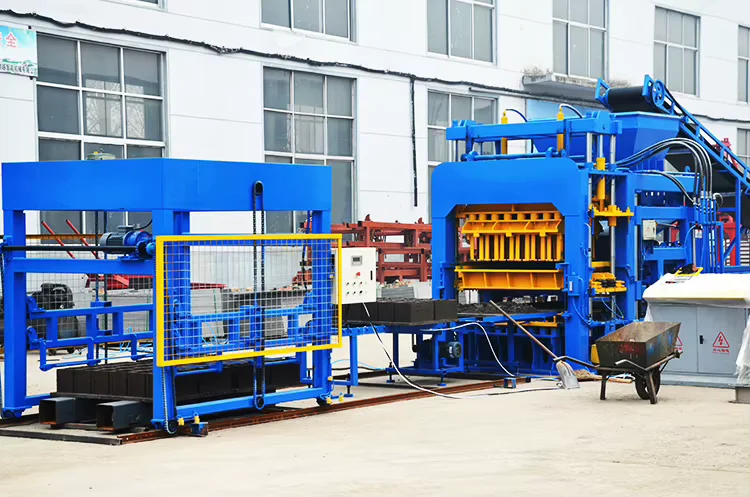
Description
Dispatch Readiness Verified — Every QT12-15 unit is pre-cleared for container loading with standard moulds matched to your deadline.
Technical Specifications
| Parameter | Value |
|---|---|
| Model | QT12-15 |
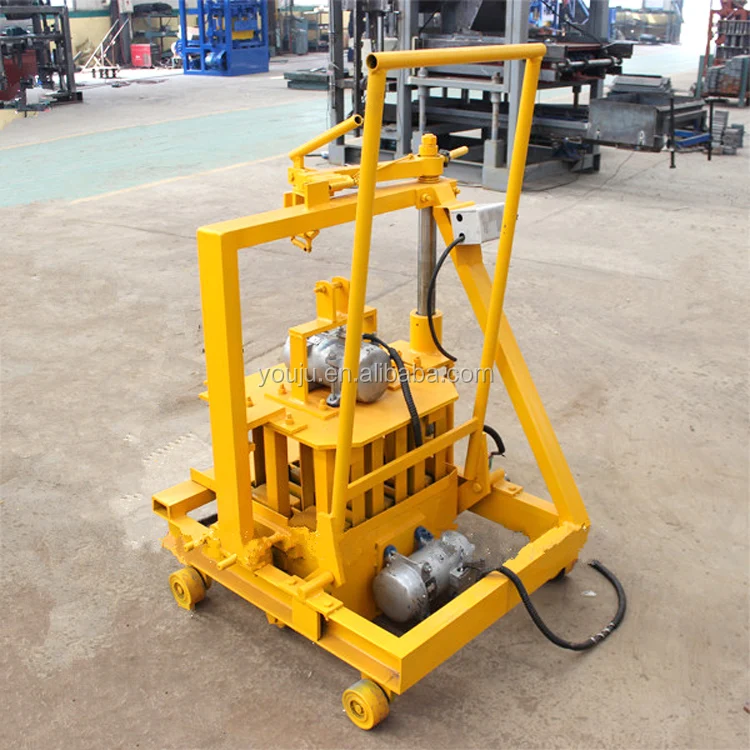
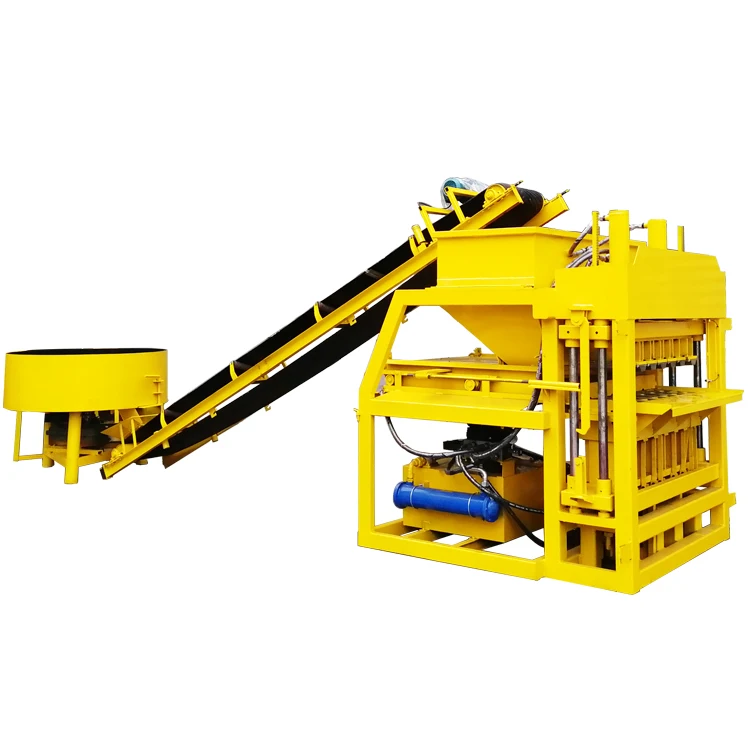
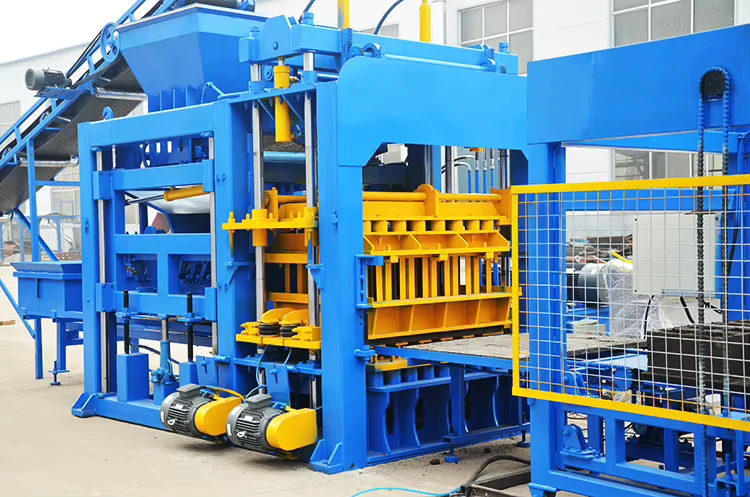
| Product Type | Automatic Concrete Block Making Machine |
| Forming Method | Hydraulic pressure |
| Overall Dimensions (L×W×H) | 5870 × 2220 × 2850 mm |
| Net Weight | 12000 kg |
| Voltage Compatibility | 110 V, 220 V, 240 V, 330 V, 380 V, 400 V, 415 V, 440 V |
| Core Components | PLC, Pressure Vessel, Engine, Gear |
| Supported Block Formats | 400×100×200 mm, 400×120×200 mm, 390×190×190 mm, 200×100×60 mm, 300×150×100 mm |
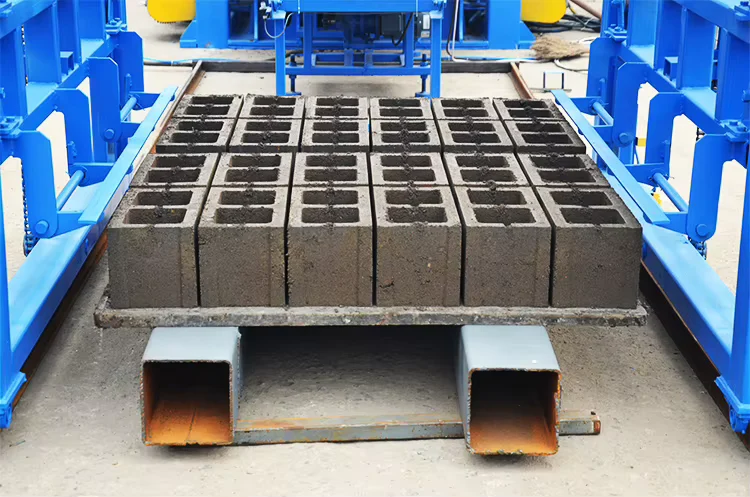
| Block Types | Hollow, Solid, Paver, Curbstone, Interlocking |
| Color Options | Blue, Black, Green, Yellow, White, Customer’s Request |
| Warranty | 1 Year |
Application Suitability
| Application Scenario | Target Output Material |
|---|---|
| Rapid housing development projects | Interlocking and solid concrete blocks |
| On-site contractor production for strict deadlines | Pavers and curbstone for immediate paving |
| Distributor inventory replenishment | Hollow blocks for regional building supply |
Why Arrival Timing Dictates Your Equipment Choice
When a construction schedule is slipping, waiting months for factory fabrication is not an option. Securing a QT12-15 automatic concrete block making machine in stock eliminates the typical multi-week production delay, allowing your site to begin local material manufacturing almost immediately. I have seen entire housing phases stall because equipment was stuck in a production queue while the foundation curing clock was already ticking [NEED_CITE: impact of equipment lead times on construction critical paths]. Choosing readily available machinery ensures your project timeline remains intact from the moment the purchase order is signed.
Container Loading and Transit Preparation
Getting heavy hydraulic equipment onto a vessel requires precise dismantling protocols. The main press, hydraulic station, and control cabinets of this machinery are broken down into modular shipping dimensions that fit standard container profiles. This preparation happens before the truck arrives at the loading bay, ensuring no last-minute repacking delays.
Standard Mould Inclusion for Immediate Dispatch
A bare machine sitting in a warehouse is useless if the forming moulds are still on the assembly floor. Every ready-to-ship unit includes the standard moulds required for your selected block format. This means the moment the container is unpacked at your destination, the press has the physical tooling needed to start the first test cycle without waiting for secondary air freight.
Decoding the Heavy Press Specifications
The 12,000 kg net weight of this machine is a direct indicator of the structural mass required to absorb intense hydraulic pressure and vibration forces during the forming cycle. A lighter frame would deflect under load, leading to inconsistent block dimensions and accelerated wear on the guide pillars. The broad voltage compatibility—ranging from 110 V to 440 V—means the electrical cabinet can be configured for your specific regional grid before it leaves the factory. This prevents the common scenario where a machine arrives on site, only to sit idle while local electricians source step-down transformers or rewire the main PLC panel [NEED_CITE: industrial voltage compatibility standards for exported machinery]. Furthermore, the physical footprint of 5870 × 2220 mm dictates the exact foundation pad dimensions your civil team must pour before the equipment arrives.
The Hidden Cost of Missed Dispatch Windows
Failing to align your equipment order with actual stock availability often leads to cascading logistical penalties. If a machine is delayed at the factory, you still pay for the idle labor and site preparation you completed in advance. I once managed a shipment where a buyer assumed a machine was ready, only to find the hydraulic pressure vessel was still undergoing testing, pushing the vessel booking into the next peak shipping season [NEED_CITE: seasonal fluctuations in global container freight availability]. These hidden demurrage and delay costs quickly eclipse any perceived savings from a rushed order.
Why Source This Ready Stock Here
Our single focus on block machinery means that stocked machines are not generic catalog units; they are fully integrated systems. The machine, pallets, and handling components are specified as one matched set, preventing the bottleneck where a fast press outpaces a slow manual stacking crew. We confirm the exact dispatch lead time and arrival estimate upfront, so you can schedule your rigging team with confidence. Every unit undergoes a strict factory test and video outgoing-inspection before crating, proving the hydraulic pressure and PLC functions operate exactly as specified. We also provide complete customs documentation support to ensure the container clears your local port without administrative hold-ups.
Documentation & Verification
- Factory test record verifying hydraulic pressure and cycle functions before dispatch.
- Video outgoing-inspection showing the specific unit operating under load.
- Machinery test report confirming structural and electrical safety standards.
- Packing photographs documenting the exact container loading and dismantling state.
- Customs documentation support tailored for rapid port clearance.
Installation, Commissioning & Support
- Foundation pad must support the 12000 kg net weight and dynamic hydraulic vibration.
- Electrical team must verify local grid matches the pre-configured 110V to 440V settings.
- Machine dismantling for shipment requires specific rigging sequences for safe reassembly.
- PLC control language is confirmed prior to dispatch to ensure operator comprehension.
- Service machinery overseas support is available for initial commissioning and parameter setting.
- Standard moulds are inspected for transit damage immediately upon container unloading.
Preparing Your Site for Immediate Commissioning
To ensure the equipment integrates smoothly into your operation upon arrival, please provide your local voltage and frequency specifications so the electrical cabinet is configured correctly before loading. Confirm the exact block formats you need produced on day one, ensuring the right standard moulds are packed in the container. Finally, share your site’s foundation layout and ceiling clearance so we can verify the 5870 × 2220 × 2850 mm footprint and dismantling sequence will fit your designated production area.
Frequently Asked Questions
Q: What is the dispatch lead time and estimated arrival for the QT12-15?
A: Because this unit is already assembled and tested, the dispatch lead time is limited to the days required for dismantling, container loading, and customs export clearance. The estimated arrival depends strictly on the ocean freight transit time to your destination port, which we quote upfront based on current shipping schedules.
Q: Are standard moulds included in the stock package for immediate shipment?
A: Yes, the standard moulds corresponding to your required block formats are included in the same container as the main press. This guarantees that you have the physical tooling necessary to run initial test batches immediately upon unpacking, without waiting for secondary shipments.
Q: How is the machine dismantled and loaded for container shipment?
A: The machine is systematically dismantled into modular sections, including the main frame, hydraulic station, and control cabinets, to fit standard container dimensions. We provide packing photographs and specific reassembly instructions to ensure your local rigging team can reconstruct the press safely and accurately.
Q: What customs documentation support is provided for fast clearance?
A: We supply a comprehensive set of export documents, including the commercial invoice, packing list, bill of lading, and the machinery test report. This complete package is prepared in advance to prevent administrative delays and ensure your container clears the destination port as quickly as possible.