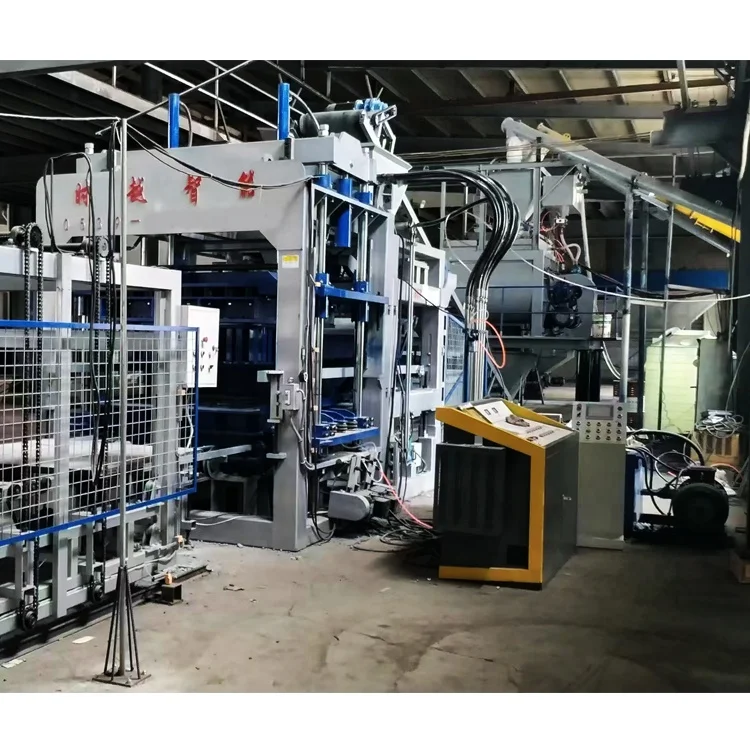

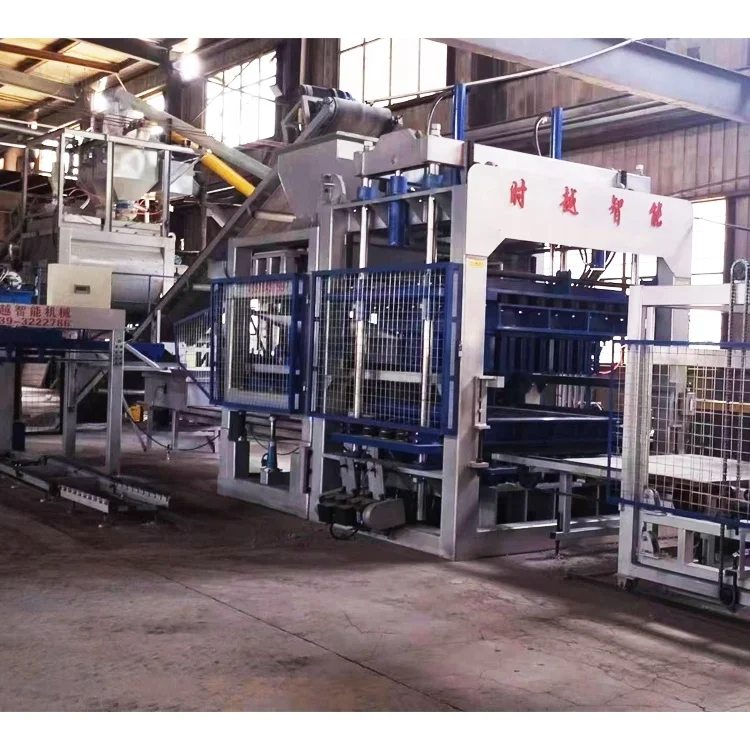
Description
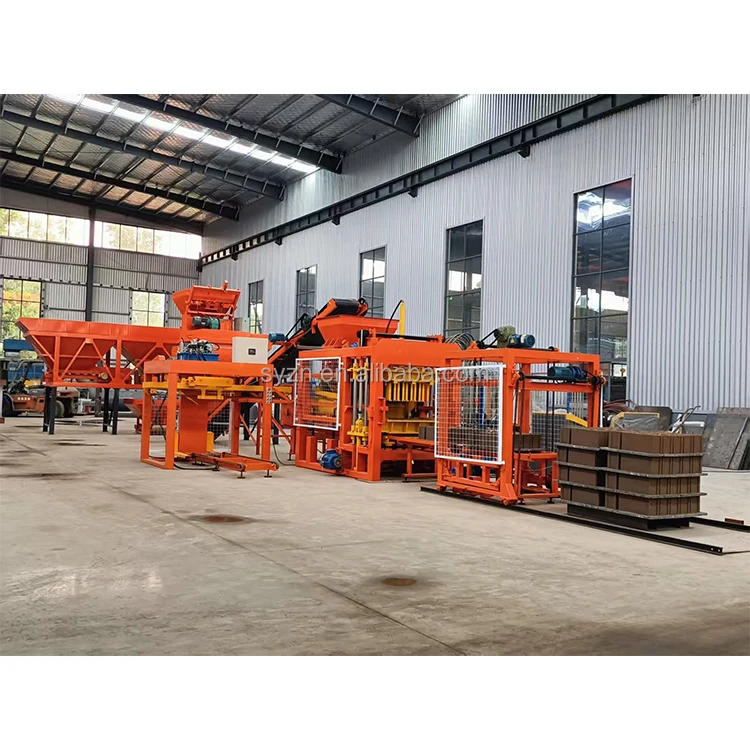
Stock-Ready Dispatch — QT15-15 automatic block production lines are held in inventory and prepared for container loading with confirmed arrival timelines at the point of order.
Technical Specifications
| Parameter | Value |
|---|---|
| Product Type | Fully Automatic Concrete Block Production Line |
| Model | QT15-15 |
| Control System | PLC aptitude control with human-machine interface dialogue system |
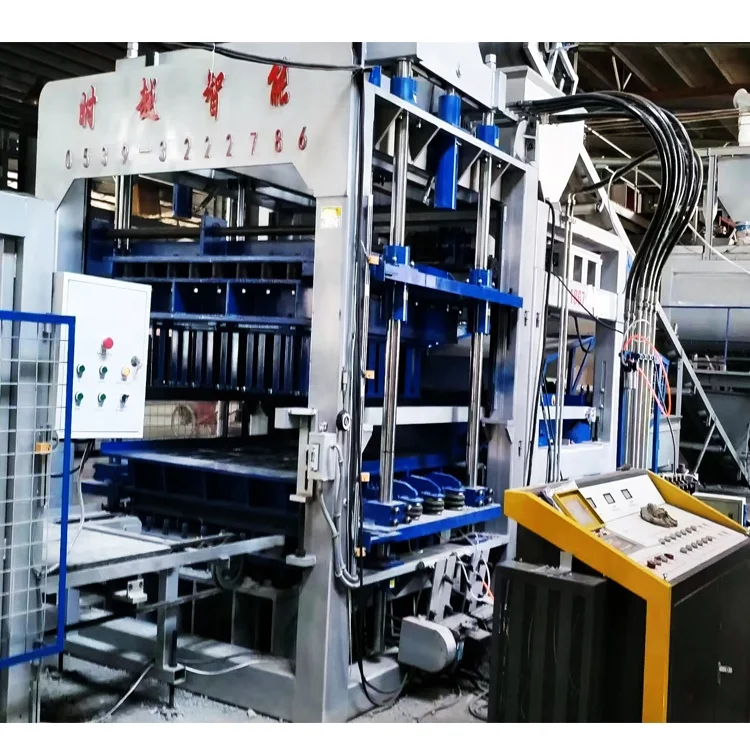
| Vibration System | High-efficient super-strong vibration with frequency conversion and braking, synthetic output compounded with double vibration sources, vertically synchronous vibration |
| Hydraulic System | Computer control flow pressure, special hydraulic loading unit |
| Feeding System | Semi-closed screen reticular rotational feeding unit (forced feeding with evenness and even speed) |
| Structure | Super-strong steel structure with imported original parts |
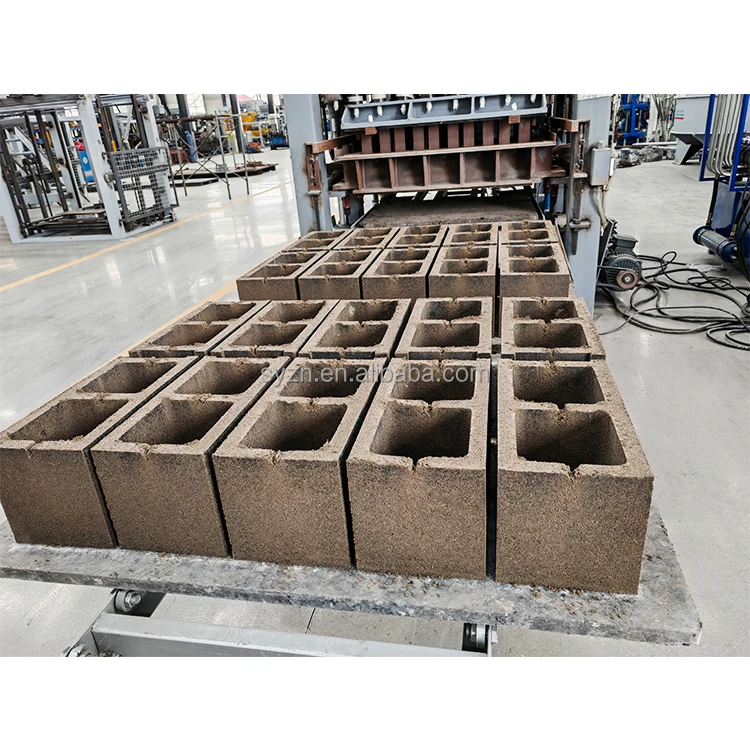
| Mould Format | Hollow block (400x200x200 mm), Solid brick (240x115x50 mm) |
| Molding Cycle | 15-20s (basis not stated in source — confirm block format / material / thickness) |
| Output Capacity (Hollow) | 2,700-3,600 pcs/hour for hollow block 400x200x200 mm (15 pcs/mould) (basis to be confirmed) |
| Output Capacity (Solid) | 14,400-19,200 pcs/hour for solid brick 240x115x50 mm (80 pcs/mould) (basis to be confirmed) |
| Daily Output (8hr Hollow) | 21,600-28,800 pcs for hollow block 400x200x200 mm (basis to be confirmed) |
| Daily Output (8hr Solid) | 115,200-153,600 pcs for solid brick 240x115x50 mm (basis to be confirmed) |
| Automation Level | Fully automatic (mass and automatic production) |
| Qty/Mould (Hollow) | 15 pcs (400x200x200 mm) |
| Qty/Mould (Solid) | 80 pcs (240x115x50 mm) |
| Voltage & Frequency | (not stated in source — confirm before ordering) |
Application Suitability
| Application | Material or Output |
|---|---|
| Large-scale hollow block plants | Crushed stone, sand, cement, fly ash aggregates |
| High-capacity solid brick production | River sand, stone dust, cement mixes |
| Paver block manufacturing plants | Granite aggregate, cement, pigment blends |
| Housing project on-site production | Local aggregate and cement available at project site |
What "Ships in 60 Days" Actually Costs Your Project
An automatic block machine in stock means your production starts when your site is ready, not when the factory schedule allows.
A project deadline does not shift because a manufacturer is still sourcing hydraulic valves or waiting for PLC panels to arrive. When buyers commit to a machine with a long production lead, the downstream costs — idle labour, delayed contractor mobilization, penalty clauses — accumulate quietly. The QT15-15 is held as a stocked configuration so that the gap between order confirmation and container departure stays measured in days, not weeks [NEED_CITE: impact of equipment lead time on construction project scheduling]. Fast delivery QT15-15 availability is confirmed in writing before you place your deposit.
Dispatch Lead Time You Can Build a Schedule Around
The difference between a project that opens on time and one that bleeds money is often a single piece of equipment arriving late. For buyers working to a fixed construction timeline, the fast delivery QT15-15 is prepared for dispatch from stock, with container loading planned and photographed before the doors close. The lead time quoted at the point of order is the lead time that governs your shipping booking.
Container Loading and Arrival Estimate, Quoted Before You Pay
A machine that ships quickly but arrives in a configuration your port cannot handle is not fast at all. Every QT15-15 dispatch includes a container loading plan matched to the host and auxiliary equipment dimensions, so the loading pattern is settled before the first crate moves [NEED_CITE: container loading practices for heavy industrial machinery]. The arrival estimate to your destination port is calculated at the time of order using current shipping schedules, not guessed after the fact.
Reading the QT15-15 Specifications Through a Shipping Lens
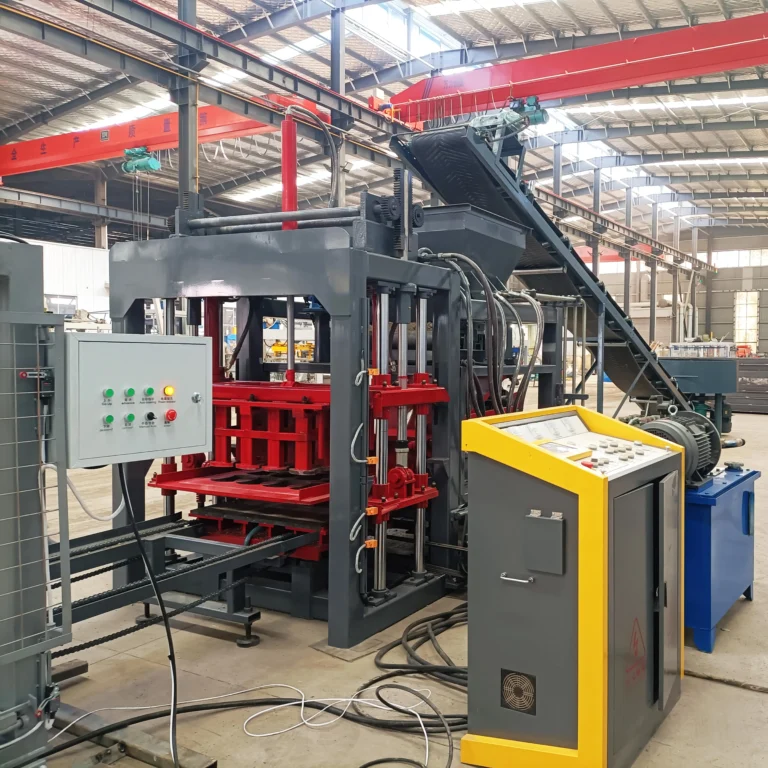
The vibration system uses double vibration sources with frequency conversion and vertical synchronization, a proven configuration that ships as standard without custom engineering delays. The forced rotational feeding unit with semi-closed screen reticular design distributes material evenly across the mould cavity, reducing the need for on-site adjustment after commissioning. The PLC control with human-machine interface arrives configured, meaning the commissioning window on your site is shorter than machines requiring manual parameter setup. For a buyer whose project timeline depends on rapid production ramp-up, these are the specifications that matter at arrival, not just at the factory gate.
What Happens When Dispatch Details Are Left to Chance
I have coordinated container loading for fully automatic lines where the dismantling plan was not checked against the destination port’s lifting equipment, and the result was four extra days of crane rental before the machine could be offloaded. When voltage and frequency are not confirmed before the machine leaves the factory, the electrical cabinet arrives mismatched to the local grid, and commissioning stalls until transformers are sourced locally [NEED_CITE: voltage and frequency standards by export market]. These are not theoretical risks; they are the consequences of treating dispatch as an afterthought rather than a planned step.
Why Buyers Source This Machine Here
The QT15-15 is specified as a complete system — press, mould, pallet, and handling — so that nothing is left to be sourced separately after arrival. Stocked configurations are built against common market requirements, meaning the machine you receive matches a proven setup rather than an untested custom order. Container loading is planned per machine with packing photographs provided before dispatch, giving you visual confirmation of shipment readiness. Voltage, frequency, and PLC display language are confirmed in writing before the machine ships, removing the most common source of commissioning delay. Arrival estimates are calculated against your destination port at order stage, not after the container is already on the water.
Documentation & Verification
- Factory test record on your specified block format before dispatch
- Container loading plan and packing photographs for your QT15-15 shipment
- Voltage and control language confirmation sheet signed before production release
- Hydraulic and electrical schematic matching your as-shipped configuration
- Customs documentation package prepared for your destination country requirements
- Operation and maintenance manual in your confirmed PLC display language
Installation, Commissioning & Support
- Foundation plan provided matching the QT15-15 super-strong steel structure footprint and load points
- Electrical supply requirements confirmed for your site voltage and frequency before the machine ships
- Machine dismantling sequence documented so reassembly on site follows a verified procedure
- PLC human-machine interface configured in your language before commissioning begins
- Operator training covers the forced feeding system, vibration frequency settings, and mould change procedure
- Hydraulic and vibration wear parts list included so first replacement can be planned in advance
- Daily and weekly maintenance schedule tied to the computer-controlled hydraulic loading unit
Confirming Your Site Requirements Before Dispatch
To ensure the QT15-15 arrives ready for immediate commissioning, provide your destination port, local voltage and frequency, and the block format you will produce first. Confirm the PLC display language your operators will use and the lifting equipment available at your site for offloading. If your project has a fixed mobilization date, share it so the dispatch and shipping schedule can be aligned to that deadline.
Frequently Asked Questions
Q: Which QT15-15 configurations are in stock and how fast can they ship?
A: Stocked QT15-15 configurations are held ready for container loading. Dispatch lead time is confirmed in writing at the point of order and depends on the specific mould and pallet configuration you require. A machine that is in stock can typically be prepared for container loading within a short window after order confirmation.
Q: How is the machine dismantled and loaded into containers for shipment?
A: The QT15-15 is dismantled according to a planned sequence so that reassembly on site is straightforward. Container loading is planned against the dimensions of the press, hydraulic unit, and auxiliary equipment, and packing photographs are taken before the container doors are sealed.
Q: What is the realistic arrival timeline to my port after dispatch?
A: Arrival estimates are calculated at the time of order based on your destination port and current shipping schedules. This estimate is provided before you commit, so your project timeline can be planned around a known arrival window rather than an uncertain one.
Q: Are voltage, frequency, and control language confirmed before the machine leaves the factory?
A: Yes. Voltage, frequency, and PLC display language are confirmed in writing before the QT15-15 ships. This prevents commissioning delays caused by electrical mismatch or operators unable to read the control interface upon arrival at your site.
Q: What documentation ships with the machine for customs clearance?
A: Each QT15-15 shipment includes a customs documentation package prepared for your destination country. This covers the commercial invoice, packing list, and any certification documents required for import clearance at your port.


![[result]M7MI Clay Soil Brick Making Machine – In Stock[/result]](https://sdsyblockmachine.com/wp-content/uploads/2026/04/H77817a22a6c74da4b90dd8c91a47ea52h-768x768.webp)