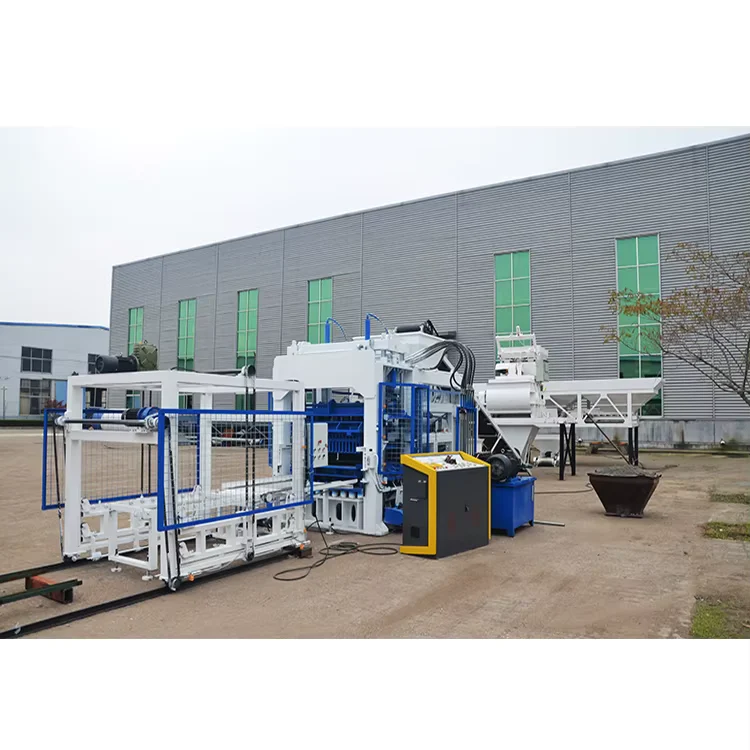
Description
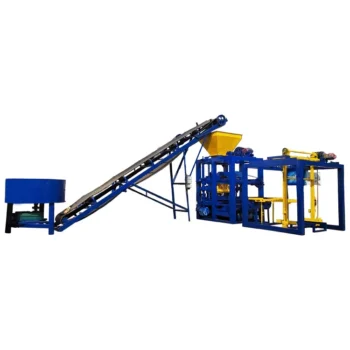
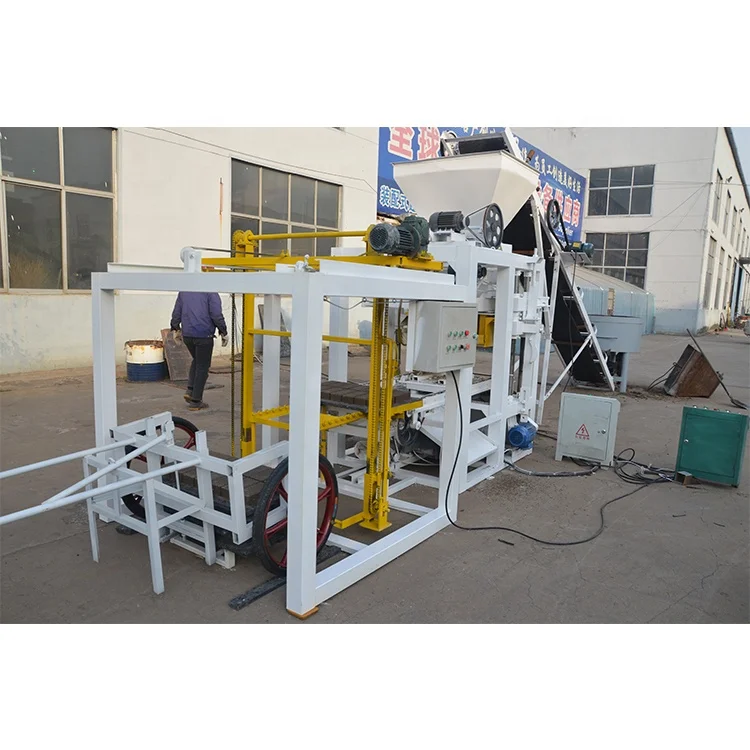
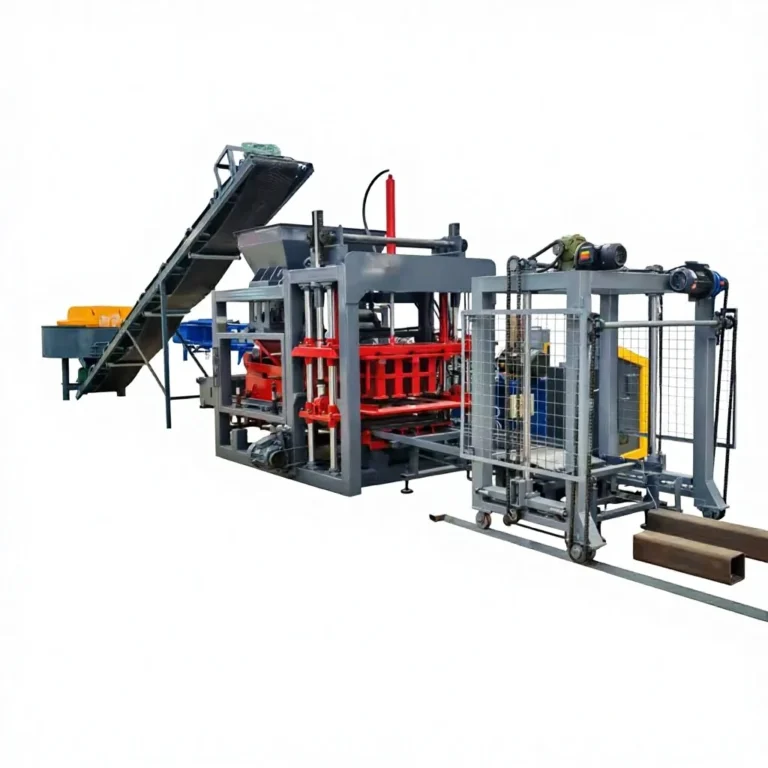
Rapid Dispatch Readiness — The QT18 -15 is kept as a matched system with standard pallets and auxiliary stations pre-staged to eliminate assembly delays before container loading.
Technical Specifications
| Parameter | Value |
|---|---|
| Model | QT18 -15 |
| Product Type | Fully Automatic Block Production Line |
| Machine Type | Hollow Block, Paving Block, Interlock Block, Curbstone Block Machine |
| Overall Dimensions (L×W×H) | 935025202950mm |
| Host Machine Power | 90KW |
| Hydraulic Rated Pressure | 21Mpa |
| Vibration Force | 180-240KN |
| Main Vibration Form | Platform vibration |
| Pallet Size | 1350*1350mm |
| Control System | PLC |
| Labor Requirement | 4-5 workers |
| Molding Cycle | 15s (basis not stated in source) |
| Supported Brick Sizes | 400200200mm, 20010060mm, 400150200mm, 24011590mm, etc. |
Application Suitability
| Application | Material or Output |
|---|---|
| Development and housing project sites | Concrete hollow blocks for immediate structural wall demands |
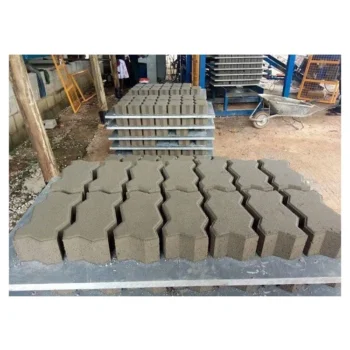
| Building material distribution yards | Concrete paving blocks and interlock bricks for regional stock |
| First-time commercial block plants | Concrete curbstone and solid bricks for local infrastructure supply |
Why the Arrival Date Dictates the Machine Choice
When a project deadline is fixed, the fastest production cycle means nothing if the equipment is stuck in transit or missing critical auxiliary stations upon arrival. Securing a QT18 -15 block machine in stock ensures the physical assets are already staged for immediate container loading. I have seen contractors lose weeks because a manufacturer promised a fast delivery block production line but still had to source the PLC panels and hydraulic hoses locally. Delays caused by unconfirmed voltage specs or missing pallets turn a rapid deployment into a prolonged site headache [NEED_CITE: typical delays in industrial equipment commissioning due to missing auxiliary parts].
Staging the Line for Immediate Dispatch
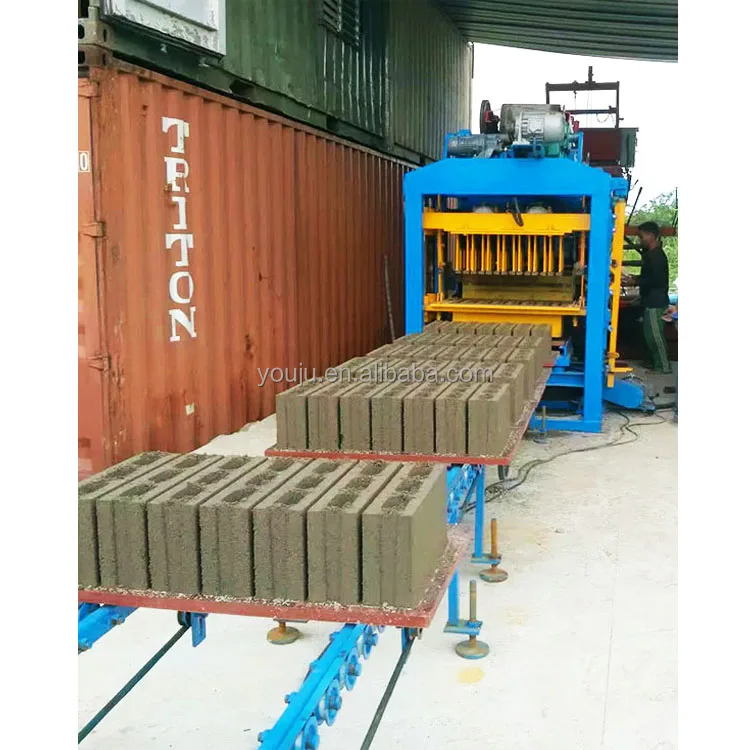
A fast delivery block production line requires more than just a finished main press; it demands that the entire material handling sequence is built and tested together. The 935025202950mm footprint of this equipment means the feeding, mixing, and stacking stations must be matched and dismantled in a specific sequence for shipping. We keep the 1350*1350mm pallets and standard moulds in our yard so they can be loaded into the same containers as the host machine. This prevents the main press from sitting idle on your site while you wait for a separate shipment of curing rack handling equipment.
Dismantling and Container Loading Logistics
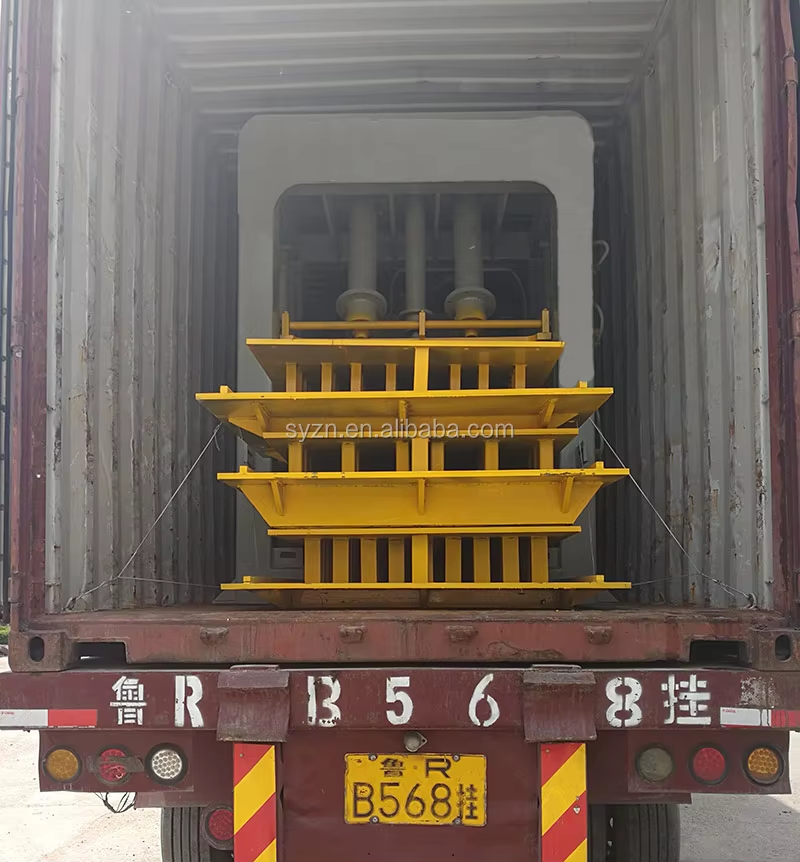
Shipping a 90KW host machine with a 21Mpa hydraulic system requires precise dismantling to fit standard container dimensions without damaging the high-pressure vessels. Every hydraulic line is capped, and the PLC control cabinets are crated separately to avoid vibration damage during ocean freight. We provide container loading plans upfront so your local port agent knows exactly how many units are arriving and how they are packed. This transparency is what makes ordering a QT18 -15 block machine in stock a predictable process rather than a logistical gamble [NEED_CITE: standard container loading procedures for heavy industrial machinery].
Matching the Pallet and Vibration to the Output
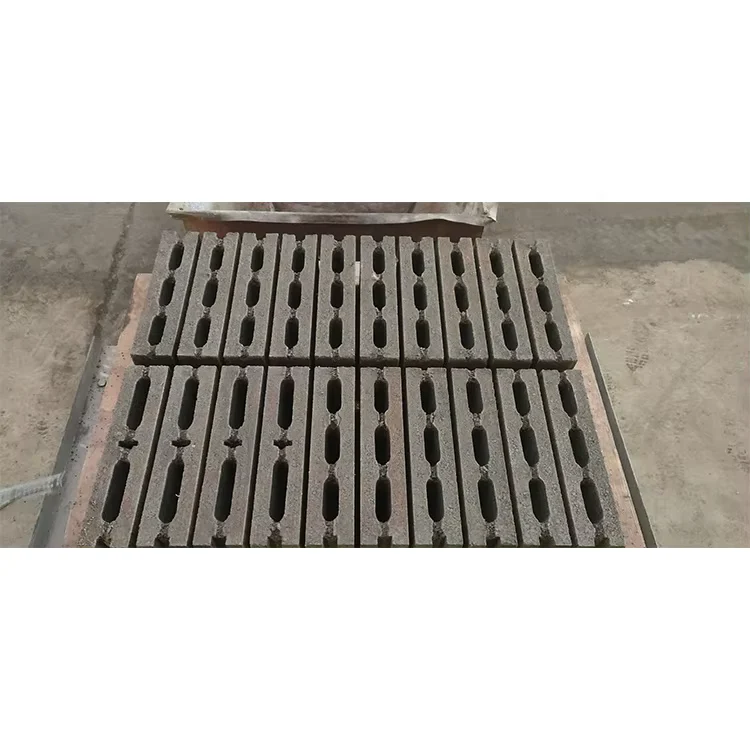
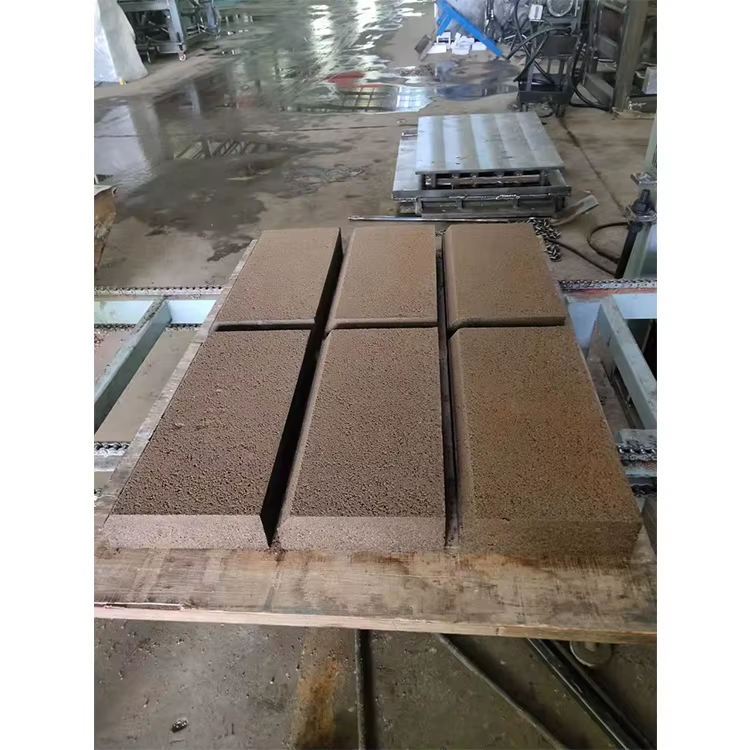
The 180-240KN vibration force combined with platform vibration ensures consistent density across formats like 400200200mm hollow blocks and 20010060mm pavers. However, this consistency relies heavily on the 1350*1350mm pallet size moving smoothly through the line. If the pallet material or dimensions do not match the curing area you have already built, the entire output bottlenecks at the stacking station. We verify your existing forklift dimensions and curing rack spacing before dispatch to ensure the pallets we ship integrate directly into your facility.
The Hidden Cost of Unverified Site Clearances
Rushing a machine to a site without verifying the physical environment leads to disastrous unloading scenarios. I once managed a project where a fully automatic line arrived on schedule, but the client had not measured their workshop door height against the machine’s transport dimensions. The host machine could not enter the building, forcing the crew to dismantle the factory roof and hire heavy cranes just to position the press. Now, I mandate a site clearance check against the 935025202950mm dimensions before we finalize the dispatch date, ensuring the fast delivery block production line actually reaches its final operating position [NEED_CITE: common site preparation failures for heavy block making equipment].
Why Source This Equipment From Our Inventory
Our focus remains strictly on block machinery, meaning the press, pallets, and handling equipment are specified as one matched system ready for shipment. We do not assemble the line from separate third-party suppliers, which eliminates the risk of mismatched components delaying your launch. The dispatch lead time is quoted upfront based on actual yard inventory, not factory production schedules. We confirm voltage, frequency, and PLC display language before the crates are sealed, preventing electrical commissioning delays. Every shipment includes factory test records and packing photographs, giving you complete visibility before the bill of lading is issued.
Documentation & Verification
- Factory test record verifying hydraulic pressure and vibration force before dispatch
- Container loading plan detailing the dismantling sequence for the 9350mm host machine
- Voltage and PLC language confirmation sheet signed off prior to crating
- Packing photographs showing secure bracing of the 90KW motor and control panels
- Machinery test report and CE declaration where applicable for customs clearance
Installation, Commissioning & Support
- Foundation requirements mapped to the 935025202950mm footprint and dynamic vibration loads
- Dedicated power circuit planning for the 90KW host machine and auxiliary mixing stations
- Guided reassembly of the hydraulic vessel and platform vibration system upon container unloading
- PLC language and local voltage verification during the initial control panel power-up
- Operator training focused on pallet feeding routines and standard mould change procedures
- Wear parts list provided to ensure hydraulic and vibration components remain in stock locally
Preparing Your Site for Arrival
To ensure the equipment transitions smoothly from the container to your production floor, please provide your workshop ceiling height and main entrance dimensions. We also need your local voltage and frequency standards to verify the electrical cabinet configuration before it leaves our facility. Finally, share the dimensions of your existing curing area and forklifts so we can confirm the 1350*1350mm pallets will integrate without modification.
Frequently Asked Questions
Q: What is the dispatch lead time and how is the container loading planned?
A: Because this equipment is kept in stock, the dispatch lead time is limited to the days required for final crating and customs documentation. We provide a detailed container loading plan showing how the host machine and auxiliary stations are dismantled to maximize space and ensure safe ocean transit.
Q: Are standard moulds and pallets in stock for immediate shipment?
A: Yes, standard moulds for common formats and the 1350*1350mm pallets are kept in our yard alongside the main press. This ensures they are loaded into the same containers, preventing the main machine from sitting idle while you wait for separate shipments of essential production consumables.
Q: How do we confirm the local voltage and PLC language before dispatch?
A: We require your local voltage, frequency, and preferred PLC display language during the order confirmation stage. Our technicians verify the electrical cabinet wiring and software settings against these parameters before the final factory test, ensuring the machine is ready to power up upon arrival.
Q: What is the estimated arrival timeline once the machine is dispatched?
A: The arrival timeline depends entirely on the ocean freight route and your local port clearance speed. We provide an upfront arrival estimate based on current shipping schedules to your destination port, allowing you to plan your foundation work and facility preparation accurately.