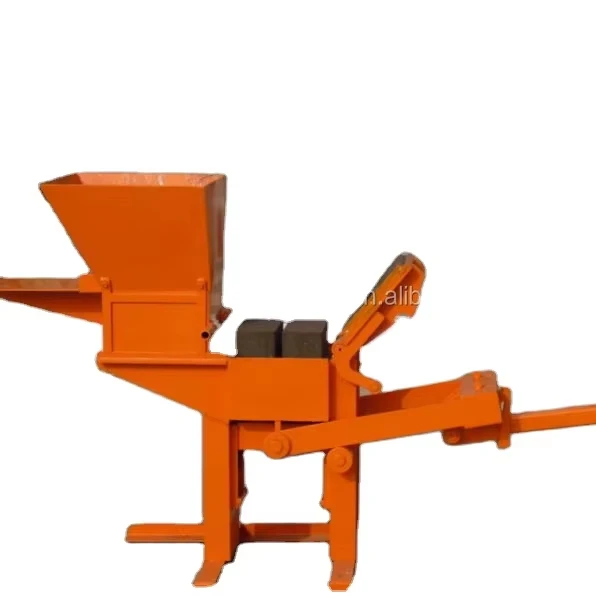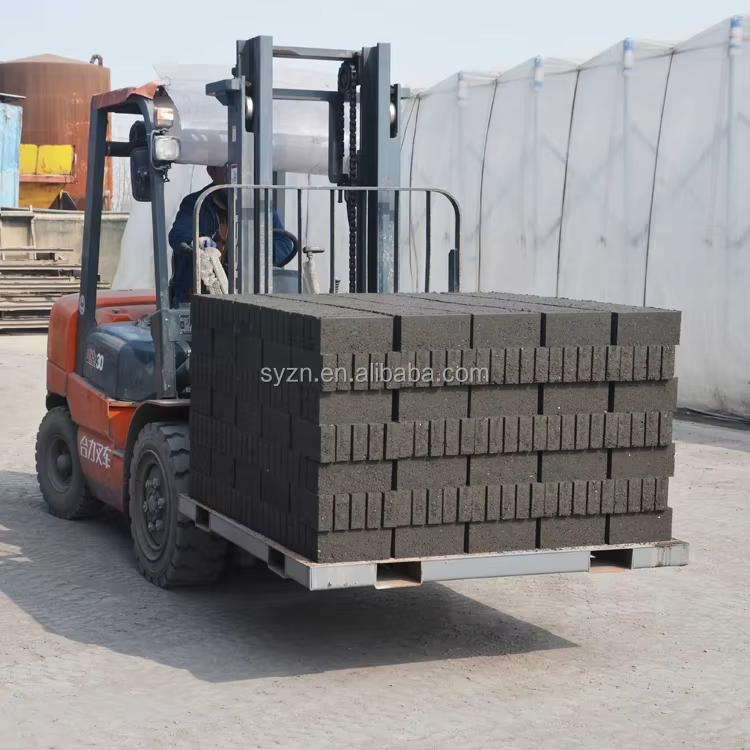
Description
Rapid Dispatch Readiness — The QT18-25 block production line in stock is pre-staged for immediate container loading, bypassing standard manufacturing queues to meet strict project deadlines.
Technical Specifications
| Parameter | Value |
|---|---|
| Model | QT18-25 |
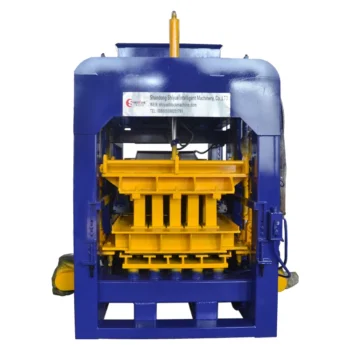
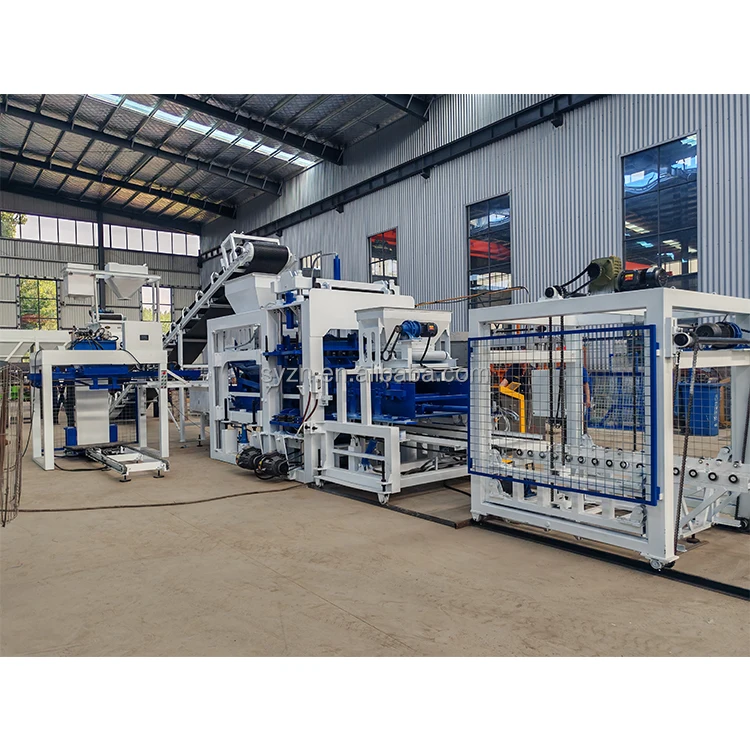
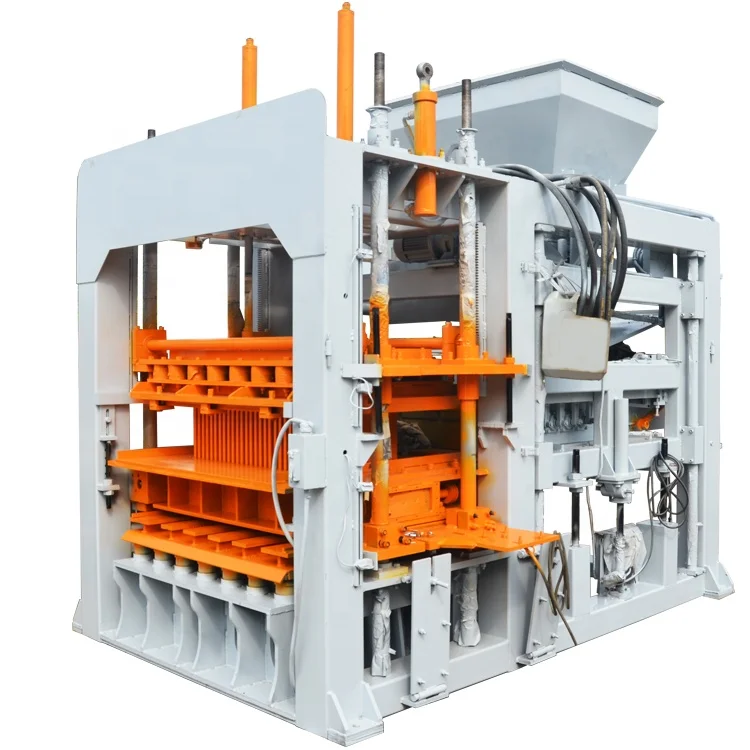
| Product Type | Fully Automatic Block Production Line |
| Forming Method | Hydraulic pressure |
| Vibration Type | Platform vibration |
| Vibration Frequency | 2800-4500 R/min |
| Molding Cycle | 15-25s |
| Overall Dimensions (L×W×H) | 9350×2320×2950mm |
| Pallet Size | 1350×1350×120mm |
| Voltage | Client Local Voltage |
| Control System | PLC |
| Production Capacity | 35000-20000 Pieces/day (basis to be confirmed) |
Application Suitability
| Application | Material or Output |
|---|---|
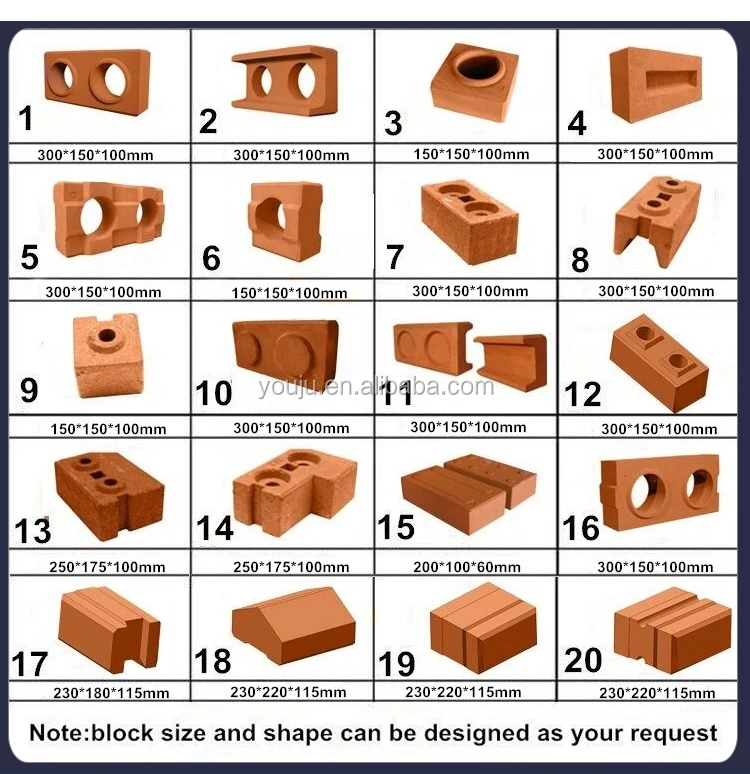
| Housing project construction | Solid blocks and hollow blocks from cement and sand |
| Municipal infrastructure works | Paving blocks, interlock blocks, and curbstone blocks |
| Commercial building developments | High-volume structural masonry units |
Why the Warehouse Ceiling Height Dictates Your Dispatch Schedule
Confirming facility clearances prevents catastrophic arrival delays for heavy block making machinery.
When buyers rush to secure a QT18-25 block production line in stock, they often focus entirely on the shipping date and overlook the physical realities of their own site. I have watched entire project timelines collapse because a fully assembled machine arrived at a facility with insufficient overhead clearance, forcing crews to dismantle the factory roof just to move the equipment inside. Rushing the order only to face weeks of on-site structural modifications defeats the purpose of buying readily available equipment [NEED_CITE: standard industrial facility clearance requirements for heavy machinery].
Container Loading and Dismantling Protocols
Securing a QT18-25 block production line in stock is only the first step; how it is broken down for transit determines your arrival timeline. The 9350×2320×2950mm footprint requires a precise dismantling sequence to fit standard shipping containers without damaging the hydraulic lines or platform vibration components. Every structural joint is marked and photographed before loading to ensure rapid reassembly upon arrival.
Transit Estimates and Port Clearance
We provide upfront arrival estimates based on current vessel schedules, eliminating the guesswork from your project planning. The machinery test report and video outgoing-inspection are prepared before the equipment leaves the floor, ensuring that customs documentation is complete and accurate. This prevents the equipment from sitting idle at the port while you source missing paperwork [NEED_CITE: international customs documentation requirements for industrial exports].
Interpreting the Molding Cycle and Platform Vibration
The 15-25s molding cycle paired with platform vibration at 2800-4500 R/min dictates the physical rhythm of your plant. This specific vibration frequency is necessary to consolidate cement and sand mixes into dense structural units, but it also generates significant kinetic force. The 1350×1350×120mm pallet size must be matched with a curing area that can handle continuous rapid turnover, otherwise the press will outpace your floor space and halt production.
The Hidden Cost of Ignoring Site Dimensions
Failing to measure your facility against the 9350×2320×2950mm dimensions before ordering leads to severe logistical bottlenecks. If the main press or supporting conveyors cannot pass through your loading bay doors, you will incur heavy rental costs for mobile cranes and structural contractors. These unforeseen site modifications routinely erase any time saved by purchasing stocked equipment [NEED_CITE: logistical challenges in heavy machinery installation].
Why Source This Equipment From Our Stock
We maintain physical inventory of core presses and standard moulds, meaning the QT18-25 block production line in stock is ready for immediate dispatch rather than being built from scratch. Our loading plans are engineered around standard container dimensions, ensuring the machine is dismantled and packed efficiently to prevent transit damage. We configure the PLC and electrical cabinets to your local voltage before shipping, preventing on-site electrical delays. Furthermore, we supply comprehensive video outgoing-inspections so you can verify the machine condition before it is sealed in the container.
Documentation & Verification
- Factory test record verifying hydraulic pressure and platform vibration before dispatch.
- Video outgoing-inspection showing the 15-25s molding cycle in real-time operation.
- Machinery test report confirming structural integrity of the 9350×2320×2950mm frame.
- Container loading plan detailing the dismantling sequence for the main press and pallets.
Installation, Commissioning & Support
- Verify facility ceiling height exceeds 2950mm to allow clearance for the main press assembly.
- Ensure dedicated power circuits match the confirmed client local voltage for the PLC cabinet.
- Follow the provided dismantling marks to reassemble the 1350×1350×120mm pallet handling system.
- Calibrate the platform vibration frequency between 2800-4500 R/min during initial commissioning.
- Review the video outgoing-inspection to verify hydraulic line connections before applying pressure.
Preparing Your Site for Immediate Integration
To ensure the equipment integrates smoothly into your operation upon arrival, we need to verify a few critical site parameters. Please provide the exact ceiling height and loading bay dimensions of your facility to confirm the dismantling plan. We also require your local voltage and frequency specifications to configure the PLC and electrical cabinets prior to dispatch.
Frequently Asked Questions
Q: What is the exact dispatch lead time for the QT18-25 line?
A: Because this equipment is maintained in our physical inventory, the dispatch lead time is limited to the days required for final inspection, dismantling, and container loading. We provide an upfront arrival estimate based on current vessel schedules from the port of loading to your destination, ensuring you can plan your site preparation accurately.
Q: Are standard moulds and pallets included in the ready-to-ship stock?
A: Yes, the ready-to-ship configuration includes the main press, standard moulds for common block formats, and the initial set of 1350×1350×120mm pallets. This ensures you can begin production immediately upon reassembly without waiting for secondary shipments of essential consumables or forming tools.
Q: How is the machine dismantled for fast container shipment?
A: The 9350×2320×2950mm machine is systematically dismantled into modular sections designed specifically to fit standard shipping containers. Every connection point is clearly marked and photographed, and hydraulic lines are capped to prevent contamination, allowing your local crew to reassemble the press rapidly upon arrival.
Q: What customs documentation is provided for rapid port clearance?
A: We provide a complete set of export documentation, including the commercial invoice, packing list, bill of lading, and the machinery test report. By ensuring all paperwork is accurate and aligned with the video outgoing-inspection, we prevent administrative holds that typically delay heavy machinery at the destination port.
Q: Can the voltage be adjusted quickly before dispatch?
A: Yes, the electrical cabinets and PLC systems are configured to your specific local voltage and frequency requirements before the machine leaves our floor. This pre-configuration eliminates the need for on-site transformers or electrical modifications, allowing you to connect the machine directly to your facility’s power supply upon installation.