

Block Cuber Alignment & Calibration Standards for Sale
Most stack collapses are not mechanical grip failures; they are the result of a two-millimeter sensor misalignment amplifying over thirty layers.
Proper alignment and calibration of the block cuber are critical to preventing cumulative stacking errors that lead to total stack collapse. Strict adherence to laser-leveling and sensor-centering protocols ensures operational stability and protects the return on investment in precast plants. [NEED_CITE: ISO standards for automated palletizing safety and precision]
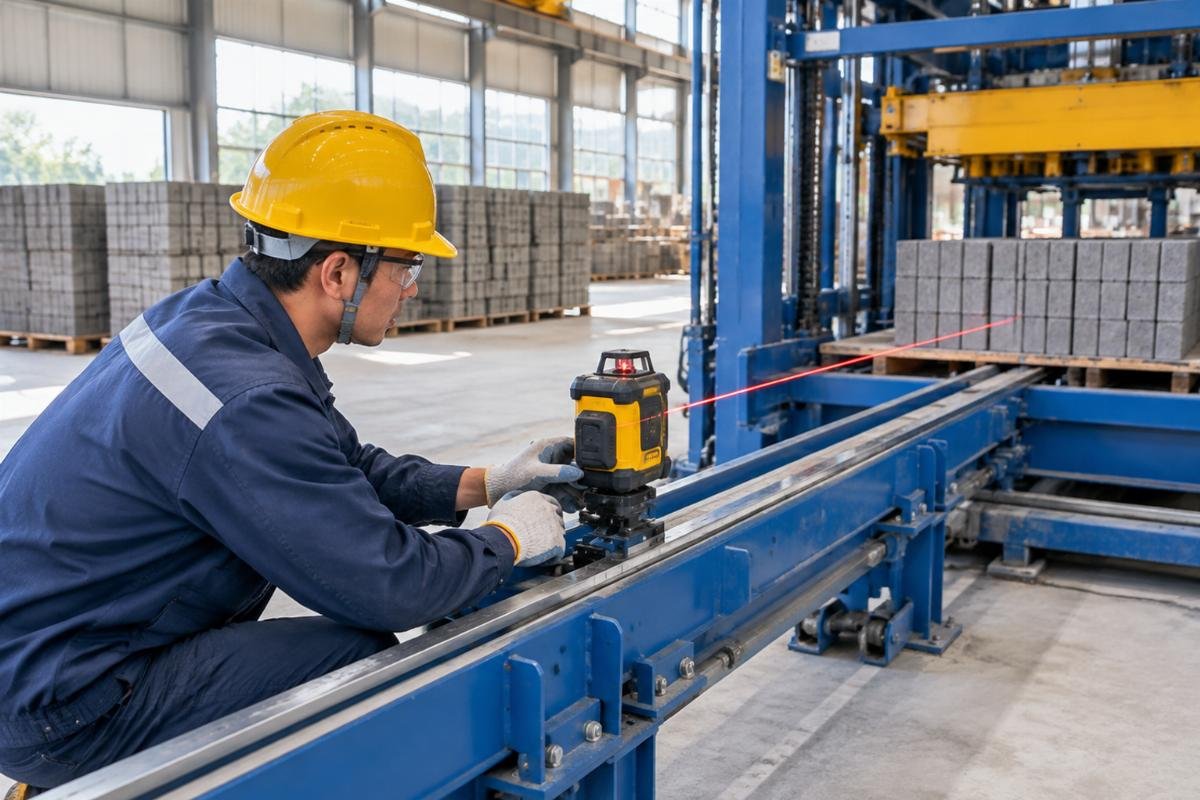
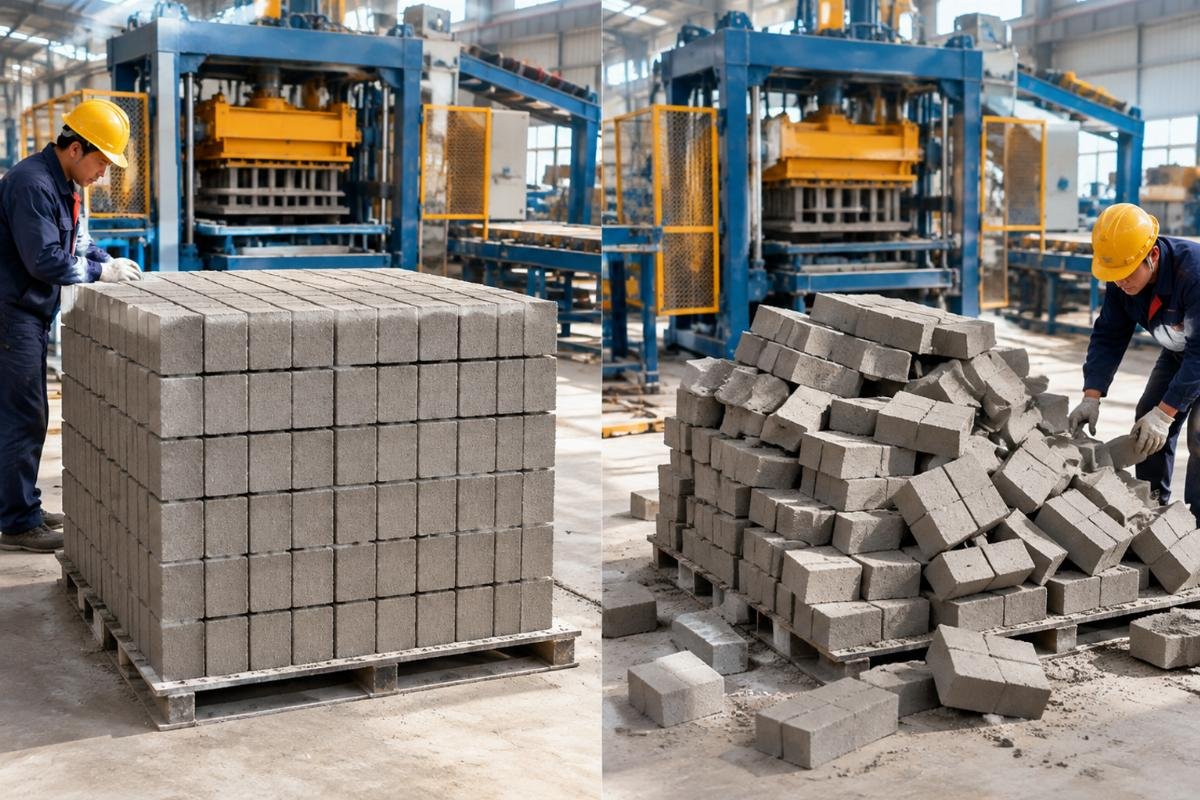
The difference between a profitable shift and a catastrophic cleanup often comes down to the initial setup phase. When I was working on the procurement side for a major建材 importer in Dubai, I witnessed a installation in Riyadh that skipped the fundamental rail leveling step to save time. The machine ran fine for the first ten layers. By layer twenty, the drift was visible. At layer thirty, the entire stack of over two thousand blocks collapsed. The client refused to pay the final installment, citing equipment failure. The manufacturer argued it was operator error. In reality, it was a foundational alignment issue. Now, approaching these installations from the manufacturing and technical support side, I see the same pattern repeat across different regions. The hardware is robust, but the Block Cuber Alignment and Calibration Standards are frequently treated as optional guidelines rather than mandatory engineering constraints.
Why Does My Block Stack Collapse After 20 Layers?
Cumulative alignment errors, not single-layer mistakes, are the root cause of late-stage stack failures.
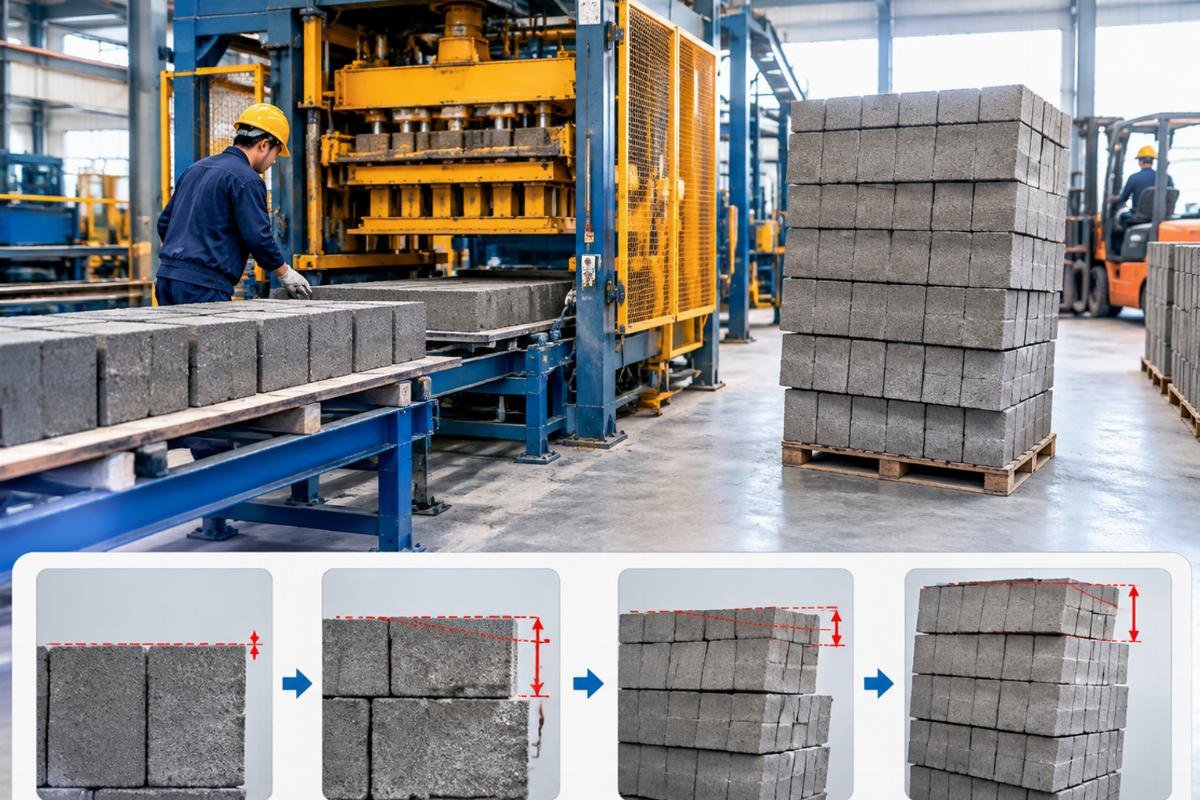
A single block placed two millimeters off-center seems negligible. However, in a high-speed automatic line, this deviation does not reset. It accumulates. By the time the palletizer reaches the upper layers, the center of gravity shifts beyond the stability threshold of the lower blocks. This phenomenon is particularly prevalent in lines running at high cycles, where vibration can exacerbate minor initial misalignments. [NEED_CITE: Mechanical engineering principles of cumulative tolerance in vertical stacking]
In a recent project in Vietnam, a startup operating a high-speed QT10-15 line experienced frequent minor lateral drift. The operators blamed the gripper heads. Upon inspection, the photoelectric sensors responsible for detecting the block position had a static offset of just two millimeters. This tiny error, repeated hundreds of times per hour, created a noticeable lean in the stacks. Correcting the sensor alignment eliminated the drift entirely. This case highlights that Block Cuber Alignment and Calibration Standards must address the entire sensing chain, not just the mechanical arms.
The physics of stacking requires that each layer serves as a perfect foundation for the next. If the base is skewed, the structure becomes increasingly unstable with height. This is why manual overrides or quick fixes rarely solve the problem long-term. The system must be calibrated to recognize and correct for these micro-deviations in real-time. Without strict adherence to Block Cuber Alignment and Calibration Standards, even the most advanced PLC systems cannot compensate for fundamental geometric errors in the rail and sensor setup.
Critical Calibration Points: Rails and Sensors
Precision in rail leveling and sensor centering is the non-negotiable foundation of stable palletizing.
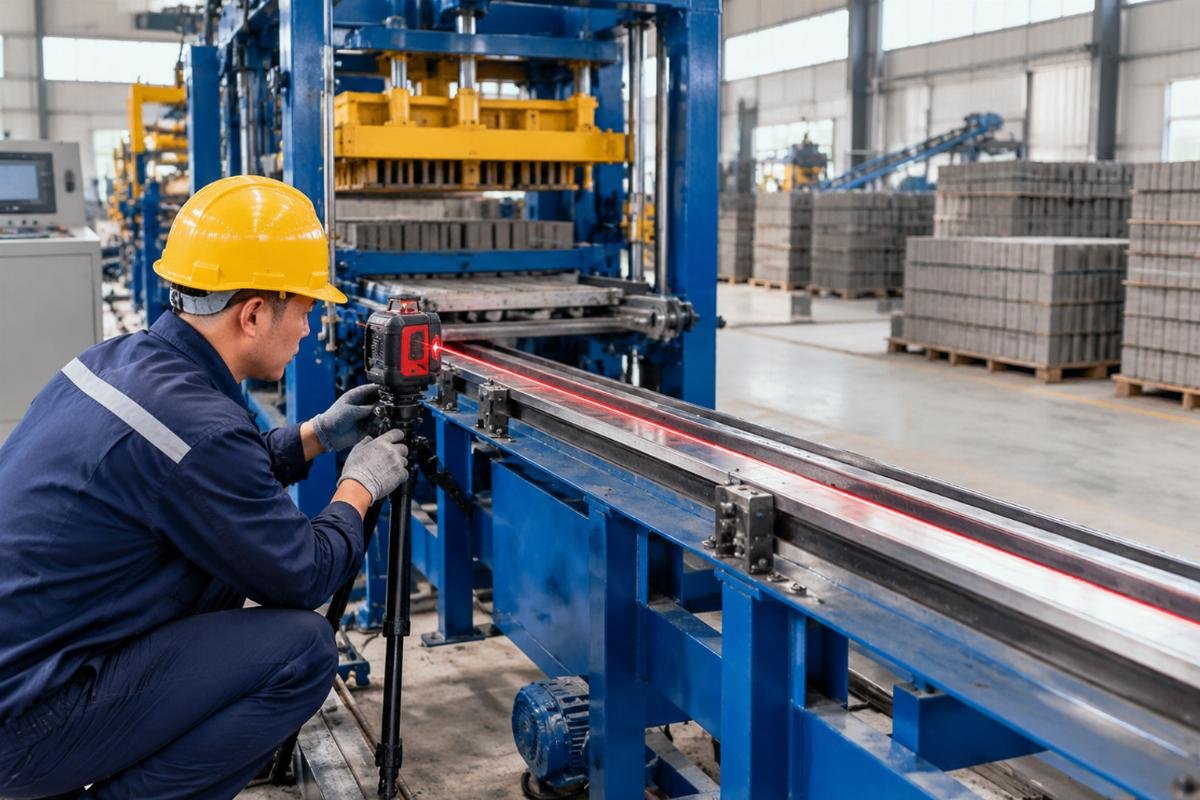
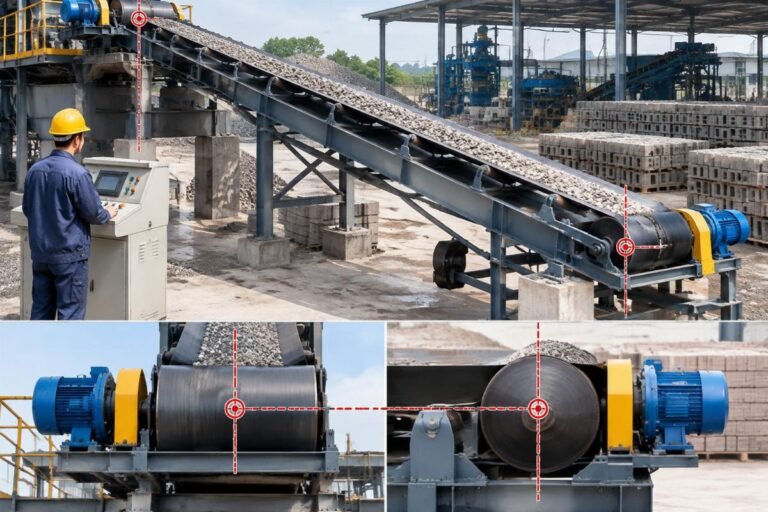
The main guide rails dictate the path of the palletizer carriage. If these rails are not perfectly level and parallel, the carriage will twist slightly during movement. This twist translates directly into placement errors. The standard protocol involves using a laser level to check the rails along their entire length. The tolerance should be extremely tight, typically less than one millimeter per meter. [NEED_CITE: General machinery installation tolerances for precision linear guides]
Step one is securing the rail mounts. Loose bolts or uneven shims under the rail supports are common culprits. Once the rails are mechanically secured, the laser level verifies the horizontal plane. Any deviation here must be corrected before proceeding. This step is often rushed in field installations, leading to the issues seen in the Riyadh case.
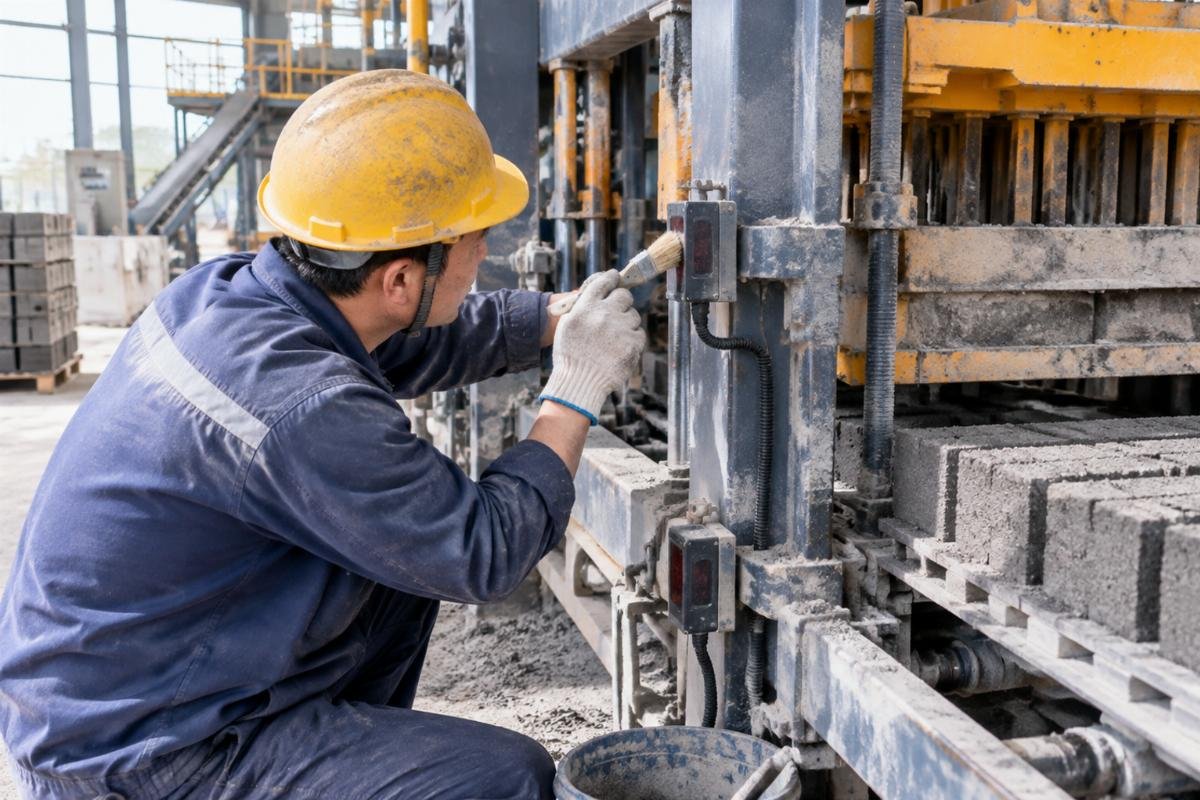
Step two focuses on the photoelectric sensors. These eyes tell the machine where the block is. If they are misaligned, the machine places the block based on false data. The centering technique involves using a reference block of known dimensions. The sensor is adjusted until it triggers precisely at the center point of the reference block. This ensures that the machine’s coordinate system matches the physical reality of the production line.
| Calibration Component | Standard Protocol | Common Field Error | Impact on Stacking |
|---|---|---|---|
| Main Guide Rails | Laser leveling <1mm/m tolerance | Skipping shim adjustment | Carriage twist, lateral drift |
| Photoelectric Sensors | Centering with reference block | Ignoring dust interference | False positioning, cumulative offset |
| Pallet Stop Position | Fixed mechanical stop verification | Relying solely on sensor | Inconsistent layer start point |
In dusty environments, such as those found in many African infrastructure projects, sensor reliability is further challenged. Dust accumulation can cause false readings, leading to misaligned pallets. Regular cleaning and protective calibration checks become part of the Block Cuber Alignment and Calibration Standards in these harsh conditions. Shiyue’s turnkey QT series installations now include specific training on maintaining these sensors in high-dust environments, ensuring that the initial calibration holds up over time.
The Hidden Cost of Skipping Site-Specific Alignment
Factory pre-calibration is insufficient; site-specific foundation settling requires re-validation before commissioning.
Many buyers assume that because the machine was calibrated at the factory, it is ready to run upon arrival. This is a dangerous misconception. Shipping vibrations, crane lifting stresses, and local foundation irregularities all alter the machine’s geometry. A machine that was perfect in Linyi may be significantly out of alignment after being installed in Lagos or Jakarta. [NEED_CITE: Logistics impact on precision machinery geometry]
The cost of skipping this re-validation is substantial. In the Middle East case mentioned earlier, the cost of reworking the collapsed stack, including labor, wasted materials, and downtime, far exceeded the time required for proper initial calibration. The financial loss was a mid-six-figure figure when accounting for delayed project timelines. This is not just an operational issue; it is a financial risk.
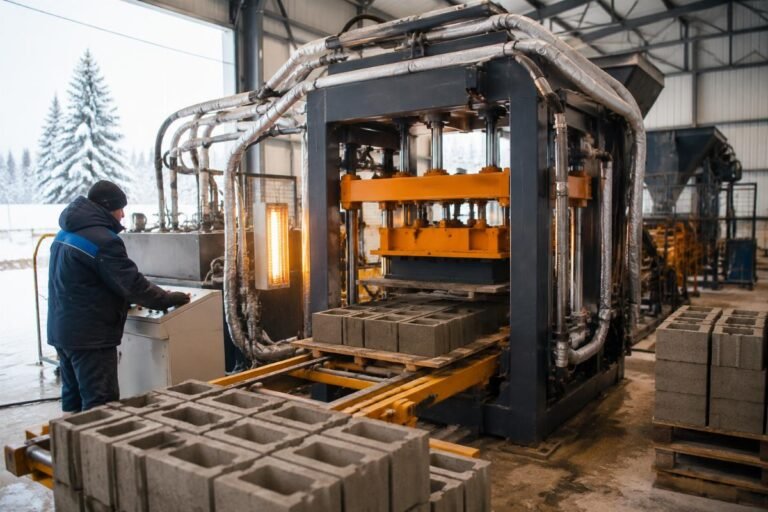
Site-specific alignment also accounts for local environmental factors. Temperature fluctuations can cause metal expansion and contraction, affecting rail tension. Humidity can influence sensor performance. A thorough site-specific calibration process adjusts for these variables. It ensures that the Block Cuber Alignment and Calibration Standards are met in the actual operating environment, not just in a controlled factory setting.
Furthermore, proper alignment reduces wear and tear on mechanical components. A misaligned carriage puts excessive stress on bearings and gears, leading to premature failure. By adhering to strict alignment protocols, plant managers extend the service life of their equipment meaningfully. This proactive approach aligns with the ROI-focused mindset of private block plant investors who need quick payback periods.
Maintenance Routine for Long-Term Precision
Preventive calibration schedules are essential to maintain accuracy in high-use and dusty environments.
Calibration is not a one-time event. It is an ongoing maintenance requirement. Operating hours, vibration, and environmental conditions all contribute to gradual drift. Establishing a periodic recalibration schedule based on operating hours helps catch issues before they cause failures. [NEED_CITE: Preventive maintenance best practices for industrial automation]
For plants running multiple shifts, a weekly check of sensor alignment is recommended. Monthly checks should include a full laser level verification of the guide rails. In dusty environments, daily cleaning of sensors and weekly verification of their trigger points are necessary. This routine prevents the accumulation of dust-induced errors that can mimic mechanical misalignment.
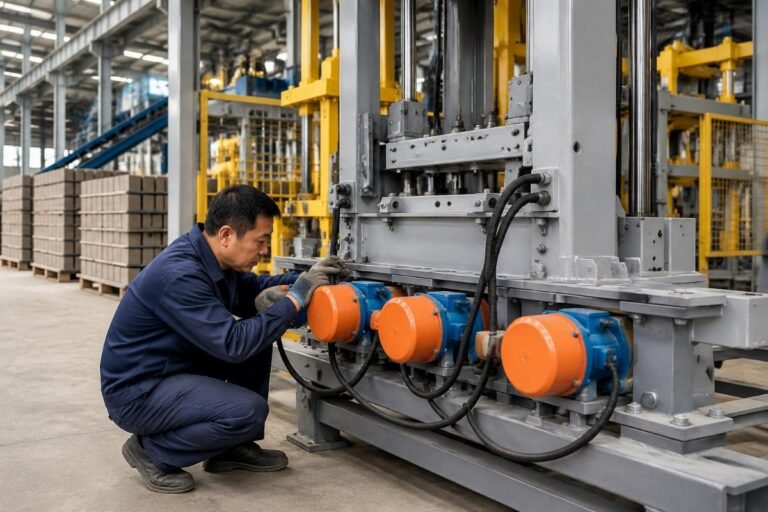
The maintenance routine should also include checking the tightness of rail mounts and sensor brackets. Vibration can loosen these fasteners over time, leading to sudden shifts in alignment. Using thread-locking compounds on critical bolts can help maintain stability. Additionally, monitoring the stack quality visually can provide early warnings of alignment issues. A slight lean in the stacks is often the first sign of sensor drift or rail misalignment.
Training operators to recognize these signs is crucial. They are the first line of defense against stacking failures. By empowering them with knowledge of Block Cuber Alignment and Calibration Standards, plant managers create a culture of precision and accountability. This reduces reliance on external technicians for minor adjustments and keeps the line running smoothly.
Conclusion
Precision alignment is the invisible backbone of reliable block palletizing.
Ignoring Block Cuber Alignment and Calibration Standards invites cumulative errors that inevitably lead to stack collapse and financial loss. By prioritizing laser-leveling of rails, precise sensor centering, and site-specific re-validation, operators ensure the stability and efficiency of their production lines. Regular maintenance and operator training sustain this precision over the long term, protecting the investment and ensuring consistent output quality.
Leave a Reply