

Egg-Layer Block Machine Off-Season Storage Guide | Shiyue Manufacturer
Covering a machine with a tarp is often more damaging than leaving it exposed to the elements.
Proper off-season storage for an egg-layer block machine requires a systematic protocol that goes beyond simple weather protection. It demands specific hydraulic preservation, electrical isolation, and mold surface treatment to prevent corrosion and seal degradation during long idle periods. Neglecting these steps frequently leads to costly restart failures, including seized cylinders and compromised block quality, which can be avoided through disciplined maintenance routines.
Having spent years coordinating logistics and technical support for machinery deployed in humid tropical zones and freezing continental climates, I have seen how seasonal halts impact equipment longevity. The transition from active production to dormancy is a critical vulnerability point. Many operators assume that stopping the engine is sufficient, but the chemical and physical processes of decay accelerate when a machine sits idle without proper preparation. This guide outlines the essential procedures to ensure your Egg-Layer Block Machine Off-Season Storage strategy protects your investment and ensures a smooth return to production.
Why Is Off-Season Storage Critical for Mobile Block Machines?
Idle machinery does not rest; it deteriorates.
When a concrete block production line stops for weeks or months due to rainy seasons, holidays, or market pauses, the environmental factors begin to attack the machine’s vulnerable components. The primary risk is not just external rust, but internal degradation of hydraulic seals and electrical contacts. Industry data suggests that a significant portion of post-idle breakdowns are directly linked to poor storage practices rather than mechanical wear during operation [NEED_CITE: correlation between idle time and restart failure rates].
Consider a case in Southeast Asia where a contractor halted production for three months during the monsoon season. The machine was left outdoors with only a basic plastic cover. Upon restart, the hydraulic piston rods had developed micro-pitting due to trapped moisture under the tarp. This damage tore the rod seals immediately upon pressurization, leading to hydraulic fluid leaks and a complete system shutdown. The cost of replacing the cylinders and seals far exceeded the time required for proper pre-storage maintenance.
Another example from Central Asia highlights the danger of freezing temperatures. A contractor stored their unit without draining the water lines from the mixing system. When temperatures dropped below freezing, the residual water expanded, cracking the hydraulic hoses and damaging the pump housing. These scenarios illustrate that Egg-Layer Block Machine Off-Season Storage is not merely about cleanliness; it is about proactive preservation against specific climatic threats.
The financial implication is clear. Restarting a poorly stored machine often involves emergency spare parts shipping, technician travel costs, and lost production days. In contrast, a well-executed storage protocol requires minimal resources but saves substantial amounts in potential repair bills. For investors in emerging markets, where cash flow management is tight, avoiding these unnecessary expenses is crucial for maintaining project ROI.
How to Protect the Hydraulic System During Idle Periods?
Hydraulic systems fail from the inside out when left stagnant.
The hydraulic system is the heart of any block making machine. During operation, the constant movement of fluid and pistons keeps seals lubricated and surfaces clean. When the machine stops, gravity causes fluid to drain away from critical areas, leaving metal surfaces exposed to air and moisture. The most vulnerable components are the chrome-plated piston rods, which are prone to rust if not properly coated.
To protect the hydraulic system during Egg-Layer Block Machine Off-Season Storage, follow these steps:
- Relieve System Pressure: Before shutting down, cycle all hydraulic cylinders to their fully retracted positions if possible, or to a neutral position that minimizes exposure. Ensure that the hydraulic pressure is completely released from the accumulators and lines. Leaving the system under pressure for months can cause seal deformation and fatigue.
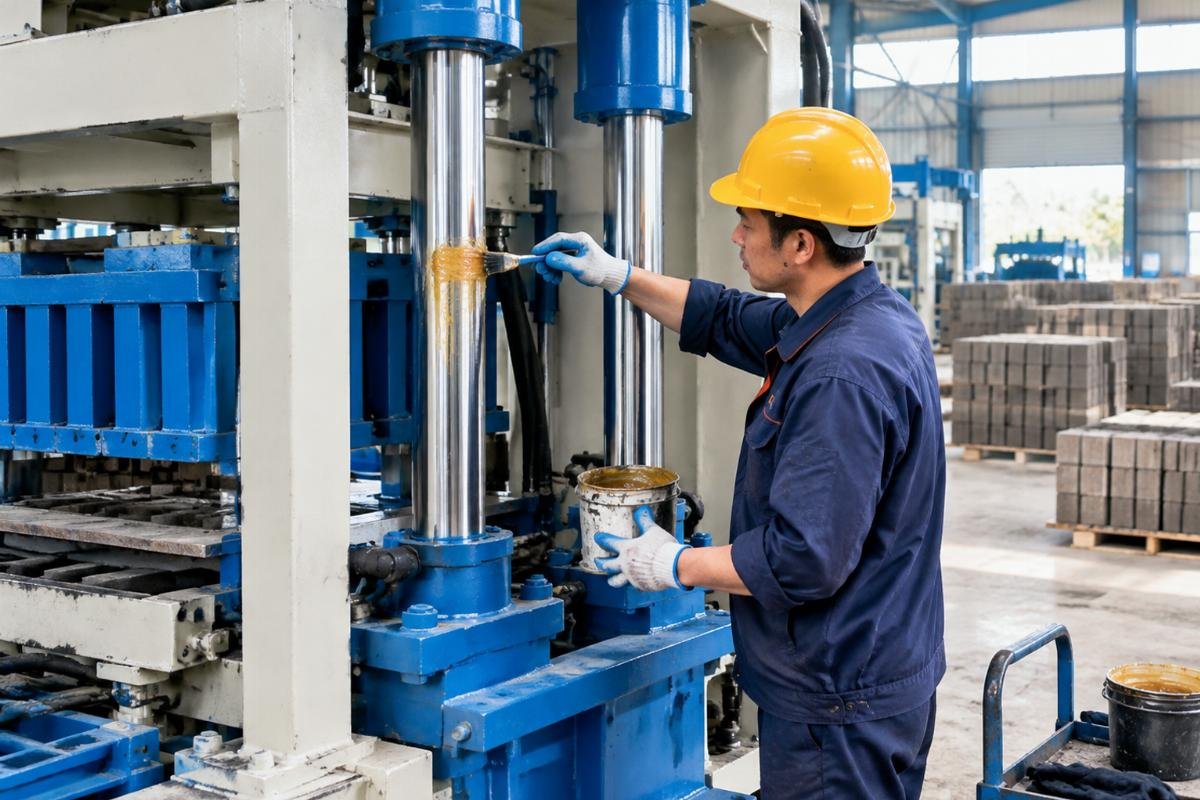
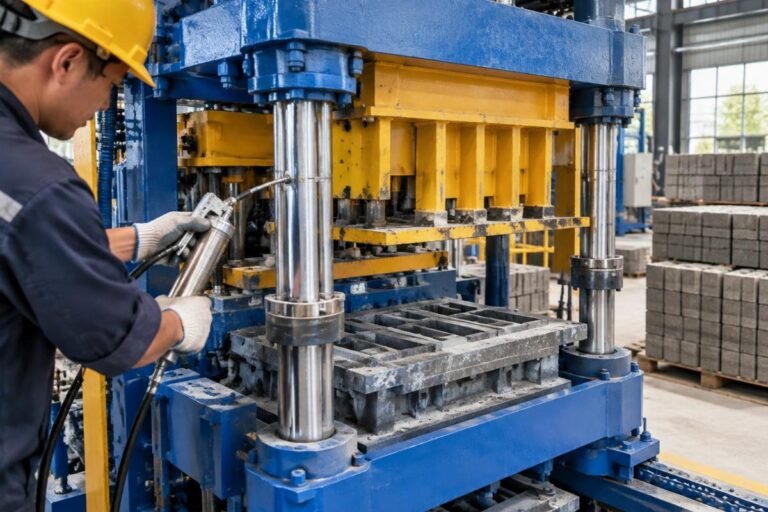
- Clean and Coat Piston Rods: Thoroughly clean all exposed chrome piston rods with a clean cloth to remove dust and concrete residue. Apply a thick layer of high-quality lithium-based grease or a specialized anti-rust oil. This coating acts as a barrier against humidity and oxygen. Do not use thin oils that may drip off or evaporate over time.
- Check Hydraulic Fluid Levels: Inspect the hydraulic oil tank for contamination. If the oil appears cloudy or has water separation, it should be changed before storage. Water in the hydraulic system can cause internal corrosion of pumps and valves. Top up the fluid to the recommended level to minimize air space in the tank, which reduces condensation.
- Seal Hydraulic Connections: If any hydraulic hoses or fittings show signs of wear, replace them before storage. Cover open ports with plastic caps to prevent dust and insects from entering the system.
A common mistake is assuming that releasing pressure is enough. Without coating the chrome rods, even a few weeks of high humidity can cause surface oxidation. This pitting creates rough spots that destroy new seals the moment the machine is restarted. By following these steps, you ensure that the hydraulic integrity remains intact, allowing for a quick and leak-free restart.
What Are the Essential Steps for Mold and Electrical Care?
Molds and electronics are sensitive to humidity and temperature fluctuations.
The molds define the quality of your blocks, and the electrical system controls the precision of the machine. Both require specific attention during Egg-Layer Block Machine Off-Season Storage to prevent costly damage.
Mold Preservation:
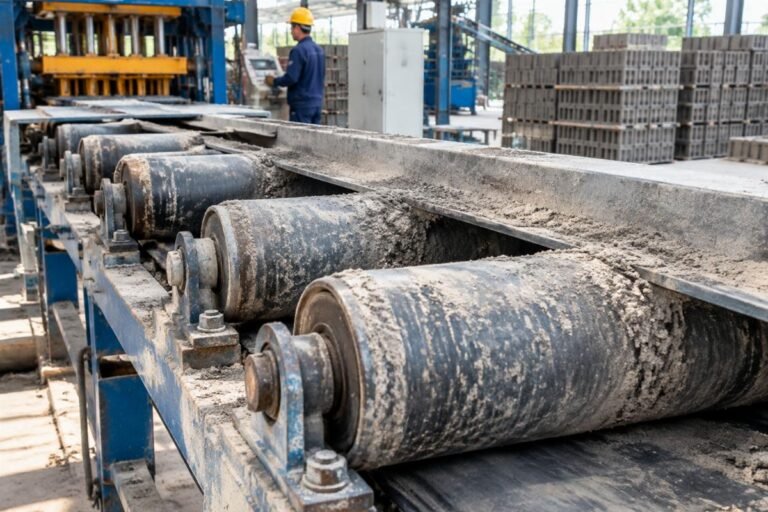
Concrete residue is hygroscopic, meaning it absorbs moisture from the air. If left on the mold surfaces, this residue creates a damp environment that accelerates rusting of the steel.
- Thorough Cleaning: Remove all hardened concrete from the mold cavities, side plates, and pallets. Use non-abrasive tools to avoid scratching the polished surfaces.
- Anti-Rust Application: Apply a generous coat of anti-rust oil or grease to all steel surfaces of the mold. Pay special attention to corners and edges where moisture tends to accumulate.
- Elevation and Covering: Store molds in a dry, indoor location if possible. If outdoor storage is unavoidable, elevate them off the ground on wooden pallets to prevent contact with soil moisture. Cover them with breathable fabric rather than plastic sheeting to allow air circulation and prevent condensation buildup.
Electrical System Protection:
Moisture and dust are the enemies of electrical components. Corrosion on circuit boards and connectors can lead to short circuits and erratic behavior upon restart.
- Power Disconnection: Disconnect the main power supply and remove the battery if the machine is equipped with one. Store the battery in a cool, dry place and charge it periodically to prevent sulfation.
- Seal Control Boxes: Inspect the seals on all electrical control boxes and junction boxes. Ensure they are tight and free of cracks. Use silica gel packets inside the control panels to absorb any residual moisture.
- Protect Sensors and Switches: Cover proximity sensors, limit switches, and other electronic components with plastic wrap or protective caps to shield them from dust and humidity.
Neglecting these steps can result in poor block finish due to rusted molds and unpredictable machine behavior due to electrical faults. Proper care ensures that the machine retains its precision and reliability after the idle period.
How to Prepare the Machine for Restart After Storage?
Restarting is not just turning the key; it is a diagnostic process.
After months of inactivity, the machine needs a systematic check before full-load production. Rushing this phase can undo all the preservation efforts made during storage. Effective Egg-Layer Block Machine Off-Season Storage includes a planned restart protocol.
- Visual Inspection: Walk around the machine and inspect all components for signs of rust, damage, or pest infestation. Check hydraulic hoses for cracks or brittleness caused by temperature changes.
- Remove Protective Coatings: Clean off the grease and anti-rust oil from the piston rods and mold surfaces. Use a soft cloth and appropriate solvent if necessary. Ensure no debris falls into the hydraulic system or mold cavities.
- Fluid Checks: Inspect hydraulic oil, engine oil, and coolant levels. Look for signs of water contamination or sludge. Replace filters if they appear clogged or dirty.
- Electrical System Check: Reinstall the battery and reconnect the power supply. Check all electrical connections for tightness and corrosion. Power up the control system and test all sensors and switches for proper functionality.
- Dry Run: Start the engine and let it idle for a few minutes to circulate fluids. Operate the hydraulic system slowly, extending and retracting cylinders to distribute lubrication. Listen for unusual noises and watch for leaks.
- Test Production: Run a small batch of blocks to verify the quality and dimensional accuracy. Adjust the mold settings if necessary.
Shiyue provides remote diagnostic support to assist customers during this restart phase. Our technical team can guide you through troubleshooting steps via video call, ensuring that any issues are resolved quickly. This support is part of our commitment to helping investors maximize the uptime and profitability of their QT and QMY series machines.
Conclusion
Preparation prevents poor performance.
Treating Egg-Layer Block Machine Off-Season Storage as a critical maintenance phase rather than a passive break ensures your equipment remains reliable and profitable. By protecting hydraulic systems, preserving molds, and safeguarding electrical components, you avoid the high costs of restart failures. Implement these protocols to extend the lifespan of your machine and maintain consistent production quality across seasons.
Leave a Reply