

QT15 Fully Auto Curbstone Line Manufacturer: Turnkey Solution for Sale
Most buyers fixate on hydraulic pressure ratings, but the real bottleneck in curbstone production is vibration consistency and civil engineering precision.
The QT15 Fully Automatic Curbstone Machine is not merely a standalone unit; it is a complex system where successful output depends significantly on foundation stability, mold metallurgy, and local aggregate adaptation. For mid-to-high volume municipal projects requiring strict dimensional accuracy, this equipment delivers consistent results only when integrated with rigorous site preparation and specialized tooling.
I still remember the humidity in Lagos during a commissioning trip years ago. The client had poured a concrete slab that looked perfect to the naked eye, but they had skipped the geotechnical soil compaction test to save time. Three days after we started the QT15 Fully Automatic Curbstone Machine, the main frame shifted by a few millimeters. That slight misalignment caused the molds to bind, stripping bolts and halting production for two weeks while we dug out the foundation to reinforce the steel density. [NEED_CITE: importance of geotechnical surveys for dynamic machinery foundations] That incident changed how I approach every project. Now, before discussing payment terms or shipping schedules, I ask for the soil report. Without it, the risk of catastrophic alignment errors is too high to ignore.
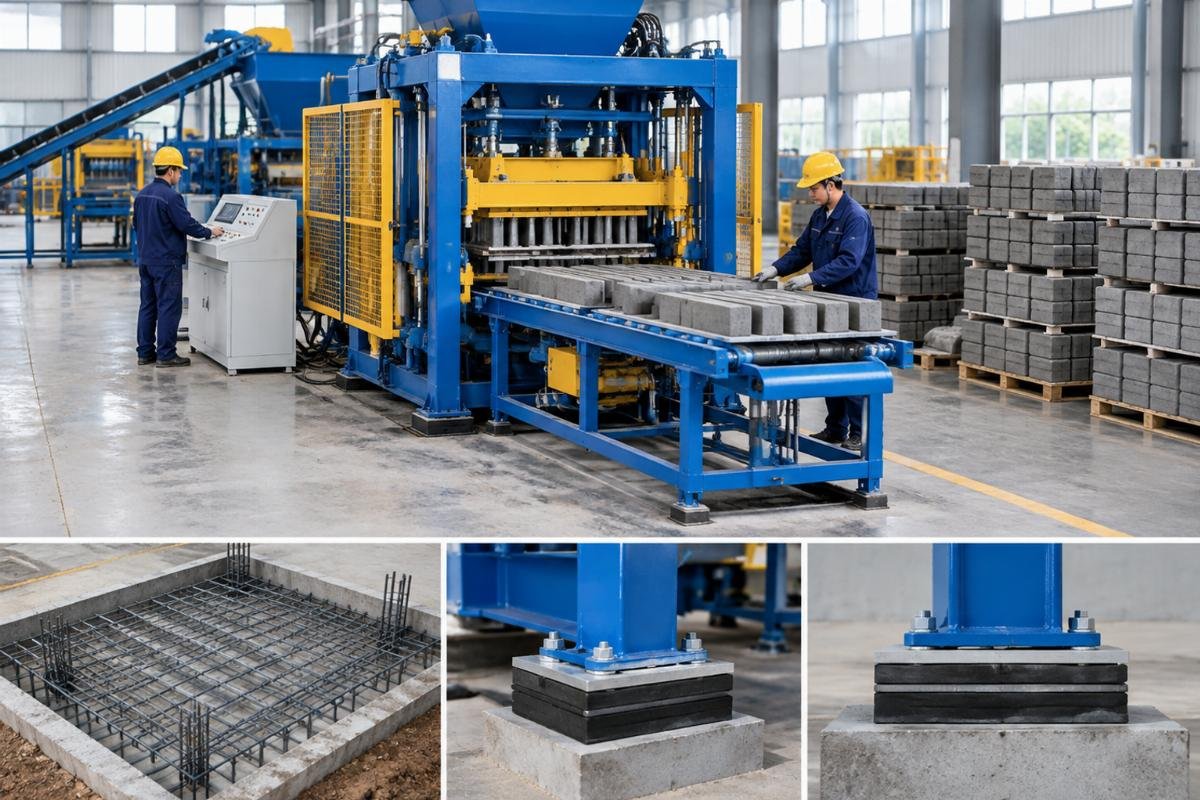
This article breaks down the critical factors that determine whether your investment yields a smooth operation or a costly repair cycle. We will look beyond the brochure specifications to examine the hidden costs of installation, the science of mold matching, and the realistic timeline from delivery to first saleable batch.
Is the QT15 Right for Your Curbstone Volume?
Choosing the right capacity requires balancing initial capital expenditure against long-term operational efficiency and maintenance demands.
The market is flooded with machines claiming high output, but the QT15 Fully Automatic Curbstone Machine occupies a specific niche. It is designed for contractors and precast producers who need to supply large-scale infrastructure projects, such as urban road upgrades or housing estates, where consistency is non-negotiable. Unlike smaller manual units, this system relies on PLC-controlled cycles to ensure every block has identical density and dimensions. [NEED_CITE: ASTM standards for precast concrete dimensional tolerance]
Consider the difference in operational logic. A smaller machine might rely on operator skill to judge fill levels and vibration time. In contrast, the QT15 Fully Automatic Curbstone Machine uses sensors to regulate material feed and vibration duration automatically. This reduces human error but increases the complexity of the control system. If your daily target is low, the overhead of maintaining such a sophisticated system may not be justified. However, for volumes that require continuous shifts, the automation pays for itself by reducing labor dependency and minimizing waste from defective batches.
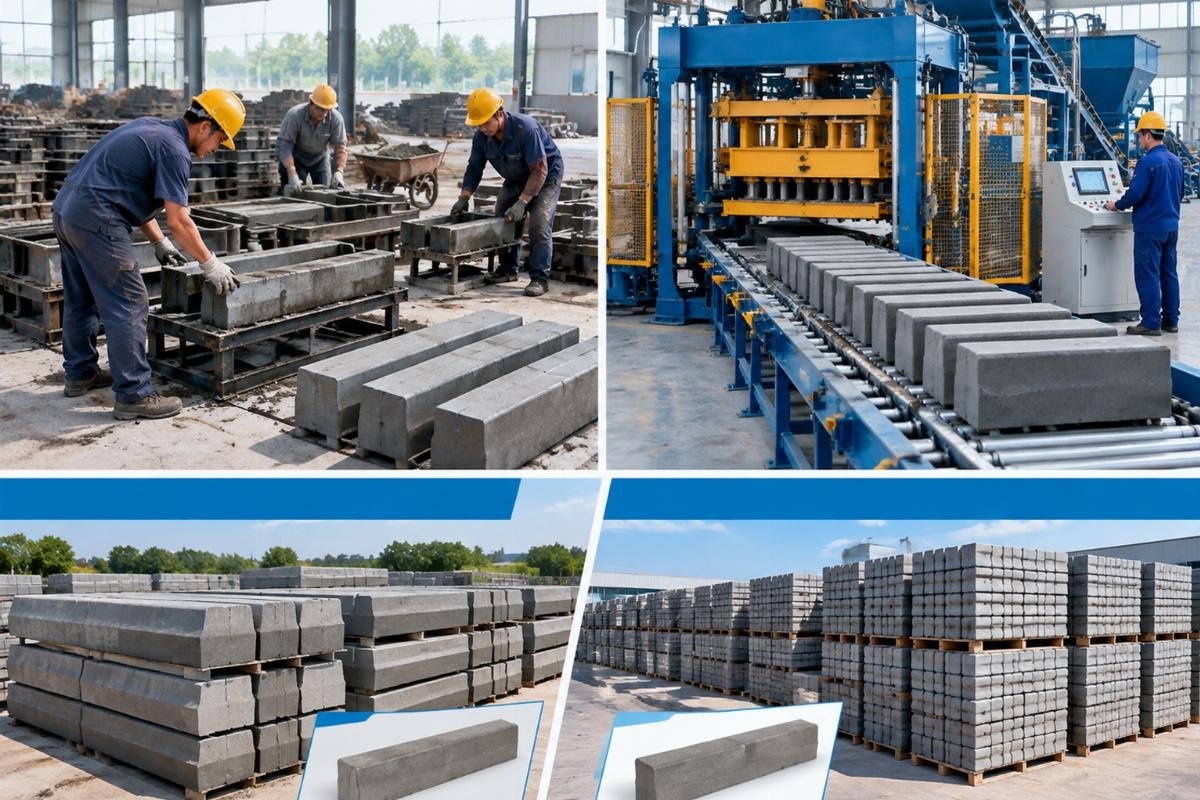
A buyer in Southeast Asia once opted for a smaller semi-automatic line to save on upfront costs. Within months, they struggled to meet the tight tolerances required by their government contract. The variation in block height led to rejection rates that eroded their margins. They eventually upgraded to a QT15 Fully Automatic Curbstone Machine, which stabilized their output quality. The lesson here is that volume alone does not dictate the choice; the precision requirements of your end clients do.
The Hidden Cost: Why Foundation Reports Matter More Than Price?
Skipping professional geotechnical analysis is the most common cause of premature equipment failure and unplanned downtime.
Many investors view the foundation as a simple concrete pad, but for a QT15 Fully Automatic Curbstone Machine, it is a critical component of the vibration isolation system. The dynamic loads generated during the compaction phase are substantial. If the underlying soil is not properly compacted, or if the reinforcement density is insufficient, the machine will settle unevenly. [NEED_CITE: civil engineering load calculations for vibrating industrial equipment]
In one project in West Africa, the local contractor used standard residential-grade rebar spacing for the foundation. The weight and vibration of the QT15 Fully Automatic Curbstone Machine caused micro-cracks to form within weeks. These cracks widened over time, leading to a misalignment of the mold carriage. The result was a complete shutdown while we excavated and repoured the base with increased steel density. The cost of this remediation far exceeded the price of a proper initial survey.
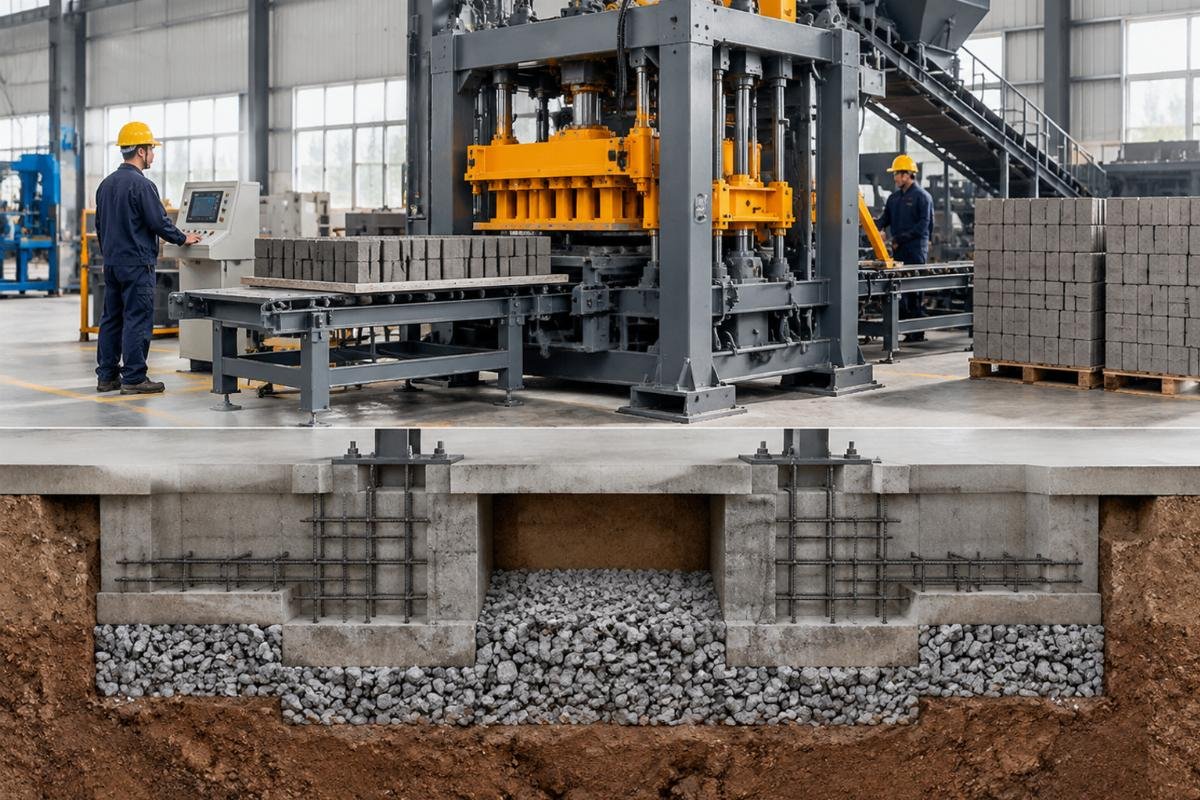
To avoid this, always insist on a soil bearing capacity test. The foundation design must account for the specific frequency and amplitude of the QT15 Fully Automatic Curbstone Machine. Isolation pads or springs are often recommended to decouple the machine from the building structure, preventing vibration transfer that can damage nearby facilities. This is not an optional extra; it is a necessity for long-term reliability.
Mold Matching: The Key to Surface Quality?
Standard block molds are inadequate for curbstone production due to the unique stress profiles and wear patterns involved.
Curbstones have complex geometries with sharp edges and varying thicknesses. Using a generic mold set on a QT15 Fully Automatic Curbstone Machine will lead to rapid wear and poor surface finish. The vibration required to compact the concrete into these intricate shapes creates high friction points. [NEED_CITE: metallurgical standards for wear-resistant mold alloys]
I recall a case in East Africa where a client used standard steel molds for a road project involving abrasive local sand. The molds wore out after a few thousand cycles, resulting in curbstones with rounded edges and inconsistent dimensions. The client blamed the machine, but the issue was the tooling. We replaced the molds with ones featuring hardened steel inserts and adjusted the vibration amplitude. The lifespan of the molds extended significantly, and the surface quality improved dramatically.
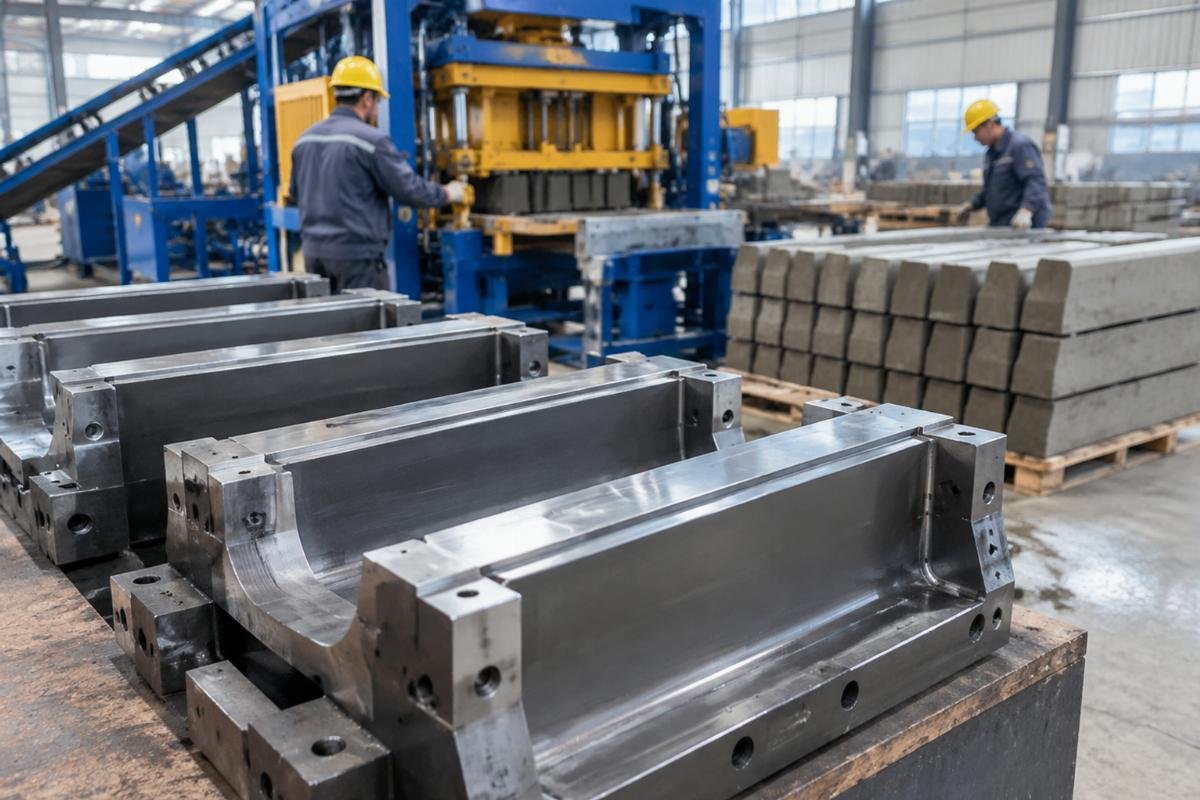
When configuring your QT15 Fully Automatic Curbstone Machine, specify the aggregate size and type you will be using. This allows the manufacturer to recommend the appropriate mold material and vibration settings. For abrasive mixes, hardened alloys are essential. For smoother finishes, precise machining of the mold interior is critical. Do not treat molds as consumables to be bought cheaply; they are precision tools that define your product quality.
From Installation to First Batch: A Realistic Timeline?
Expect a commissioning period of several weeks, not days, to account for civil works, utility connections, and operator training.
Marketing materials often highlight fast shipping times, but they rarely mention the on-site reality. Installing a QT15 Fully Automatic Curbstone Machine involves more than just uncrating the unit. It requires precise leveling, connection to hydraulic and electrical systems, and calibration of the PLC controls. [NEED_CITE: industry best practices for industrial machinery commissioning timelines]
In a recent project in Latin America, the equipment arrived on schedule, but the local power supply had voltage fluctuations that damaged the sensitive electronics in the control panel. We had to install voltage stabilizers and reprogram the system, which added days to the timeline. Additionally, training local operators to understand the nuances of the QT15 Fully Automatic Curbstone Machine took time. They needed to learn how to adjust mix water ratios and recognize early signs of mold wear.
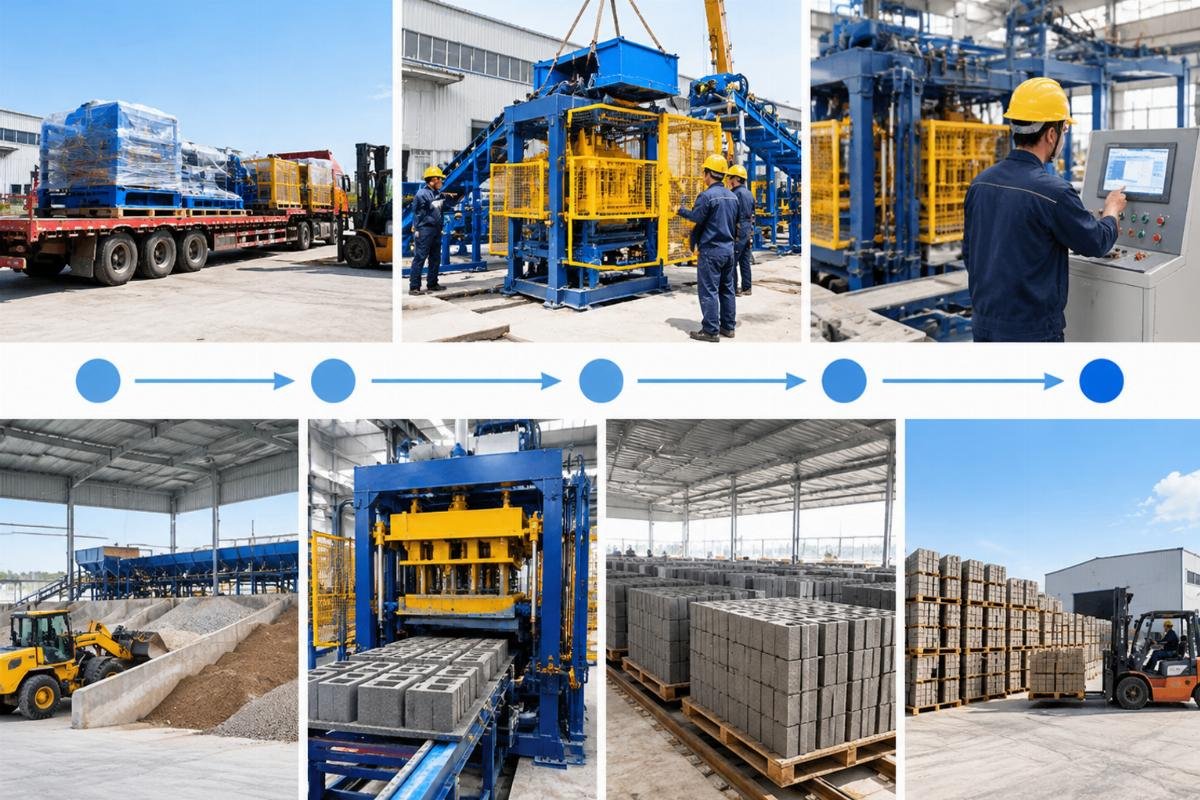
Plan for a buffer period. Civil works should be completed before the machine arrives. Utility connections must be verified for stability. And operator training should be hands-on, covering both routine operation and basic troubleshooting. Rushing this process leads to mistakes that can take months to correct. A methodical approach ensures that when you start production, you start it right.
Conclusion
Success with automated curbstone production lies in the details of preparation, not just the purchase of equipment.
The QT15 Fully Automatic Curbstone Machine is a powerful tool, but it demands respect for engineering principles. From the soil beneath the foundation to the alloy in the molds, every element plays a role in determining your profitability. By prioritizing technical feasibility over initial price savings, you build a operation that is resilient, efficient, and capable of meeting the highest standards.
Leave a Reply