

QT9-18 Auto Line Uzbekistan: Manufacturer for Sale
Most buyers assume "automatic" means plug-and-play; the reality is that water-cement ratio consistency determines product quality, not just the machine.
The QT9-18 automatic block machine Uzbekistan market requires specific pre-shipment customization to avoid operational failure. Success depends on adapting the production line to local voltage stability (380V/50Hz), installing Cyrillic or Russian PLC interfaces for operator efficiency, and selecting molds compatible with regional construction standards. Without these adjustments, investors face significant downtime and hidden integration costs. This guide details the technical specifications, necessary modifications, and comparative advantages of the QT9-18 model for Central Asian infrastructure projects.
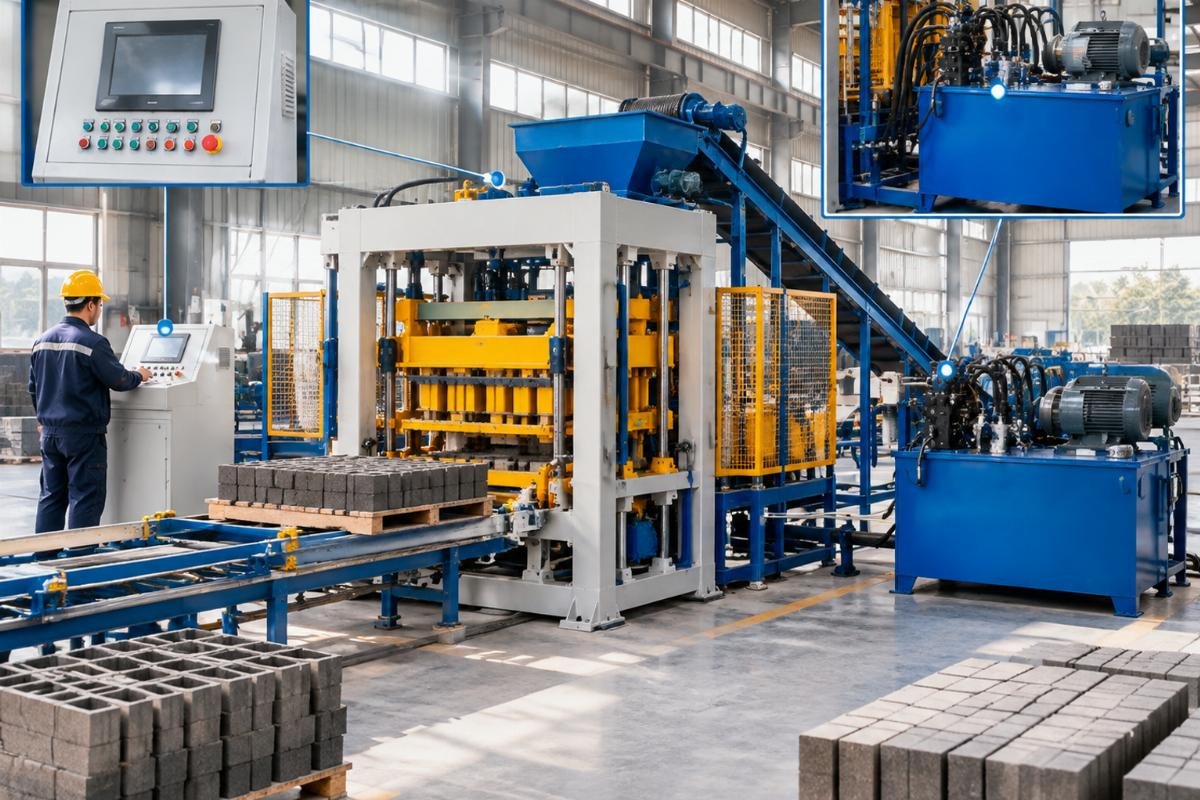
Having spent years coordinating equipment procurement in Tashkent, I witnessed firsthand how a lack of technical preparation turns a promising investment into a logistical nightmare. A local contractor once imported a second-hand line from Europe, only to discover the PLC system was locked to English and the spare parts diagrams used obscure abbreviations. The resulting brick waste rate was substantial, and the cost to fly in a specialized engineer exceeded half the value of the machinery. This experience underscores why buying a QT9-18 automatic block machine Uzbekistan solution requires more than just checking the price tag; it demands a thorough understanding of local operational conditions.
Why Is the QT9-18 Suitable for Uzbekistan’s Construction Boom?
The QT9-18 offers a high-capacity solution aligned with the region’s growing demand for affordable housing and infrastructure development.
Uzbekistan’s construction sector is expanding rapidly, driven by government initiatives for urban renewal and new residential complexes. The QT9-18 automatic block machine Uzbekistan is designed to meet this high-volume demand, capable of producing between fifteen thousand and twenty thousand blocks per day under optimal conditions. This output level matches the requirements of medium-to-large scale contractors who need consistent supply without the bottlenecks associated with smaller, semi-automatic units.
The machine’s robust frame and heavy-duty vibration system ensure that blocks maintain structural integrity even when using locally sourced aggregates with varying gradations. [NEED_CITE: impact of aggregate variability on block strength per ASTM C140] Unlike lighter models, the QT9-18 utilizes a multi-dimensional vibration technology that compacts concrete more uniformly, reducing the risk of cracking during curing. This is particularly important in regions where temperature fluctuations can affect the drying process.
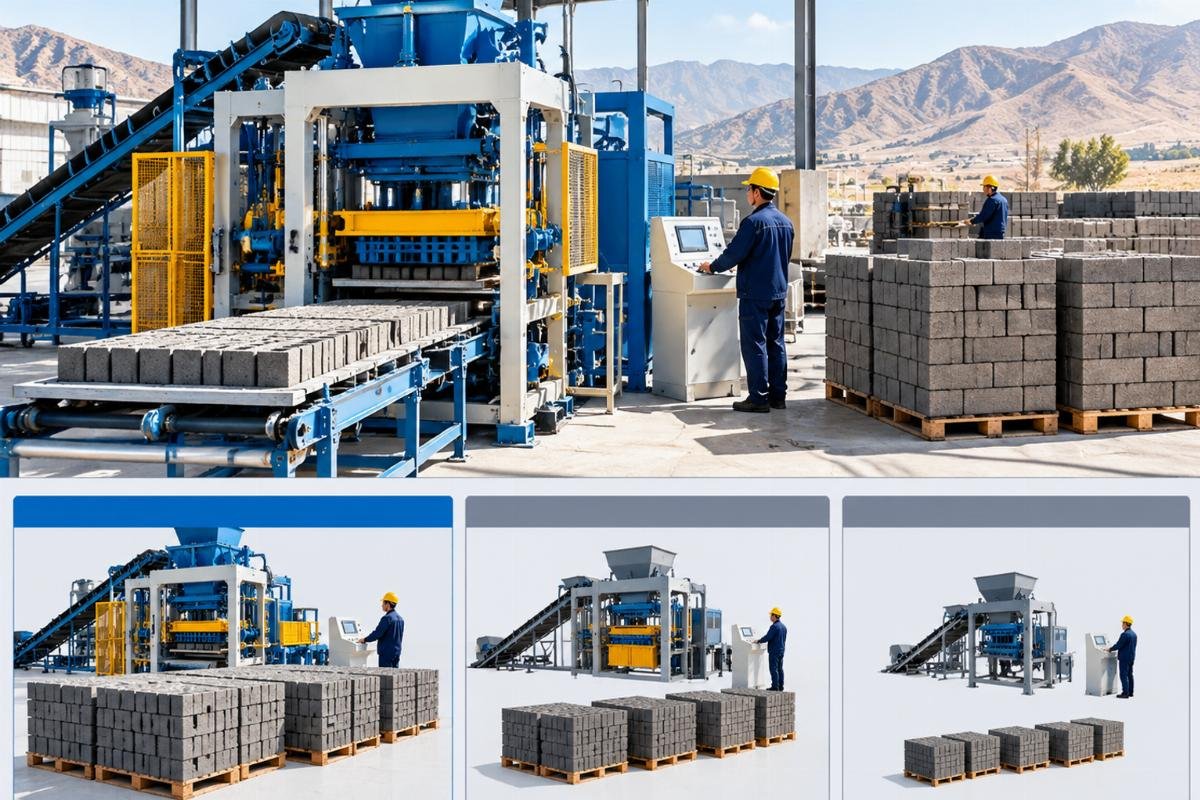
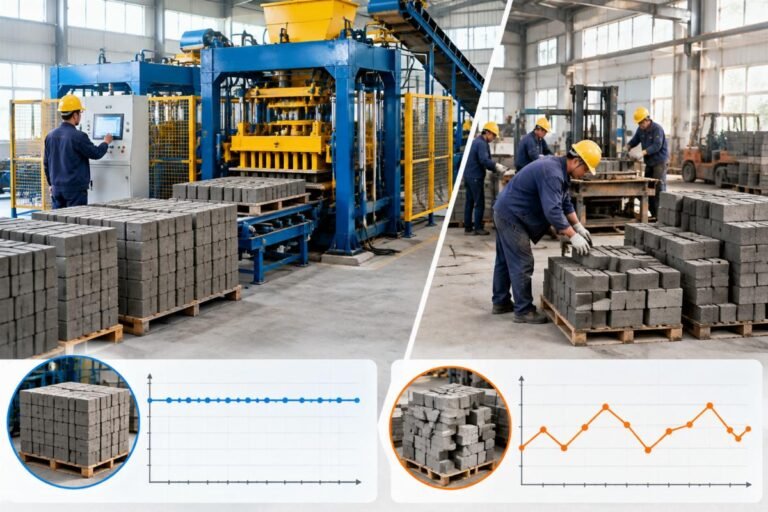
For investors, the key advantage lies in the balance between initial investment and long-term throughput. While smaller machines may have a lower entry cost, their labor intensity and slower cycle times often result in higher operational expenses over time. The QT9-18 automatic block machine Uzbekistan automates the feeding, molding, and stacking processes, significantly reducing the number of workers required on the production floor. This automation not only lowers labor costs but also minimizes human error, leading to a more consistent product quality that meets international standards.
What Technical Adjustments Are Needed for Local Conditions?
Voltage stabilization and localized control systems are critical for ensuring uninterrupted operation in regional industrial zones.
One of the most common pitfalls for importers is neglecting the electrical infrastructure requirements. Many industrial areas in Uzbekistan experience frequent power fluctuations, which can damage sensitive electronic components in automatic block machines. The QT9-18 automatic block machine Uzbekistan must be equipped with a voltage stabilizer of appropriate capacity to protect the PLC and motor drives. Additionally, the motor insulation class should be selected to withstand the ambient temperatures and dust levels typical of the region. [NEED_CITE: IEC standards for motor insulation in dusty environments]
Another crucial adjustment involves the human-machine interface (HMI). Operators in Central Asia often prefer controls in Russian or Uzbek rather than English. A machine with an English-only PLC can lead to significant operational delays and increased training time. By pre-installing a localized interface, manufacturers can reduce the learning curve for operators, allowing them to troubleshoot minor issues independently. This customization is a standard feature in reputable QT9-18 automatic block machine Uzbekistan packages, ensuring that language barriers do not hinder productivity.
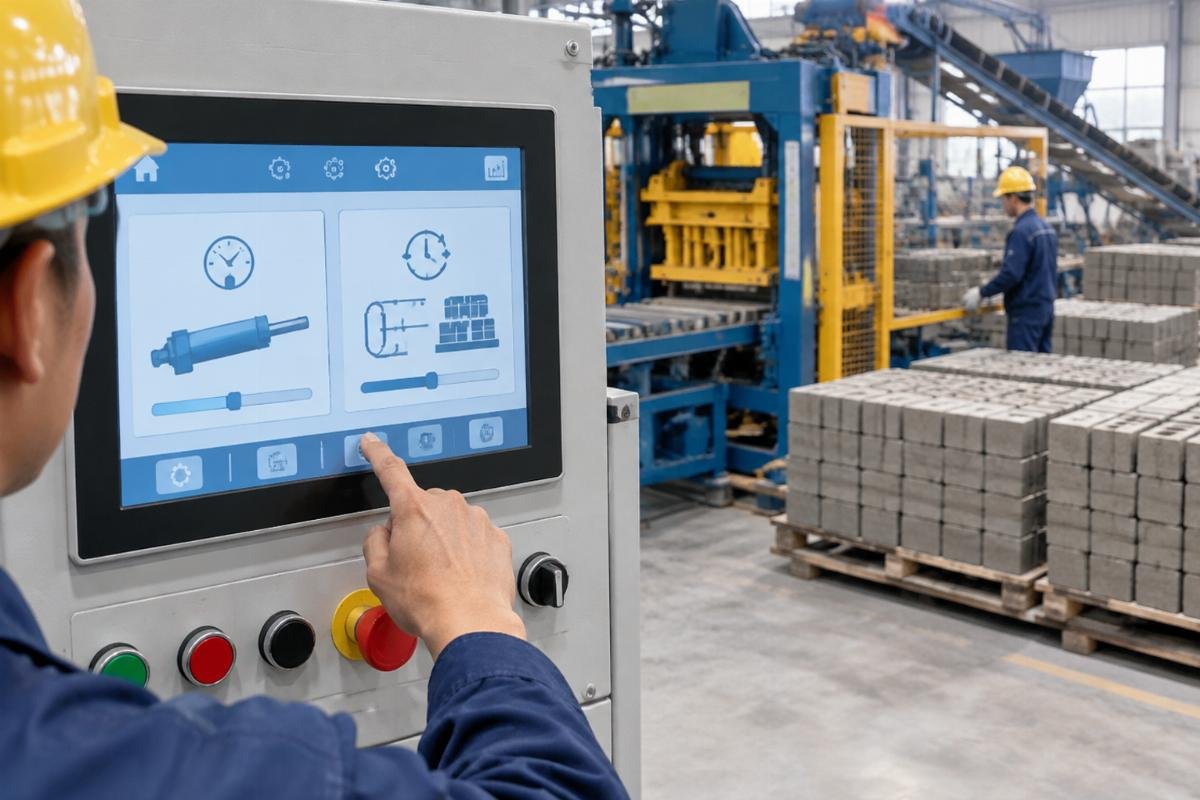
Climate adaptation is also essential. The arid climate in many parts of Uzbekistan means that dust can infiltrate mechanical parts, causing wear and tear. The QT9-18 automatic block machine Uzbekistan should include enhanced sealing for hydraulic cylinders and electrical cabinets. Furthermore, the hydraulic oil viscosity must be suitable for the local temperature range to ensure smooth operation during both hot summers and cold winters. These seemingly small details can have a major impact on the longevity and reliability of the equipment.
How Does QT9-18 Compare to Smaller Models Like QT4-15?
Higher tonnage does not automatically equate to better quality; precision in hydraulic valve response and PLC logic is the true determinant of block consistency.
When choosing between the QT9-18 and smaller models like the QT4-15, investors often focus solely on output capacity. However, the decision should be based on a comprehensive analysis of return on investment, labor requirements, and initial capital outlay. The following table provides a qualitative comparison to help buyers make an informed choice.
| Feature | QT4-15 Model | QT9-18 Model |
|---|---|---|
| Output Capacity | Moderate | High |
| Labor Requirement | Higher manual intervention | Minimal, highly automated |
| Initial Investment | Lower | Higher |
| PLC Complexity | Basic | Advanced with diagnostic features |
| Suitability | Small-scale startups | Large infrastructure projects |
| Maintenance Frequency | Standard | Extended intervals with proper care |
[NEED_CITE: comparative ROI analysis for automatic vs semi-automatic block lines]
The QT4-15 is suitable for entrepreneurs starting small-scale operations with limited capital. It requires more manual handling of pallets and raw materials, which increases labor costs but reduces the initial financial burden. In contrast, the QT9-18 automatic block machine Uzbekistan is designed for established manufacturers or large contractors who prioritize volume and consistency. Its advanced PLC system allows for precise control over the molding cycle, ensuring that each block meets strict dimensional tolerances.
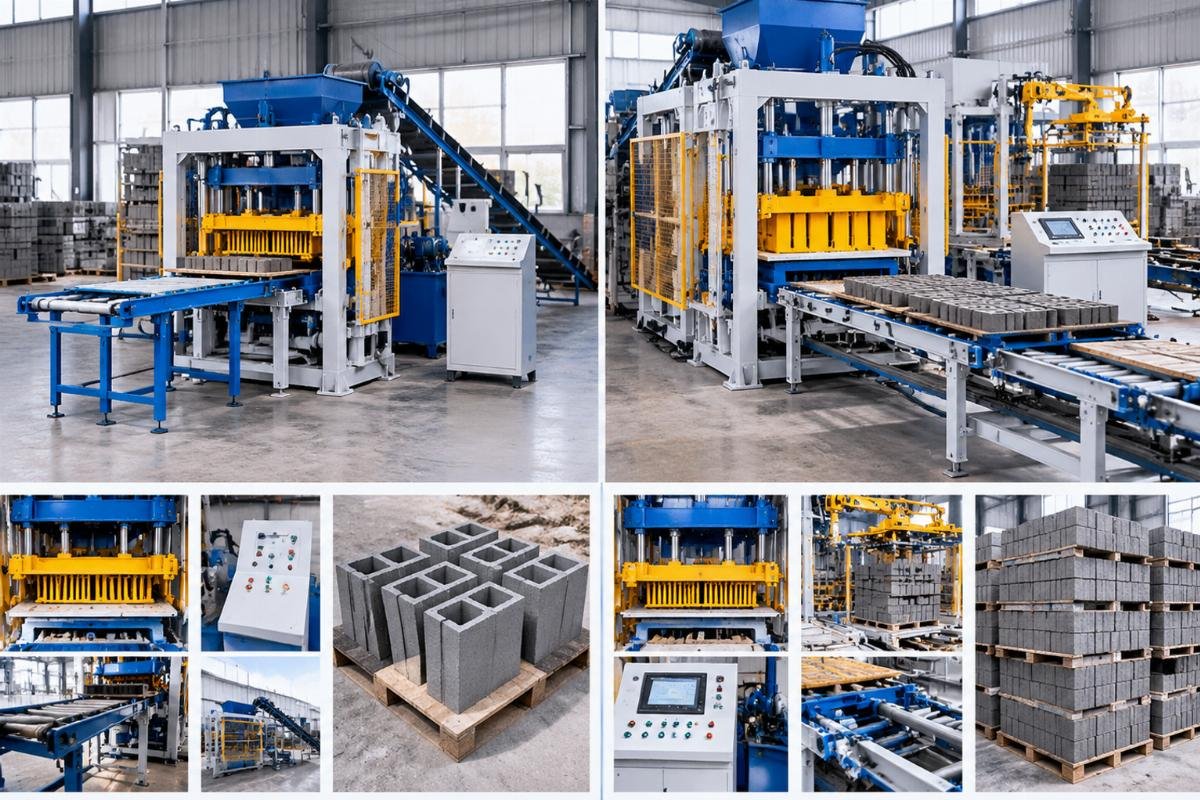
A case in point involves a contractor in the Fergana Valley who initially purchased a QT4-15 to test the market. As demand grew, the manual handling became a bottleneck, limiting his ability to fulfill larger contracts. Upgrading to a QT9-18 automatic block machine Uzbekistan allowed him to double his production capacity without proportionally increasing his workforce. The transition was smooth because the foundational knowledge gained from the smaller machine helped his team adapt quickly to the automated system.
What Are the Hidden Costs of Importing Automatic Lines?
Many assume "automatic" means plug-and-play; true reality is that water-cement ratio consistency determines 80% of product quality, not just the machine.
Importing a full production line involves more than just the cost of the machinery. Shipping, installation, and training are significant components of the total investment. For the QT9-18 automatic block machine Uzbekistan, buyers must account for the logistics of transporting heavy equipment to their site. This includes customs clearance, inland transportation, and potentially crane services for unloading.
Installation is another area where hidden costs can accumulate. If the foundation is not prepared according to the manufacturer’s specifications, the machine may vibrate excessively, leading to premature wear and inaccurate block dimensions. [NEED_CITE: foundation load-bearing requirements for heavy vibrating machinery] Proper site preparation involves ensuring a level, reinforced concrete base that can withstand the dynamic loads generated during operation.
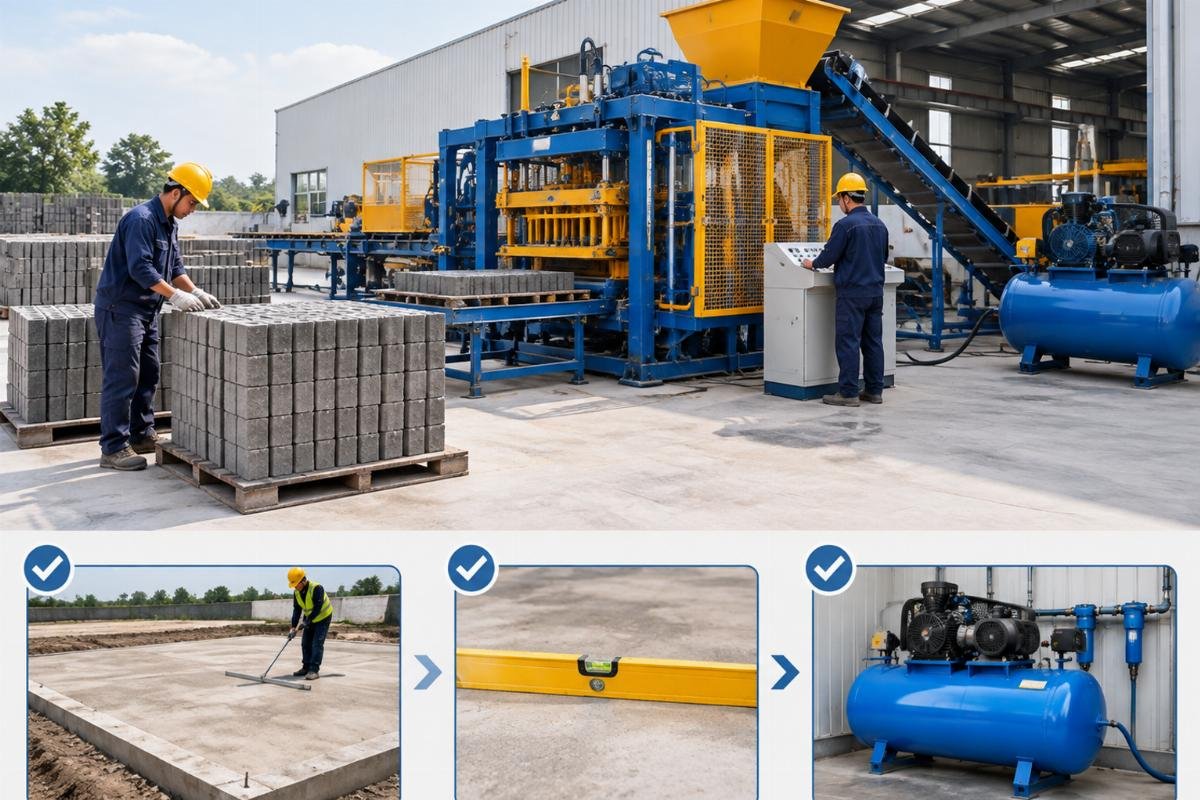
Training is often overlooked but is vital for long-term success. Operators need to understand not just how to start the machine, but how to adjust parameters for different mix designs and mold types. Without proper training, even the most advanced QT9-18 automatic block machine Uzbekistan can produce substandard products. Reputable suppliers include comprehensive training programs as part of the package, covering both theoretical knowledge and hands-on practice. This investment in human capital pays off by reducing waste and improving overall efficiency.
How to Ensure Long-Term Operational Stability?
Success depends on proactive maintenance and reliable access to spare parts, not just the initial purchase.
Long-term stability of the QT9-18 automatic block machine Uzbekistan relies on a well-planned maintenance schedule and a steady supply of spare parts. Hydraulic systems, in particular, require regular inspection of seals and hoses to prevent leaks that can compromise pressure and performance. Keeping a stock of critical spares, such as solenoid valves and sensors, can minimize downtime in case of unexpected failures.
Remote diagnostic support is becoming increasingly important for maintaining operational continuity. Modern PLC systems allow technicians to monitor machine performance and identify potential issues before they become critical. This capability is especially valuable for buyers in Uzbekistan, where immediate on-site technical support may not always be available. By leveraging remote diagnostics, operators can receive guidance on troubleshooting and parameter adjustments, ensuring that the QT9-18 automatic block machine Uzbekistan continues to operate at peak efficiency.
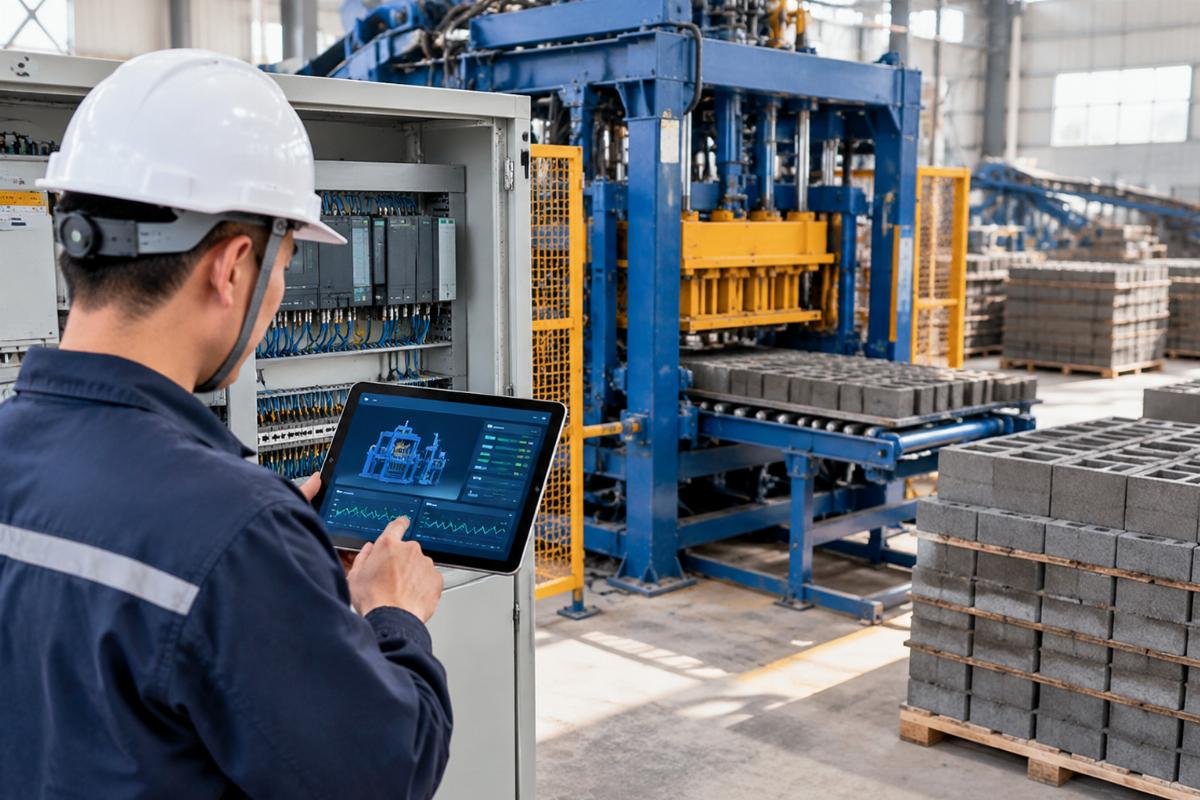
Building a relationship with a supplier who understands the local market is key. They can provide insights into best practices for operating in the specific climate and regulatory environment of Uzbekistan. This includes advice on mix design optimization, mold selection, and energy consumption management. By viewing the supplier as a partner rather than just a vendor, buyers can maximize the value of their investment and ensure the long-term success of their block production business.
Conclusion
Technical compatibility and local adaptation are the true drivers of profitability in block manufacturing.
The QT9-18 automatic block machine Uzbekistan represents a significant opportunity for investors looking to capitalize on the region’s construction boom. However, realizing this potential requires careful attention to voltage stability, language localization, and climate-specific adaptations. By understanding the hidden costs and prioritizing long-term operational stability, buyers can avoid common pitfalls and achieve sustainable growth. Choosing a supplier who offers comprehensive support and customization ensures that the investment delivers lasting value.
Leave a Reply