

Fly Ash Block Machine Material Grade Standards for Sale
Material standards dictate hydraulic pressure settings and mold steel grade selection, not just brick strength.
Compliance with international material standards such as ASTM C618 or EN 450-1 for fly ash is critical for ensuring smooth customs clearance and preventing premature mechanical failure in concrete block production lines. Importers must verify the specific class of fly ash (Class F or Class C) against the machine’s mixer design and hydraulic capacity before shipment to avoid detention at ports like Apapa or rejection in government tenders due to missing SGS compatibility reports.
I still remember the silence on the other end of the line when a client in Lagos called me about his QT6-15 line stuck at the port. It wasn’t a mechanical fault. The customs officers had flagged a discrepancy between the HS code declared for the main machine and the actual mold accessories listed in the packing list, which lacked clear material specifications. The container sat there for weeks while demurrage charges piled up. We eventually had to air freight corrected documentation and specific component details to resolve the hold-up. That incident shifted my focus from merely selling machines to obsessing over the technical alignment of raw material specs with export documentation. [NEED_CITE: common causes of customs delays for industrial machinery imports]
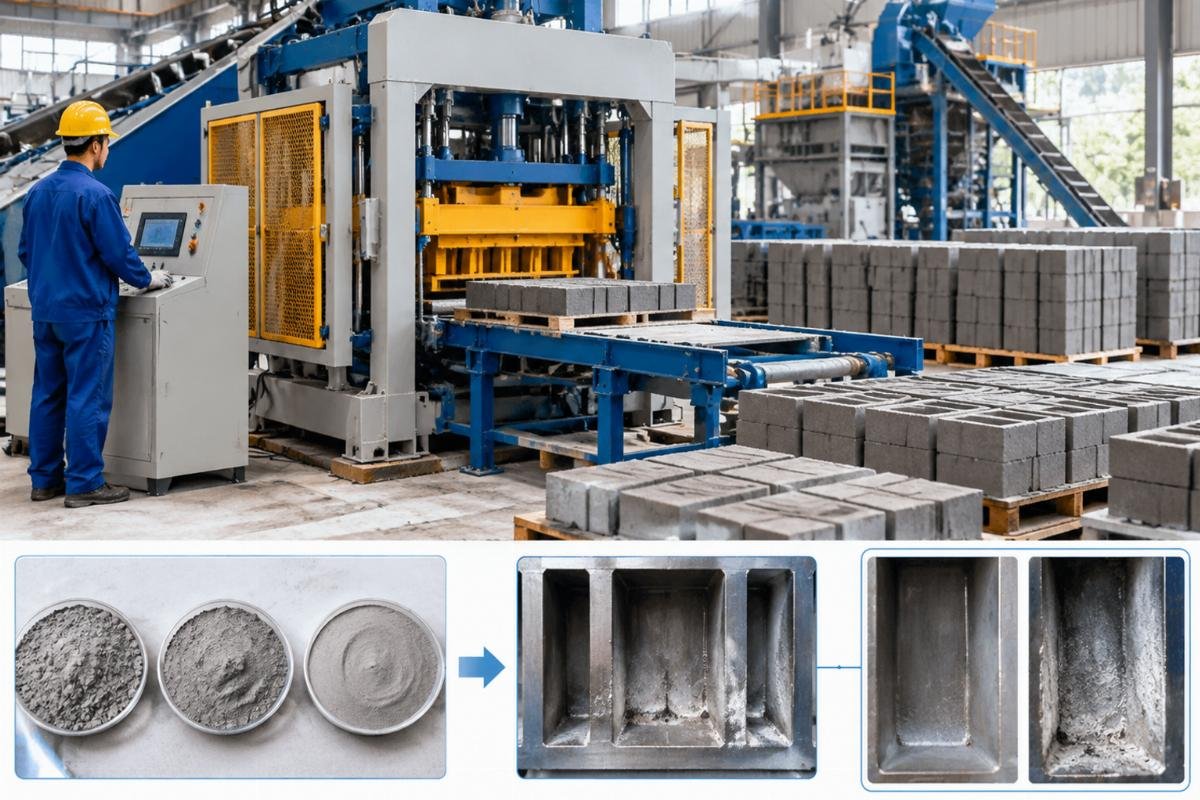
This guide breaks down why material grades matter beyond simple compression strength, how to distinguish between global standards, and the practical steps to verify your raw materials before they cause costly downtime or clearance issues.
Why Do Material Grades Matter for Your Block Machine?
Incorrect material grading leads to accelerated mold wear and inconsistent hydraulic load distribution.
Many buyers assume that "fly ash" is a generic commodity. In reality, the chemical composition and physical properties of the ash determine whether a standard QT series mixer can handle it efficiently or if a specialized pre-treatment unit is required. When the material grade does not match the machine’s design parameters, the consequences are immediate and expensive.
The primary issue is abrasion. Fly ash with high silica content and poor fineness acts like sandpaper inside the mixing chamber and mold cavities. I have seen production lines where the mold replacement cycle shortened noticeably because the operator used low-grade ash without adjusting the hydraulic pressure. The machine was designed for a smoother, finer aggregate mix, but the coarse, unclassified ash caused excessive friction. This not only wears out the steel molds but also strains the hydraulic cylinders, leading to leaks and pressure drops over time. [NEED_CITE: impact of aggregate abrasiveness on concrete machinery lifespan]
Furthermore, material standards are often the first thing checked during customs inspection for industrial equipment. If the commercial invoice and technical data sheets do not clearly specify the intended raw material grade, customs officials may suspect misdeclaration. This is especially true for regions with strict import controls on construction machinery. A vague description like "block making machine" without referencing the compatible material standards (e.g., ASTM C618 compliant feedstock) can trigger a manual inspection, delaying release by weeks.
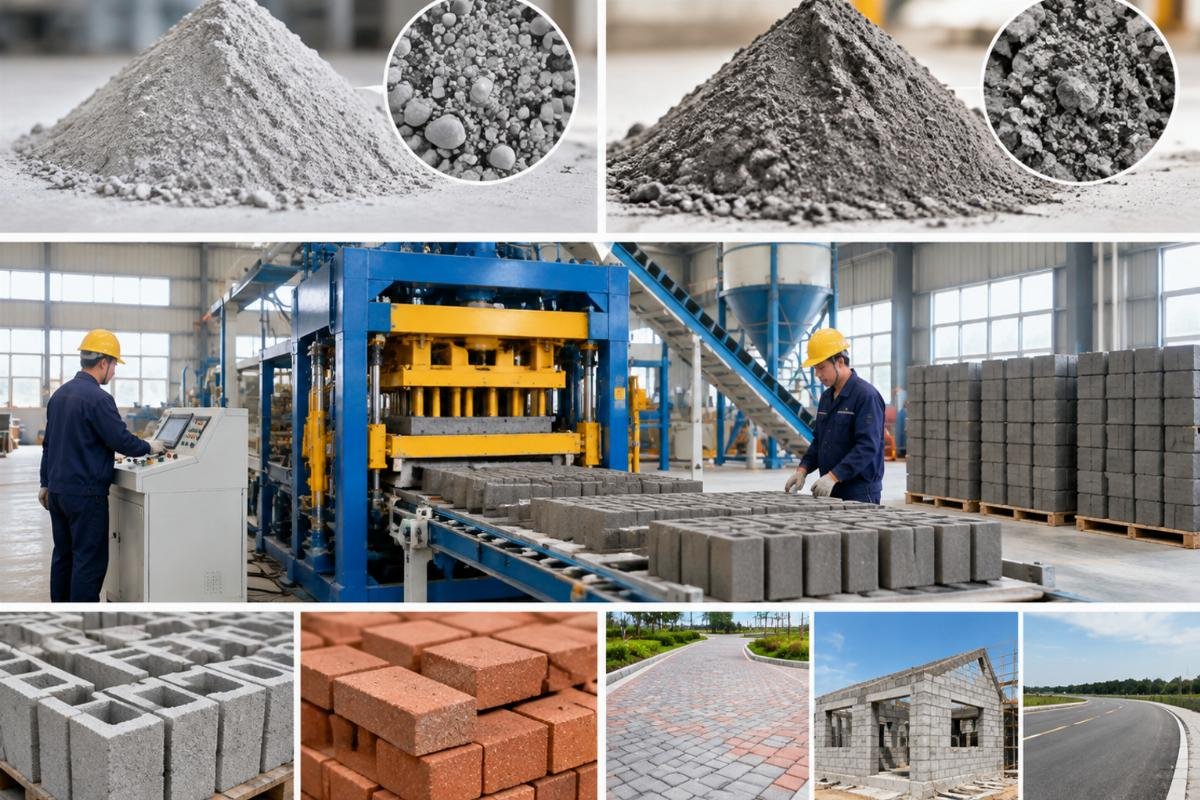
Understanding these risks helps buyers prepare better documentation and select the right machine configuration from the start. It transforms the purchase from a simple transaction into a validated production setup.
Key Global Standards: ASTM vs. EN for Fly Ash
Class F and Class C fly ash require different mixing approaches and hydration management strategies.
The two most common standards governing fly ash in concrete production are ASTM C618 (used widely in the Americas and many African countries) and EN 450-1 (common in Europe and parts of Asia). Knowing the difference is crucial for specifying the right Fly Ash Block Machine Material Standards in your procurement documents.
ASTM C618 categorizes fly ash into two classes based on the source coal and chemical composition. Class F is produced from burning anthracite or bituminous coal and has little or no lime content. It requires the presence of calcium hydroxide from cement to develop strength. Class C, produced from sub-bituminous or lignite coal, contains significant amounts of lime and is self-cementing. Most QT series machines are optimized for Class F ash mixed with cement, but some models can handle Class C with adjusted water ratios.
EN 450-1 focuses more on the physical properties like fineness and loss on ignition (LOI). It sets strict limits on LOI to ensure that unburnt carbon does not interfere with air-entraining admixtures or cause discoloration in pavers. For exporters, providing an SGS report that references EN 450-1 can be a decisive factor in winning tenders in markets that recognize European norms.
| Parameter | ASTM C618 Class F | ASTM C618 Class C | EN 450-1 General Requirement |
|---|---|---|---|
| Source Coal | Anthracite/Bituminous | Sub-bituminous/Lignite | Various (specified by producer) |
| Lime Content | Low | High | Not strictly classified by lime |
| Self-Cementing | No | Yes | Depends on chemical composition |
| Typical Use | High-strength blocks | Stabilization/Soil treatment | Concrete additives/blocks |
| Documentation | Mill Certificate | Mill Certificate | Conformity Certificate |
[NEED_CITE: detailed chemical requirements for ASTM C618 Class F and C]
A buyer in the Middle East once faced tender rejection because their bid lacked an SGS report confirming the raw material compatibility with EN standards. The project specifications explicitly required compliance with EN 450-1 for all concrete inputs. By simply adding a third-party verification of the ash quality against this standard, the bid could have been valid. This highlights that Fly Ash Block Machine Material Standards are not just technical details but contractual necessities.
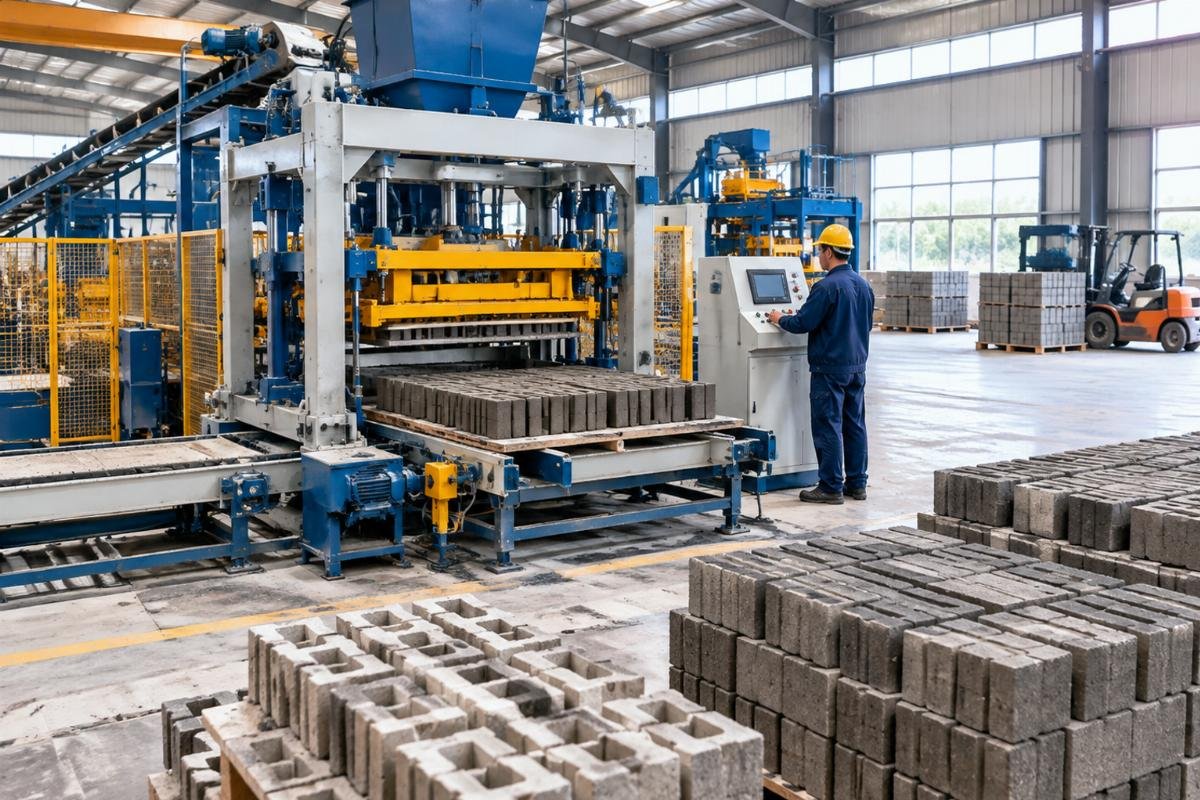
Selecting the correct standard ensures that the machine’s mixing logic and curing recommendations align with local regulatory expectations.
How Material Quality Impacts QT Series Machine Performance
Fineness modulus directly influences the required hydraulic pressure and vibration frequency settings.
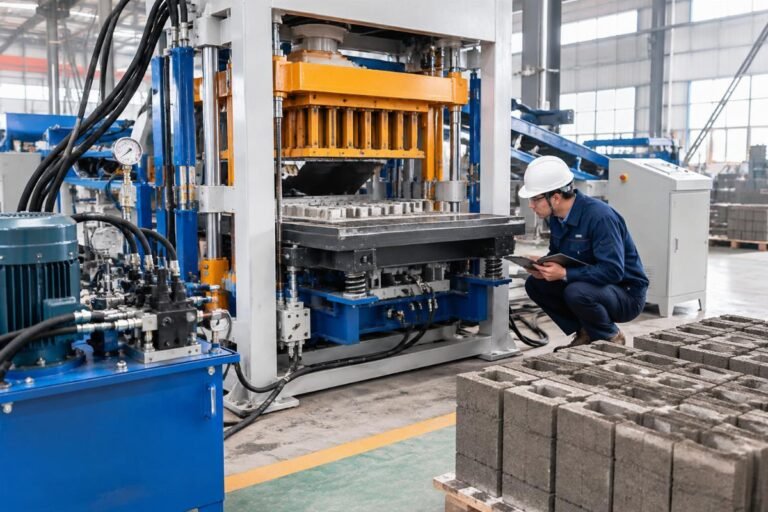
The performance of a QT series block machine is tightly coupled with the physical characteristics of the input material. When the fly ash fineness deviates from the expected range, the machine’s automated systems may struggle to achieve proper compaction.
For instance, coarser ash requires higher vibration amplitude and longer vibration times to settle properly in the mold. If the machine is set for fine ash, the resulting blocks will have weak edges and poor surface finish. Conversely, using very fine ash with high moisture content can lead to sticking in the mold boxes, requiring frequent cleaning cycles that reduce output. [NEED_CITE: relationship between aggregate gradation and concrete compaction efficiency]
I recall a case in Southeast Asia where a plant operator reported rapid wear on the side plates of the mold box. Upon investigation, we found that the local fly ash had a much higher silica content than the standard test samples provided during the initial consultation. The abrasive nature of the material was grinding down the hardened steel surfaces. We advised adjusting the mix design to include a higher proportion of smoother sand and reducing the vibration intensity slightly to minimize friction. While this didn’t eliminate the wear entirely, it extended the mold life significantly.
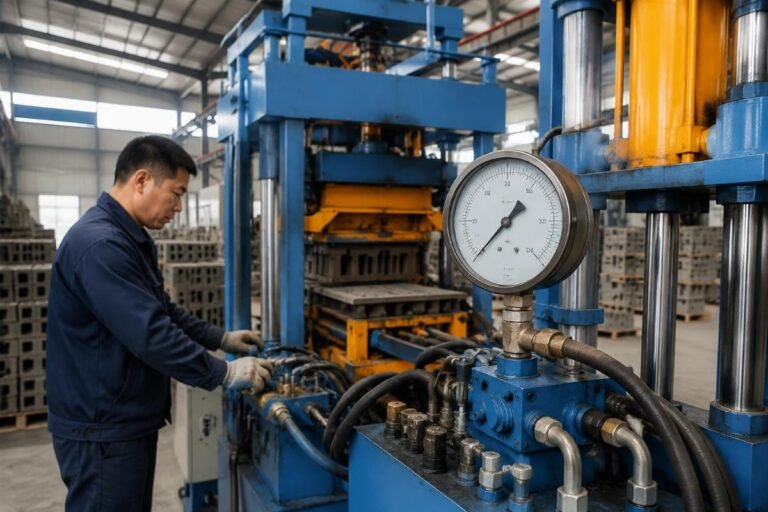
Hydraulic pressure settings also need adjustment based on ash density. Class C ash, being heavier and more reactive, may require lower initial pressing pressure to avoid cracking during the ejection phase. Modern PLC-controlled QT machines allow for these adjustments, but the operator must know what to look for. Without understanding the Fly Ash Block Machine Material Standards, operators often leave the factory defaults unchanged, leading to suboptimal performance.
Proper calibration based on material quality ensures consistent block density and reduces maintenance intervals.
Checklist: Verifying Raw Material Before Shipment
Requesting third-party lab reports prevents mismatched equipment configurations and customs disputes.
Before finalizing the order for a block making line, buyers should conduct a thorough verification of their local raw materials. This step is often skipped in the excitement of securing financing, but it is the most effective way to avoid operational headaches.
- Obtain a Representative Sample: Collect fly ash from the actual source intended for production, not just a supplier’s brochure. Ensure the sample reflects the average quality over a typical delivery cycle.
- Test for Key Parameters: Send the sample to a certified lab for testing against ASTM C618 or EN 450-1. Focus on Loss on Ignition (LOI), silica content, and fineness modulus. These values determine the mixer type and wear resistance requirements. [NEED_CITE: standard testing methods for fly ash physical properties]
- Cross-Check with Machine Specs: Compare the lab results with the technical data sheet of the proposed QT model. Verify if the machine’s motor power and hydraulic capacity are sufficient for the measured density and abrasiveness.
- Prepare Documentation for Customs: Ensure the commercial invoice and packing list explicitly mention the compatible material standards. For example, state "QT6-15 Block Machine suitable for ASTM C618 Class F Fly Ash." This clarity helps customs officers classify the goods correctly.
- Secure an SGS Report: For government tenders or strict import regimes, obtain an SGS or equivalent third-party inspection report confirming the machine’s compatibility with the tested raw materials. This document serves as proof of due diligence.

Following this checklist ensures that the Fly Ash Block Machine Material Standards are met both technically and administratively. It transforms a potential risk into a verified asset.
Case Study: Avoiding Clearance Delays with Proper Documentation
Accurate material specs streamline import processes and prevent costly port detentions.
The earlier mentioned incident in Nigeria serves as a stark reminder of the importance of documentation. The delay was not due to the machine’s quality but the ambiguity in the paperwork. The HS code used for the main unit did not clearly cover the specialized mold accessories, which were listed separately without reference to their material composition. Customs officials suspected undervaluation or misclassification.
To resolve this, we provided detailed technical drawings and a letter of explanation linking the accessories to the main machine’s function, specifically noting their role in processing ASTM-compliant fly ash. We also included the SGS certification that referenced the material standards. This additional layer of transparency satisfied the inspectors, but the delay had already incurred significant storage fees.
In contrast, a recent shipment to a client in Latin America went through customs in days. The packing list included a dedicated section for "Raw Material Compatibility," citing ASTM C618 Class F. The accompanying SGS report confirmed that the machine’s mixing system was designed for this specific grade. The clarity left no room for interpretation, allowing for swift release.
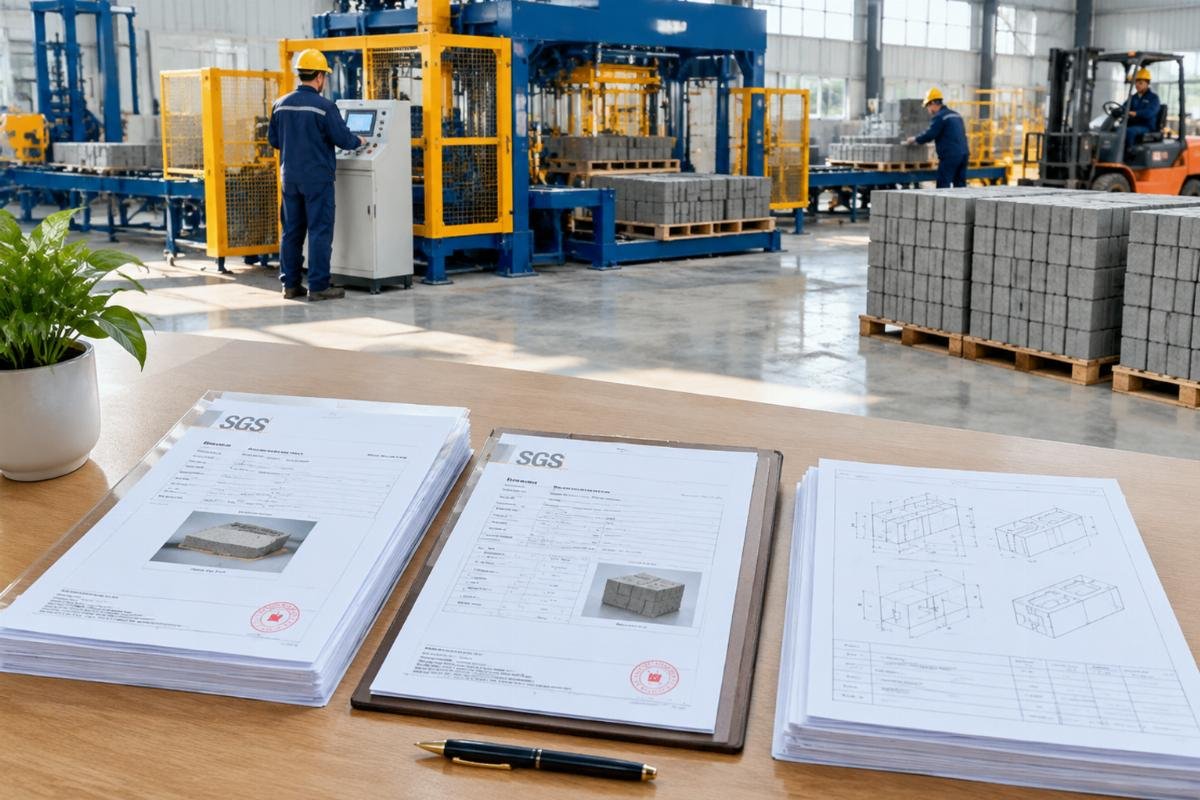
These experiences underscore that Fly Ash Block Machine Material Standards are not just engineering details but critical components of the logistics chain. Proper preparation saves time, money, and stress.
Conclusion
Aligning material standards with machine specifications ensures operational efficiency and smooth customs clearance.
Understanding the nuances of ASTM and EN standards for fly ash allows buyers to select the right QT series machine and prepare accurate documentation. By verifying raw material quality before purchase and ensuring clear references in export papers, investors can avoid common pitfalls like mold wear and port delays. Compliance with Fly Ash Block Machine Material Standards is a strategic advantage in building a sustainable concrete production business.
Leave a Reply