

AAC Block Line Component Types for Sale by Shiyue Manufacturer
CE certification does not guarantee your plant will run on day one.
Buying an AAC line is purchasing a complex, integrated system rather than a collection of individual machines. The primary risk factor for new investors is not the brand of the crusher or mixer, but the compatibility of critical components—specifically autoclaves, cutting systems, and boiler interfaces—with local infrastructure constraints such as voltage stability, fuel quality, and raw material chemistry.
I still remember the silence in the control room in Lagos. The machinery was shiny, the installation team had finished their work, and the client was ready to pour the first batch. But when we tried to pressurize the autoclave, the sealing rings failed. They were standard specifications, perfectly compliant with international safety norms, yet incompatible with the specific high-pressure steam fluctuations common in that local utility grid. We waited over a month for custom-fabricated replacements. That delay cost more than the seals themselves. It taught me that an AAC block line component list is not just a shopping list; it is a compatibility map. If one coordinate is off, the entire system stalls.
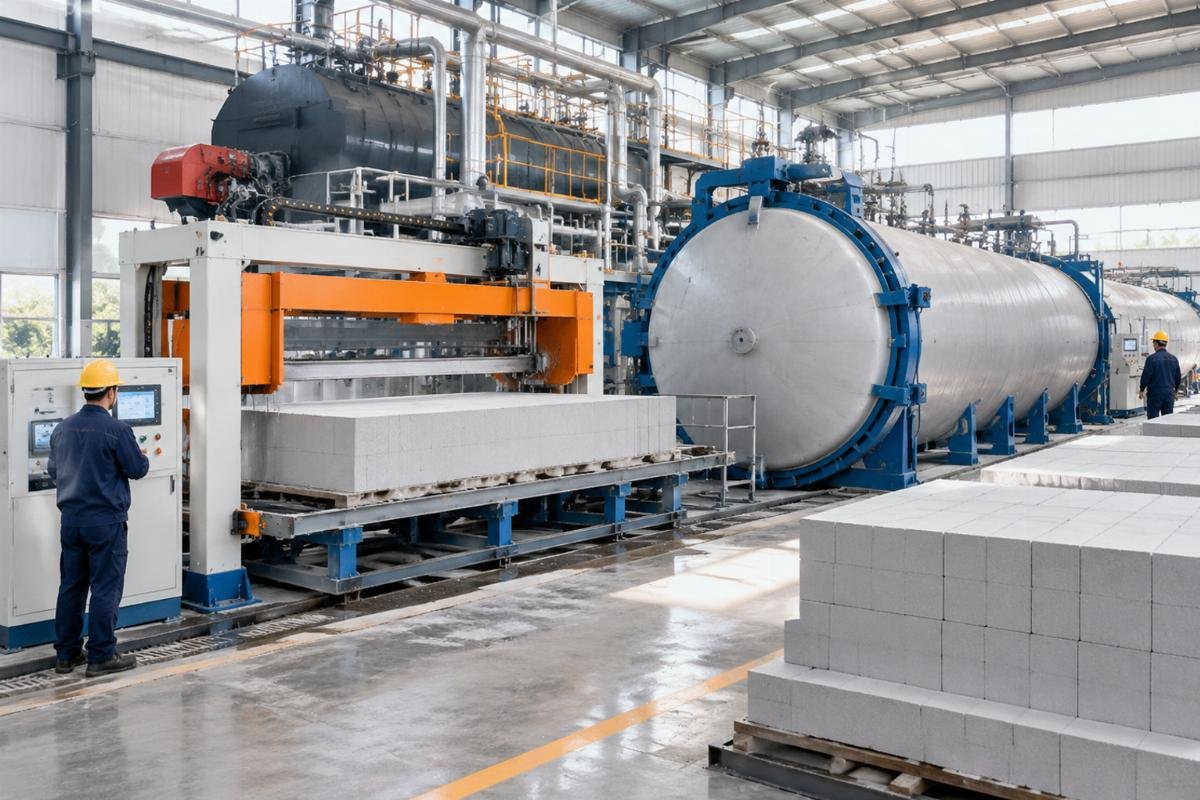
Most buyers focus on the output speed of the main cutter or the capacity of the ball mill. These are visible metrics. However, the bottleneck risks usually lie in auxiliary components like steam supply consistency and mold turnover rates. When you request an AAC block line component list, you must look beyond the nameplate ratings. You need to verify how these components interact with your site’s reality.
Why Component Compatibility Matters More Than Machine Brand
System integration failures are responsible for the majority of startup delays in new AAC plants. [NEED_CITE: industry data on commissioning delays]. A high-quality cutter from a reputable manufacturer will still produce defective blocks if the steam curing cycle is inconsistent due to a mismatched boiler interface. The brand name on the motor provides comfort, but it does not ensure that the PLC (Programmable Logic Controller) can handle the voltage dips common in emerging markets.
In my experience, the most critical aspect of reviewing an AAC block line component list is checking the electrical and thermal alignment. For instance, many European-standard components assume a stable 50Hz frequency with minimal fluctuation. In regions where grid stability is variable, motors and drives require specific tolerance buffers. If the AAC block line component list specifies standard industrial drives without variable frequency drive (VFD) protections suited for unstable grids, the risk of premature failure increases significantly.
Furthermore, the chemical composition of local raw materials dictates the curing time. Sand with high silica content behaves differently than fly ash with high carbon residue. If the autoclave’s pressure rating and heating elements are sized for a different material profile, the curing cycle will be inefficient. This leads to higher energy consumption and lower throughput, regardless of how fast the cutting wire moves. Therefore, the AAC block line component list must reflect adjustments based on local raw material analysis, not just generic factory defaults.
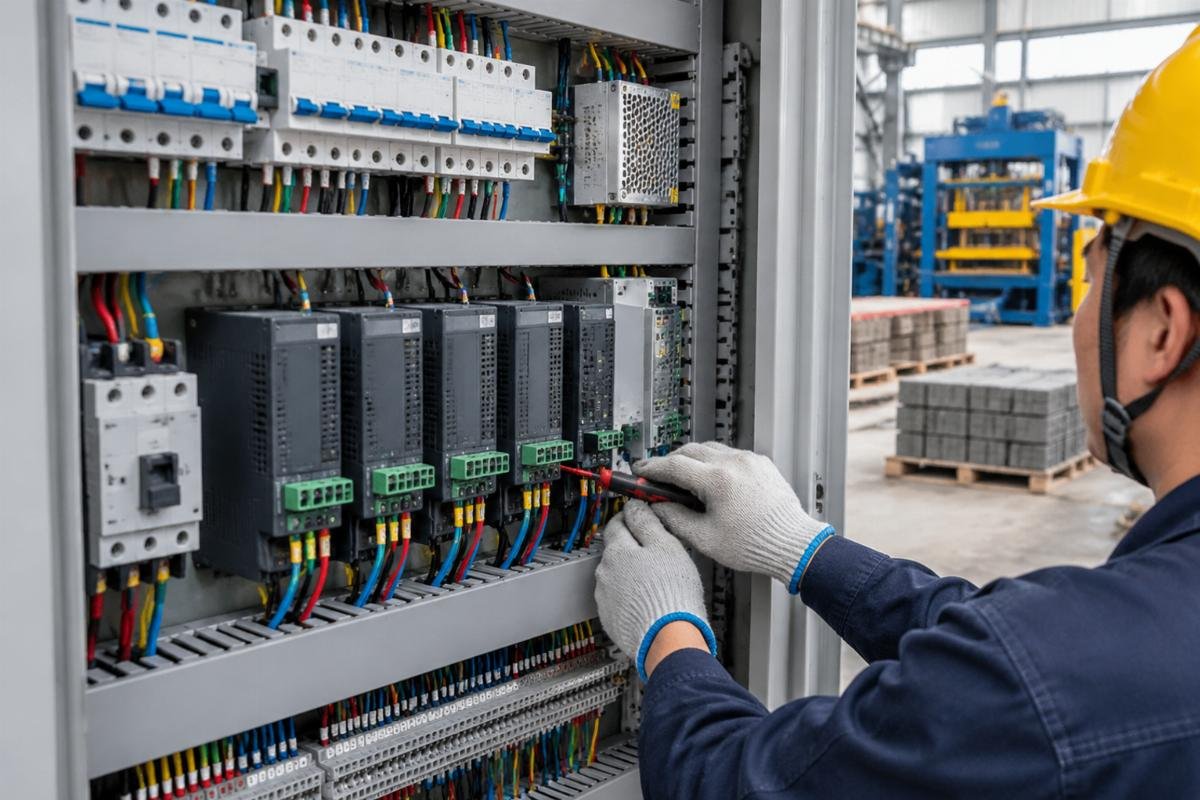
Critical Components: Autoclaves and Steam Systems
The autoclave is the heart of the AAC production process, where the green cake transforms into a solid block through high-pressure steam curing. However, it is also the most vulnerable point regarding local utility compatibility. When evaluating the AAC block line component list, pay close attention to the sealing mechanisms and pressure vessel certifications.
A common error is assuming that all autoclave seals are universal. In reality, the material composition of the sealing ring must match the specific temperature and pressure cycles of your local boiler output. I once encountered a case where a buyer in a tropical region used a boiler sized for domestic standards. The ambient heat reduced the efficiency of the condensation recovery system, leading to a noticeable increase in fuel costs until the system was retrofitted. The AAC block line component list had specified a standard seal material that degraded faster under the continuous high-humidity conditions of that specific climate.
To avoid this, the AAC block line component list should include details on:
- Seal Material Compatibility: Ensure the rubber or composite material is rated for the specific steam quality and pressure fluctuations of your local boiler.
- Pressure Rating vs. Fuel Type: The autoclave’s design pressure must align with the maximum output of your available fuel source (gas, oil, or coal). Mismatches here lead to incomplete curing or excessive energy waste.
- Safety Valve Standards: Verify that the safety valves meet local regulatory requirements, which may differ from the manufacturing country’s standards. [NEED_CITE: ISO pressure vessel standards].
| Component | Standard Specification | Site-Adjusted Specification | Risk of Mismatch |
|---|---|---|---|
| Autoclave Seal | Standard NBR Rubber | High-Temp EPDM or Fluoroelastomer | Premature leakage, downtime |
| Pressure Gauge | Local Bar Scale | Dual Scale (Bar/Psi) | Operator error, safety risk |
| Steam Trap | Mechanical Float | Thermodynamic (for wet steam) | Water hammer, pipe damage |
When Shiyue designs a turnkey solution, we pre-validate these local utility specs during the design phase. This ensures that the AAC block line component list reflects not just what is available in the warehouse, but what will work on your site.
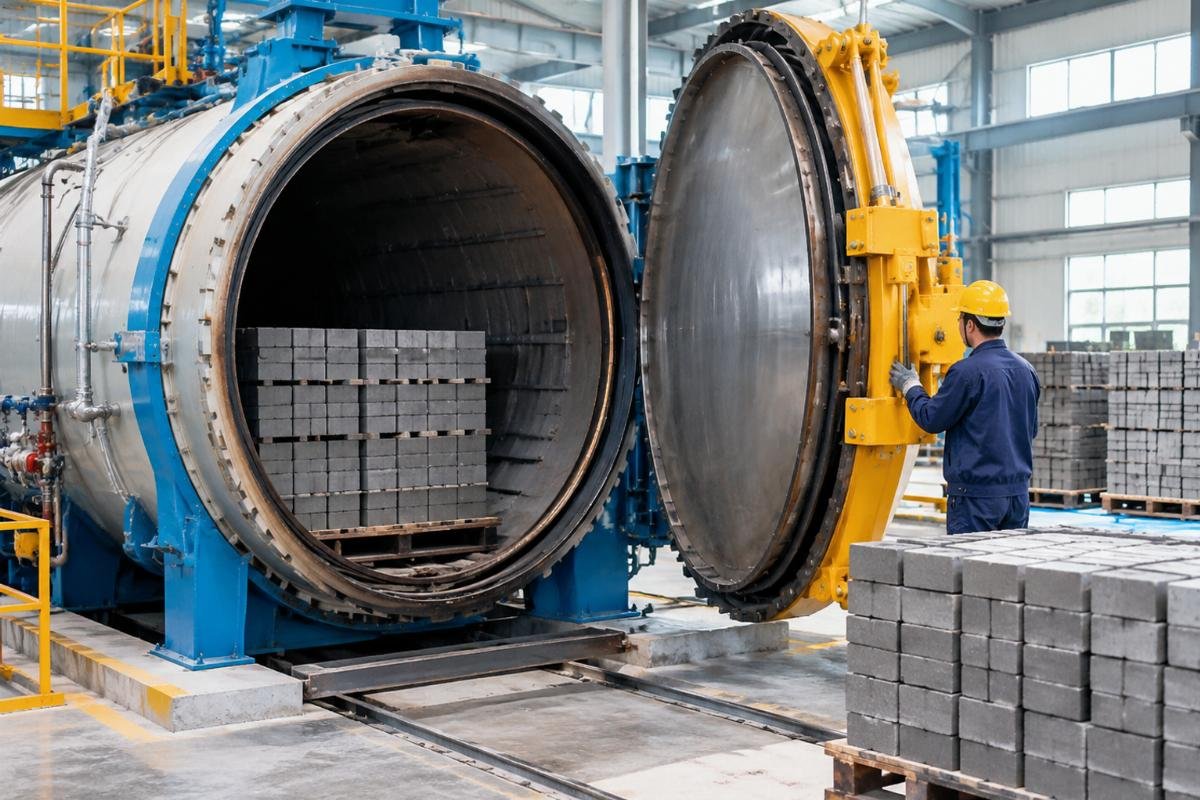
Precision Units: Cutting and Mold Systems
The cutting system determines the dimensional accuracy of the final product. While the main frame may be robust, the precision lies in the wire tensioning mechanism and the mold alignment. A frequent oversight in the AAC block line component list is ignoring the hardness and granularity of the local sand or fly ash.
In one project, the wire tension settings were calibrated for soft, fine sand. However, the local raw material contained harder, coarser particles. This mismatch caused excessive wire breakage and a noticeable increase in material waste during the first month of operation. The issue was not the quality of the wire, but the lack of adjustment in the tensioning system to accommodate the abrasive nature of the local mix. The AAC block line component list must specify adjustable tension controls and wear-resistant guides suitable for the specific raw material profile.
Mold systems also require careful scrutiny. The stiffness of the mold walls affects the expansion of the green cake. If the mold design does not account for the local ambient temperature’s effect on the slurry’s rising rate, the blocks may crack or deform before cutting. Therefore, the AAC block line component list should include mold specifications that allow for thermal expansion adjustments.
Key considerations for the cutting and mold section of the AAC block line component list:
- Wire Tension Range: Must be adjustable to handle varying material abrasiveness.
- Guide Rail Material: Hardened steel or ceramic-coated options for high-wear environments.
- Mold Wall Thickness: Sufficient to resist deformation during the exothermic reaction of the slurry.
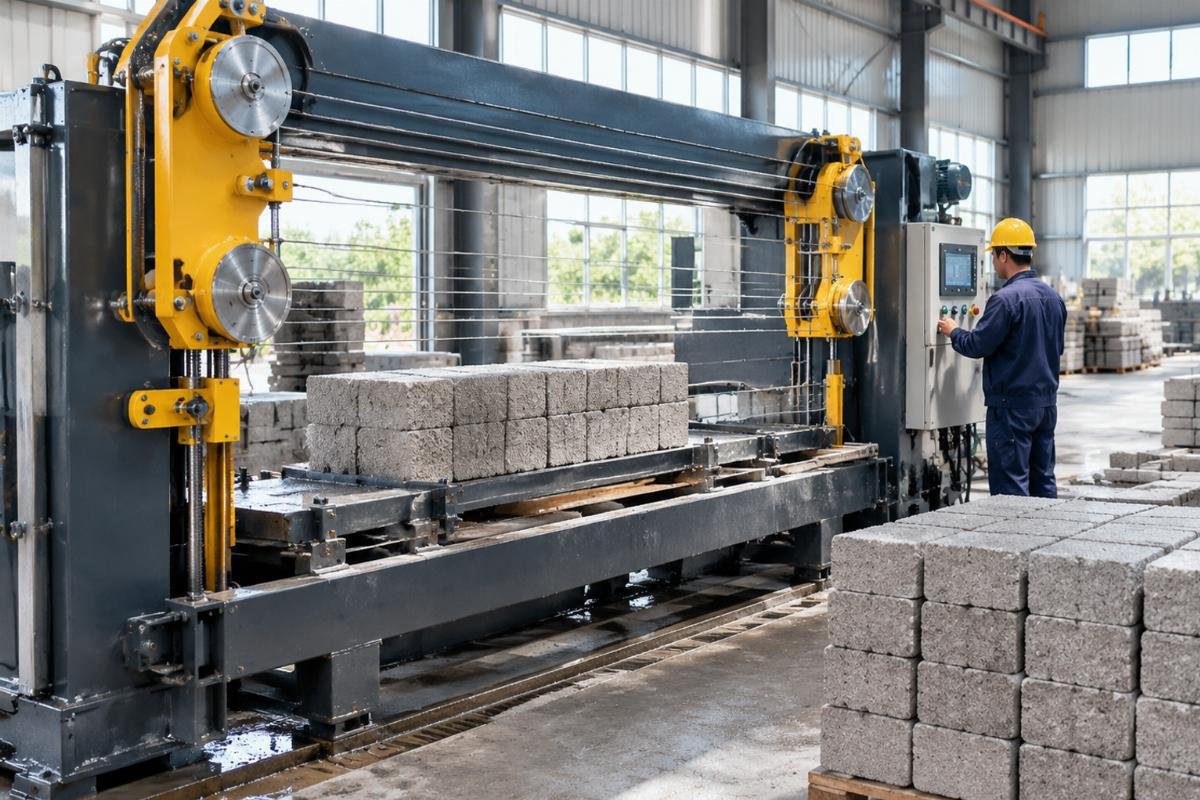
Control Systems: PLC and Electrical Adaptation
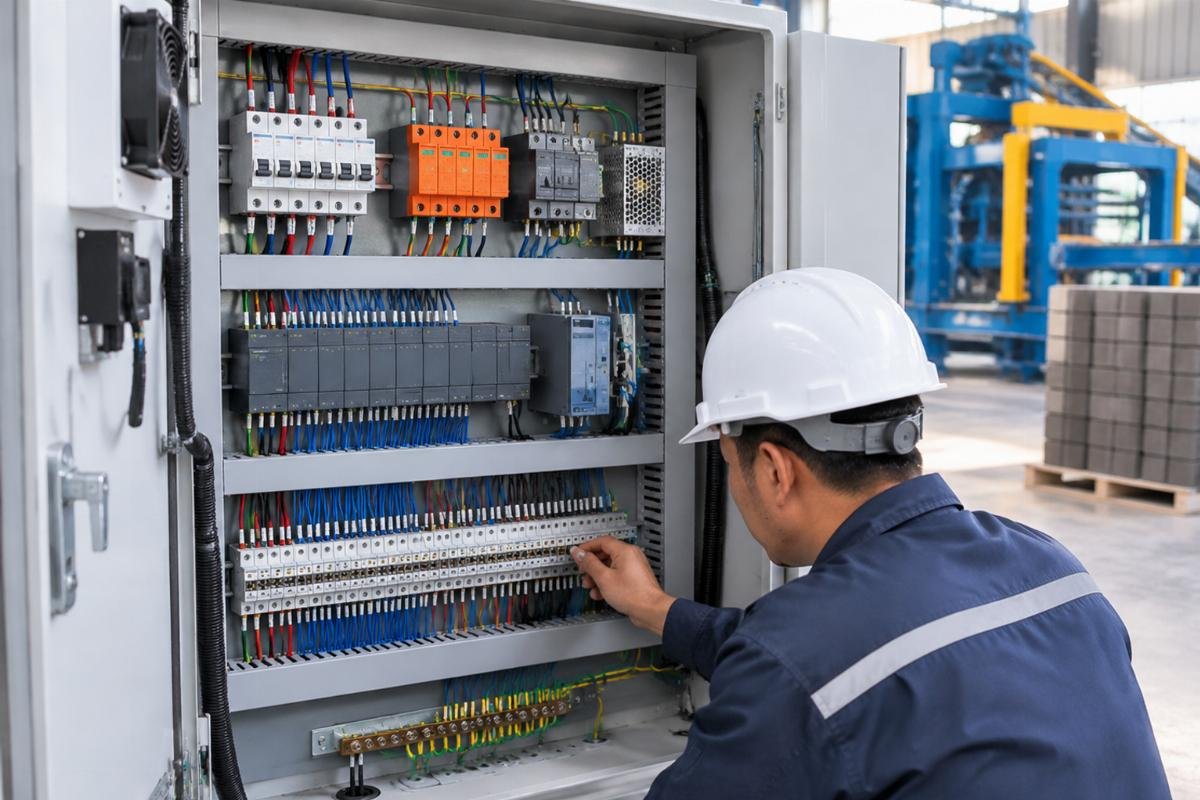
The brain of the AAC line is its control system. A sophisticated PLC can optimize production, but only if it is compatible with the local electrical environment and operator skill level. Many buyers assume that CE certification ensures operational readiness. In truth, CE ensures safety standards, not compatibility with local grid conditions or user interface preferences.
Voltage stability is a major concern. In many emerging markets, voltage spikes and drops are common. If the AAC block line component list specifies standard power supplies without adequate surge protection or voltage stabilization, the PLC and sensitive sensors are at risk. I have seen cases where a minor voltage fluctuation corrupted the PLC memory, requiring a full system reset and reprogramming. This is a costly delay that could have been prevented with proper electrical adaptation.
Language support is another critical factor. If the HMI (Human-Machine Interface) is only in English or Chinese, but the local operators speak French, Spanish, or Arabic, the risk of operational errors increases. The AAC block line component list should confirm that the software supports multi-language interfaces. This ensures that operators can understand alarms and maintenance prompts clearly, reducing the likelihood of misuse.
Essential electrical and control specs for the AAC block line component list:
- Voltage/Frequency Alignment: Confirm motors and drives match local grid (e.g., 380V/50Hz or 440V/60Hz).
- Surge Protection: Include industrial-grade stabilizers for PLC and sensor circuits.
- HMI Language: Ensure the interface supports the local operator’s language.
Conclusion
An AAC plant is a system, not a sum of parts.
Success depends on the seamless integration of every component with your local infrastructure. By carefully reviewing the AAC block line component list for compatibility in sealing, cutting precision, and electrical stability, you mitigate the risks of costly delays and inefficiencies. Focus on the fit, not just the brand.

Leave a Reply