

Shiyue Block Palletizer for Fly Ash Plants: Factory Direct Sale
High-pressure water washes are the fastest way to destroy your palletizer’s electrical integrity.
To maintain a block palletizer in fly ash environments, operators must replace wet cleaning with dry vacuuming and damp wiping protocols, perform daily sensor lens inspections, and apply high-viscosity, dust-resistant grease to chains weekly. This routine prevents the fine particulate infiltration that causes sensor blindness and chain corrosion, ensuring consistent stacking precision and preventing unplanned shutdowns. [NEED_CITE: impact of particulate matter on photoelectric sensor reliability]
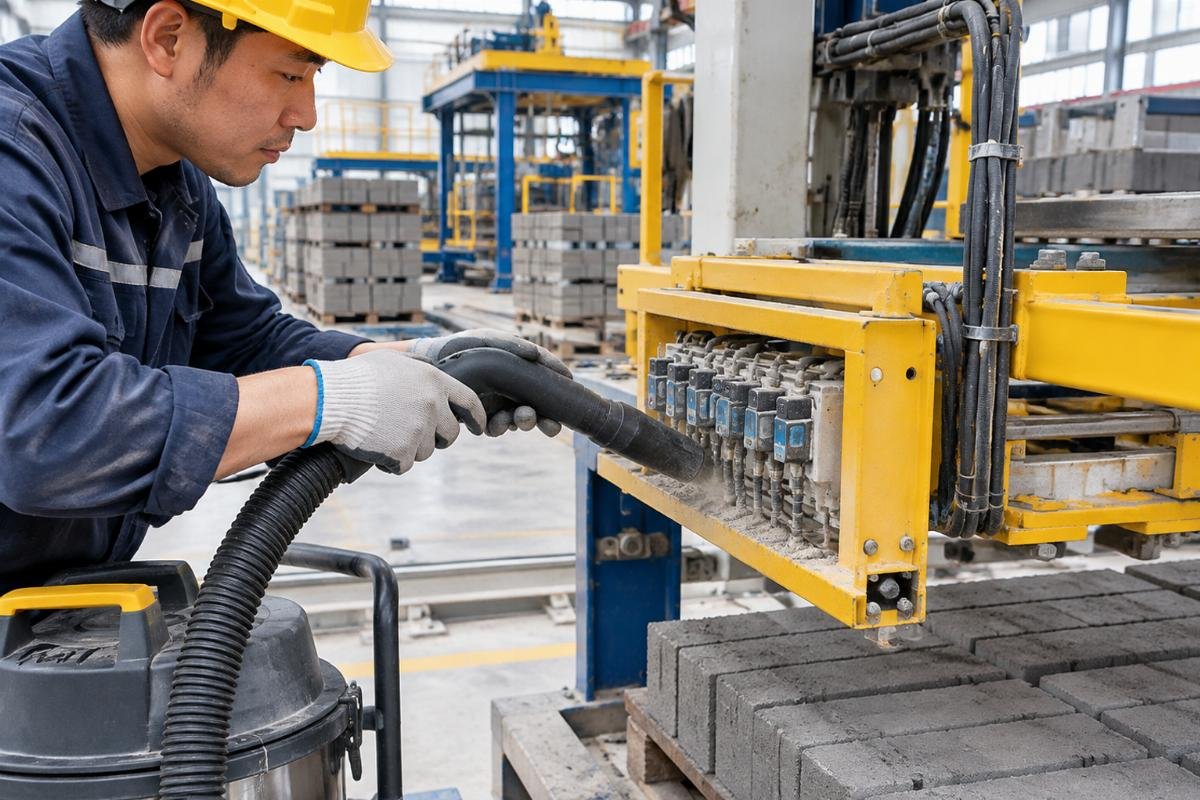
Fly ash is not standard concrete dust. It is a fine, powdery byproduct of coal combustion that behaves more like talc than sand. When this material settles on a cleaning block palletizer fly ash system, it does not just sit on the surface; it infiltrates. I have seen plants where the difference between a profitable month and a logistical nightmare was not the volume of blocks produced, but the cleanliness of the palletizing zone. The following protocols are derived from field adjustments made in high-dust facilities across Africa and Latin America, where humidity and ash combine to create abrasive slurries that accelerate wear.
Why Does Fly Ash Damage Palletizers Faster Than Standard Concrete?
The particle size of fly ash allows it to bypass standard protective seals.
Standard concrete dust consists of larger aggregates that tend to fall away or can be blown off with air. Fly ash, however, contains microscopic particles that remain suspended in the air and settle into the smallest crevices of machinery. This creates two primary failure modes: sensor obstruction and abrasive wear. [NEED_CITE: physical properties of fly ash particulates vs standard cement dust]
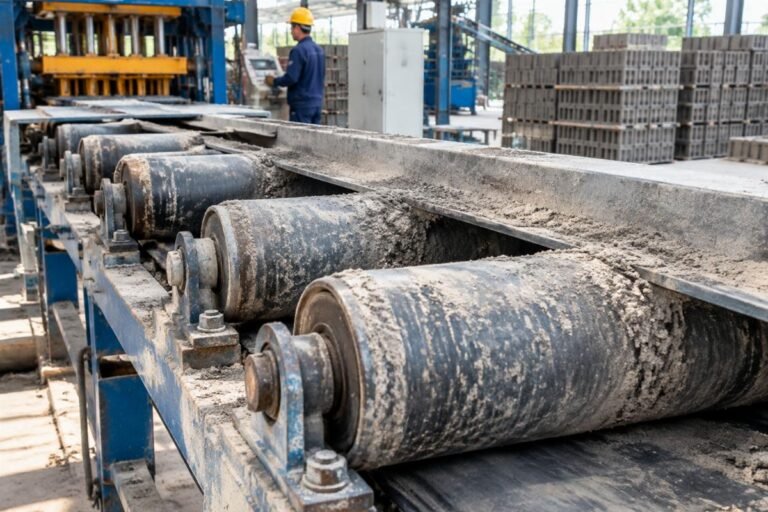
When fly ash accumulates on photoelectric sensors, it scatters the light beam, causing false readings. The machine may think a block is present when it is not, or vice versa, leading to misaligned stacks or collision errors. Furthermore, when moisture is present—common in tropical climates or during curing processes—the ash turns into a mildly acidic slurry. This slurry accelerates the corrosion of metal components, particularly chains and guide rails.
In a facility I visited in Ethiopia, the ambient humidity combined with fly ash residue caused rapid oxidation on the palletizer’s transfer chains. The rust increased friction, requiring the motors to work harder and eventually leading to chain elongation and skipping. This was not a manufacturing defect; it was a maintenance gap. Understanding this chemical interaction is critical for anyone responsible for the maintenance of brick palletizing machine systems in similar environments.
What Are the Critical Daily Cleaning Steps for Operators?
Daily maintenance focuses on prevention, not deep restoration.
The goal of daily cleaning is to remove loose particulate matter before it has time to compact or absorb moisture. This process should take less than fifteen minutes and requires no disassembly. The key is consistency. A Nigerian plant I worked with reduced sensor-related faults by shifting from monthly deep cleans to daily quick wipes. [NEED_CITE: case study on preventive maintenance frequency in industrial automation]
- Lockout/Tagout: Always isolate the power source before approaching the machine. Even during cleaning, accidental activation can cause severe injury.
- Dry Vacuuming: Use an industrial vacuum with a HEPA filter to remove loose ash from the frame, gripper pads, and sensor mounts. Avoid compressed air, which simply redistributes the dust into the air and deeper into bearings.
- Sensor Wiping: Gently clean photoelectric sensor lenses with a soft, lint-free cloth. If residue is stubborn, use a small amount of isopropyl alcohol. Never use abrasive pads.
- Gripper Inspection: Check the rubber or polyurethane gripper pads for ash buildup. Clean them with a damp cloth to ensure proper friction during block handling. This step is essential for effective sanitizing concrete block handler operations.
- Visual Check: Look for any signs of ash accumulation in the chain guides or hydraulic cylinder rods.
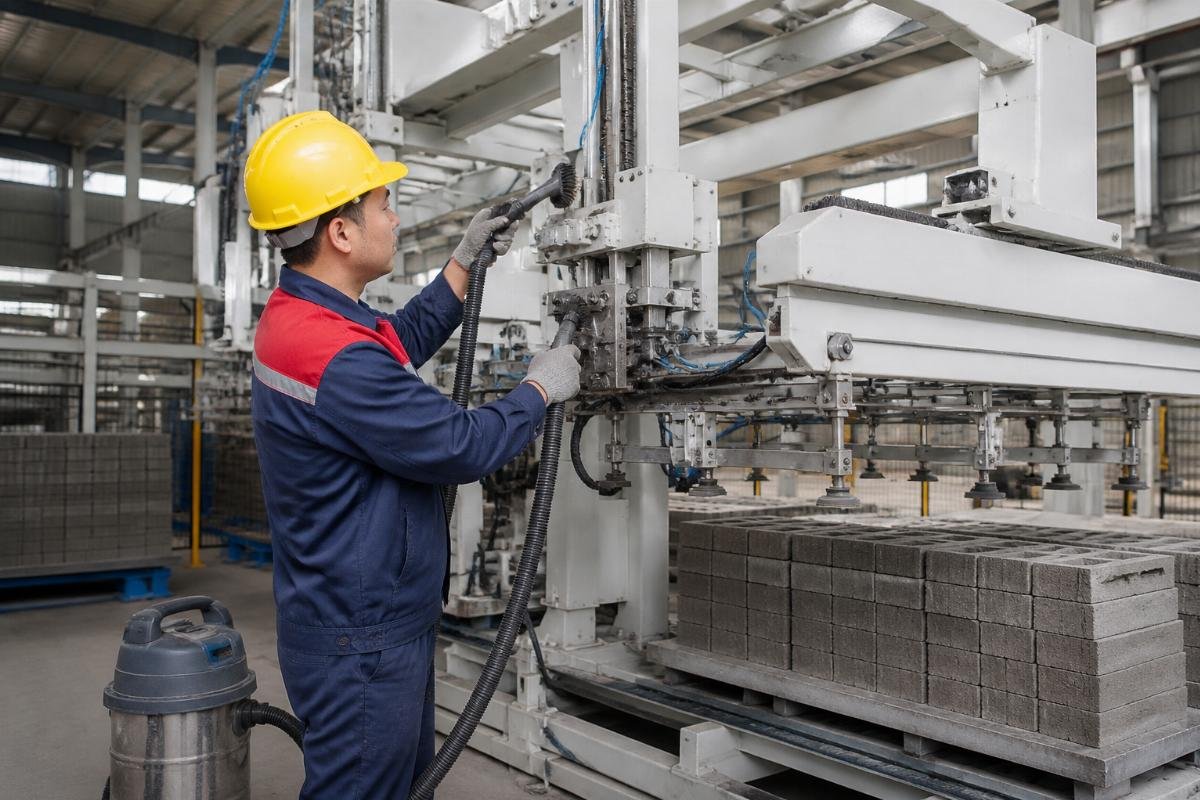
This routine keeps the cleaning block palletizer fly ash process manageable. If operators skip these steps, the weekly deep clean becomes a multi-hour ordeal involving disassembly and extensive scrubbing.
How to Perform Weekly Deep Sanitization Without Downtime?
Schedule deep cleaning during shift changes to minimize production loss.
Weekly sanitization addresses the compacted ash and minor corrosion that daily cleaning misses. This procedure requires more time and specific tools but is vital for long-term equipment health. The key is to integrate this into the natural break in production, such as between shifts or during scheduled maintenance windows.
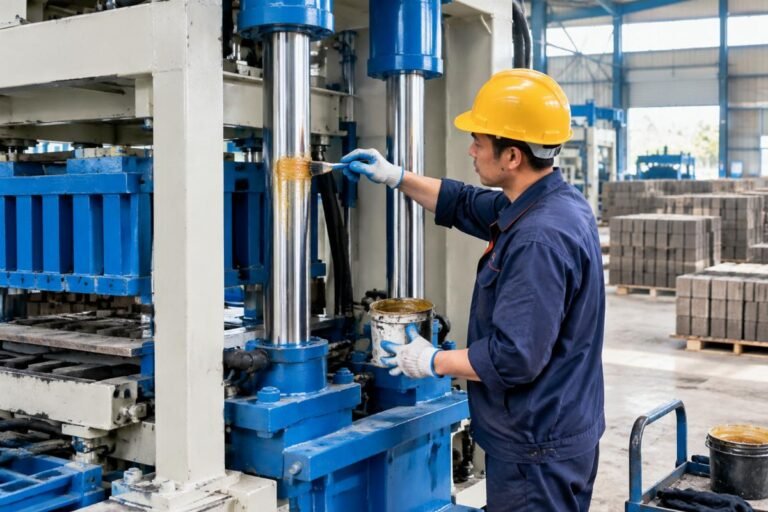
Start by inspecting the hydraulic system. Fly ash can contaminate hydraulic lines if seals are compromised. Check for leaks around cylinder rods and valve blocks. If ash is present on these components, it indicates a seal failure that needs immediate attention. Implementing sealed hydraulic checks during cleaning prevented the majority of fluid-related errors in a Latin American client’s facility. [NEED_CITE: best practices for hydraulic system protection in dusty environments]
Next, focus on the chain drive system. Remove any hardened ash deposits from the chain links and sprockets using a stiff brush. Do not use metal scrapers, which can damage the protective coating of the chains. After brushing, wipe the area with a degreaser compatible with the machine’s materials.
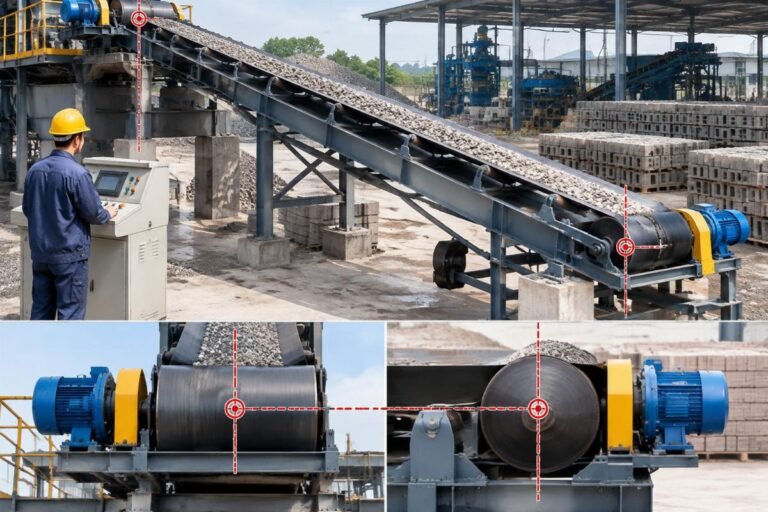
Finally, inspect the alignment of the palletizing head. Ash buildup can sometimes cause slight shifts in the guide rails. Use a level to ensure the head is parallel to the conveyor. Misalignment leads to uneven stacking and increased wear on the grippers. This step is crucial for palletizer downtime reduction, as catching alignment issues early prevents catastrophic jams.
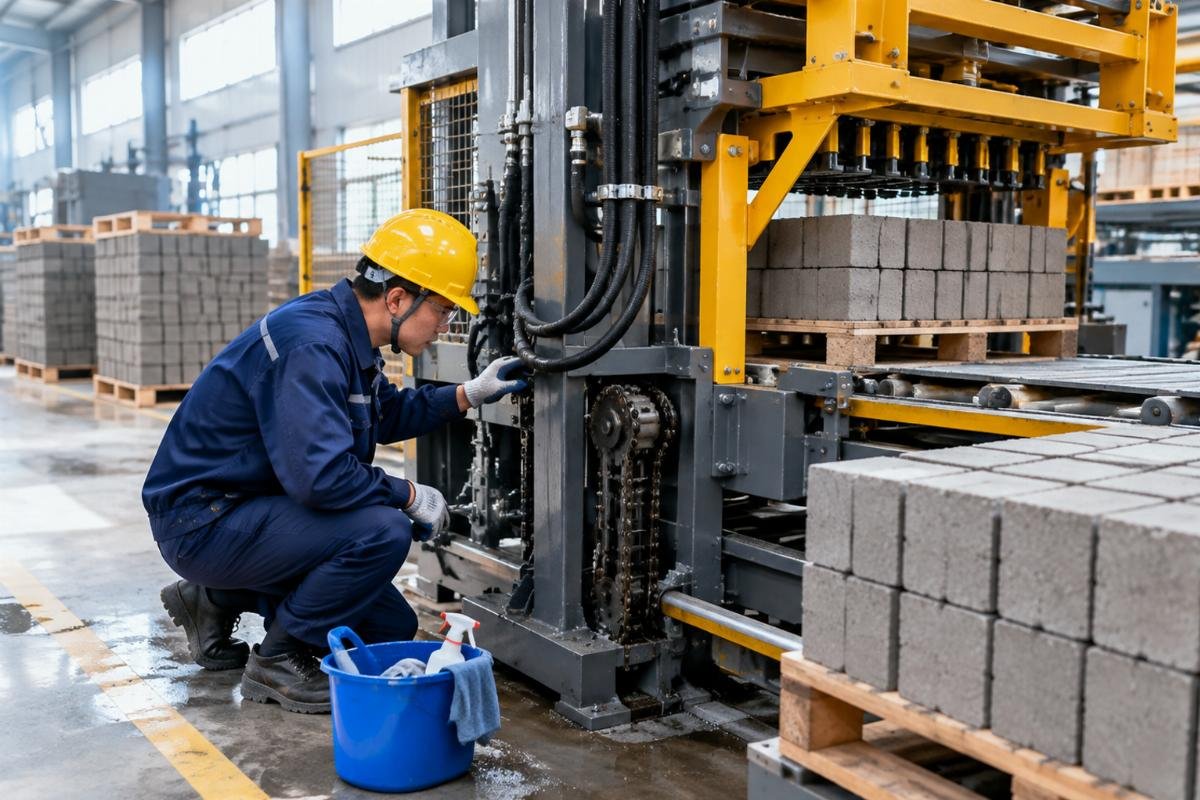
For plants using Shiyue equipment, the design includes accessible service panels that simplify this process. The sealed sensor housings reduce the frequency of internal cleaning, allowing technicians to focus on external surfaces and moving parts. This design consideration directly supports efficient cleaning block palletizer fly ash routines.
Which Lubricants Protect Against Ash-Induced Corrosion?
Standard oil attracts dust; specialized grease repels it.
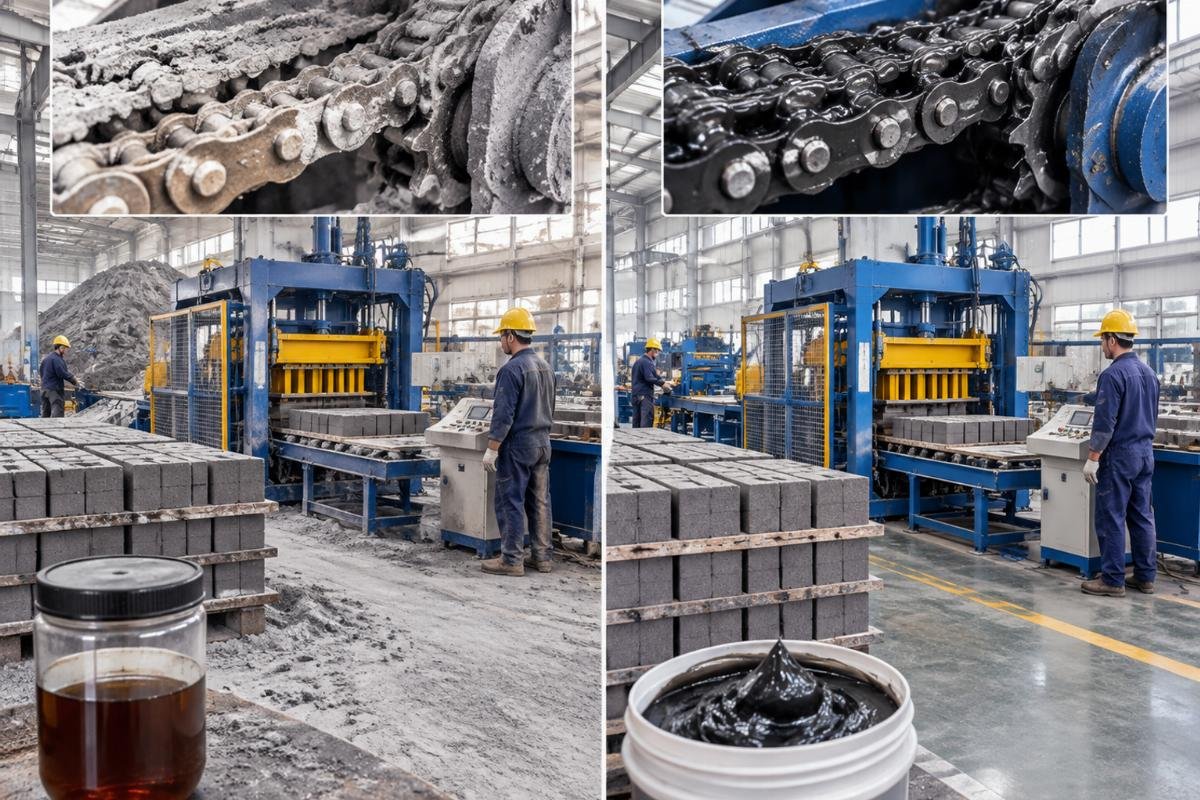
A common mistake in fly ash plants is using standard lightweight oil for chain lubrication. While this reduces friction initially, it acts as a magnet for fly ash particles. The resulting mixture forms an abrasive paste that grinds down the chain pins and bushings. Instead, use high-viscosity, dust-resistant greases.
These greases are formulated to adhere to metal surfaces without dripping or attracting particulate matter. They create a protective barrier that prevents ash from coming into direct contact with the metal, thereby reducing corrosion. In the Ethiopian case mentioned earlier, switching to a specific anti-corrosion lubricant extended chain life significantly compared to the previous standard oil regimen. [NEED_CITE: comparative performance of lubricants in high-particulate environments]
Apply the grease sparingly to the chain pins and pivot points. Excess grease can also attract dust, so wipe away any overflow. Additionally, consider applying a protective coating to static frames. While many believe lubrication is only for moving parts, coating static surfaces prevents ash adhesion that leads to structural corrosion over time.
| Component | Recommended Maintenance Action | Lubricant/Cleaner Type |
|---|---|---|
| Photoelectric Sensors | Daily dry wipe | Lint-free cloth, Isopropyl alcohol |
| Transfer Chains | Weekly brushing and lubrication | High-viscosity, dust-resistant grease |
| Gripper Pads | Daily damp wipe | Mild detergent solution |
| Hydraulic Rods | Weekly inspection for leaks | Silicone-based protective spray |
| Static Frame | Monthly coating check | Anti-corrosion industrial paint |
This table outlines the basic requirements for maintaining a cleaning block palletizer fly ash system. Adhering to these specifications ensures that the equipment operates within its designed parameters.
Conclusion
Consistency in cleaning beats intensity in repair.
Maintaining a palletizer in a fly ash plant requires a shift in mindset from reactive repair to proactive prevention. By understanding the unique properties of fly ash and implementing rigorous daily and weekly cleaning protocols, plant managers can protect their investment. Focus on sensor protection, chain lubrication with appropriate greases, and hydraulic integrity. These steps, when executed consistently, ensure that the cleaning block palletizer fly ash process becomes a routine part of operations rather than a source of constant disruption.
Leave a Reply