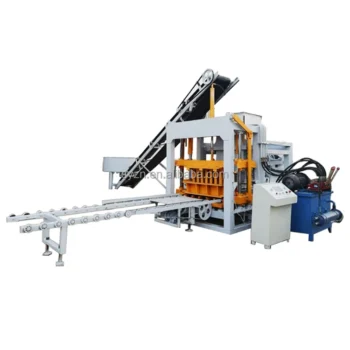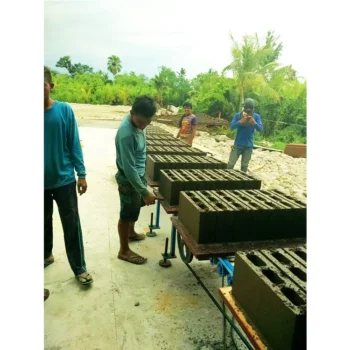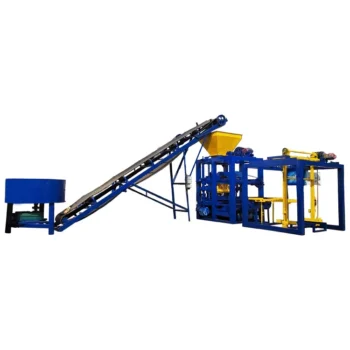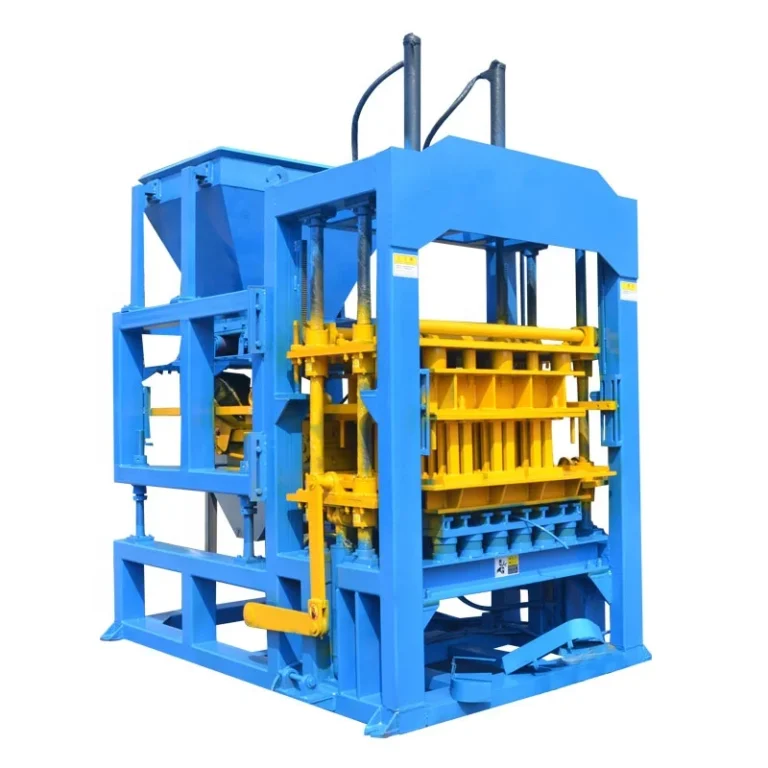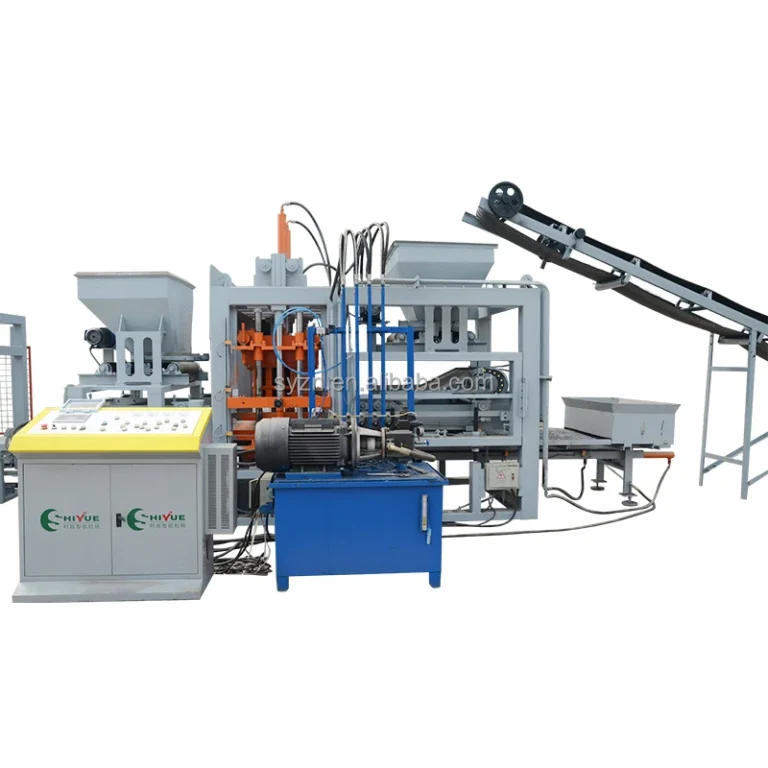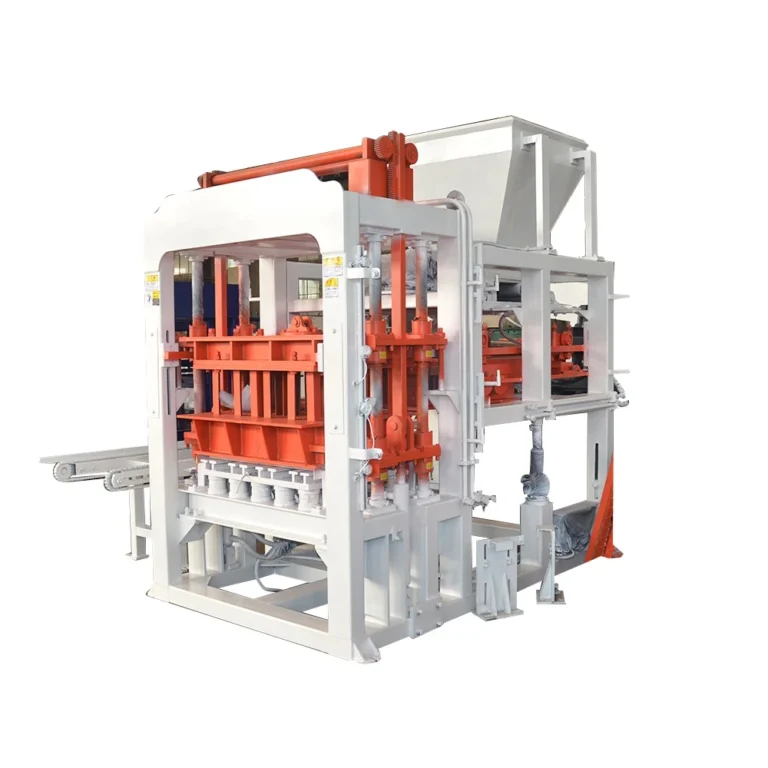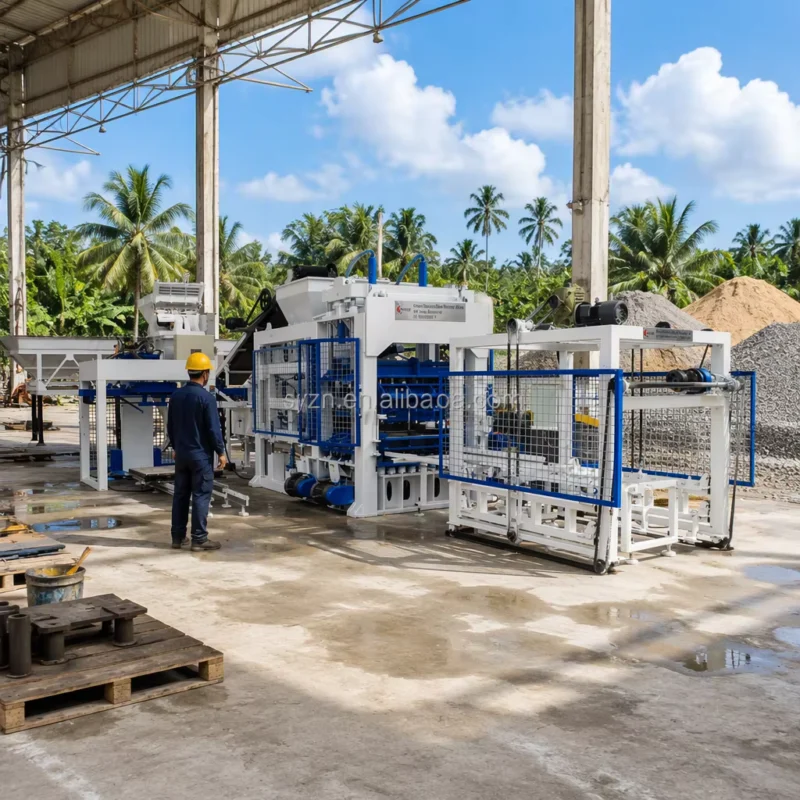
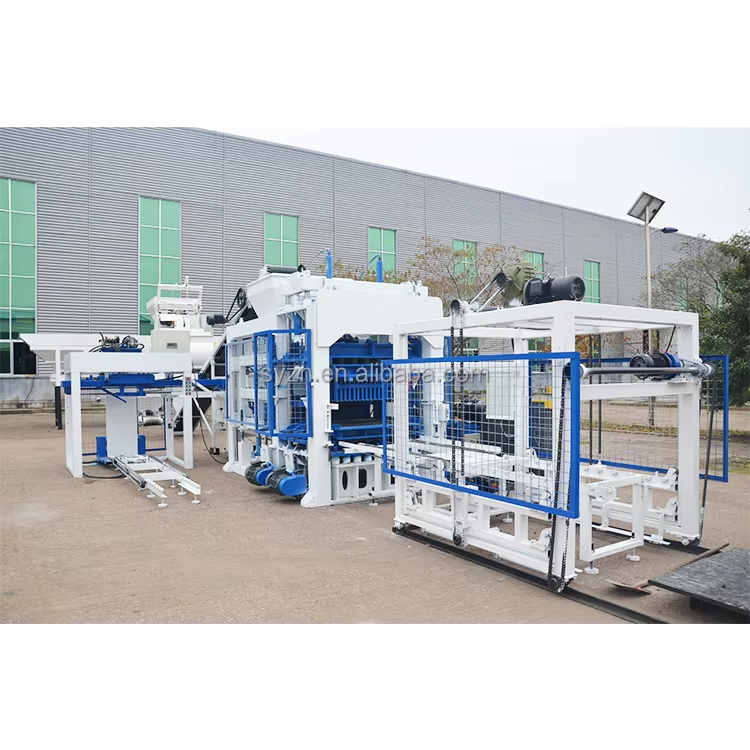
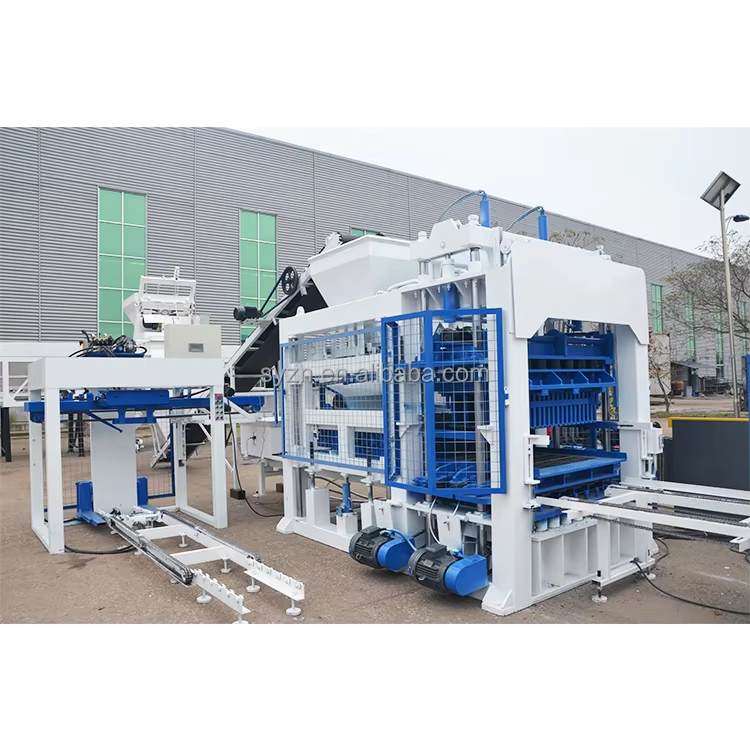
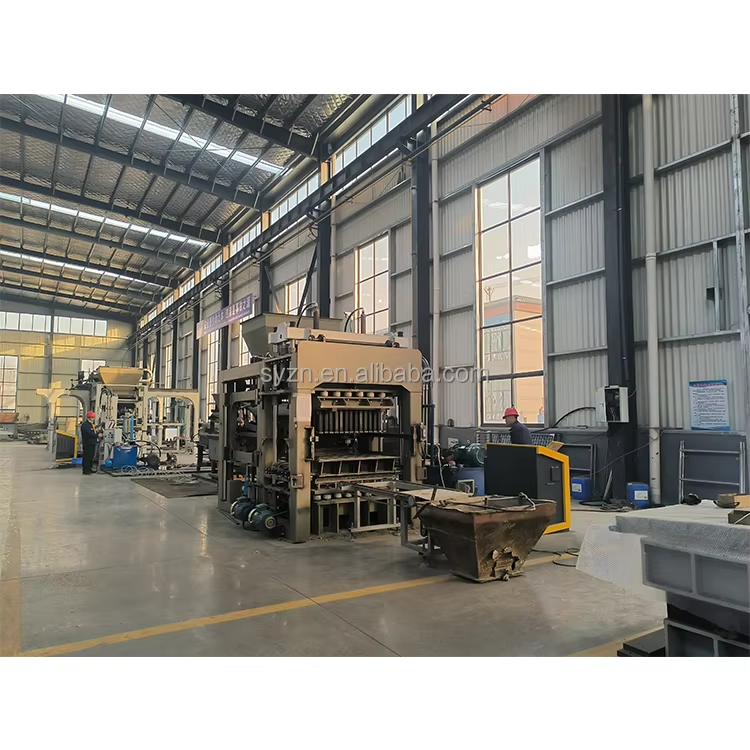
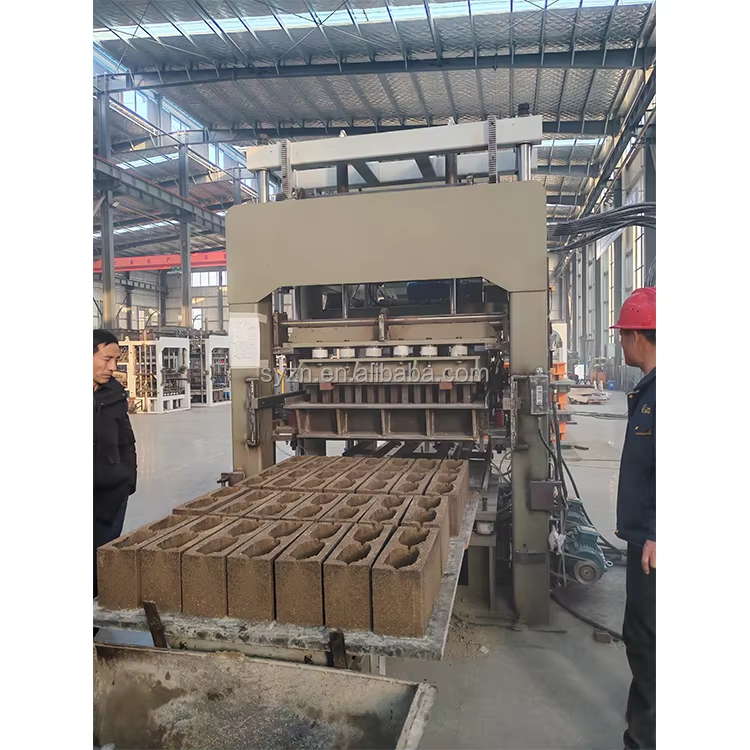
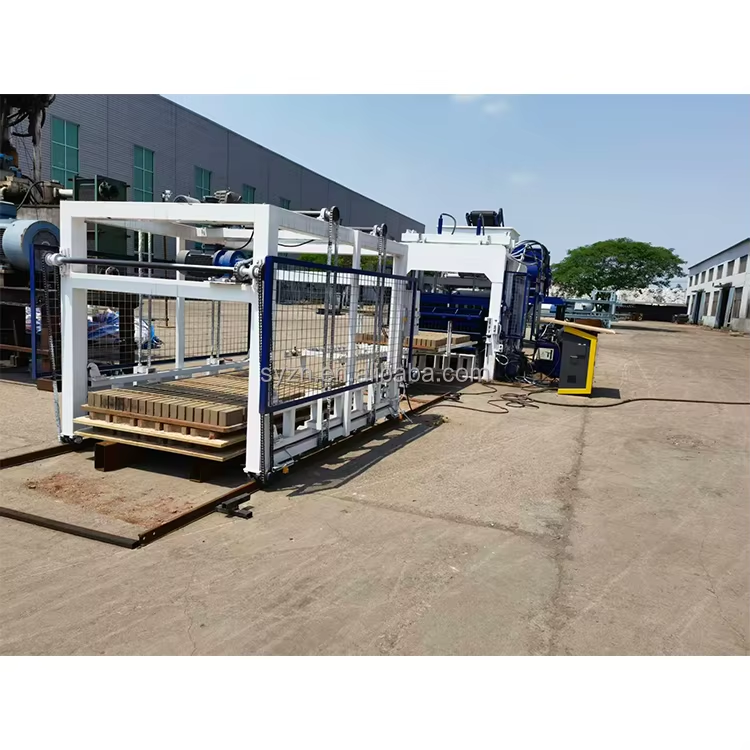
Description
Rapid Dispatch Readiness — the QT10-15 block molding machine in stock is dismantled and staged for immediate container loading, cutting typical multi-week manufacturing waits down to a straightforward shipping schedule.
Technical Specifications
| Parameter | Value |
|---|---|
| Model | QT10-15 |
| Product Type | Fully Automatic Block Molding Machine |
| Method | Hydraulic pressure |
| Automation Level | Fully Automatic |
| Overall Dimensions (L×W×H) | 9350×2320×2950 mm |
| Net Weight | 10000 kg |
| Overall Power | 52 kW |
| Voltage | Customer local voltage |
| Control System | PLC |
| Hydraulic Rate Pressure | 21 MPa |
| Main Vibration Form | Platform Vibration |
| Vibration Frequency | 2800-4500 r/min |
| Molding Cycle | 15-25 seconds (basis to be confirmed) |
| Pallet Size | 1150×900 mm |
| Compatible Brick Sizes | 400×100×200 mm, 400×120×200 mm, 400×200×200 mm, 200×100×60 mm, 200×200×60 mm |
| Color | Customizable |
| Warranty | 1 Year |
Application Suitability
| Application | Material or Output |
|---|---|
| Hollow block production | Cement and concrete aggregates |
| Paving block manufacturing | Concrete mixes for heavy-duty surfaces |
| Interlock block forming | Standard cementitious raw materials |
| Kerbstone and curb production | High-density concrete formulations |
Why Arrival Timing Matters More Than Cycle Speeds
Securing a QT10-15 block molding machine in stock eliminates the gap between project funding and actual site production.
When contractors face strict build deadlines, waiting for a custom manufacturing run often leads to missed milestones and idle labor on the ground. I have seen project sites in Africa where the foundation was poured and the curing area was prepped, but the main press was still sitting in a factory queue overseas [NEED_CITE: typical lead times for custom heavy machinery]. By focusing on immediate availability and clear container loading plans, the dispatch process shifts from a prolonged negotiation to a rapid execution phase, ensuring the equipment reaches the destination port exactly when the site is ready to receive it.
Container Loading and Dismantling Protocols
Shipping a fully automatic press of this scale requires precise dismantling to fit standard ocean freight dimensions without damaging critical hydraulic lines. The QT10-15 block molding machine in stock is broken down into modular sub-assemblies, with the main vibration platform and hydraulic station secured separately to maximize space inside the container. This pre-planned loading strategy prevents last-minute delays at the port and ensures that the heavy structural components are distributed evenly across the container floor.
Upfront Arrival Estimates and Customs Support
Knowing exactly when the equipment will clear the destination port allows site managers to schedule the crane and forklift operators in advance. We provide upfront arrival estimates based on current shipping routes and include all necessary customs documentation support to prevent the machinery from sitting in a bonded warehouse [NEED_CITE: standard customs clearance documentation for industrial block machines]. This transparency keeps the project timeline intact from the moment the bill of lading is issued to the final unloading at the plant site.
Decoding the Physical and Hydraulic Footprint
The 9350×2320×2950 mm overall dimensions dictate the minimum clearance required for the main press hall, while the 10000 kg net weight demands a reinforced concrete foundation to absorb the platform vibration. The 21 MPa hydraulic rate pressure works in tandem with the 2800-4500 r/min vibration frequency to compact the concrete, but this immense force means the machine must be anchored securely before operation. Furthermore, the 1150×900 mm pallet size defines the exact racking dimensions needed in the curing area, ensuring that the forklifts already on site can handle the loaded pallets without requiring specialized attachments.
The Hidden Cost of Ignoring Upstream and Downstream Pacing
Failing to match the press output with the downstream handling capacity is a frequent cause of site bottlenecks. Early in my career, I oversaw a QT10-15 installation where the buyer opted out of automated stacking to save on initial costs. The main press cycled so rapidly that the manual labor crew could not move the wet pallets fast enough, causing the entire production line to halt and the concrete to set inside the mixer [NEED_CITE: operational bottlenecks in manual block handling]. Verifying the pacing of the mixer, the press, and the curing area before the equipment leaves the factory prevents these costly operational deadlocks.
Why Source This Ready-to-Ship Equipment Here
Our focus on stock and delivery means the QT10-15 is inspected and staged for transport rather than built from scratch after the order is placed. We verify the voltage and PLC display language against the buyer’s destination country before the machine is crated, preventing commissioning delays upon arrival. Every unit undergoes a rigorous factory test, and we provide video outgoing-inspections so the buyer can see the exact machine they are purchasing running under load. The dispatch lead time is quoted upfront, and the container loading plan is finalized before the truck arrives at our facility, ensuring a seamless transition from our floor to the shipping vessel.
Documentation & Verification
- Machinery test record confirming hydraulic pressure and vibration frequency before crating
- Video outgoing-inspection showing the specific unit running under load
- Detailed dismantling and container loading plan for the 10000 kg structure
- Customs documentation package aligned with destination port requirements
- Electrical and hydraulic schematics matching the confirmed local voltage
Installation, Commissioning & Support
- Foundation blueprints specifying load-bearing requirements for the 9350×2320×2950 mm footprint
- Power distribution guidelines for the 52 kW overall power draw and local voltage
- Step-by-step reassembly instructions for the modular hydraulic and vibration components
- On-site parameter setting for the PLC to match the specific 1150×900 mm pallet cycle
- Operator training focused on safe loading and unloading of the heavy mould assemblies
- Wear parts inventory list for the hydraulic seals and vibration platform components
Preparing Your Site for Immediate Integration
To ensure the equipment integrates smoothly upon arrival, please provide your target daily output requirements and the specific block formats your market demands. We also need to confirm your local voltage and frequency standards, as well as the dimensions of your existing curing area and the lifting capacity of your current forklifts. Supplying these details allows us to finalize the dispatch documentation and ensure the machine is configured for your exact site conditions before it leaves our facility.
Frequently Asked Questions
Q: What is the current dispatch lead time for the QT10-15?
A: Because this model is kept in stock and staged for rapid dispatch, the lead time is primarily dictated by the container booking and the machine dismantling process. Once the voltage and control language are confirmed, the unit is crated and moved to the port, significantly reducing the wait compared to a custom manufacturing run.
Q: How is the machine dismantled for container loading?
A: The 10000 kg structure is broken down into modular sub-assemblies, separating the main vibration platform from the hydraulic station and PLC panel. This ensures the components fit securely within standard ocean freight containers while protecting sensitive hydraulic lines and electrical connections during transit.
Q: Can you provide an upfront arrival estimate to my destination port?
A: Yes, we calculate the arrival estimate based on current shipping routes and vessel schedules once the container is booked. This allows your site team to schedule the necessary cranes, forklifts, and foundation prep work well before the equipment actually docks.
Q: What customs documentation is included to speed up clearance?
A: We provide a comprehensive customs documentation package, including the commercial invoice, packing list, bill of lading, and machinery test reports. These documents are prepared in accordance with standard international trade requirements to prevent the machinery from being held up in a bonded warehouse.
Q: Are standard moulds and pallets included in the ready-to-ship package?
A: The ready-to-ship package includes the main press and its core components. Standard moulds and 1150×900 mm pallets can be loaded into the same container based on your specific format requirements, provided they are confirmed during the final dispatch planning stage.