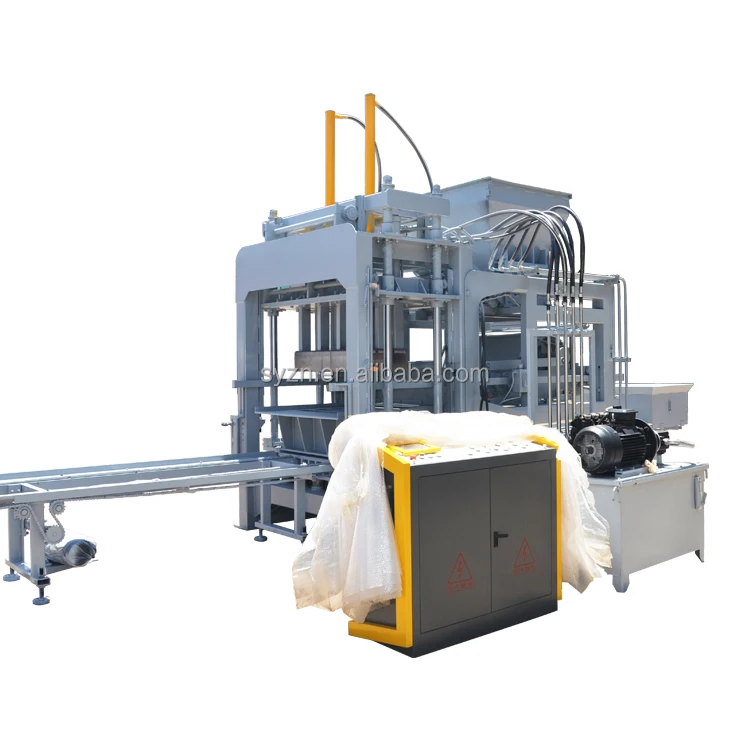

Description
Verified Dispatch Timing — QT7-15 block machines and matching moulds are held in stock with container loading schedules confirmed before you place the order, eliminating the vague lead times that stall project mobilization.
Technical Specifications
| Parameter | Value |
|---|---|
| Model | QT7-15 |
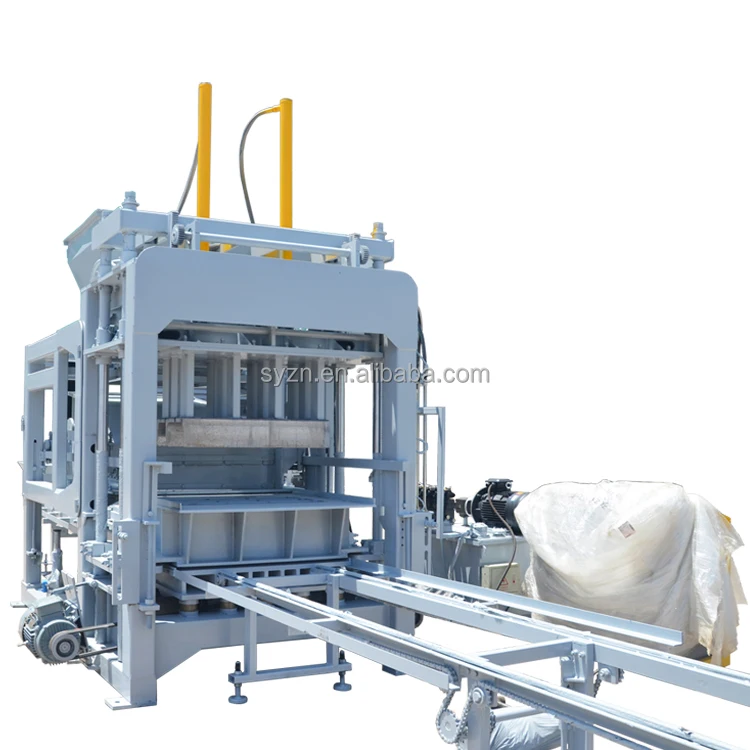
| Product Type | Hydraulic Concrete Block Making Machine |
| Pallet Size | 1150 x 700 mm |
| Molding Cycle | 15–20 s |
| Overall Power | 45 kW |
| Vibration Force | 100 kN |
| Vibration Frequency | 0–60 Hz |
| Vibration Form | Platform Vibration |
| Demolding Method | Hydraulic |
| Control System | PLC with touch screen interface |
| Total Mass | 8 T |
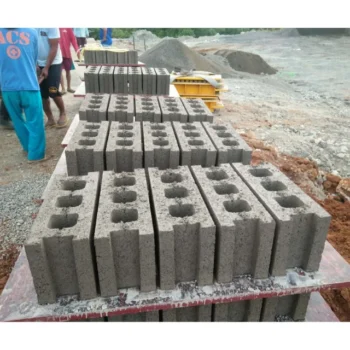
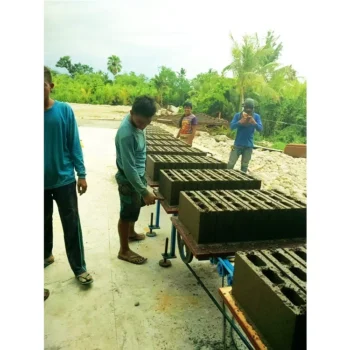
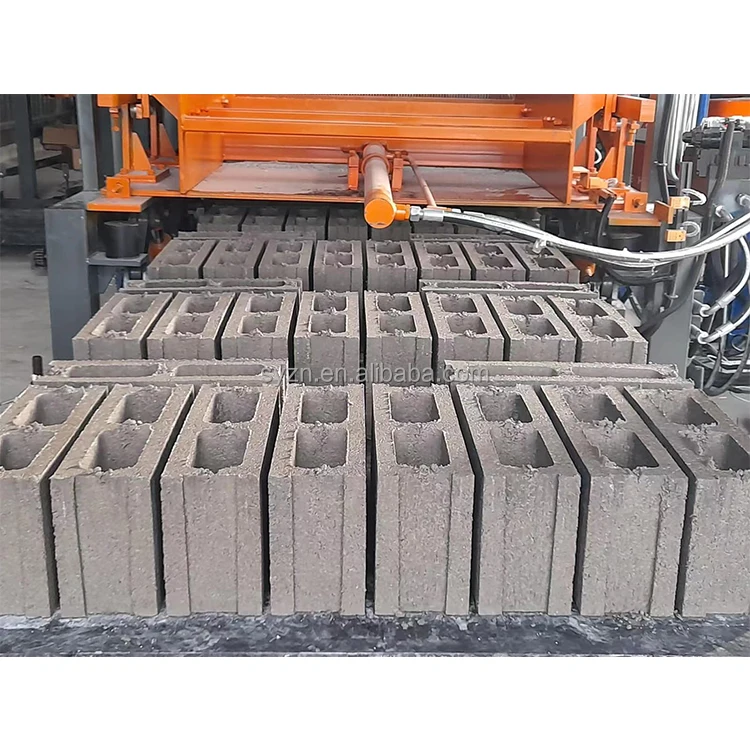
| Output Capacity | 10,080–13,440 pcs per 8 hr based on 400×200×200 mm hollow block |
| Output Capacity | 11,520–15,360 pcs per 8 hr based on 400×150×200 mm hollow block |
| Output Capacity | 31,104–38,880 pcs per 8 hr based on 200×100×60 mm rectangular brick |
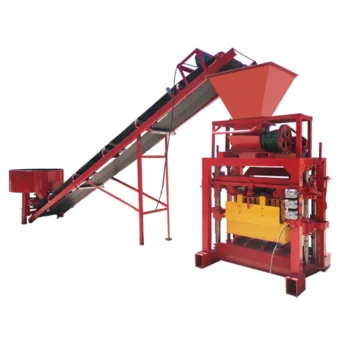
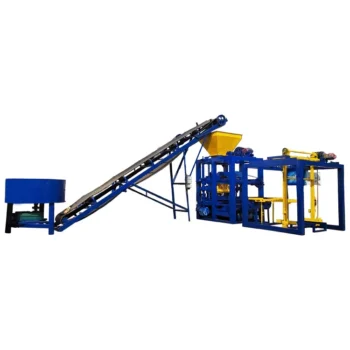
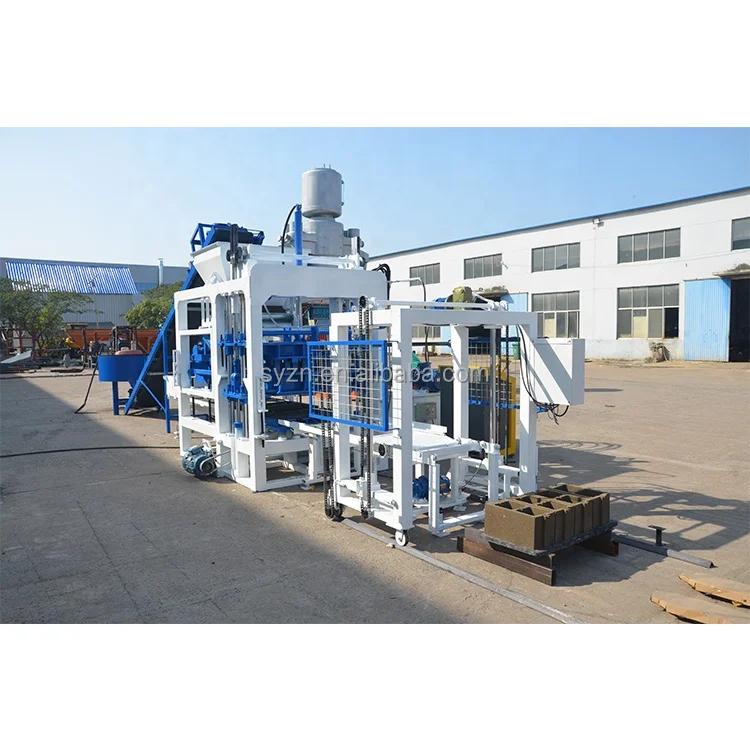
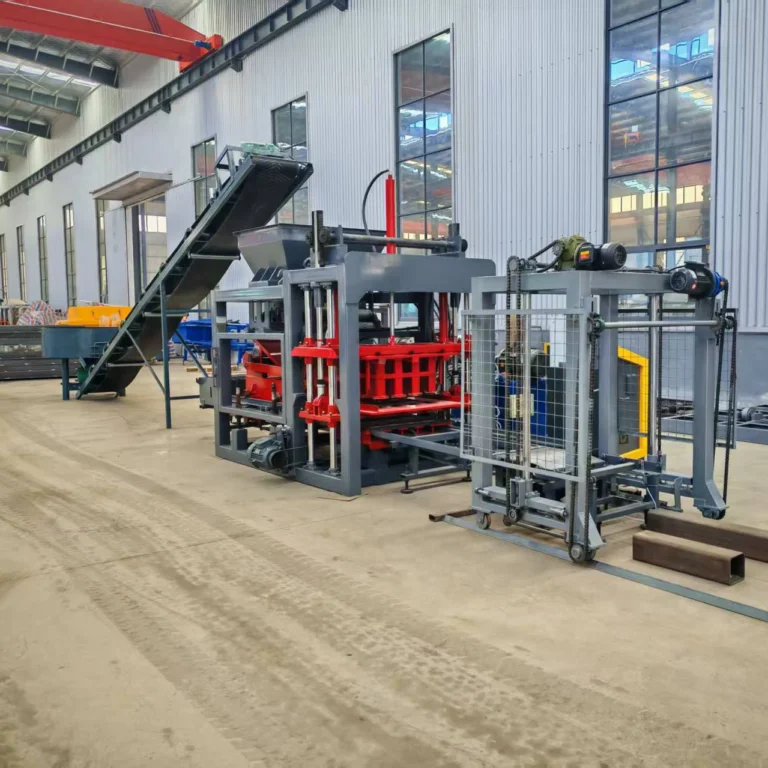
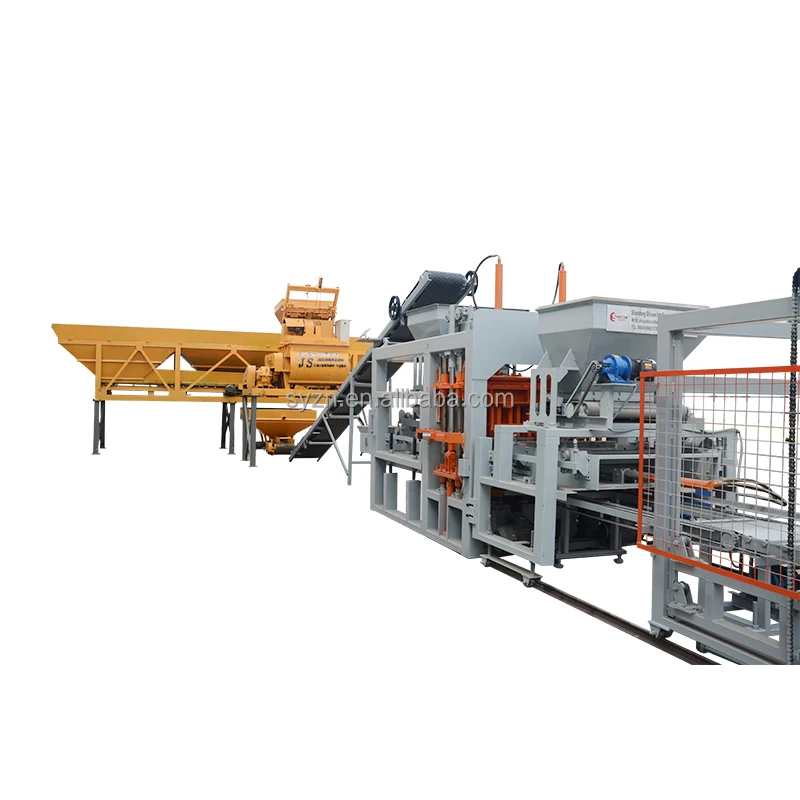
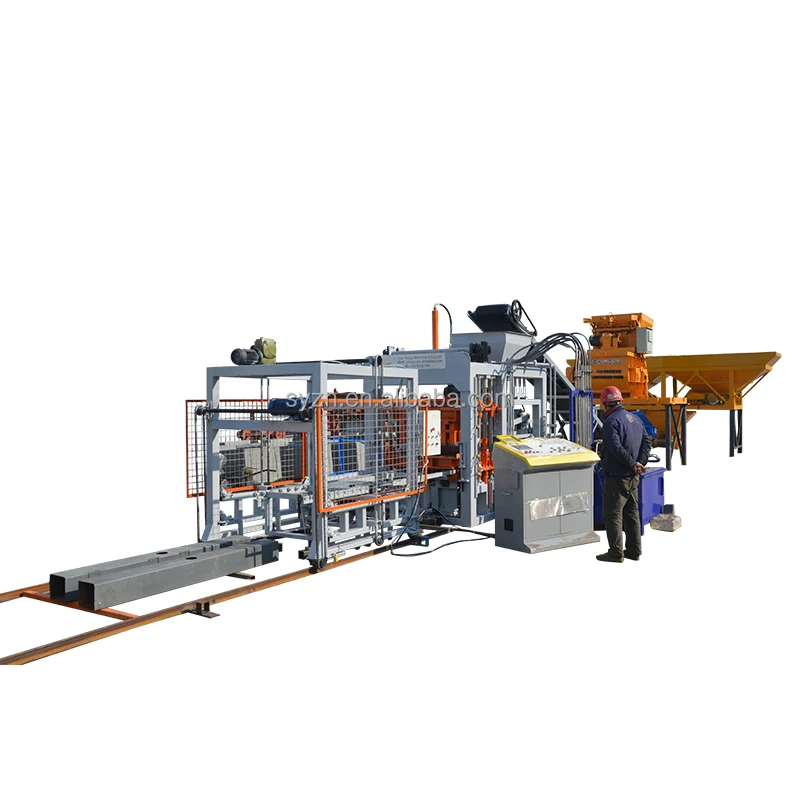
| Line Components | Pallet feed machine, block making machine, storage hopper, conveyor, hydraulic unit, PLC control cabinet |
Application Suitability
| Application | Material or Output |
|---|---|
| Hollow block production | Crushed stone, sand, cement and water mix for 400×200×200 mm and 400×150×200 mm formats |
| Solid block production | Dense aggregate concrete for load-bearing wall units |
| Paving brick production | Fine aggregate and cement for 200×100×60 mm rectangular pavers |
| Interlocking brick production | Graded aggregate with hydraulic press and vibration consolidation |
Why the Voltage Question Must Come Before Dispatch
Confirming local voltage and frequency before the QT7-15 block machine in stock leaves the factory prevents a multi-week commissioning delay on site.
I have watched a container arrive at a job site with the vibration motor wound for 50 Hz while the local grid runs at 60 Hz. The vibration table could not reach the frequency needed to consolidate the mix, and blocks came out crumbly. The contractor lost weeks sourcing a compatible inverter while the build schedule slipped. That single oversight costs more than the machine’s entire sea freight [NEED_CITE: voltage and frequency standards by export market].
When you are evaluating a QT7-15 block machine in stock for fast delivery, the first question should not be how soon it ships but whether the motor winding, PLC supply voltage, and control transformer match the destination grid. Getting that right at the factory is a ten-minute conversation; fixing it on site is a three-week problem.
Stock Availability and Container Loading Readiness
The QT7-15 block machine in stock is held with standard mould formats and pallet sets ready to load. A clear dispatch lead time is quoted once the mould format list and pallet quantity are confirmed, so the buyer knows the exact container loading date before committing funds.
Machine sections are dismantled into shipping configuration with bolt connection points clearly marked, and the hydraulic unit is drained and sealed for transit. This approach keeps container loading efficient and avoids damage that loose packing can cause during a long ocean crossing.
Arrival Timing You Can Plan Around
Once the QT7-15 block machine in stock clears factory testing, an arrival estimate is provided based on the destination port and current sailing schedules. This lets the contractor align foundation work, electrical hookup, and raw material procurement so the machine is not sitting idle on a muddy lot waiting for a crane [NEED_CITE: typical ocean freight transit windows by region].
Fast delivery only matters if the site is ready to receive the equipment. Quoting arrival time upfront means the buyer can schedule the forklift, curing area preparation, and operator availability around a known date rather than a guessed window.
Reading the Specifications That Actually Affect Output
Vibration force and hydraulic pressure work together to determine block density. The 100 kN vibration force combined with platform vibration ensures aggregate particles settle tightly before the hydraulic head applies final compaction. If the local aggregate is angular or poorly graded, the vibration frequency range of 0–60 Hz allows the operator to adjust consolidation time for a clean demolding result.
Pallet size at 1150 x 700 mm must match the curing racks and forklift tines already on site. Ordering a machine with a pallet dimension that does not fit the existing curing yard forces a complete re-layout or a costly pallet exchange before the first shift runs. The 15–20 s molding cycle is measured at the press; actual line throughput depends on pallet return speed and mixer feed rate keeping the hopper charged.
The Cost of Skipping the Pre-Shipment Checklist
When voltage and frequency are not confirmed, the vibration motor runs outside its rated speed, producing weaker blocks that fail compressive strength tests. The contractor then blames the machine, when the real issue is a mismatch that could have been caught with a single line on the electrical confirmation sheet [NEED_CITE: CE machinery directive requirements for industrial equipment].
Similarly, if the pallet specification is overlooked, the buyer receives bamboo pallets when the curing area uses steel racks designed for timber dimensions. Pallets warp or jam the return conveyor, and the first week of production is spent on carpentry instead of block output.
Why Source This Machine From Our Stock Program
Block machinery is our single focus, so the QT7-15 press, mould, pallet, and handling equipment are specified as one matched set rather than assembled from unrelated suppliers. Each unit in stock has a verified pallet format and mould configuration already paired.
Configuration is set against the buyer’s actual mix design and target block format, not a catalogue default. Dispatch lead time and container loading plans are stated in writing before order confirmation, removing the uncertainty that delays site mobilization. Voltage, frequency, and PLC display language are verified against the destination country’s grid and operator requirements during the pre-shipment checklist.
Documentation & Verification
- Factory test record showing molding cycle and block dimensions on your specified format
- Voltage, frequency, and PLC language confirmation sheet signed before dispatch
- Machine specification sheet with pallet size and vibration force matched to your mix
- Container loading plan with dismantling procedure and securing details
- Operation and maintenance manual with wear parts and mould replacement intervals
Installation, Commissioning & Support
- Foundation pad sized to the 8 T total mass with anchor bolt template provided
- Dedicated 45 kW circuit with voltage and frequency verified against PLC cabinet rating
- Machine sections reassembled on site following marked bolt points and hydraulic line tags
- First-run molding cycle and vibration frequency tuned to the buyer’s local aggregate
- Operator training on PLC touch screen controls and mould change procedure
- Wear parts list and hydraulic seal kit identified for first scheduled replacement
What We Need to Confirm Before Dispatch
To align the QT7-15 block machine in stock with your project timeline, provide the target block format and daily output requirement, the local voltage and frequency at the installation site, and the pallet material your curing area currently uses. With those details confirmed, a dispatch date and arrival estimate can be issued for your planning.
Frequently Asked Questions
Q: Which QT7-15 models and moulds are currently in stock?
A: Standard hollow block and rectangular brick mould formats are held alongside the QT7-15 press units. Confirm your target block dimensions and pallet size so we can match the exact mould set and pallet material to your production needs before quoting dispatch.
Q: What is the typical dispatch lead time from order confirmation to container loading?
A: Once voltage, frequency, PLC language, and mould format are confirmed, the dispatch lead time is stated in writing. Stocked units with standard configurations move to container loading within a defined window that is quoted before you commit.
Q: How is the machine dismantled and packed for container shipment?
A: The QT7-15 is broken down into shipping sections at designated bolt points. The hydraulic unit is drained and sealed, and components are secured inside the container to prevent transit damage. A reassembly guide with marked connection points accompanies every shipment.
Q: Can voltage and PLC language be confirmed before the machine leaves the factory?
A: Yes. The destination country voltage, frequency, and operator language for the PLC touch screen are confirmed in writing before dispatch. This step prevents on-site commissioning delays caused by electrical mismatches or unreadable control menus.
Q: What is the arrival estimate for my destination port once shipped?
A: An arrival estimate is provided based on the destination port and current sailing schedules after the container is loaded. This allows you to plan site preparation, crane hire, and raw material delivery around a known date.