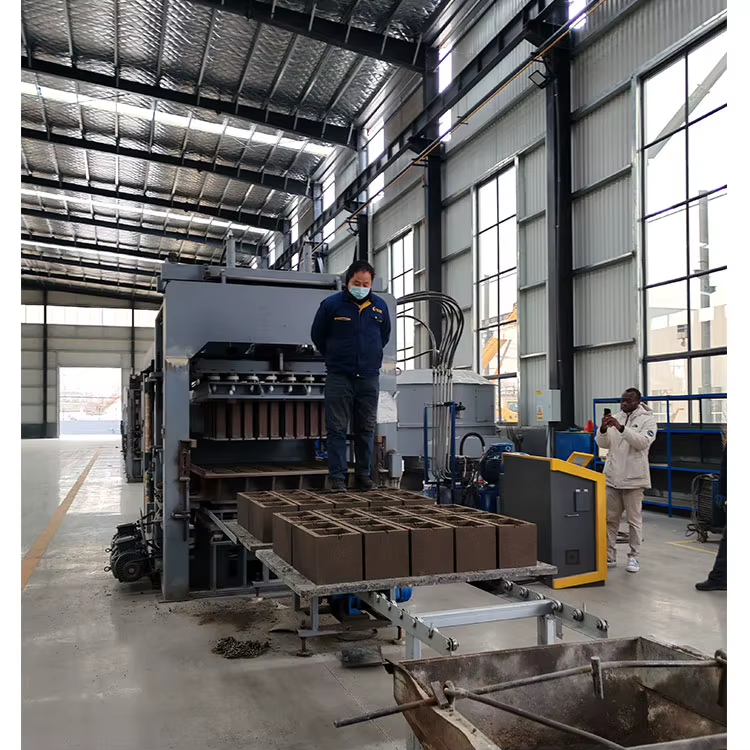
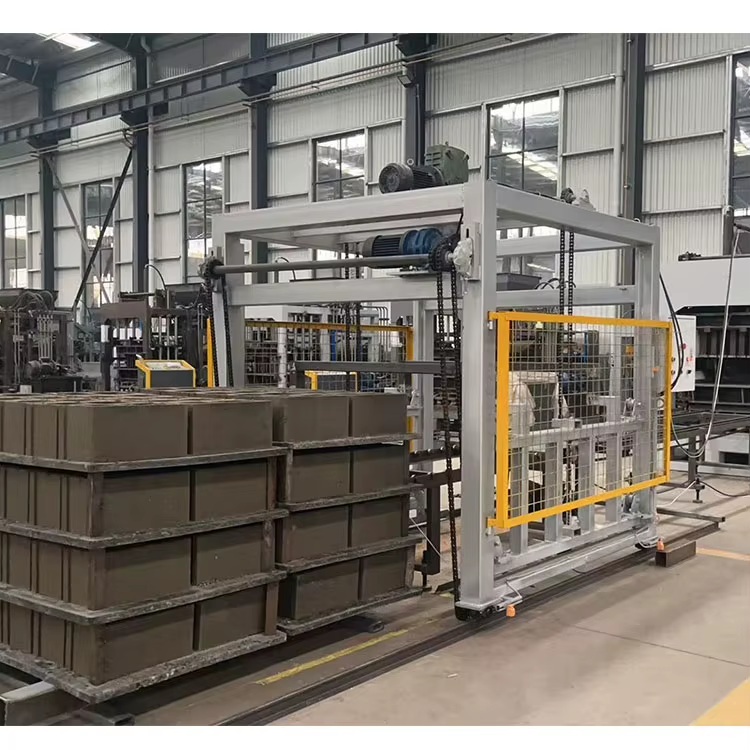
Description
Pre-calculated Loading Plans — Every QT10-15 dispatch includes verified container loading diagrams to ensure the equipment actually fits through your facility doors upon arrival.
Technical Specifications
| Parameter | Value |
|---|---|
| Model | QT10-15 |
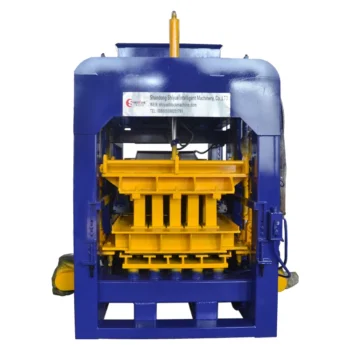
| Product Type | Fully Automatic Concrete Block Making Machine |
| Forming Method | Hydraulic pressure |
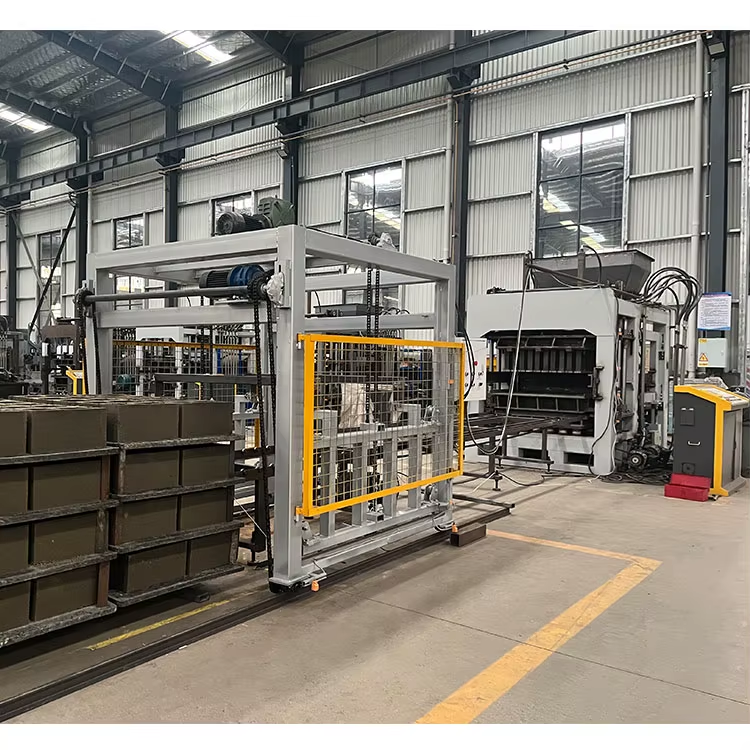
| Overall Dimensions (L×W×H) | 9350x2320x2950mm |
| Net Weight | 9500 kg |
| Voltage & Frequency | Customized |
| Brick Raw Material | Concrete, cement, clay, crushed stone, sand |
| Mould Format Compatibility | 400200200 mm, 400150200 mm, 20010060 mm, and others |
| Cycle Time | Varies by format (basis to be confirmed) |
| Core Components | Motor, Pump |
| Warranty | More Than 5 Years |
Application Suitability
| Application | Material or Output |
|---|---|
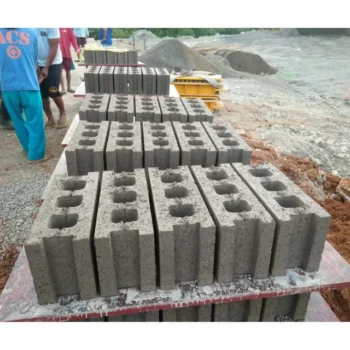
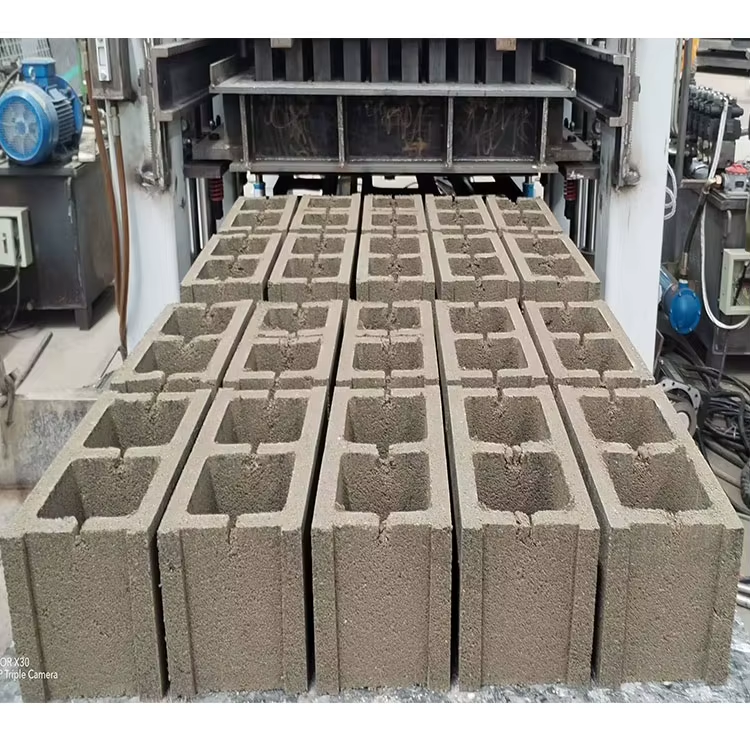
| Building construction | Hollow blocks from crushed stone and cement |
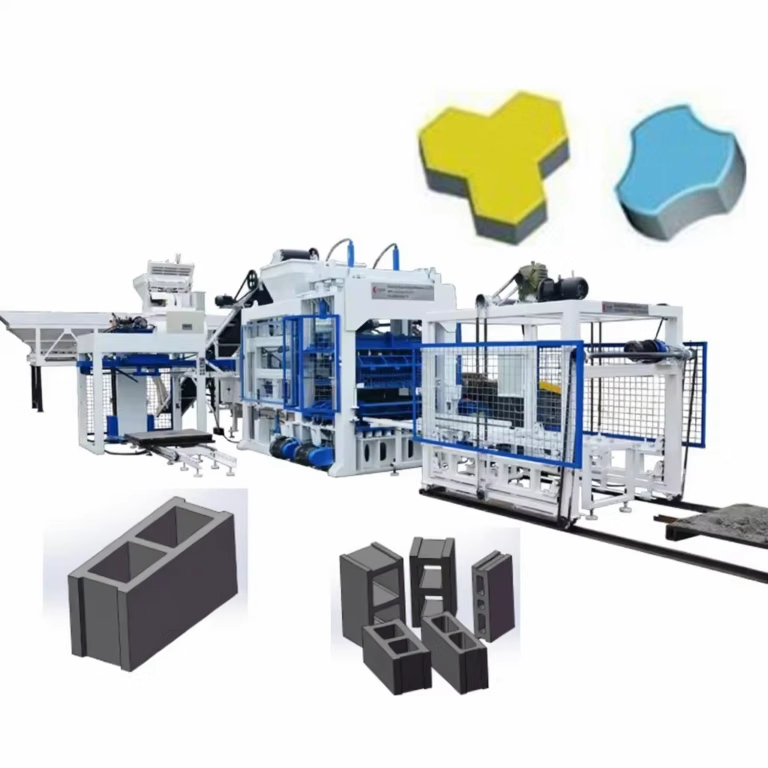
| Road and pathway paving | Paving blocks and interlock blocks from concrete |
| Infrastructure projects | Curbstone blocks from heavy aggregate mixes |
Why Arrival Estimates Matter More Than Quoted Cycle Times
A machine sitting in a customs yard or stuck at the port does not produce a single block.
When project deadlines are tight, buyers often fixate on theoretical production speeds while ignoring the logistics of getting the equipment to the site. I have seen project schedules derailed not because the press was slow, but because the container was held up or the dismantled components did not align with the local unloading equipment. Securing a reliable QT10-15 automatic block machine fast delivery means prioritizing dispatch readiness and transit logistics over speculative output numbers [NEED_CITE: impact of logistics delays on construction project timelines].
Dispatch Readiness and Stock Availability
Waiting for extended manufacturing cycles is rarely an option when a construction phase is about to begin. The focus here is on immediate availability and straightforward ordering. Standard mould formats are kept ready for quick inclusion in the dispatch package, allowing the QT10-15 automatic block machine fast delivery process to bypass typical production bottlenecks. Upfront arrival estimates are calculated before the order is even confirmed, giving site managers a realistic timeline for foundation preparation.
Dismantling and Container Loading Logistics
Shipping a fully automatic line requires precise spatial planning. The main press, hydraulic station, and supporting structures are dismantled specifically to maximize container space and protect critical components during ocean freight. Before any crate is sealed, the loading diagram is cross-referenced with the buyer’s site access constraints. This prevents the nightmare scenario where a fully automatic concrete block making machine arrives on site, but the forklift cannot maneuver the pallets through the workshop entrance [NEED_CITE: standard container loading procedures for heavy industrial machinery].
Evaluating Physical Footprint and Transit Weight
The physical dimensions and mass of the equipment dictate how it must be handled at the destination port and during final placement. At 9350x2320x2950mm in its assembled state and a net weight of 9500 kg, the QT10-15 requires specific crane or heavy forklift capacities for unloading. The hydraulic pressure system and core motor components are secured against vibration during transit. Understanding these physical parameters ensures the receiving facility has the correct rigging gear waiting on the day of arrival, avoiding expensive standby charges for rental equipment.
The Hidden Costs of Unverified Site Clearances
Failing to verify workshop dimensions against the machine’s assembled height leads to catastrophic delays. I once oversaw a shipment where the automated stacking component arrived, but the facility’s roof clearance was too low to accommodate it, forcing the buyer to modify the building structure while the equipment sat idle. When the facility layout and loading plans are not死死对齐 (strictly aligned) before dispatch, the resulting downtime easily eclipses any initial savings on the equipment purchase [NEED_CITE: common site preparation failures in heavy machinery installation].
Why Procurement Focuses on Transit Certainty
Sourcing from this facility means the logistics are treated with the same rigor as the mechanical assembly. Dispatch lead times are quoted transparently, and container loading plans are finalized before the machinery leaves the factory floor. Packing photographs and complete customs documentation are provided to accelerate port clearance. The voltage and control language configurations are confirmed and tested prior to crating, ensuring that once the QT10-15 automatic block machine fast delivery reaches the site, the electrical hookups do not cause secondary delays.
Documentation & Verification
- Factory test record verifying hydraulic pressure stability before dismantling for shipment.
- Video outgoing-inspection showing the specific mould format loaded and tested.
- Detailed container loading diagram matching your site’s unloading equipment capacity.
- Customs documentation support prepared to accelerate destination port clearance.
- Voltage and control language confirmation sheet signed off prior to crating.
Installation, Commissioning & Support
- Foundation plans provided early to match the 9500 kg net weight and dynamic hydraulic forces.
- Dedicated power circuit requirements specified based on your confirmed customized voltage.
- Dismantled components labeled clearly to streamline the reassembly sequence on site.
- Initial parameter设定 (setting) guided via video technical support after warranty registration.
- Wear parts list provided to ensure local sourcing of high-friction components.
Preparing Your Site for Equipment Arrival
To ensure the logistics align perfectly with your construction schedule, we need specific details about your receiving facility. Please provide the exact dimensions of your workshop doors and internal clearances, along with the lifting capacity of your local forklifts or cranes. Confirm your site’s voltage and frequency standards so the electrical cabinets are configured correctly before the QT10-15 automatic block machine fast delivery is loaded into the container.
Frequently Asked Questions
Q: What is the dispatch lead time and how is the arrival estimate calculated?
A: Dispatch lead times depend on current stock levels of the press and standard moulds. The arrival estimate is calculated by adding the confirmed ocean freight transit days to the dispatch date, providing you with a realistic timeline for site preparation before the order is finalized.
Q: How is the equipment dismantled and loaded into containers for shipment?
A: The machinery is broken down into major sub-assemblies to fit standard shipping containers. A detailed loading diagram is created to ensure weight distribution is safe for transit and that the unloading sequence at your site matches your available lifting equipment.
Q: Are standard moulds included in the stocked dispatch package?
A: Yes, standard mould formats compatible with the machine are typically kept in stock and can be included in the rapid dispatch package. This prevents the delay of waiting for custom mould fabrication when you need to start production immediately.
Q: What customs documentation support is provided to accelerate port clearance?
A: We provide comprehensive packing lists, commercial invoices, and machinery test reports formatted to meet international shipping standards. This documentation package is designed to prevent holds at customs and ensure smooth transit to your final destination.
Q: How quickly can on-site installation begin after the machine arrives?
A: Installation can begin immediately upon unloading, provided your foundation and power circuits are ready. The components are labeled according to the pre-shipment loading diagram, allowing your local rigging team to position the main press and hydraulic stations efficiently.