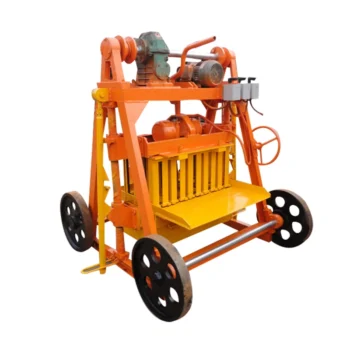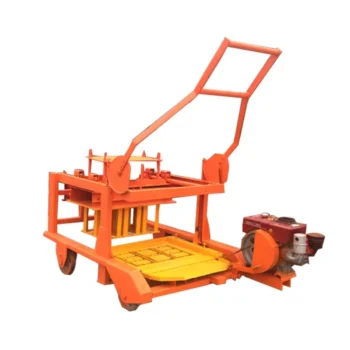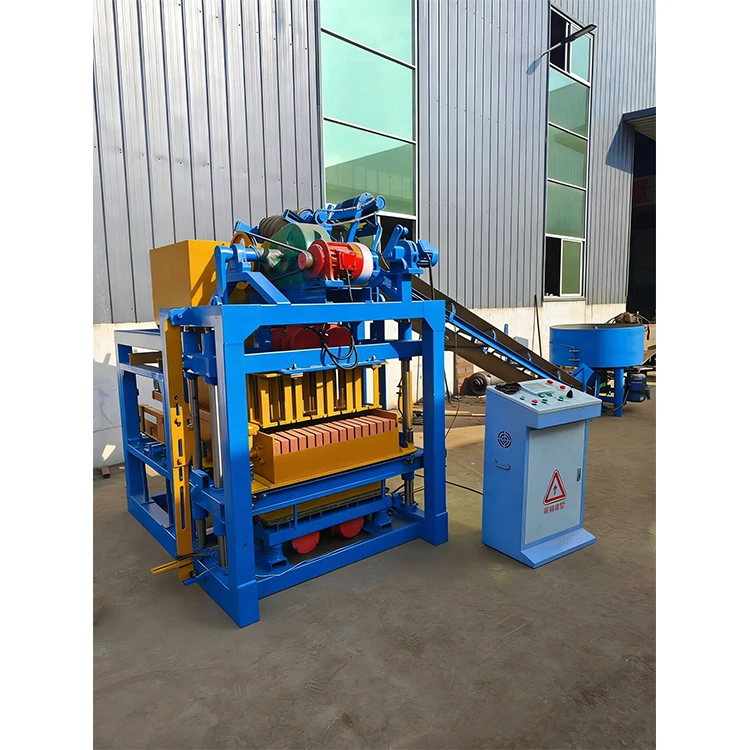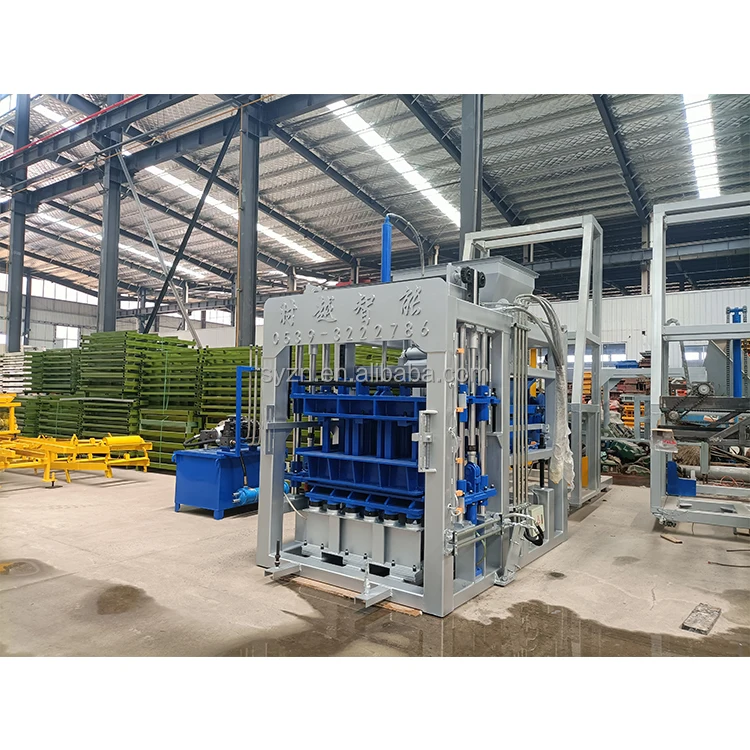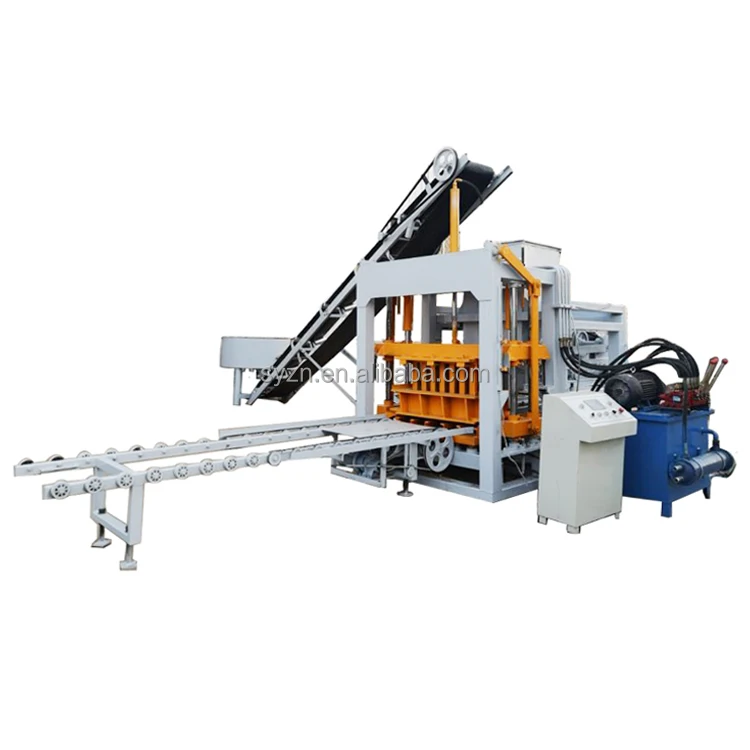


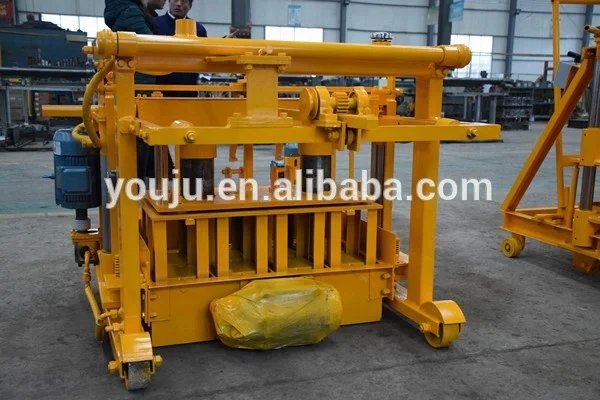
Description
Stocked and Ready for Dispatch — The QMY4-30 is built, plywood-packed, and held in our Linyi inventory so it can load into a container within days rather than waiting through a full production cycle.
Technical Specifications
| Parameter | Value |
|---|---|
| Model | QMY4-30 |
| Product Type | Mobile Hydraulic Concrete Block Making Machine |
| Rated Power | 5 kW |
| Molding Cycle | 30 seconds |
| Overall Dimensions | 1200 × 1200 × 1100 mm |
| Net Weight | 950 kg |
| Machine Type | Mobile (egg-laying) |
| Automation Level | Semi-automatic / manual operation |
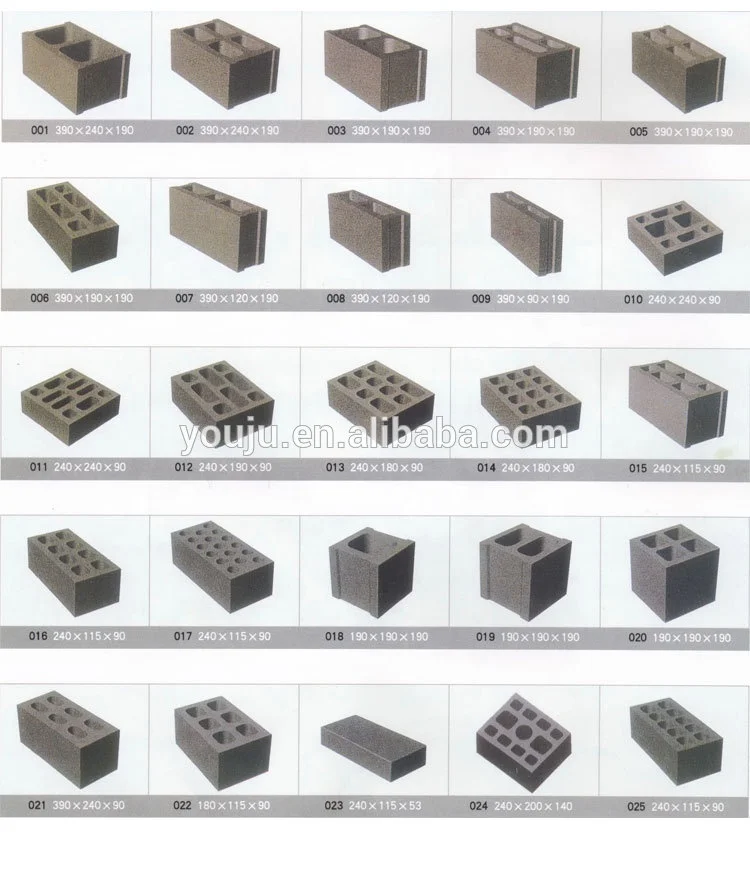
| Mould Format | Hollow block and solid brick (changeable) |
| Output Capacity (400×200×200mm hollow block) | 480 pcs/hour, 3840 pcs/8 hours (basis: 4 pcs per mould) |
| Output Capacity (400×150×200mm hollow block) | 600 pcs/hour, 4800 pcs/8 hours (basis: 5 pcs per mould) |
| Output Capacity (400×100×200mm hollow block) | 840 pcs/hour, 6720 pcs/8 hours (basis: 7 pcs per mould) |
| Raw Materials | Cement, sand, crushed stones, slag |
Application Suitability
| Application | Material or Output |
|---|---|
| On-site housing project block production | Standard hollow blocks from cement and local sand laid directly on the project floor |
| Contractor-produced kerb and wall blocks | Solid bricks from crushed stone and cement at the build location |
| Startup block plant with limited space | Hollow blocks in three standard formats without a fixed foundation |
| Distributor filling an immediate order | Stocked machine dispatched to a buyer who cannot wait for a custom build |
Why "Pieces per Hour" Means Nothing Without the Block Format
Capacity only matters when the block size and mould cavity count are stated together.
I have watched buyers compare two mobile block machines on paper and pick the one with the higher number, only to discover the quoted figure assumed the smallest block in the range. The QMY4-30 produces 480 pieces per hour on a 400×200×200mm hollow block where the mould holds 4 cavities, but the same machine reaches 840 pieces per hour on a 400×100×200mm block with 7 cavities. Those are two very different daily realities. Any mobile block machine in stock quotation that lists a single output figure without naming the format is leaving out the information you actually need to plan your shift. [NEED_CITE: block machine capacity calculation standards by format]
Container Loading Without Dismantling
At 1200 × 1200 × 1100 mm and 950 kg, the QMY4-30 fits into a standard container upright and intact. No hydraulic lines need disconnecting, no frame sections need unbolting, and no reassembly crew is required at the destination port. The machine arrives in plywood packing at roughly 3 cubic metres of freight volume, which keeps the forwarding cost predictable. For a mobile block machine in stock, this compact footprint is the difference between rolling it off the container and starting production the same week versus spending days reassembling a dismantled unit.
Dispatch Lead Time Versus Custom Build Timelines
A stocked QMY4-30 skips the production queue entirely. The unit has already passed factory testing, the hydraulic circuit is filled and checked, and the mould is fitted. Once voltage and frequency are confirmed against the destination market, the machine can move to container loading within a matter of days. By contrast, a custom-built mobile block machine in stock equivalent typically requires several weeks of build time before the same testing and packing steps can even begin. When a project deadline is fixed, that gap determines whether blocks are being laid on site or whether the crew is standing idle. [NEED_CITE: typical lead times for stocked versus built-to-order block machinery]
What the 30-Second Moulding Cycle Actually Delivers
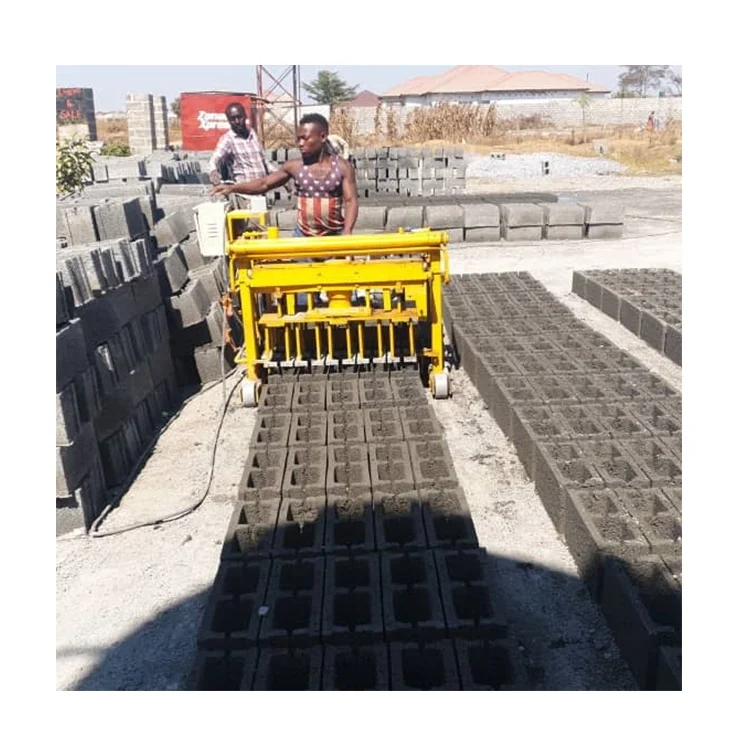
The 30-second cycle applies across all three hollow block formats the QMY4-30 handles, because the vibration and hydraulic press sequence is timed to the moulding station rather than to a specific cavity count. On the 400×200×200mm format with 4 cavities per cycle, the press completes one moulding every half minute. On the 400×100×200mm format with 7 cavities, the cycle time remains the same but each press delivers more units. The rated power of 5 kW reflects the vibration motor and hydraulic pump combined, which is modest enough to run from a site generator without a dedicated high-capacity supply. The egg-laying design means the machine moves forward on its own wheels after each press, depositing blocks directly onto the ground with no pallet required — eliminating pallet handling entirely from the production loop.
The Hidden Cost of Skipping the Local Aggregate Check
I once shipped a machine just like this one to a site where the customer used volcanic ash instead of river sand. We had run the factory test on standard sand, and the block strength numbers looked fine on paper. On arrival, the first two weeks of production yielded blocks that crumbled under handling. The vibration force and hydraulic pressure needed recalibrating for the local material’s density and moisture absorption. That delay cost the contractor far more than a sample test before dispatch would have. Every mobile block machine in stock still needs this material verification step — availability does not mean the settings are correct for your aggregate. [NEED_CITE: effect of aggregate type on concrete block compressive strength]
Why Buyers Source This Machine Through Our Linyi Facility
Block machinery is our single focus, so the QMY4-30 ships as a matched system — machine, mould, and handling logic specified together rather than assembled from separate suppliers. We set the configuration against the buyer’s actual mix design and target block format, not against a catalogue default. Moulds are designed for the formats the buyer’s market sells, and custom drawings are available if the standard hollow block and solid brick options do not cover the requirement. Automation level is selectable, meaning a buyer can start with manual pallet handling and add stacking equipment later without replacing the press. Every stocked unit receives installation guidance and operator training documentation so the crew on site is not learning from scratch.
Documentation & Verification
- Factory test record run on block formats matching your order before dispatch
- Mould drawing and format list confirming cavity count per block size
- Voltage, frequency, and control language confirmation sheet signed off pre-shipment
- Packing photographs showing the QMY4-30 secured in its plywood crate before container loading
- Operation and maintenance manual covering daily checks and mould change procedure
- Hydraulic and electrical schematic for on-site troubleshooting
Installation, Commissioning & Support
- Flat ground surface required — no poured foundation needed thanks to the egg-laying mobile design
- Power supply must match confirmed voltage and frequency; 5 kW draw suits a standard site generator
- Machine arrives fully assembled in plywood packing and can be rolled off the container floor directly
- First-run commissioning includes mould alignment check and vibration force adjustment to local aggregate
- Operator training covers the 30-second cycle, mould change sequence, and daily hydraulic inspection
- Wear parts list and mould replacement schedule provided at handover
Before You Request a Quote
Send the block format or formats your market demands, the daily volume you need to hit, and a description of the raw materials available on your site — particularly the sand or aggregate type. Confirm your local voltage and frequency, and note the language your operators read so the control labels can match. If you are working to a project start date, state that date so we can check the mobile block machine in stock against your shipping window.
Frequently Asked Questions
Q: Is the QMY4-30 currently in stock and what is the dispatch lead time?
A: Yes, the QMY4-30 is held as a stocked model at our Linyi facility. Once voltage and frequency are confirmed for your market, the machine can move to container loading within days. The exact dispatch date depends on container availability at the port, which we confirm at the time of order.
Q: How is the machine packed and what container does it ship in?
A: The QMY4-30 ships in plywood packing at approximately 3 cubic metres of freight volume. Its dimensions of 1200 × 1200 × 1100 mm allow it to fit inside a standard container without dismantling, so it arrives fully assembled and ready to roll off.
Q: What block formats and moulds ship with the machine versus ordered separately?
A: The QMY4-30 ships with moulds for hollow block and solid brick in changeable configuration. Additional mould formats can be ordered separately if your market requires sizes beyond the standard 400×200×200mm, 400×150×200mm, and 400×100×200mm hollow block range.
Q: What is the arrival estimate from order to port of destination?
A: Sea freight transit time depends on the destination port and current vessel schedules. We provide an arrival estimate at the time of order based on the confirmed dispatch date and your forwarder’s chosen routing.
Q: Can voltage and frequency be confirmed or adjusted for my market before dispatch?
A: Yes. Even though the QMY4-30 is a stocked unit, voltage and frequency must match the destination market. We confirm these specifications with the buyer before the machine leaves the factory so there are no electrical mismatches on arrival.