
Description
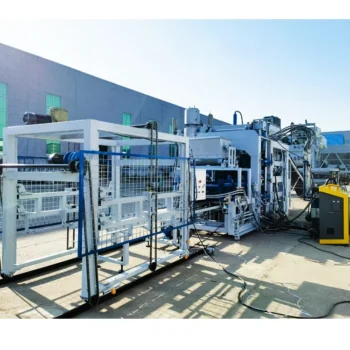
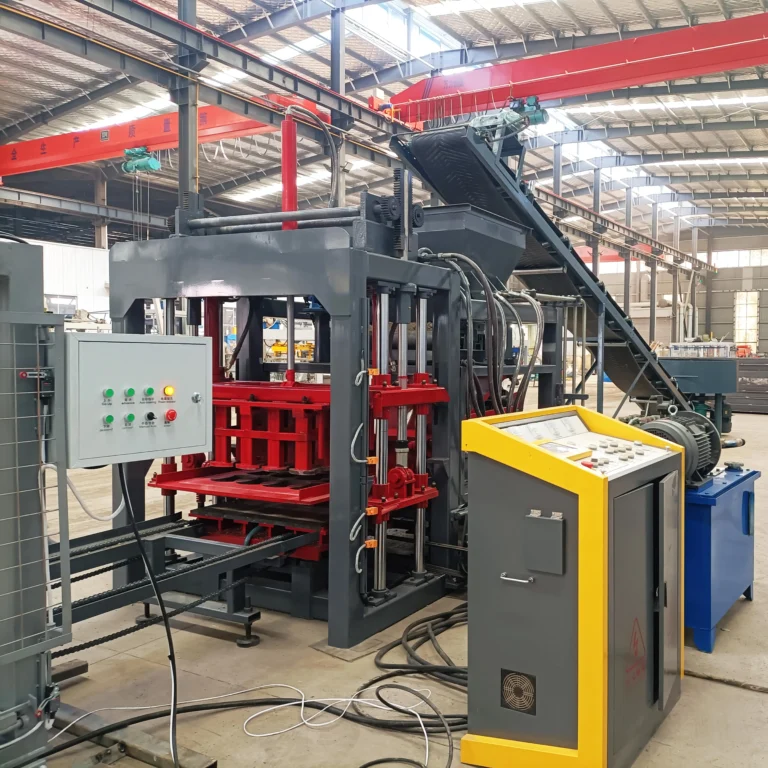
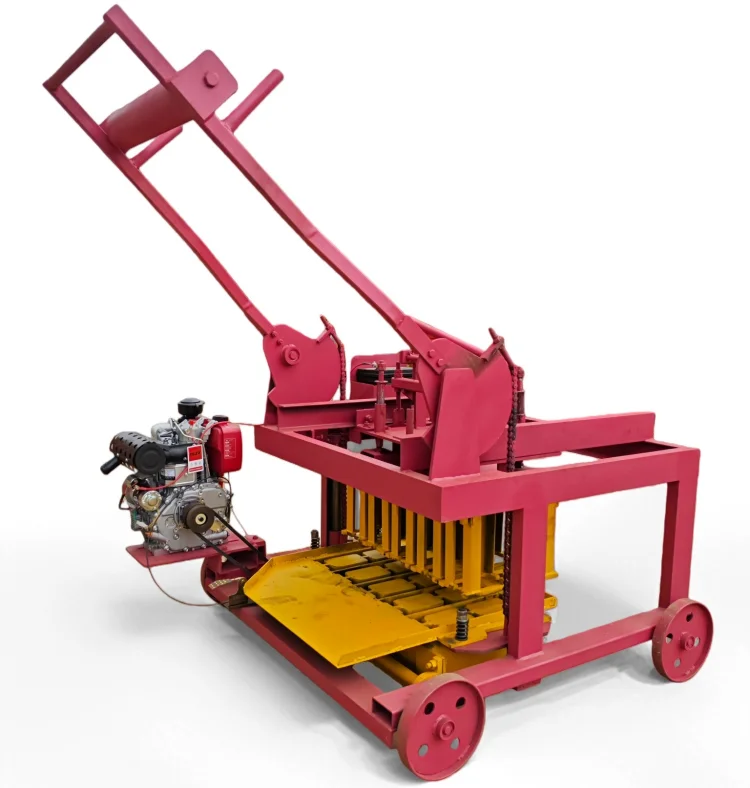
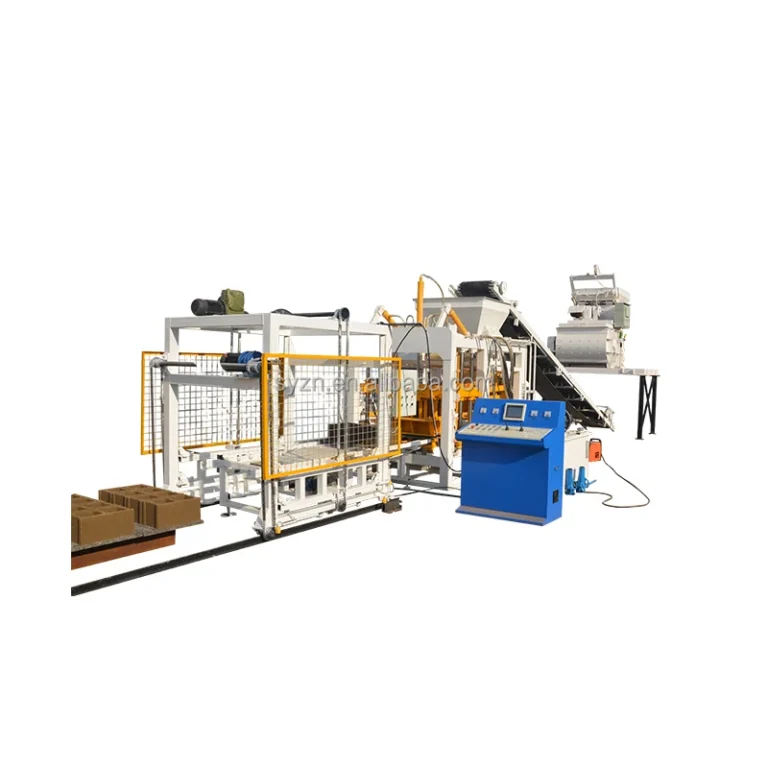
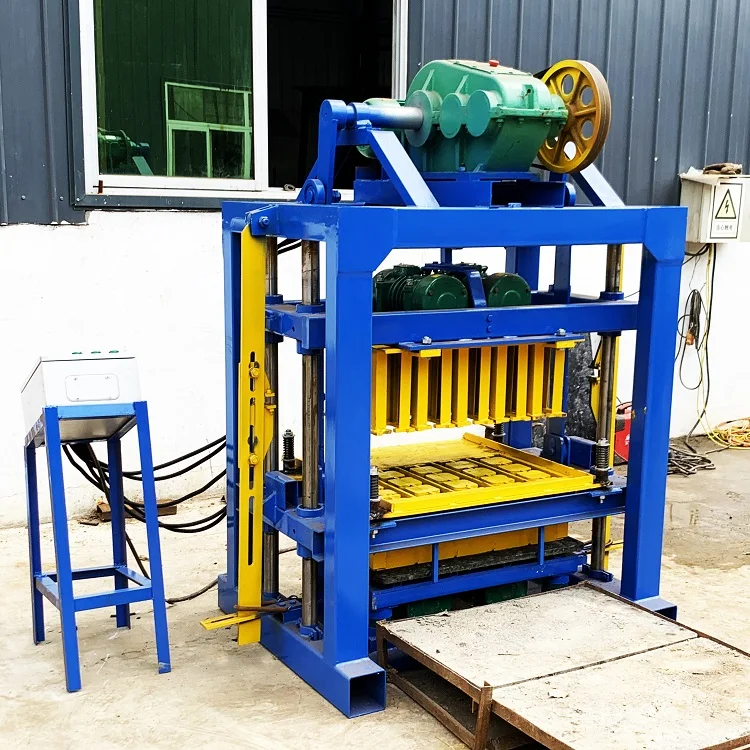
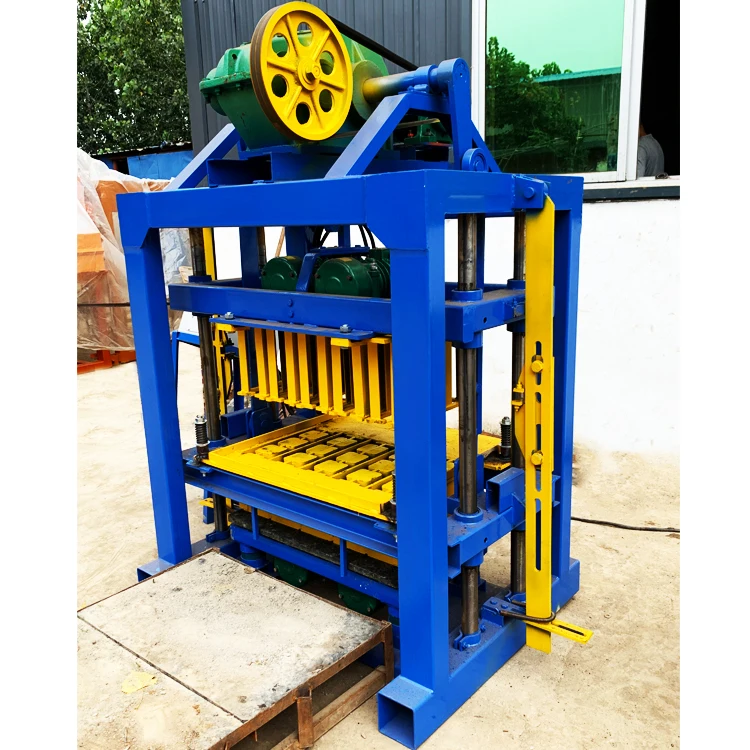
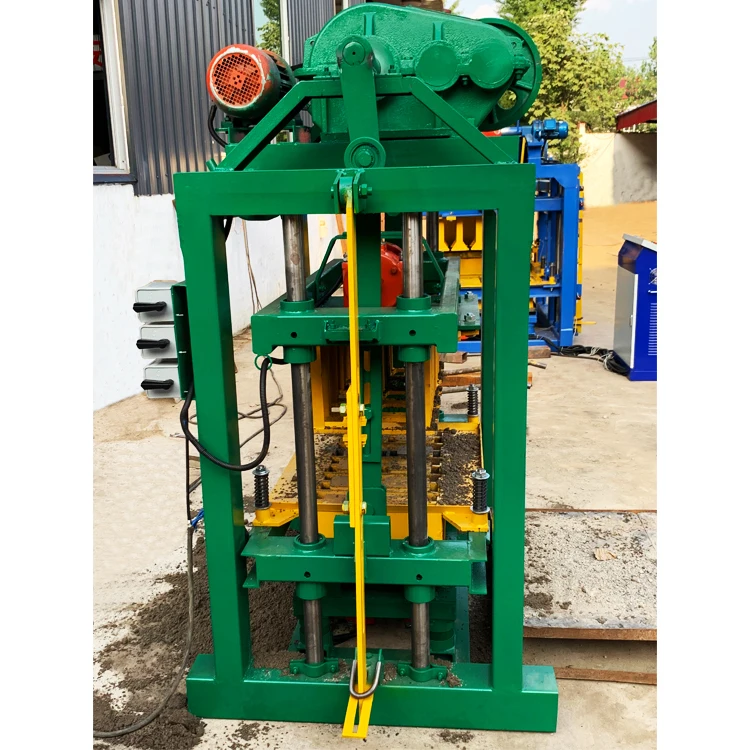
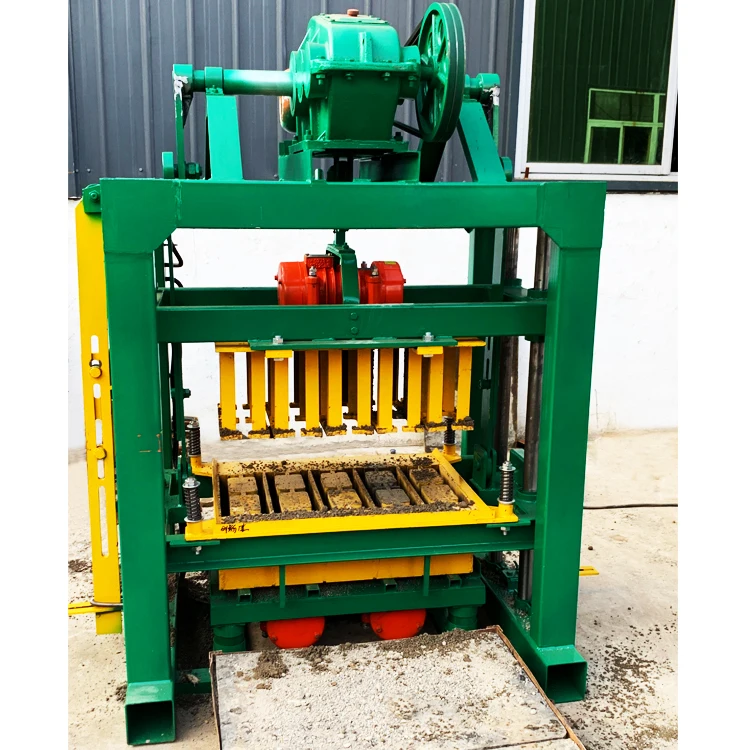
Stocked and ready — the QTJ4-40 block machine in stock fast delivery model ships from our Linyi warehouse with standard moulds and pallets matched to your curing area before the container is booked.
Technical Specifications
| Parameter | Value |
|---|---|
| Model | QTJ4-40 |
| Product Type | Small Scale Manual Block Making Machine |
| Rated Power | 9.5 kW |
| Voltage & Frequency | 380V or configurable to buyer local supply |
| Control System | Manual / semi-automatic operation with vibration motor |
| Overall Dimensions (L×W×H) | 1350 × 1460 × 1800 mm |
| Net Weight | 1 T |
| Pallet Size | 850 × 450 × 40 mm |
| Mould Format | 400 × 200 × 200 mm (4 pcs/mould); 400 × 240 × 200 mm (3 pcs/mould) |
| Cycle Time | 40 s (basis not stated in source — confirm block format) |
| Output Capacity | 4 pcs per cycle for 400×200×200 mm block; 3 pcs per cycle for 400×240×200 mm block (basis to be confirmed) |
| Vibration Frequency | 2800 r/min |
| Motor | German Siemens motor (source value — verify against manufacturer catalog) |
| Automation Level | Semi-automatic / manual pallet handling |
| Stacking Method | Manual |
| Required Factory Area | 200 m² |
| Operators Required | 3–5 workers |
| Warranty | 1 year |
| Color Options | Red or optional |
Application Suitability
| Application | Material or Output |
|---|---|
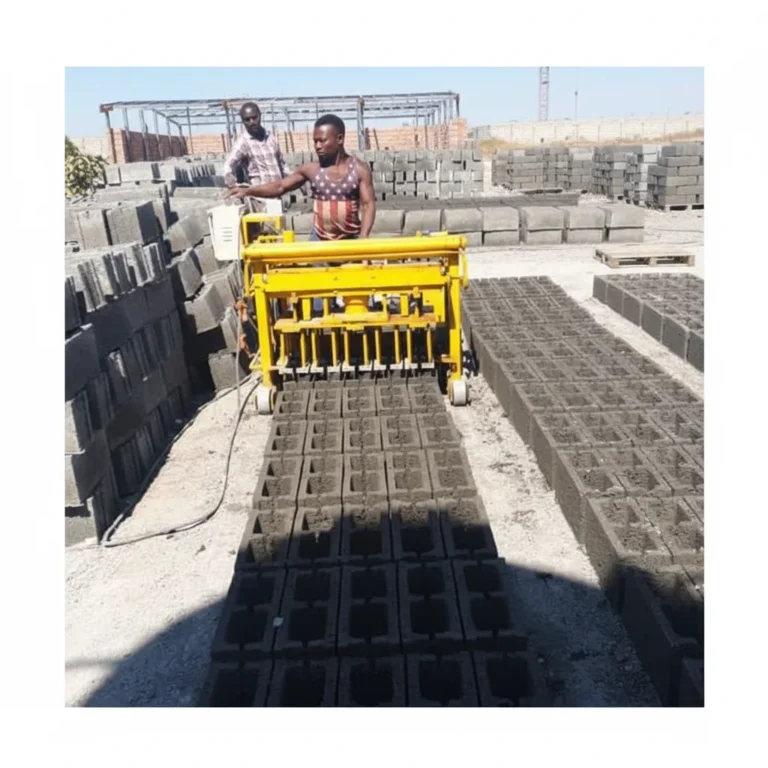
| Small-scale hollow block production | Crushed stone, sand, cement and water mix |
| Interlocking brick production for housing projects | Laterite, quarry dust and cement blend |
| On-site solid block manufacturing | Locally sourced aggregate with Portland cement |
| First plant setup for entrepreneurs | Standard concrete mix with river sand or manufactured sand |
| Paver and kerbstone short runs | Fine aggregate and cement with pigment additive |
Why "In Stock" Should Mean More Than a Warehouse Label
A machine sitting in a yard is not ready for your project until pallet size, voltage and mould format are confirmed against your actual site.
Every season I watch buyers rush an order because the project clock is ticking, only to discover after arrival that the pallets do not fit their curing racks, or the motor is wired for a frequency their grid does not supply. The QTJ4-40 block machine in stock fast delivery promise only holds if the pre-shipment checklist covers your specific conditions. [NEED_CITE: common causes of commissioning delays in exported machinery]
Dispatch Speed Without the Usual Gaps
When a buyer asks for a QTJ4-40 block machine in stock fast delivery, the first thing I confirm is the exact mould format they need on day one. The 850 × 450 × 40 mm pallet is standard, but curing rack spacing and forklift tine width vary from site to site. If those do not align, the machine might arrive on schedule and still sit idle while pallets are re-sourced locally.
Container Loading That Survives the Ocean Leg
The QTJ4-40 ships fully assembled or partially dismantled depending on container choice. At 1350 × 1460 × 1800 mm and 1 T net weight, the unit fits a 20-foot container with room for spare moulds and an initial pallet bundle. We photograph every tie-down point and share the loading plan before the doors close, so there are no surprises when the container opens at destination. [NEED_CITE: container loading best practices for heavy machinery]
Reading the Spec Sheet Against Your Site Conditions
The 9.5 kW rated power and 2800 r/min vibration frequency define what this press can compact. Higher vibration frequency generally improves block density with fine aggregates, while coarser mixes rely more on the static weight and mould confinement. The 40-second cycle time is quoted without a specified block format, so actual hourly output must be recalculated once your target block dimensions and shift length are fixed. The Siemens motor (source value — verify against manufacturer catalog) provides consistent torque across the vibration range, which matters when you are running back-to-back shifts in hot climates where motor cooling becomes a factor.
What Happens When Dispatch Details Are Skipped
A contractor in West Africa once received a small block press on time, only to spend the first week hand-carrying blocks because the supplied pallets were 30 mm too wide for his curing shelves. The machine itself was fine; the mismatch cost him an entire week of production and strained his crew. That kind of oversight is what the pre-shipment checklist is built to prevent. [NEED_CITE: impact of pallet and curing mismatch on block plant startup]
Why Sourcing Here Reduces Arrival-Day Friction
Block machinery is our single focus, so the press, mould, pallet and handling gear are specified together rather than assembled from separate suppliers. Every QTJ4-40 block machine in stock fast delivery order is configured against the buyer’s local aggregate and target block format before it leaves the floor. Mould design covers the formats your market actually buys, and custom drawings are accepted. Voltage, frequency and control language are confirmed before production, not after the crate is built. Factory test records, packing photographs and customs documentation are issued as a standard package, not as an afterthought.
Documentation & Verification
- Factory test record run on your specified block format before dispatch
- Machine specification sheet with confirmed voltage and frequency
- Mould drawing and format list matching your order
- Pallet specification matched to your curing rack dimensions
- Packing photographs taken during container loading
- Customs documentation support for your import port
Installation, Commissioning & Support
- 200 m² minimum area required with level concrete floor for stable vibration transfer
- 380V three-phase supply or confirmed local voltage with dedicated circuit breaker
- Partially dismantled state for container loading with reassembly guide included
- First-run parameter setting on your local aggregate and cement mix
- On-site operator training covering mould change and daily maintenance routines
- Wear parts and mould list provided with reorder lead times noted
Getting the Right Configuration on the First Inquiry
To lock down the QTJ4-40 block machine in stock fast delivery timeline, share your target block format and daily output goal, the aggregate and cement available locally, your workshop dimensions and curing yard layout, and your site voltage and frequency. If you already have forklifts or curing racks, send the pallet dimensions those are built around. That lets us quote a dispatch date and an arrival estimate you can plan against.
Frequently Asked Questions
Q: Is the QTJ4-40 currently in stock, and how many days from order to container loading?
A: The QTJ4-40 is maintained as a stocked model with standard moulds available. Once voltage, pallet size and mould format are confirmed against your site, the dispatch lead time is quoted in writing before you commit. Container loading typically follows within a short window after factory testing is complete.
Q: Does the machine ship fully assembled, and how many units fit a 20-foot container?
A: The unit ships partially dismantled to fit container dimensions and reduce transit damage risk. At 1350 × 1460 × 1800 mm and 1 T, one QTJ4-40 fits a 20-foot container along with spare moulds and an initial pallet bundle. Reassembly at site is straightforward with the included guide.
Q: Can the voltage and frequency be customized to my local grid, and will that affect lead time?
A: Voltage is configurable to your local supply standard, confirmed before production. Standard configurations ship from stock without delay; non-standard voltage or frequency may require a short additional lead for motor and wiring adjustment, which is quoted upfront.
Q: Which mould formats are available from stock, and what is the lead time for custom moulds?
A: Standard stock moulds include 400 × 200 × 200 mm and 400 × 240 × 200 mm formats. Custom moulds built to your drawings carry a separate lead time that is confirmed at inquiry stage. Mould change on the QTJ4-40 is manual and should be factored into your shift planning.
Q: How are installation and operator training handled after the machine arrives?
A: Installation support and operator training are available on site, covering first-run parameter setting, mould change procedure and daily maintenance. Wear parts and mould reorder lists are provided so you can plan replenishment before your first replacement is due.