Description
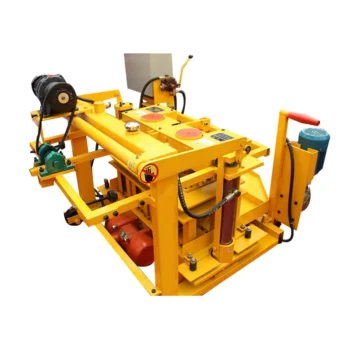
Configuration Set Against Site Conditions — Every QMY4-30 mobile egg-laying block machine dispatched from our yard has its voltage, frequency, and plug type verified against the buyer’s local grid before the crate is sealed, preventing the three-week electrical delay I once watched a project endure in West Africa.
Technical Specifications
| Parameter | Value |
|---|---|
| Model | QMY4-30 |
| Product Type | Mobile Egg-Laying Concrete Block Making Machine |
| Overall Dimensions (L×W×H) | 1300 × 1500 × 1000 mm |
| Net Weight | 950 – 1000 kg |
| Vibration Method | Mold Vibration |
| Exciting Power | 28.6 KN |
| Excitation Frequency | 4500 r/min |
| Total Power | 5.95 kW |
| Output Capacity | 3000 pcs/day (basis not stated in source — confirm block format, material, and thickness) |
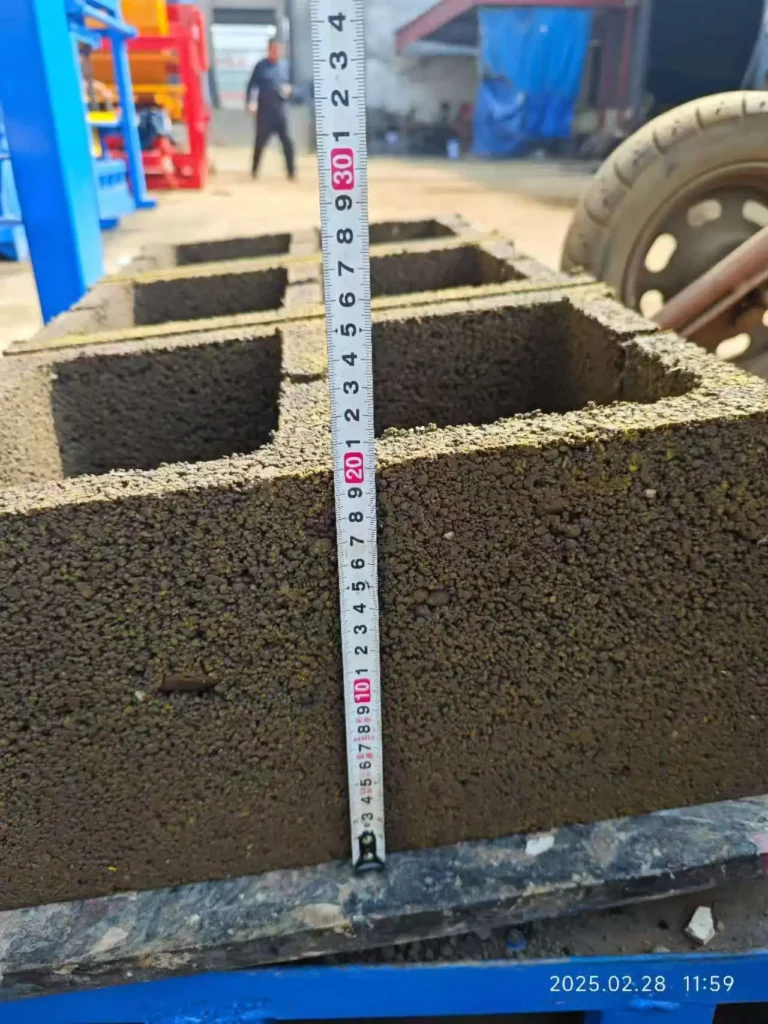
| Raw Material Compatibility | Concrete, fly ash, cinder, coal gangue, industrial waste residue, river sand, gravel, cement |
| Voltage & Frequency | 380V ±10% (verify against destination site supply) |
| Automation Level | Manual mobile / egg-laying |
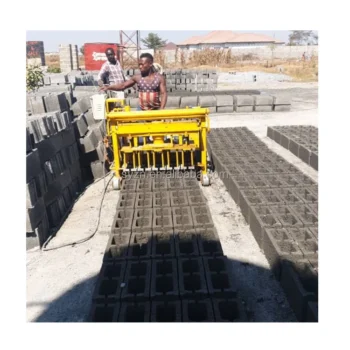
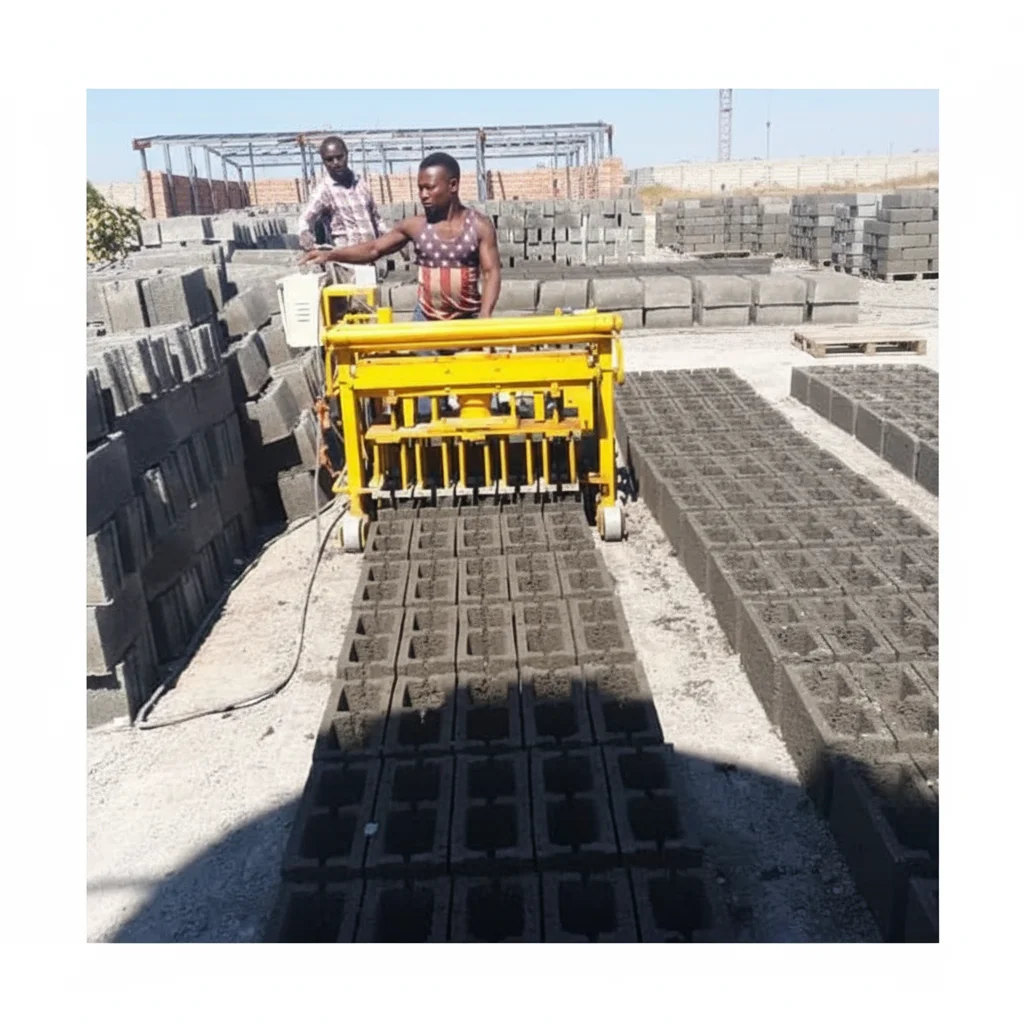
| Pallet Requirement | None — blocks laid directly on ground |
| Stacking Method | Manual |
Application Suitability
| Application | Material or Output |
|---|---|
| On-site hollow block production for housing projects | Crushed stone, river sand, and cement mixes |
| Remote rural block supply without fixed plant | Fly ash, cinder, and local aggregate blends |
| Contractor self-production at infrastructure job sites | Gravel and cement with industrial waste residue |
| First-operation entrepreneur block yard | Coal gangue or sand-based concrete mixes |
Why the Voltage Question Must Come Before the Container Booking
Confirming your site voltage and frequency before dispatch prevents a mobile block machine in stock from sitting idle on arrival.
I once loaded a QMY4-30 for a West African housing contractor who needed blocks poured before the rainy season. The machine shipped on schedule, arrived at the port, and then sat for three weeks because the local grid ran 220V three-phase while the motor was wound for 380V. The project team had to rewire the site distribution board while cement bags hardened in a warehouse [NEED_CITE: voltage and frequency standards by export market]. That delay had nothing to do with the machine and everything to do with skipping a two-minute confirmation call. Now every mobile egg-laying unit I schedule for dispatch goes through a voltage-and-frequency check against the buyer’s written supply spec before the electrician team signs off on the nameplate.
Dispatch Lead Time and What "In Stock" Actually Means
When we list the QMY4-30 as a mobile block machine in stock, it means the unit is assembled, run through a no-load vibration test on the factory floor, and staged in the shipping yard with its export cradle already bolted on. Dispatch lead time from stock typically covers the days needed for final voltage verification, customs documentation preparation, and container booking at the nearest port. For buyers racing a project mobilization deadline, this is the gap between ordering and seeing the machine on a vessel.
Container Loading and Arrival Estimation
The QMY4-30 measures 1300 × 1500 × 1000 mm, which allows it to fit inside a standard 20-foot container with room left for a mould crate and spare vibration springs. Before loading, the handle bars and vibration motor guard are unbolted and wrapped separately so the main frame slides into the container on a pallet jack. Once the booking confirmation comes back from the shipping line, an arrival estimate to the destination port is provided upfront so the buyer can line up site clearance and an electrician for the same week the container is released [NEED_CITE: typical ocean freight transit windows to Sub-Saharan and Southeast Asian ports].
Reading the Vibration and Power Numbers
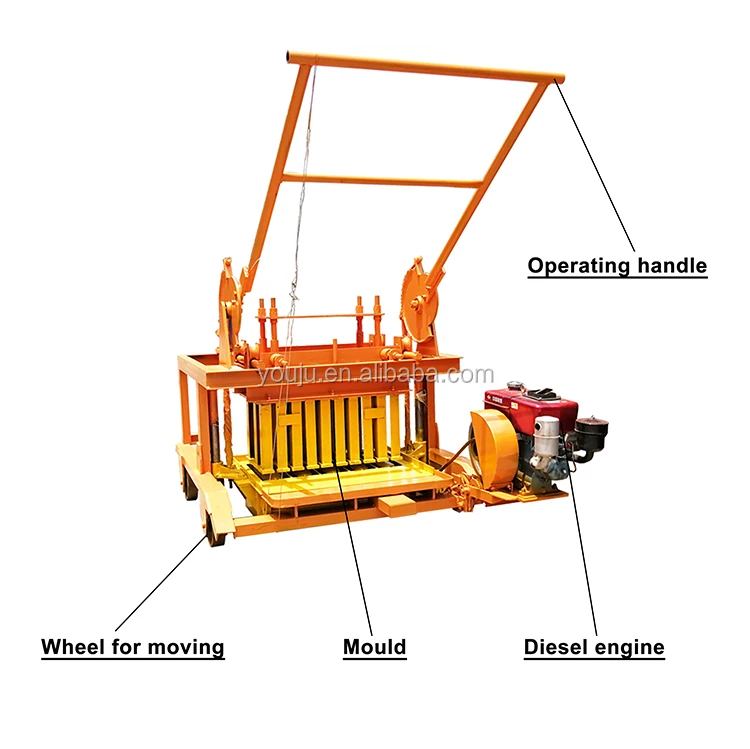
The 28.6 KN exciting force delivered at 4500 r/min through the mold body is what compacts the concrete mix into a dense block before the machine rolls forward. In egg-laying operation, there is no pallet to absorb vibration energy, so all of that force transfers directly into the fresh block sitting on the ground — making mix consistency critical. The 5.95 kW total power draw means a small diesel generator can run the QMY4-30 on a remote site where grid power has not yet been connected, keeping the machine independent of infrastructure readiness. Because blocks cure in place where they are laid, the contractor controls spacing and layout without investing in curing racks or pallet inventory.
What Happens When Stock Speed Outruns Site Preparation
Fast delivery solves the procurement bottleneck but creates a new one if the ground is not ready. An egg-laying machine needs a flat, compacted surface to produce blocks with uniform height — uneven ground causes one side of every block to crumble before it cures. I have seen contractors rush a QMY4-30 onto a job site with soft backfill still settling, only to produce two days of reject output before realizing the sub-grade needed a gravel base. Site leveling, a water source for mix preparation, and a covered cement store are prerequisites that must be in place before the machine comes out of the container [NEED_CITE: ground preparation standards for mobile concrete block production].
Why Sourcing the QMY4-30 Through This Channel
Block machinery is the only product line here, so the QMY4-30 is specified alongside its mould options, pallet-free operation requirements, and handling workflow as one matched system rather than a standalone press. Each unit is configured against the buyer’s actual aggregate type and target block format before it leaves the yard. Mould design and supply for the formats the buyer’s local market sells are included, and custom drawings can be accommodated. The automation level stays manual-mobile by design, so operators start producing on day one without PLC training. Installation support and operator guidance are part of the dispatch package, along with a wear parts list so the first replacement cycle does not become a second emergency order.
Documentation & Verification
- Voltage and frequency confirmation sheet matched to your site supply before dispatch
- Factory no-load vibration test record for the specific QMY4-30 unit shipped
- Mould drawing and block format list showing compatible dimensions
- Container loading photograph set documenting crate condition at sealing
- Customs export documentation package prepared with HS code and origin certificate
- Operation manual covering start-up sequence, mix ratio guidance, and daily maintenance
Installation, Commissioning & Support
- Flat compacted ground required; the 1300 × 1500 mm footprint needs a leveled gravel or concrete pad
- 5.95 kW total draw requires a dedicated 380V three-phase circuit or rated diesel generator
- Handle bars and motor guard re-bolt on site after container unloading, no welding needed
- First production run supervised remotely with mix consistency and block density checks
- Operator guidance covers mold change procedure, vibration timing, and daily bolt torque inspection
- Wear parts list with vibration springs and mold liner reorder codes provided at handover
What to Send With Your Inquiry
Tell us the block format your market sells most — hollow, solid, or paving — along with the daily volume you need to hit and the aggregate available within trucking distance of your site. Include your site voltage, phase, and frequency so the motor and wiring can be confirmed before the unit is loaded. If you have a project mobilization date, state it so the dispatch schedule and container booking can be aligned to that deadline.
Frequently Asked Questions
Q: Is the QMY4-30 currently in stock and what is the dispatch lead time?
A: Stock status for the QMY4-30 is confirmed at inquiry because inventory turns with each container booking. When a unit is in the yard, typical preparation time covers voltage verification, export documentation, and container loading within a standard working week. We provide the dispatch date in writing before you commit so it aligns with your project schedule.
Q: How is the machine packed and loaded into a container for shipment?
A: The QMY4-30 fits inside a standard 20-foot container with handle bars and motor guard unbolted for compact stowage. An export cradle is bolted to the base frame, and the main unit slides in on a pallet jack. Remaining container space can hold a mould crate and spare vibration springs, photographed before the doors are sealed.
Q: What is the estimated arrival time at my destination port?
A: Arrival time depends on the destination port and the shipping line’s sailing schedule at the time of booking. Once the container is released to the carrier, a transit estimate is provided so you can arrange customs clearance and site readiness for the same week the container becomes available.
Q: What voltage does the machine require and can it be confirmed before shipping?
A: The standard configuration is 380V ±10%, three-phase. Before dispatch, we ask for your site supply specification and verify the motor winding and nameplate against it. If your grid differs, the motor is swapped or re-wound before the machine leaves the factory so it runs on arrival without waiting for an electrician.
Q: What block formats can the QMY4-30 produce and what is the realistic daily output per format?
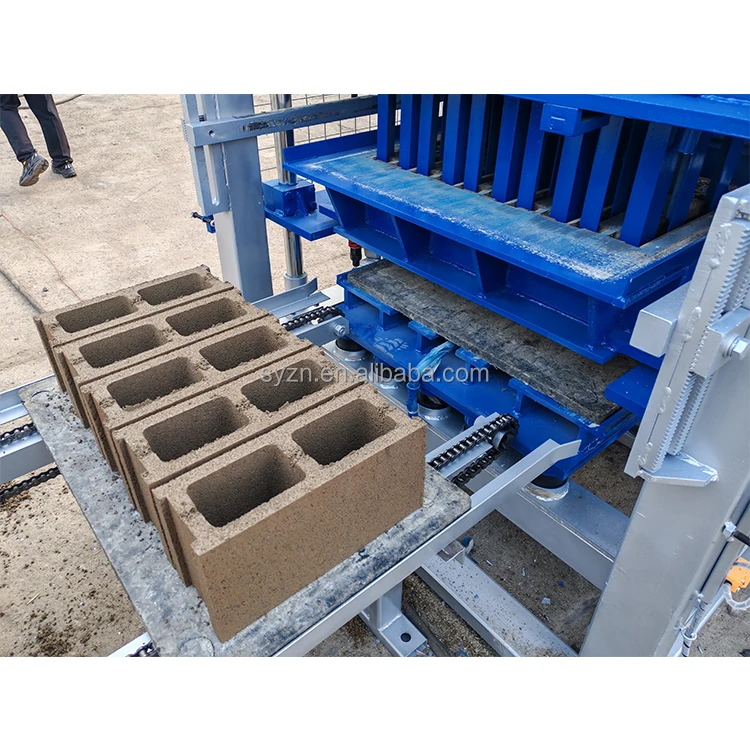
A: The QMY4-30 can produce hollow, solid, and paving blocks depending on the mould fitted. Daily output varies with block format, wall thickness, and mix design — the quoted figure in our specification sheet states the assumed format and conditions. Confirm your target block size at inquiry so we provide a format-specific capacity calculation.