Description
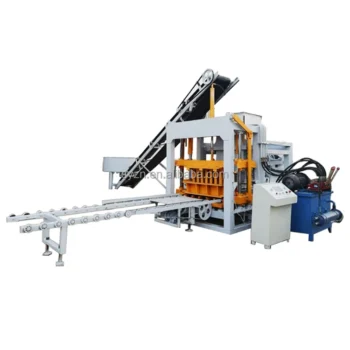
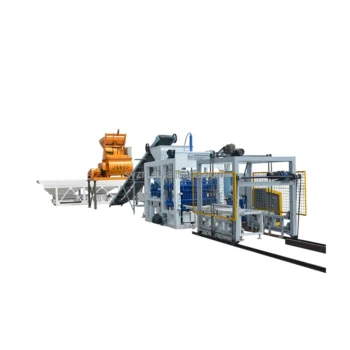
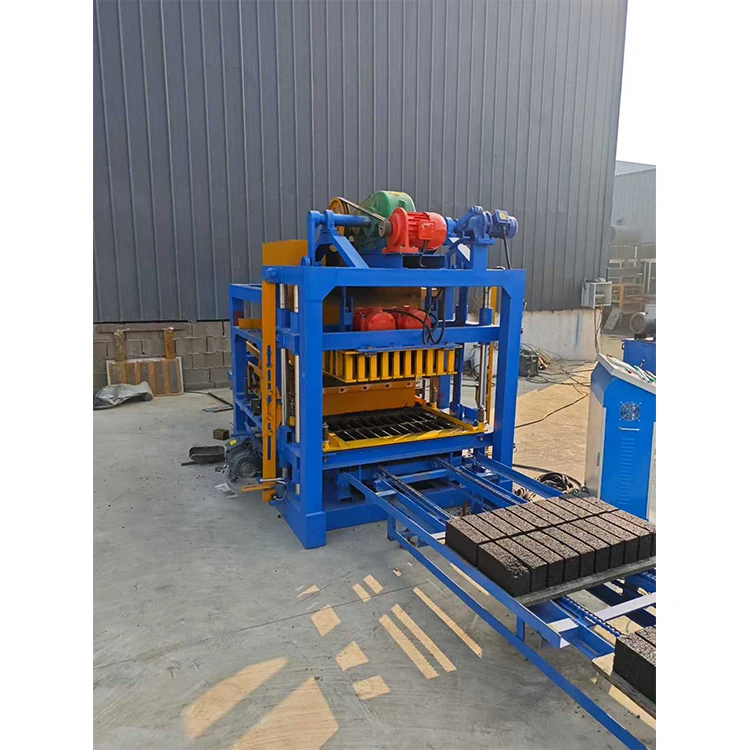
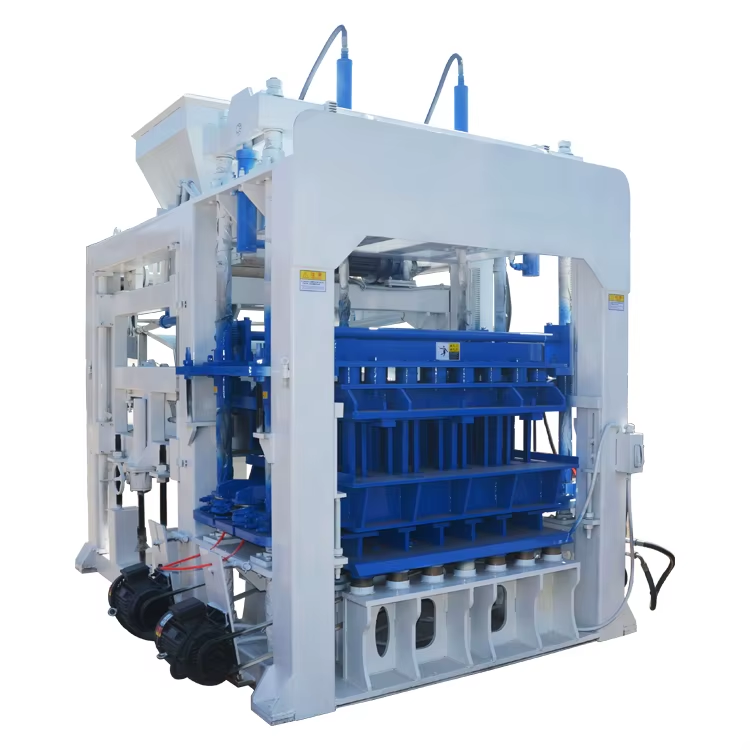
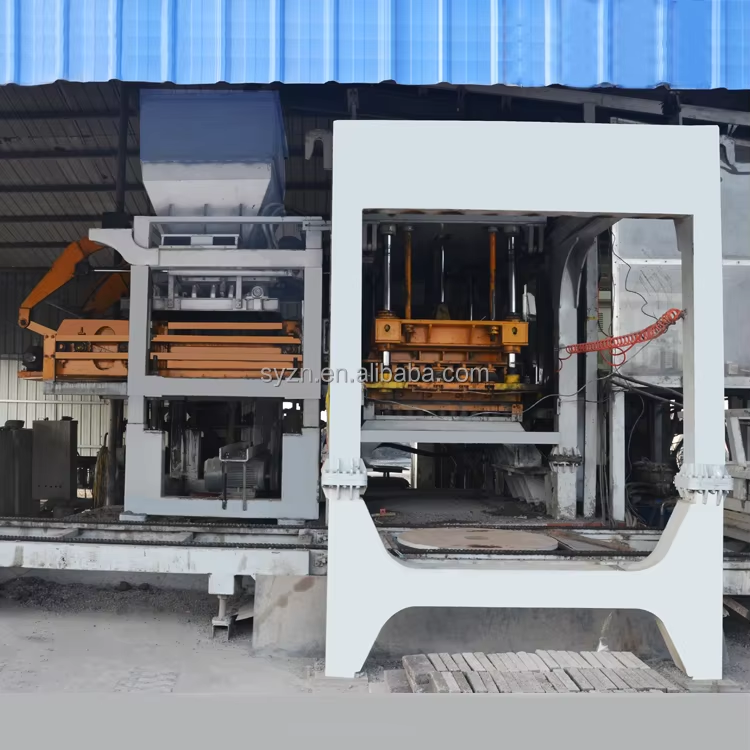
Rapid Dispatch Readiness — The QT18-15 block making machine in stock is pre-staged for immediate dismantling and container loading, securing your project timeline.
Technical Specifications
| Parameter | Value |
|---|---|
| Product Type | Fully Automatic Block Production Line |
| Model | QT18-15 |
| Production Capacity | 800 to 12000 pcs/8hours (basis not stated in source — confirm block format) |
| Method | Hydraulic pressure |
| Vibration Frequency | 2800-4500 R/min |
| Vibration Type | Platform vibration |
| Molding Cycle | 15-25s |
| Pallet Size | 1350x1350x120mm |
| Dimension (LWH) | 935023202950mm |
| Weight | 20 ton |
| Core Components | PLC |
| Voltage | Client Local Voltage |
Application Suitability
| Application | Material or Output |
|---|---|
| Housing Project Contracting | Hollow blocks from local crushed stone and cement |
| Commercial Paving Works | Interlocking pavers and curbstone blocks |
| Rapid Infrastructure Expansion | High-volume standard masonry units |
Why Arrival Estimates Matter More Than Catalog Promises
When project deadlines tighten, waiting for a manufacturing slot is not an option. Securing a QT18-15 block making machine in stock bypasses the production queue and locks in your dispatch schedule.
I have seen contractors face severe penalty clauses because equipment arrival was delayed by factory backlogs. Relying on standard lead times without verifying physical availability often leads to missed construction windows [NEED_CITE: standard construction delay penalty clauses]. Knowing the exact dismantling and loading plan before payment ensures the equipment reaches your port when your foundation is ready.
Container Loading and Dismantling Logistics
Moving a 20-ton mainframe with a 9350mm footprint requires precise spatial planning for ocean freight. The QT18-15 block making machine in stock is evaluated for optimal container placement, ensuring major structural components are secured without exceeding standard shipping dimensions. Proper dismantling sequencing prevents damage during transit and speeds up on-site reassembly.
Port Arrival and Site Readiness Alignment
Coordinating the vessel arrival with your local customs clearance and crane availability prevents costly demurrage charges. We provide upfront arrival estimates based on the dispatch date, allowing your ground team to prepare the concrete foundation and power connections [NEED_CITE: industrial equipment import customs procedures]. This logistical foresight is critical for keeping the installation phase on track.
Interpreting the Physical and Operational Specs
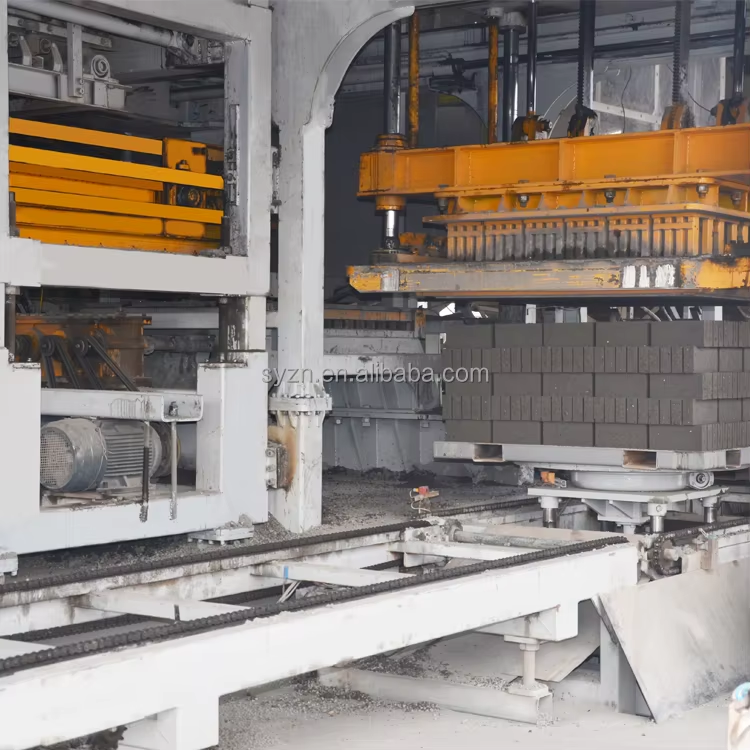
The 15-25s molding cycle and platform vibration system dictate the continuous output rhythm of the line. A 2800-4500 R/min vibration frequency, combined with hydraulic pressure, ensures proper material compaction across different mold formats. The 1350x1350x120mm pallet size must be cross-referenced with your existing curing area dimensions and forklift capacity to avoid handling bottlenecks. Furthermore, confirming the PLC interface language and client local voltage before dispatch prevents electrical incompatibilities and operational confusion upon first power-up.
The Hidden Costs of Unverified Dispatch Timelines
Committing to a machine that is not physically ready for shipment disrupts the entire supply chain. Delays in equipment arrival force you to pay idle labor costs while your site crew waits for the press to be installed. Missing a specific dry-season construction window due to logistical hold-ups can push project completion into unfavorable weather conditions, compromising structural curing and overall build quality [NEED_CITE: construction scheduling and weather impacts].
Why Source This Equipment Through Our Stock Channel
We focus exclusively on block machinery, meaning the press, pallets, and handling systems are verified as a matched set before dispatch. Our stock inventory allows us to confirm physical availability rather than quoting theoretical production slots. We provide detailed container loading plans and dismantling instructions tailored to the specific dimensions of this line. Every unit undergoes rigorous factory testing to ensure mechanical integrity before it is cleared for shipment. Our documentation process includes verifying voltage and control language requirements to match your destination market.
Documentation & Verification
- Factory test record confirming hydraulic and vibration performance before dismantling.
- Detailed container loading plan and equipment dismantling checklist for the 20-ton mainframe.
- Voltage and PLC control language confirmation sheet matched to your local grid.
- Video outgoing-inspection demonstrating the 15-25s molding cycle operation.
- Machinery test report validating structural integrity prior to ocean freight.
Installation, Commissioning & Support
- Prepare a reinforced concrete foundation capable of supporting the 935023202950mm footprint and dynamic vibration loads.
- Ensure dedicated electrical circuits match the confirmed client local voltage and frequency for the PLC and hydraulic motors.
- Follow the provided dismantling checklist to sequence the reassembly of the mainframe and platform vibration system.
- Calibrate the hydraulic pressure and 2800-4500 R/min vibration frequency to your specific material density during first power-up.
- Train operators on the PLC interface, focusing on mold change procedures and pallet feeding synchronization.
- Establish a routine inspection schedule for hydraulic seals and vibration motor mounts based on continuous operation hours.
Project Alignment and Inquiry Details
To ensure this available unit meets your immediate site requirements, please specify your target block formats and local raw material characteristics. Provide your facility’s exact voltage and frequency standards so we can verify the electrical configuration before loading. Finally, share your destination port details to receive a precise dispatch lead time and arrival estimate.
Frequently Asked Questions
Q: What is the actual dispatch lead time for this stocked unit?
A: Because this unit is physically available, the dispatch lead time is limited to the days required for final factory testing, dismantling, and container loading. Once these steps are complete, the equipment is handed over to the freight forwarder, and an exact arrival estimate is provided based on the vessel schedule.
Q: How is the machine dismantled for container shipment?
A: The 20-ton mainframe and associated components are systematically dismantled to fit within standard container dimensions. We provide a detailed loading plan and dismantling checklist, ensuring all structural and hydraulic parts are securely braced for ocean transit and easily reassembled at your site.
Q: Are the voltage and PLC language configured for my market?
A: Before the equipment is loaded, we verify your local voltage, frequency, and required PLC display language. The electrical system and control interface are configured or adapted to match these specifications, ensuring the machine is ready for immediate connection upon arrival.
Q: What site preparations are needed before the machine arrives?
A: You must prepare a level, reinforced concrete foundation that accommodates the 935023202950mm footprint and handles dynamic vibration forces. Additionally, ensure the designated curing area and forklifts are compatible with the 1350x1350x120mm pallet size to maintain smooth material flow.
Q: How is the initial commissioning handled after delivery?
A: Once reassembled, the hydraulic pressure and vibration frequency are calibrated to your local materials. Our technical team guides your operators through the PLC controls and the 15-25s molding cycle, ensuring the line runs continuously before the commissioning phase is signed off.