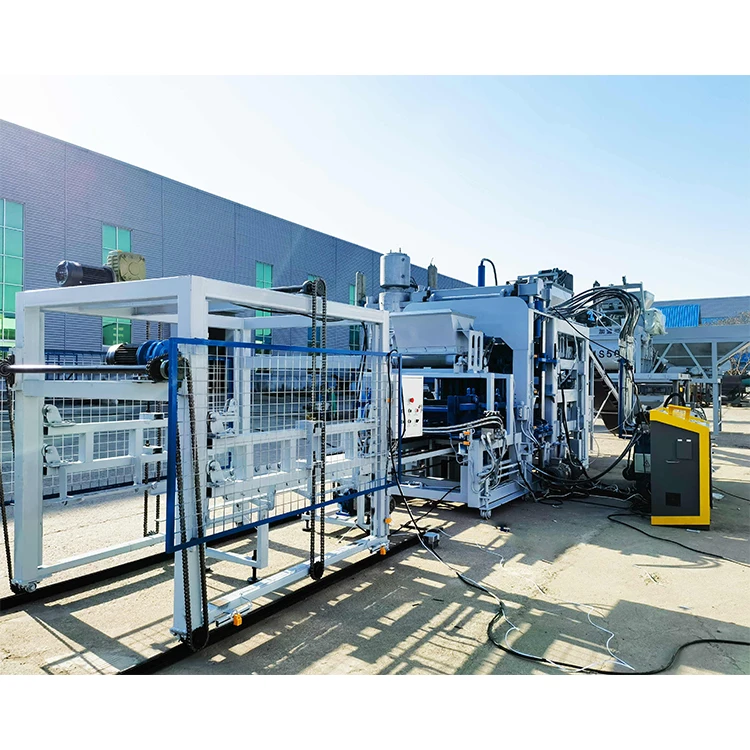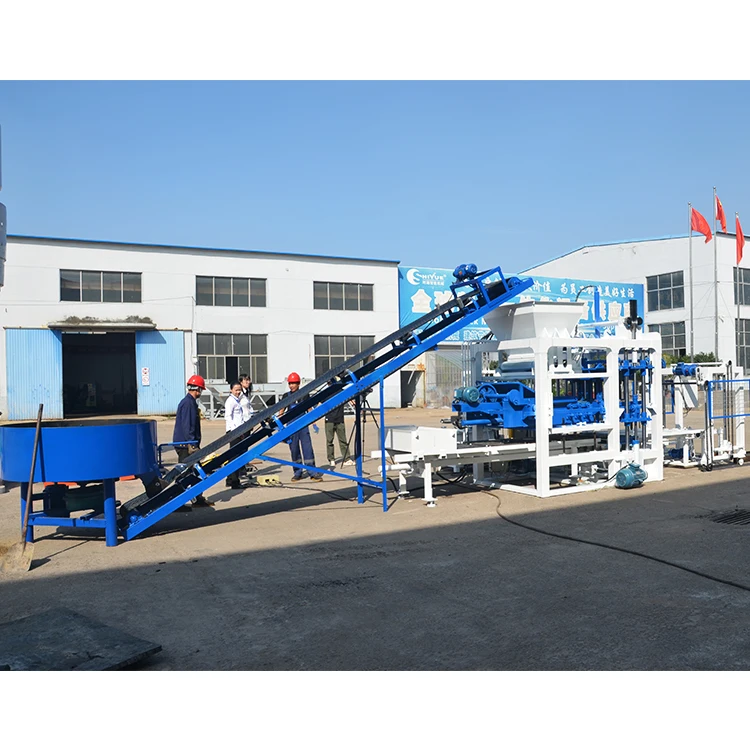
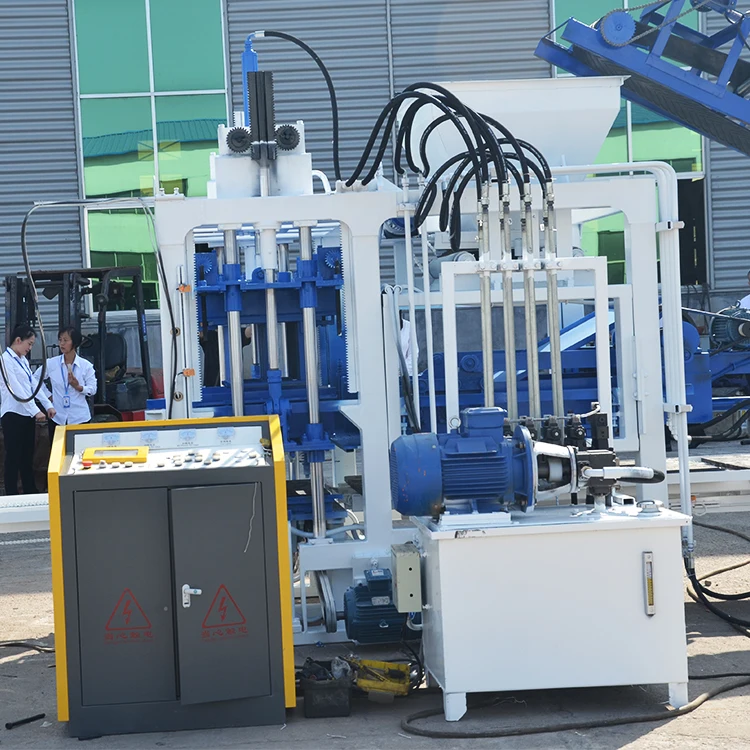
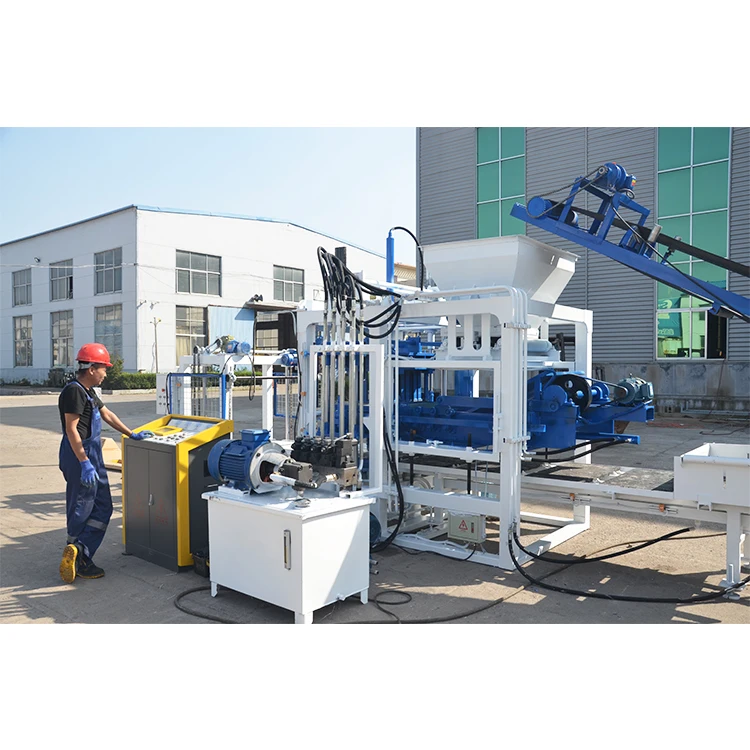
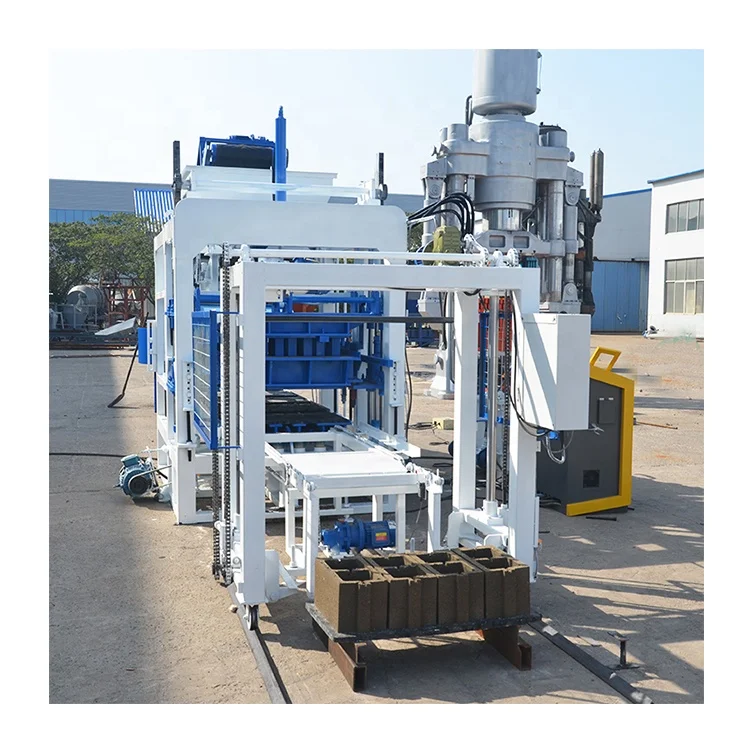
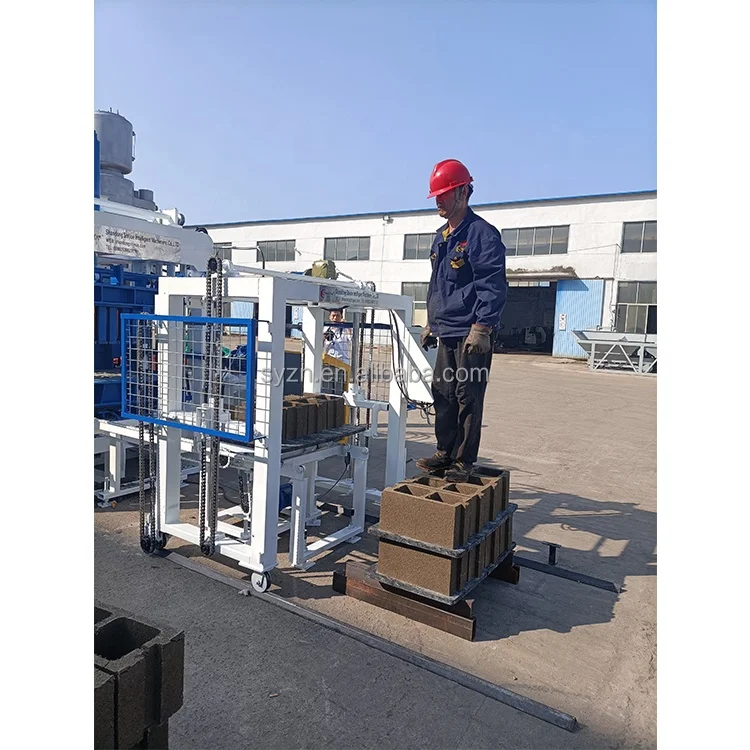

Description
Stocked dispatch window — The QT4-18 moves through a standard production rotation rather than a fully custom build queue, so the gap from order confirmation to container loading is measured in weeks, not months, for buyers who need blocks running before a fixed deadline.
Technical Specifications
| Parameter | Value |
|---|---|
| Model | QT4-18 |
| Product Type | Stationary Hydraulic Concrete Block Making Machine |
| Vibration Frequency | 0-60 Hz (adjustable) |
| Vibration Form | Platform Vibration |
| Vibration Force | 45 kN |
| Pallet Size | 900 × 500 mm |
| Molding Cycle | 18-25 s |
| Demolding Method | Hydraulic |
| Control System | PLC with shaft-operated procedures and out-and-in data device for person-machine conversation |
| Output — Hollow Block 400×200×200 mm | 799 pcs/h, 6,399 pcs/8 hr (basis: 4 pcs/mould, 18 s cycle) |
| Output — Hollow Block 400×150×200 mm | 999 pcs/h, 7,999 pcs/8 hr (basis: 5 pcs/mould, 18 s cycle) |
| Output — Solid Brick 240×115×52 mm | 5,199 pcs/h, 41,599 pcs/8 hr (basis: 26 pcs/mould, 18 s cycle) |
| Automation Level | Automatic (electric and hydraulic system, interlocked procedures) |
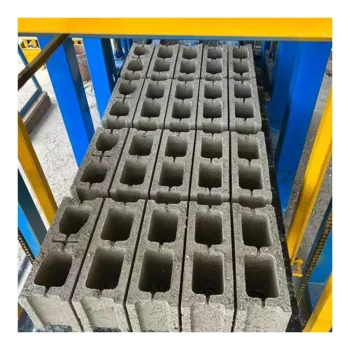
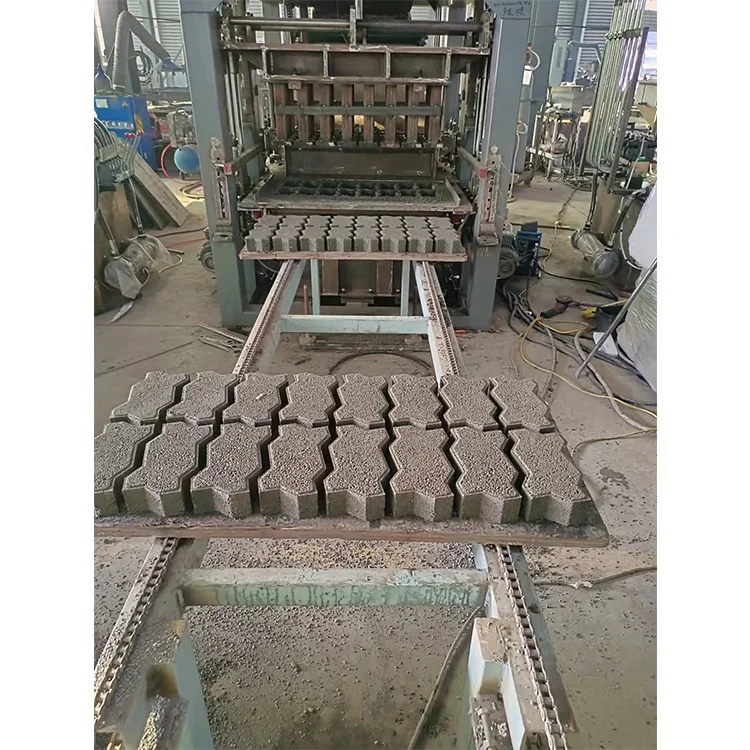
| Block Formats Supported | Hollow, solid, paving, kerbstone, interlocking, porous, color face, sod bricks, multicellular bricks |
| Warranty | 1 year for the whole machine (excluding spare parts) |
Application Suitability
| Application | Material or Output |
|---|---|
| Hollow block production for masonry walls | Crushed stone, sand, cement, water |
| Solid brick manufacturing for load-bearing structures | Gravel aggregate, cement blend |
| Paving block and kerbstone output for road and sidewalk projects | High-density concrete mix with fine aggregate |
| Interlocking and porous brick runs for landscaping | Permeable aggregate gradation |
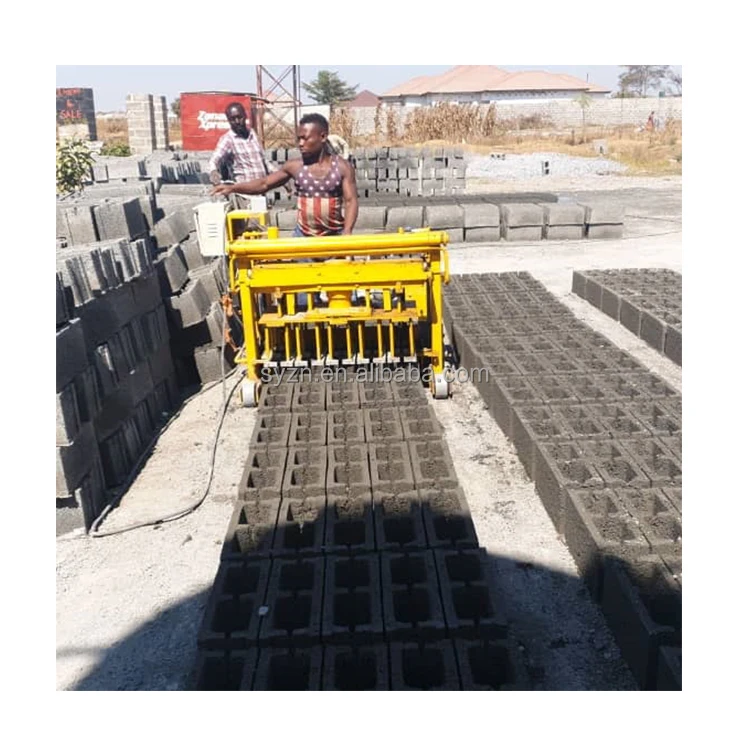
| On-site production for housing developments | Local river gravel or crushed stone with cement |
What "Stocked" Really Means for Your Arrival Date
Confirm the exact dispatch window and container plan in writing before the deposit clears — "in stock" only matters if the voltage, frequency, and PLC language are also confirmed for your site.
Buyers chasing a wet-season start or a handover milestone often discover that a QT4-18 block machine in stock still waits two or three extra weeks because the control panel language was never specified, or the motor winding does not match local 60 Hz grids. I have watched a container sail with the wrong voltage sticker and the buyer spent the first week on-site rewiring instead of commissioning. The fast delivery advantage disappears the moment an electrical mismatch surfaces after arrival [NEED_CITE: voltage and frequency standards by export market].
Dispatch Timing and Container Loading for the QT4-18
The QT4-18 block machine in stock status means the frame, hydraulic station, and vibration platform are already in the production rotation, so the factory does not restart from raw steel. Once the buyer confirms pallet size, voltage, and PLC display language, the remaining steps are final wiring, dry-run test, and dismantling for container loading. This removes the typical multi-week fabrication queue that fully custom lines require.
How Dismantling Affects Your Arrival Timeline
Before the QT4-18 leaves the factory floor, the hydraulic hoses are disconnected, the PLC cabinet is bolted to a separate crate, and the vibration platform is secured on its own skid. Each sub-assembly is photographed and numbered so reassembly on-site follows a clear sequence. A 40-foot high-cube container normally holds the press, a set of standard moulds, and pallets, but the exact load plan depends on the mould count the buyer has chosen. Confirming this plan before dispatch prevents a second shipment that would push commissioning past the project deadline [NEED_CITE: container loading practices for heavy industrial machinery].
Reading the Specs That Actually Matter on Site
Vibration force at 45 kN and platform vibration work together with hydraulic demolding to compact the mix evenly across the 900 × 500 mm pallet. If the local aggregate is rounded river gravel rather than angular crushed stone, the same vibration frequency may need adjustment upward to reach comparable block density. The PLC records cycle counts and allows the operator to adjust the 18-25 s molding window without opening the cabinet, keeping the line moving while the next batch is mixed. Pallet size dictates how many blocks cure per rack, so buyers must verify that 900 × 500 mm pallets match their existing curing area and forklift fork dimensions before the machine ships.
When a Quick Ship Turns Into a Slow Start
Ordering a QT4-18 block machine in stock without confirming the mould format means the machine arrives with a default mould that may not match the block the local market actually buys. Swapping to the correct mould later adds freight cost and idle days while the new tooling crosses the ocean. Likewise, skipping the factory test record leaves the buyer guessing whether the interlocked electric-hydraulic procedures were verified under load, and the first dry run on-site becomes the real acceptance test — with no factory engineer on the phone to interpret an alarm code [NEED_CITE: CE machinery directive requirements for industrial equipment].
Why Buyers Source This Model Through Shiyue
Block machinery is the single focus, so the QT4-18 press, mould, pallet, and handling equipment are specified as one matched system rather than pulled from separate suppliers. Configuration is checked against the buyer’s actual mix design and local aggregate before dispatch, not left as a catalogue default. Standard moulds for hollow, solid, paving, and interlocking formats are kept in the tooling library, reducing the wait for format changes. Automation level is selectable — a buyer can take the QT4-18 with semi-automatic pallet handling today and add the automatic stacker later. Factory test records, packing photographs, and customs documentation are prepared as part of the standard dispatch package.
Documentation & Verification
- Factory test record showing cycle time and block density on the buyer’s chosen format before dispatch
- Pallet specification sheet confirming 900 × 500 mm dimensions, material grade, and load rating
- Voltage, frequency, and PLC display language confirmation signed off before wiring begins
- Mould drawing and format list for every tooling set included in the container
- Packing photographs with crate numbering matched to the reassembly sequence
- Customs documentation package prepared for the destination port
Installation, Commissioning & Support
- Foundation pad must be level within 3 mm across the QT4-18 footprint to keep platform vibration uniform
- Dedicated 3-phase circuit sized to the confirmed motor kW rating with isolator within 2 m of the PLC cabinet
- Hydraulic hoses reconnected using the numbered fitting tags applied during factory dismantling
- First production run supervised remotely or on-site to set the 18-25 s molding cycle against the actual mix
- Operator training covers PLC alarm codes, mould change procedure, and daily vibration platform inspection
- Wear parts list for hydraulic seals and vibration springs included so the first reorder is planned before stock runs out
Next Steps Before You Commit
Send the target block format, daily output requirement, and a sample description of your local aggregate so the mould and vibration settings can be matched before the QT4-18 leaves the factory. Confirm your site voltage, frequency, and preferred PLC display language in the same exchange. State the pallet size you already use in your curing area, or ask for a rack compatibility check against the 900 × 500 mm standard. The sooner these details land, the sooner a realistic dispatch date and container arrival estimate can be written into your project schedule.
Frequently Asked Questions
Q: Is the QT4-18 currently stocked, or made to order — and what is the real dispatch lead time?
A: The QT4-18 is held in a standard production rotation, so the frame and hydraulic station are typically available. Once voltage, frequency, PLC language, and mould format are confirmed, the remaining steps are final wiring, factory test, and dismantling. Buyers should expect a multi-week window from deposit to container loading rather than same-day dispatch.
Q: How is the machine dismantled and loaded into a container, and what arrival timeline should I plan for?
A: The vibration platform, hydraulic station, and PLC cabinet are separated, crated, and numbered for reassembly. A 40-foot high-cube container normally holds the press, moulds, and pallets. Ocean transit time depends on destination port, so buyers should add sea freight days to the factory dispatch date when planning commissioning.
Q: Are voltage, frequency, and control language confirmed before the machine leaves the factory?
A: Yes — these three items must be agreed in writing before wiring begins. Changing motor winding or PLC display language after the QT4-18 has been tested requires rewiring and re-testing, which adds days to the dispatch schedule and risks misalignment on site.
Q: What documentation ships with the machine?
A: The standard package includes a factory test record, pallet specification sheet, mould drawings, packing photographs with crate numbers, voltage and language confirmation, and customs documentation support. CE declaration is supplied where applicable to the destination market.
Q: How quickly are moulds and hydraulic wear parts available when the first replacement is due?
A: Standard mould formats and common hydraulic seals for the QT4-18 are kept in the tooling and parts library. When the first replacement cycle arrives, parts can be dispatched on the next available shipment, and the wear parts list shipped with the machine lets the buyer plan the reorder before stock runs low.