


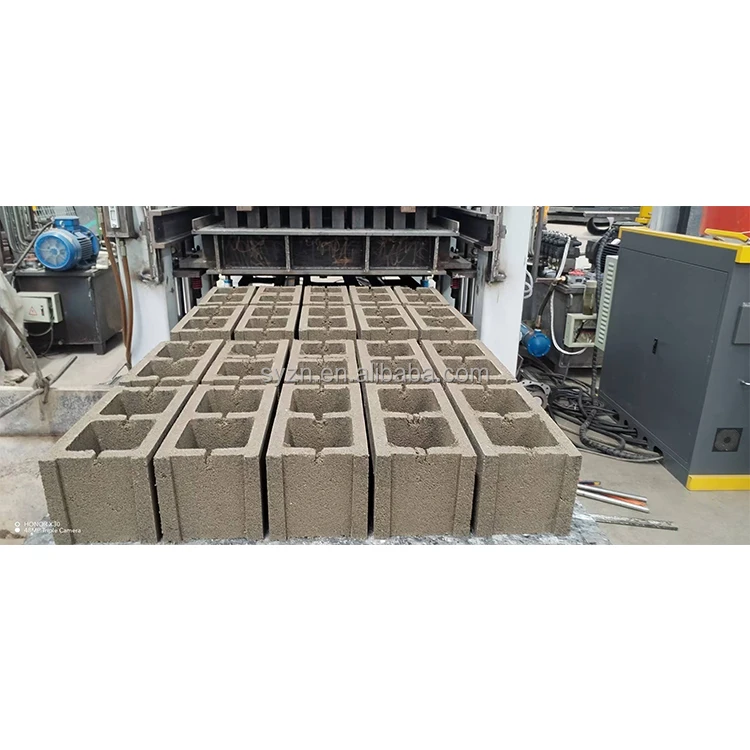
Description
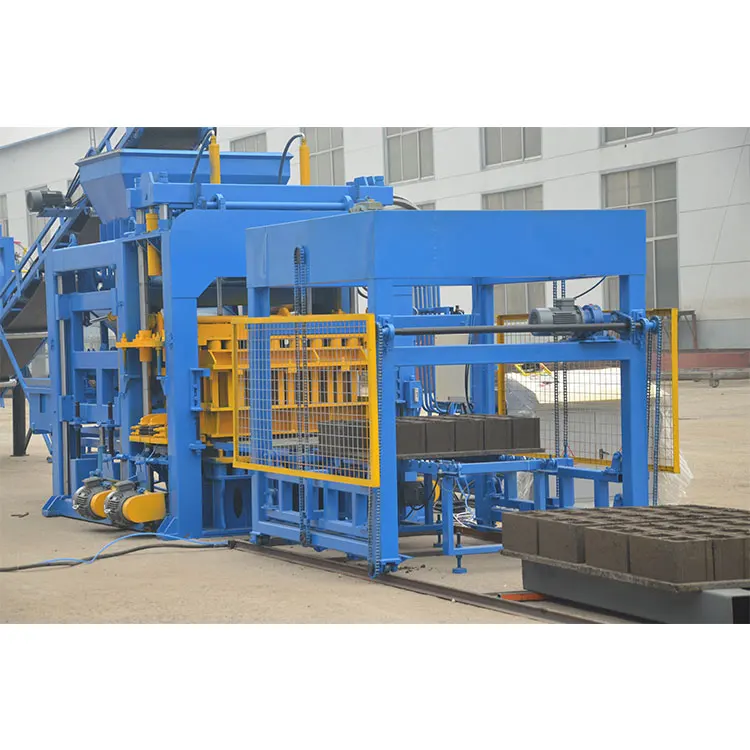
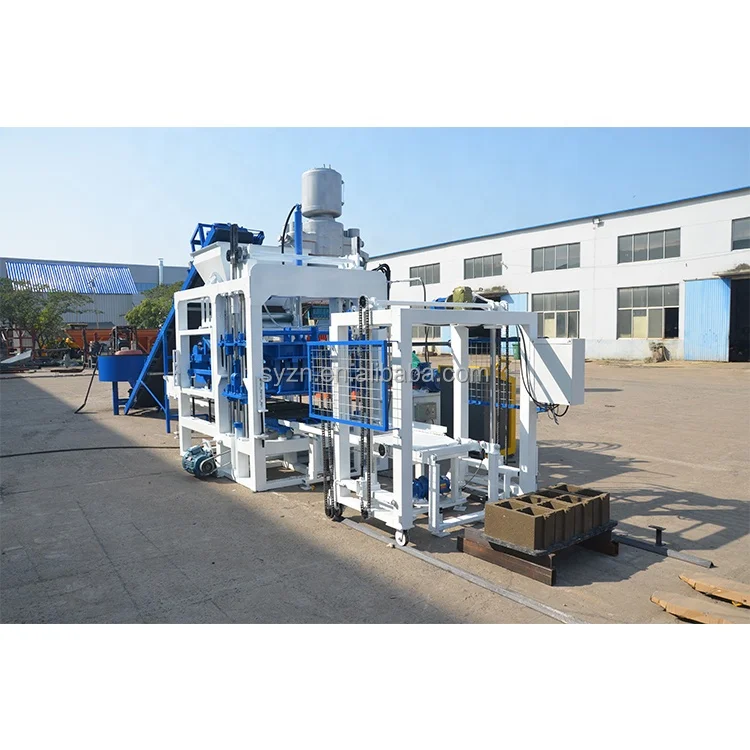
Stocked readiness — QT10-15 automatic cement block making machine units held in inventory with standard moulds and matched line components, allowing dispatch within days rather than months for time-sensitive project schedules.
Technical Specifications
| Parameter | Value |
|---|---|
| Product Type | Automatic Cement Block Making Machine |
| Model | QT10-15 |
| Control System | PLC control cabinet |
| Hydraulic System | Independent integrated hydraulic station |
| Vibration Mode | Vertical station mode resonance, automatic FM-AM |
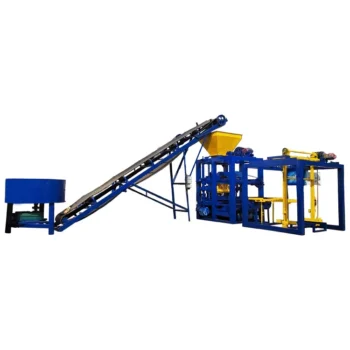
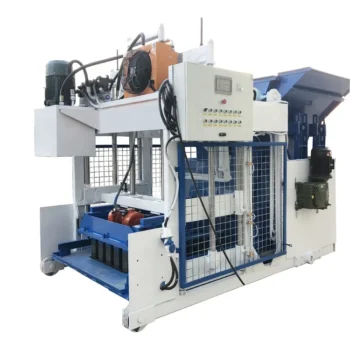
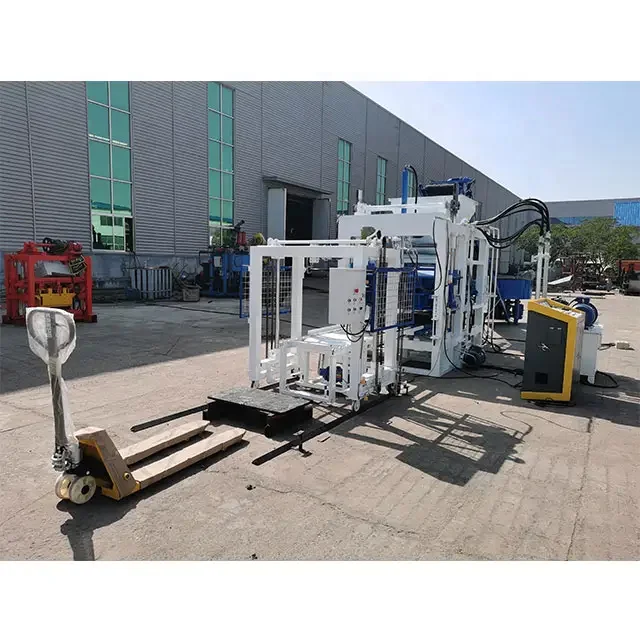
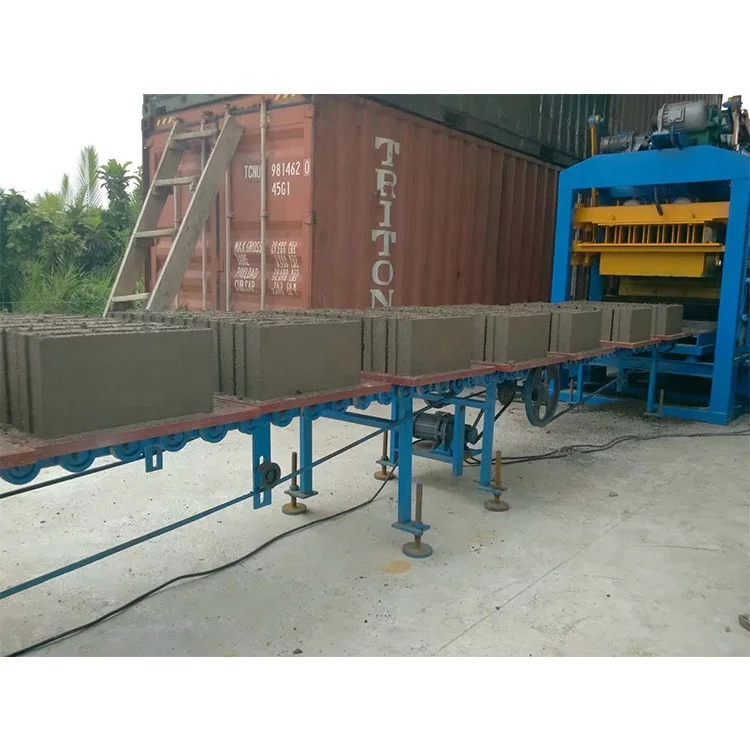
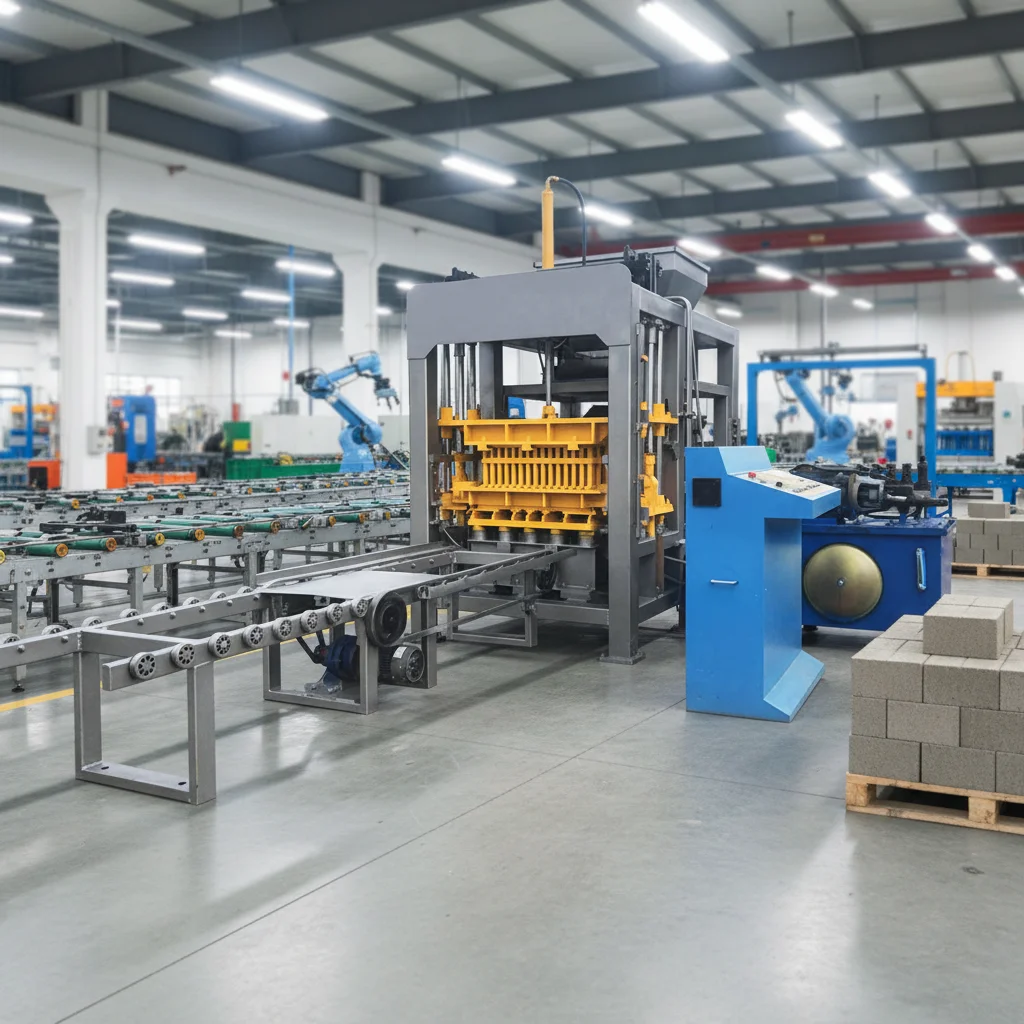
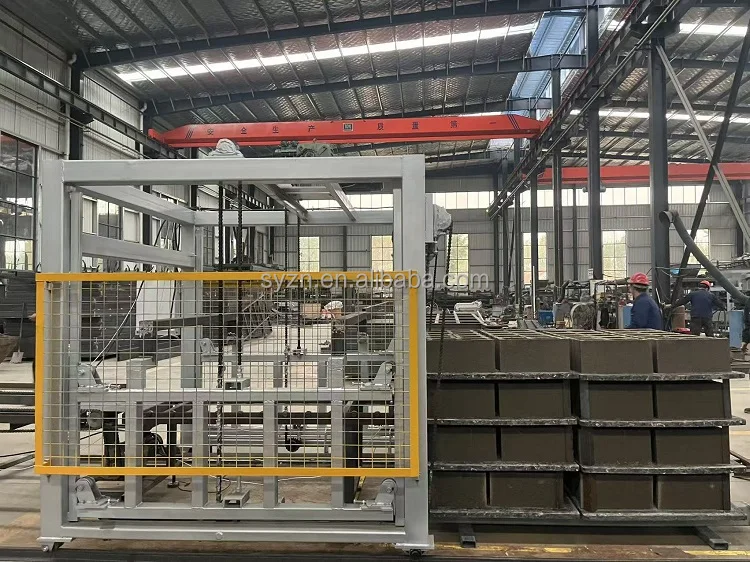
| Components Included | Pallet feed machine, block making machine, storage hopper, conveyor, hydraulic unit, PLC control cabinet |
| Mould Change | Simple replacement of mould for multi-format production |
| Output Capacity (400×200×200mm Hollow Block) | 1800–2400 pcs/hour (basis: 10 pcs/mould, 15–20s cycle) |
| Output Capacity (400×150×200mm Block) | 2160–2880 pcs/hour (basis: 12 pcs/mould, 15–20s cycle) |
| Output Capacity (240×115×53mm Standard Brick) | 8928–11160 pcs/hour (basis: 62 pcs/mould, 15–20s cycle) |
| Output Capacity (200×100×60mm Paving Block) | 5184–6480 pcs/hour (basis: 27 pcs/mould, 20–25s cycle) |
| Output Capacity (225×112.5×60mm Interlocking Block) | 4032–5040 pcs/hour (basis: 24 pcs/mould, 20–25s cycle) |
| Cycle Time (400×200×200mm Hollow Block) | 15–20 seconds |
| Cycle Time (200×100×60mm Paving Block) | 20–25 seconds |
| Automation Level | Automatic (PLC controlled) |
| Warranty | 1 year for whole machine (excluding spare parts) |
| Voltage & Frequency | (basis not stated in source — to be confirmed per destination market) |
| Rated Power | (basis not stated in source — to be confirmed per block format and material) |
| Pallet Size | (basis not stated in source — to be confirmed with curing area and handling equipment) |
Application Suitability
| Application | Material or Output |
|---|---|
| Hollow block production for housing projects | Crushed stone, sand, cement and water mix with local aggregate |
| Paving block manufacturing for roads and walkways | Fine aggregate and cement blend, high-density vibration compaction |
| Standard solid brick production for masonry walls | Cement, sand and stone dust mixture |
| Interlocking block production for retaining structures | Graded aggregate with cement binder |
| Multi-cellular brick production for lightweight walls | Lightweight aggregate or fly ash blended with cement |
Dispatch Timing Is the Real Quotation — Why a QT10-15 Block Machine in Stock Fast Delivery Matters
A machine with no confirmed ship date is a liability on your construction schedule, not an asset.
When a contractor wins a housing tender with a fixed phase-start date, the block machine must arrive before the foundation crew finishes. I have watched project managers lose sleep over a QT10-15 that was quoted at an attractive price but had an unconfirmed production slot. By the time the container cleared customs, the building phase was already two weeks behind, and block procurement from local yards ate into the margin the machine was supposed to protect. [NEED_CITE: typical container transit and customs clearance duration for heavy machinery exports]
Buyers working to a deadline need the QT10-15 block machine in stock fast delivery proposition to be more than a headline. It must mean the specific model, the moulds for the formats the local market actually buys, and the matched pallet feed and hydraulic unit are physically in the yard, not on a production schedule that can slip.
What "In Stock" Actually Covers for This Machine
Availability is not just the press frame sitting in a warehouse. A complete QT10-15 line includes the pallet feed machine, the storage hopper, the conveyor, the independent integrated hydraulic station and the PLC control cabinet. When we confirm a QT10-15 block machine in stock fast delivery, every one of these components has been assembled, tested as a matched set and is staged for dismantling into container loads. Standard moulds for hollow block, paving block and standard solid brick formats are included in the stock configuration, so the buyer does not wait for a custom mould fabrication cycle before the line can run.
How Container Loading and Dismantling Are Planned Before You Pay
The QT10-15 is a large-format automatic line that does not fit into a single container as one assembled unit. The press, hydraulic station, PLC cabinet and conveyor are dismantled into shipping modules, and a loading plan is prepared showing how each module sits in a 40-foot high-cube container. Buyers receive dismantling photographs and a loading diagram before the balance payment, so there is no surprise about the condition or the completeness of the shipment when the container is opened at the destination port. [NEED_CITE: standard container loading practice for heavy block making machinery]
Matching the PLC and Voltage to Your Site Before Dispatch
The QT10-15 operates under PLC control with an independent integrated hydraulic station, and the control cabinet must speak the language your operators read and run on the voltage and frequency your site supplies. Confirming these details after the machine arrives leads to commissioning delays that no amount of stock availability can fix. We lock in voltage, frequency and PLC display language at the order stage so the QT10-15 block machine in stock fast delivery promise holds through to first production on your floor.
Reading the Specifications That Actually Determine Arrival Speed
Cycle time and output capacity figures are often the first numbers a buyer scans, but for a deadline-driven purchase, the logistics specifications matter more. The QT10-15 produces 1800–2400 pieces per hour based on a 400×200×200mm hollow block at a 15–20 second cycle, and 5184–6480 pieces per hour based on a 200×100×60mm paving block at a 20–25 second cycle. These figures tell you what the machine will do once it is running. What gets it running sooner is whether the pallet size matches your existing curing racks and forklifts, whether the hydraulic station is pre-filled and tested, and whether the PLC program is loaded with the correct language and block format sequences before the cabinet is crated.
The Cost of Ordering a Machine That Is Not Actually Ready
A buyer who selects a block machine on price alone, without confirming physical stock status, often faces a production lead time that was never mentioned in the initial quotation. The deposit is paid, the factory schedules the build, and then raw material delays or a queue of earlier orders push the dispatch date back by weeks. Meanwhile the construction site is idle, workers are on standby and the contractor is paying for blocks from a third-party yard at retail prices. [NEED_CITE: hidden costs of delayed machinery delivery on construction project timelines]
Why Buyers Working to Deadlines Source From This Stock Pool
Every QT10-15 unit in this inventory has been built against a known specification set, not configured from scratch after the order is placed. Standard moulds for the most commonly traded block formats — hollow, paving and solid — are stocked alongside the machines, so the buyer does not add a mould fabrication lead time on top of the machine lead time. Container loading plans and dismantling procedures are documented in advance, which means the gap between order confirmation and container gate-out is measured in days, not production weeks. Voltage, frequency and PLC language are confirmed at inquiry stage, not discovered as a problem at commissioning. The shipping documentation set, including customs paperwork, is prepared in parallel with loading so the container moves without a paperwork hold at the port of origin.
Documentation & Verification
- Factory test record showing QT10-15 cycle time on your specified block format before crating
- Container loading plan with dismantling photographs for every major module
- Voltage, frequency and PLC display language confirmation sheet signed before dispatch
- Standard mould drawing and format list for stocked hollow, paving and solid brick moulds
- Customs documentation package prepared to match destination port import requirements
Installation, Commissioning & Support
- Foundation layout sized to the QT10-15 footprint and vibration load, provided before machine arrival
- Power supply circuit specification matching confirmed voltage and frequency, with dedicated breaker rating
- Dismantled modules reassembled on-site with hydraulic station reconnection and PLC power-up sequence
- First-run commissioning with your local aggregate mix to verify cycle time against the quoted format
- Operator training on PLC interface, mould change procedure and daily hydraulic system checks
- Wear parts and mould consumable list provided with part numbers for reorder without machine downtime
What to Prepare Before You Request a Dispatch Date
To give you an accurate arrival estimate, we need the block format your market trades most, the destination port, and your site voltage and frequency. Tell us which standard moulds you need from the stocked range and whether your curing area uses a specific pallet dimension so we can match it. If your operators read a language other than English on the PLC display, flag it at inquiry stage so the QT10-15 ships with the correct interface loaded.
Frequently Asked Questions
Q: Which QT10-15 models and moulds are currently in stock?
A: Stocked QT10-15 units ship with the PLC control cabinet, independent integrated hydraulic station, pallet feed machine, storage hopper and conveyor as a matched set. Standard moulds for 400×200×200mm hollow blocks, 200×100×60mm paving blocks and 240×115×53mm standard bricks are held in inventory alongside the machines. Contact us with your required format and we will confirm exact availability and the earliest container loading date.
Q: What is the dispatch lead time from order confirmation to container loading?
A: Once voltage, frequency and PLC language are confirmed and the deposit is received, a stocked QT10-15 can typically be dismantled, photographed and loaded within a short window measured in days rather than production weeks. The exact gate-out date depends on container availability at the port and any destination-specific documentation requirements. We quote the estimated loading date at the inquiry stage so you can plan your site schedule.
Q: How is the machine dismantled and loaded for container shipment?
A: The QT10-15 is broken down into shipping modules — the press frame, hydraulic station, PLC cabinet, conveyor and pallet feed machine are separated and secured for a 40-foot high-cube container. Dismantling photographs and a loading diagram are provided before the balance payment so you can verify completeness and condition. Reassembly on-site follows a documented sequence with hydraulic and electrical reconnection points clearly marked.
Q: Can voltage, frequency and control language be confirmed before dispatch?
A: Yes — these are confirmed at the inquiry stage, not after the machine ships. The QT10-15 PLC control cabinet is configured to your site voltage and frequency, and the display language is set to match your operators before the cabinet is crated. This eliminates the most common cause of commissioning delay and ensures the machine can run its first production cycle shortly after arrival.
Q: What customs documentation is provided with the shipment?
A: Each QT10-15 shipment includes a commercial invoice, packing list, bill of lading and certificate of origin as standard. Additional documents required by specific destination ports — such as pre-shipment inspection certificates or specific customs declaration forms — are prepared in parallel with container loading. We confirm the full documentation list with you before dispatch so nothing holds the container at the port of entry.