

Description
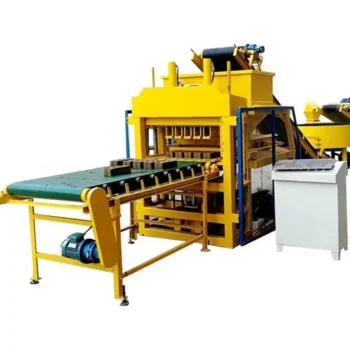
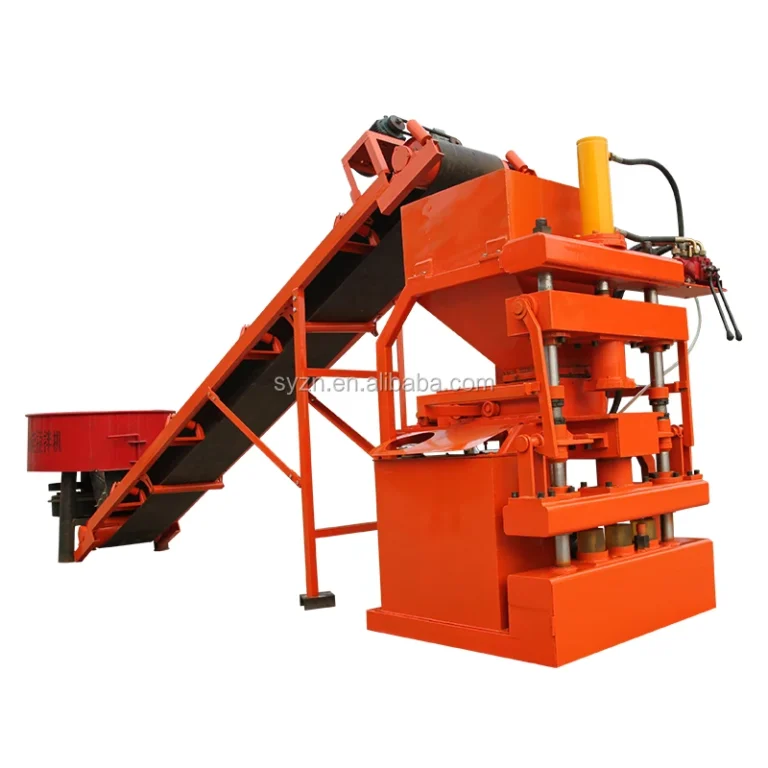
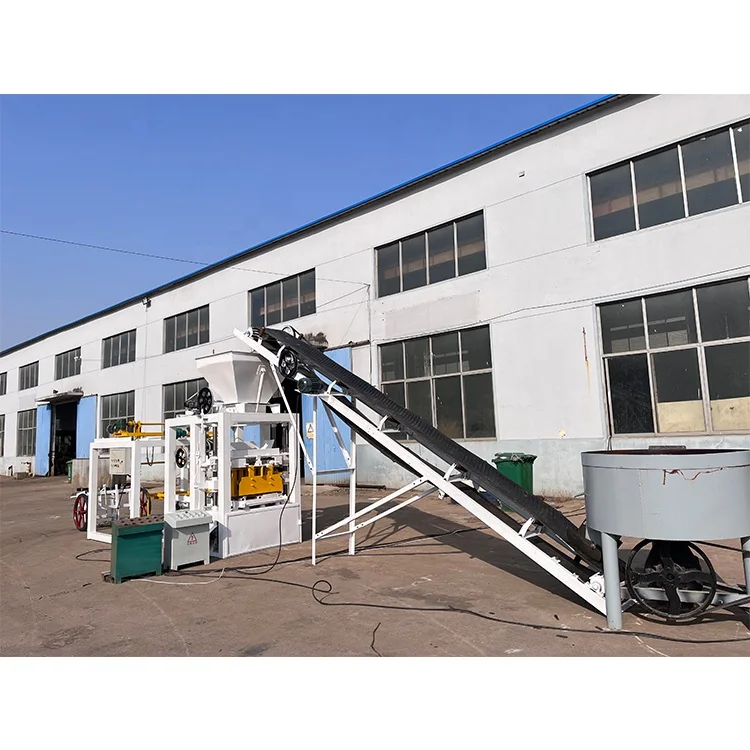
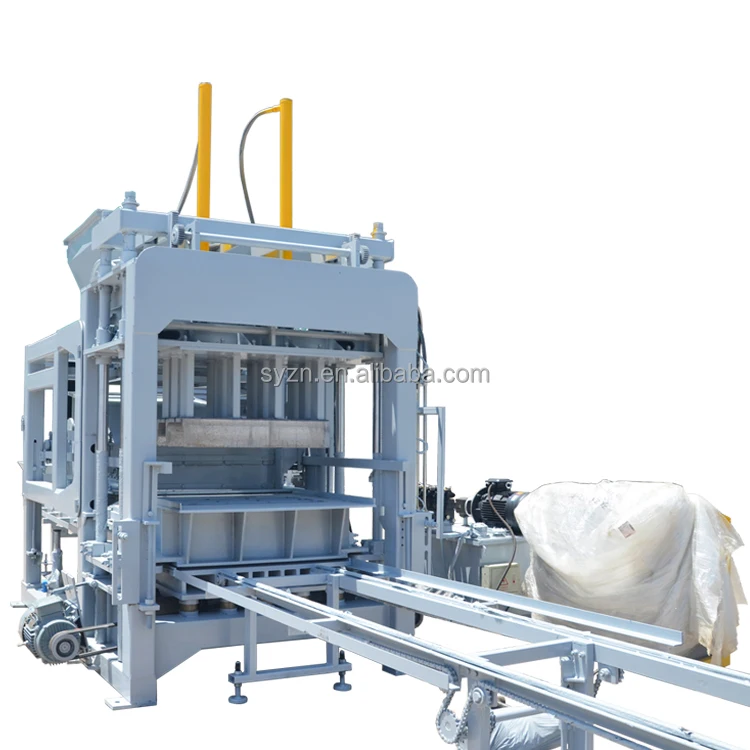
Stocked Machine Availability — Every LY2-40 manual clay interlocking brick machine in our warehouse is pre-inspected, photographed before crating, and paired with its matching mould set so dispatch starts the moment the container is booked.
Technical Specifications
| Parameter | Value |
|---|---|
| Model | LY2-40 |
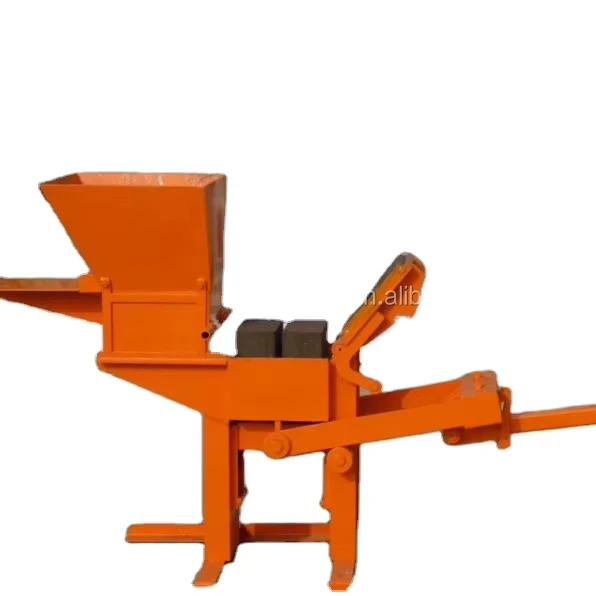
| Product Type | Manual Clay Interlocking Brick Making Machine |
| Power Source | No Power, Completely Manual |
| Lifting System | Manually Operated |
| Mobility | Steel Wheels for On-Site Relocation |
| Overall Dimensions (L×W×H) | 1600 × 700 × 1200 mm |
| Total Mass | 200–240 kg |
| Molding Cycle | 30–40 seconds per cycle |
| Output Capacity | 400–1000 pcs/day (basis not stated in source — confirm block format and material) |
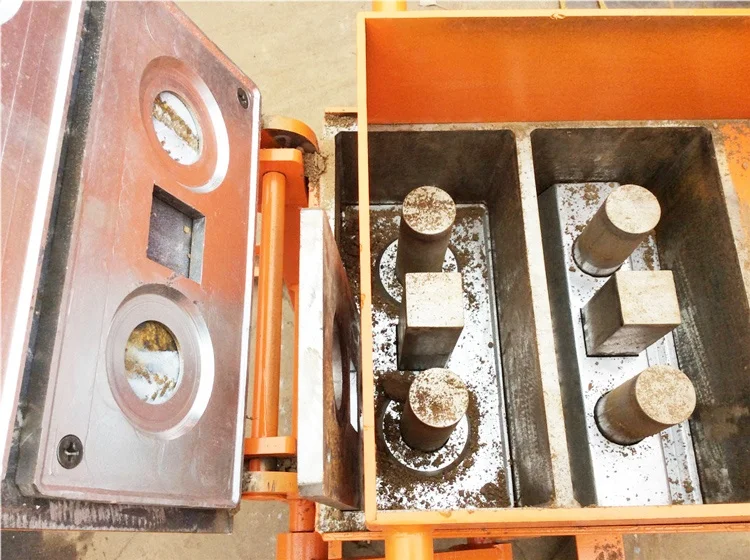
| Mould Change System | Moulds Changeable for Various Block Formats |
| Recommended Mixer | JFA-1 Mixer or JQ350 Mixer |
| Material Mixing | Automatized Mix or Manual Mixing |
| Warranty | 1 Year |
Application Suitability
| Application | Material or Output |
|---|---|
| Rural housing projects off-grid | Clay-soil interlocking bricks without electricity |
| Small-scale contractor site production | Soil-cement interlocking bricks for immediate wall construction |
| Community development brick plants | Interlocking clay bricks using locally sourced soil and minimal cement |
| First-time entrepreneur brick yard | Low-investment clay brick output with manual labour and no fixed foundation |
Why "In Stock" Matters More Than the Brochure Suggests
Buyers working to a project deadline cannot absorb multi-week production queues — the manual clay interlocking brick machine in stock is the one that actually meets your timeline.
I have watched a housing contractor in East Africa lose an entire dry season because the block machine he ordered was still on a production schedule when his foundation crew was already pouring footings. A machine sitting in a warehouse, dismantled and crated, changes that equation entirely. When we confirm the LY2-40 is in stock, it means the main frame, pressing mechanism, and standard interlocking moulds have already passed factory inspection [NEED_CITE: common delays in machinery procurement for developing-market construction projects]. The question then shifts from "when will it be built" to "when can the container leave."
Dispatch Timing and What It Actually Covers
Stock availability for a manual clay interlocking brick machine in stock means the LY2-40 main unit and its standard interlocking brick moulds are assembled, tested, and photographed before they are dismantled for shipment. This is different from a factory that quotes lead time starting after the deposit clears. When the machine is already on the floor, the critical path becomes container booking, customs paperwork, and inland transport to the port — items that run on days, not weeks. Buyers with a foundation crew already mobilised need this distinction because every idle day on site carries a labour cost that no machine discount can offset.
Container Loading and Dismantling Method
The LY2-40 manual clay interlocking brick machine in stock ships dismantled to maximise container space and reduce freight cost per unit. The main frame, pressing lever assembly, and steel wheel base separate into distinct bundles, each wrapped and secured to prevent transit damage [NEED_CITE: standard container loading practices for heavy manual machinery]. This dismantling approach means reassembly at destination is straightforward — bolt the lever mechanism back onto the frame, reattach the wheel axle, and mount the mould. No welding or fabrication is required on site. We provide packing photographs before the container doors close, so the buyer can verify condition and part count before the vessel sails.
Reading the Specs That Matter on the Job Site
The 30–40 second molding cycle defines how many bricks a two-person crew can realistically produce in a shift. At that cycle, the bottleneck is never the press itself — it is material mixing and brick removal. A JFA-1 or JQ350 mixer keeps the soil-cement feed continuous so the operator is not waiting for the next batch. The 200–240 kg total mass means two workers can tilt and roll the machine on its steel wheels to a new position within the yard without a forklift, which matters when the curing area shifts as the site progresses. The completely manual design eliminates any dependency on generator fuel or grid stability — a factor that removes an entire category of downtime from the schedule.
What a Missing Wear Part Costs on a Remote Site
I was on a site in West Africa when a manual press lever pivot bushing wore through and there was no replacement in the container. The machine sat silent for three weeks while a single part was air-freighted at a cost that exceeded the machine’s own freight charge. That experience reshaped how I now approach every dispatch. Before the LY2-40 leaves the warehouse, I include a wear parts kit — pivot pins, press plate liners, and mould guide springs — matched to the first year of operation. The cost of these parts is small compared to the cost of a crew standing idle [NEED_CITE: impact of spare parts availability on small-scale construction equipment uptime in remote locations].
Why Source This Machine From This Line
Block machinery is the single focus here, so the LY2-40 is not one item pulled from a catalogue of unrelated equipment. The machine, its interlocking mould, the recommended mixer, and the wear parts list are specified as one matched set rather than assembled from separate vendors. Configuration is confirmed against the buyer’s local soil type and available cement grade, not a default setting. Standard interlocking mould formats are stocked alongside the machine, so the order does not stall waiting for a custom tooling run. Installation guidance walks the buyer through first-cycle adjustments so the initial bricks meet interlocking tolerance from day one.
Documentation & Verification
- Factory test record showing molding cycle on interlocking brick format before dispatch
- Packing photographs of dismantled LY2-40 and mould set before container sealing
- Mould drawing and format list for the interlocking profile shipped
- Operation manual with reassembly sequence and first-run adjustment steps
- Customs documentation support for import clearance at destination port
Installation, Commissioning & Support
- No foundation required — the 1600 × 700 mm footprint sits on levelled compacted ground
- No electrical connection needed — the fully manual system requires zero power hookup
- Dismantled shipping allows two workers to reassemble with basic hand tools on arrival
- First-run brick samples checked for interlocking fit before full production begins
- Wear parts kit included covers pivot pins and press plate liners for the first operating year
- Recommended JQ350 mixer placement within one metre of press to keep feed cycle continuous
What We Need to Move Your Order Forward
To confirm stock allocation and build a container loading plan, provide the interlocking brick format your market requires, the daily brick count your project schedule demands, and the destination port for arrival estimation. If your soil type is known, share a brief description so we can confirm the mixer and mould pairing is correct. Let us also know whether you need auxiliary hand tools or pallet boards included in the same container.
Frequently Asked Questions
Q: What is the dispatch lead time for the LY2-40 from stock?
A: When the manual clay interlocking brick machine in stock is confirmed available, dispatch depends on container booking and customs paperwork rather than production scheduling. Typically the machine is dismantled, photographed, and loaded within a short window after order confirmation. We provide the exact loading date and vessel schedule once the destination port is confirmed.
Q: How is the machine dismantled and loaded into a container for shipment?
A: The LY2-40 separates into its main frame, lever assembly, wheel base, and mould set for efficient container loading. Each component is wrapped and secured to prevent movement during transit. No welding or fabrication is needed at destination — reassembly uses basic bolts and hand tools. Packing photographs are sent before the container is sealed.
Q: What is the estimated arrival time to my destination port?
A: Arrival time depends on the destination port and current vessel schedules from our loading port. Once the destination is confirmed, we provide an estimated transit duration based on available shipping routes. Buyers should add port clearance time on their end, which varies by country and customs processing speed [NEED_CITE: typical ocean freight transit durations from Chinese ports to African and Southeast Asian destinations].
Q: Are standard interlocking brick moulds included, and what formats are in stock?
A: Yes, standard interlocking brick moulds ship with the LY2-40. The specific interlocking profile available in stock is confirmed at the time of order, and we share the mould drawing and format dimensions before dispatch. If your market requires a non-standard interlocking profile, we can discuss availability and lead time for custom mould tooling.
Q: What basic equipment ships with the machine, and is it also in stock?
A: The recommended JFA-1 or JQ350 mixer can ship in the same container as the LY2-40. Stock status for the mixer is confirmed alongside the machine. We also include the wear parts kit and operation manual. Buyers should confirm whether hand tools, curing covers, or pallet boards are needed so we can allocate container space accordingly.