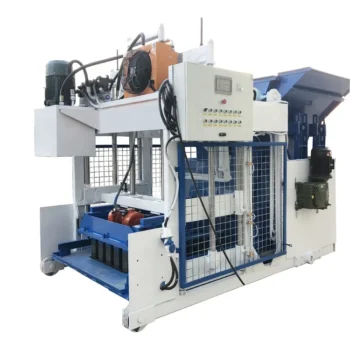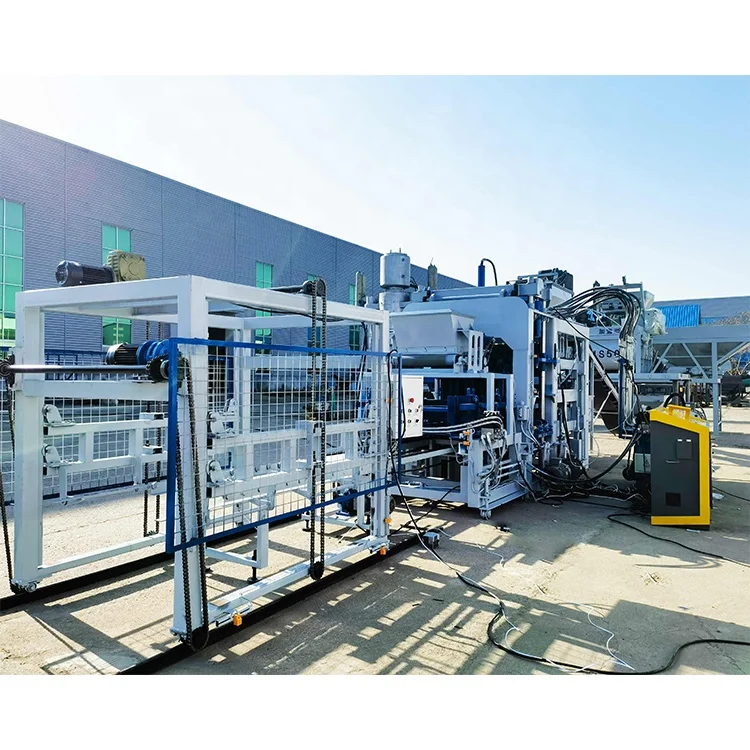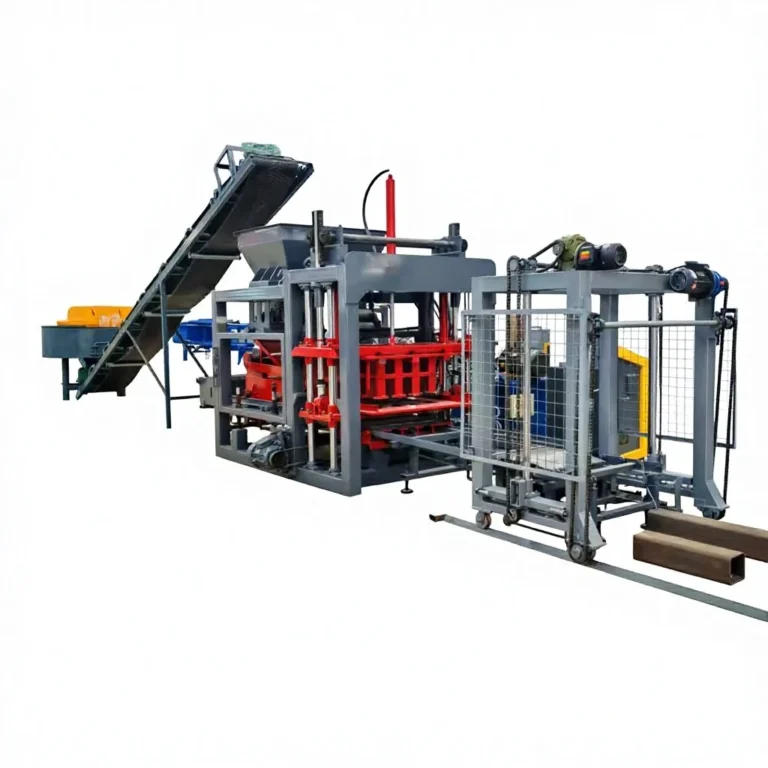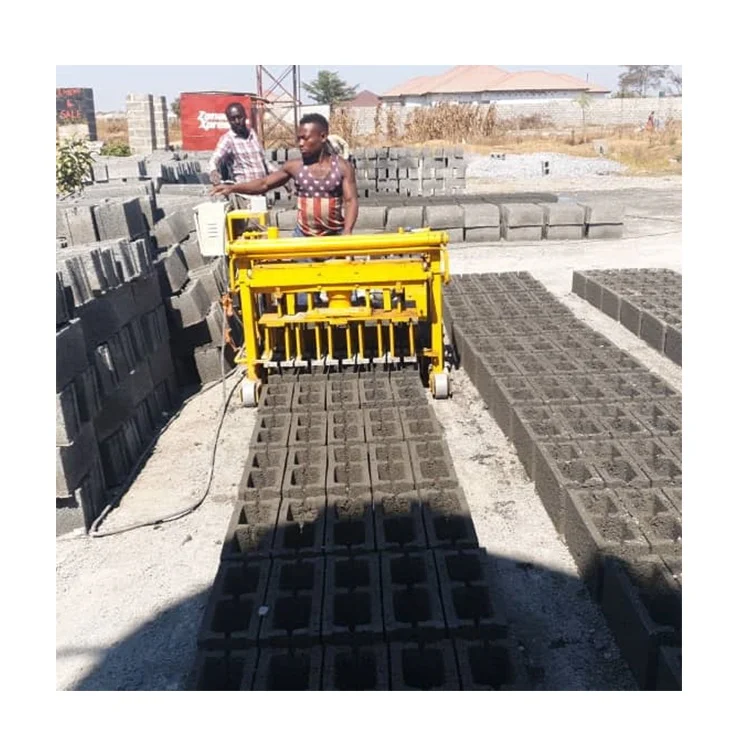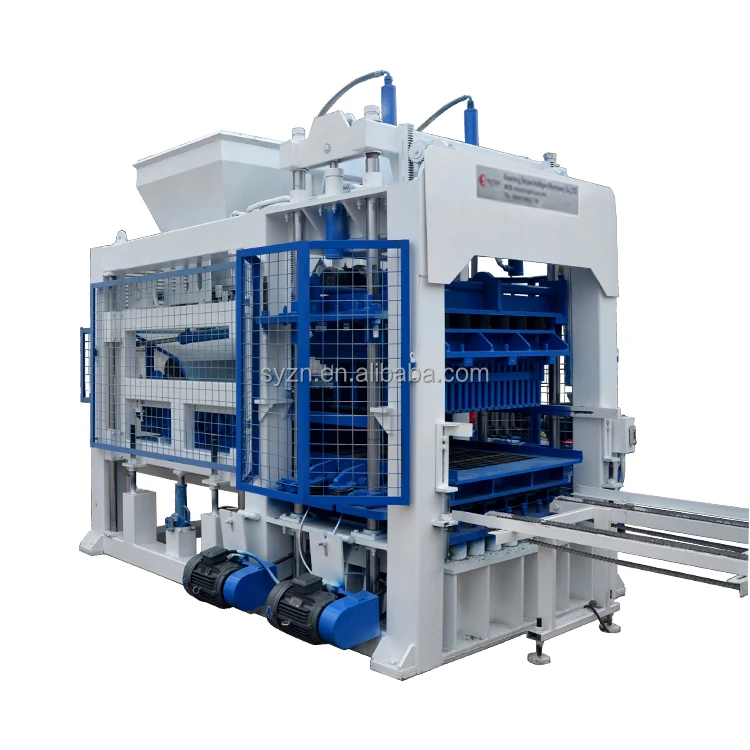


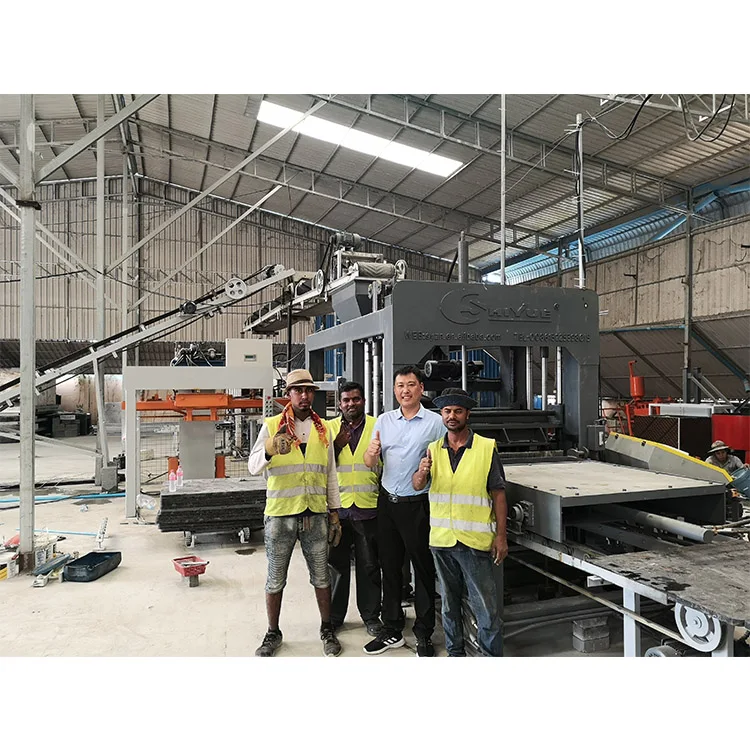

Description
Stock Availability Verified — Every QT10-15 block machine leaves our Linyi yard only after voltage, frequency, and PLC language are confirmed frame-by-frame on video with the buyer’s site engineer.
Technical Specifications
| Parameter | Value |
|---|---|
| Model | QT10-15 |
| Product Type | Concrete Block Making Machine |
| Molding Cycle | 15–25 s (depends on block format) |
| Output Capacity (400×200×200 mm hollow block, 10 pcs/mould) | 1,800–2,400 pcs/h; 14,400–19,200 pcs/8 hr shift |
| Output Capacity (400×150×200 mm hollow block, 12 pcs/mould) | 2,160–2,880 pcs/h; 17,280–23,040 pcs/8 hr shift |
| Output Capacity (240×115×53 mm solid brick, 62 pcs/mould) | 8,928–11,160 pcs/h; 71,424–89,280 pcs/8 hr shift |
| Output Capacity (200×100×60 mm paving block, 27 pcs/mould) | 5,184–6,480 pcs/h; 41,472–51,840 pcs/8 hr shift |
| Output Capacity (225×112.5×60 mm interlocking brick, 24 pcs/mould) | 4,032–5,040 pcs/h; 32,256–40,320 pcs/8 hr shift |
| Control System | PLC control cabinet |
| Hydraulic System | Independent integrated hydraulic station |
| Mould Change | Simple replacement, multi-function with one machine |
| Line Components | Pallet feed machine, block making machine, storage hopper, conveyor, hydraulic unit, PLC control cabinet |
| Standards | CE |
| Warranty | 1 year (excluding spare parts) |
Application Suitability
| Application | Material or Output |
|---|---|
| Hollow block production for load-bearing walls | Crushed stone, cement, sand, fly ash aggregate |
| Paving block manufacturing for municipal projects | Fine aggregate with pigment additives |
| Interlocking brick production for retaining walls and erosion control | Cement-stabilized laterite or gravel |
| Solid brick manufacturing for infill and partition walls | Fly ash, river sand, cement blends |
| Multicellular brick production for lightweight partition systems | Lightweight aggregate, perlite, or expanded clay |
Why "Fast Delivery" Means Nothing Without Voltage Confirmation
A block machine sitting on a jobsite without power is a crate, not an asset.
I once watched an African contractor stand around a freshly offloaded QT10-15 for three weeks because the local grid ran 415V/50Hz and the motor was wound for a different supply. The transformer retrofit burned through the project schedule. [NEED_CITE: voltage and frequency standards by export market] That is why every QT10-15 block machine in stock we prepare for dispatch goes through a pre-shipment electrical checklist captured on video—voltage, frequency, control cabinet language—sent to the buyer before the container door closes. A two-day delay at the factory beats a three-week delay on soil.
Dispatch Readiness for the QT10-15
When a project deadline compresses, the window between order confirmation and machine arrival determines whether your crew starts on time or stands idle. The QT10-15 block machine in stock configuration ships with the standard mould set, hydraulic unit, pallet feeder, conveyor, storage hopper, and PLC cabinet—every station required for a functional line. Container loading plans are confirmed before payment so you know exactly how many units and which pallets share the box.
What "In Stock" Actually Covers
Stock availability means the press frame, hydraulic station, and control cabinet are assembled and factory-tested in Linyi. Standard moulds for hollow blocks, paving blocks, and interlocking bricks rotate through our inventory based on regional demand. When you request a QT10-15 block machine in stock, we respond with the exact configuration on the floor, not a catalogue promise. [NEED_CITE: CE machinery directive requirements for industrial equipment] Moulds for less common formats are built to order, and that lead time is stated in writing before you commit.
Reading the Cycle Time and Output Figures
The 15–25 second molding cycle varies with block geometry and mix viscosity. A solid brick fills and compacts faster than a deep-cavity hollow block, which is why the output range spreads across formats. The independent integrated hydraulic station sits away from the vibration zone, keeping hydraulic fluid cooler and seals cleaner during continuous shifts. PLC control governs feed timing, vibration duration, and press stroke, meaning cycle consistency depends on the control program rather than operator reflex.
The Cost of Skipping the Loading Plan
A buyer who confirms price without confirming dismantling requirements can face an unpleasant surprise at the destination port. The QT10-15 press may need partial dismantling to fit a standard container, and reassembly requires a crane, a level concrete pad, and a crew familiar with hydraulic line reconnection. When these details surface after arrival, the machine sits while you source local rigging. [NEED_CITE: container loading and dismantling protocols for heavy block presses] We include dismantling notes and reassembly sequence in the packing documentation so your port-side team is ready.
Why Sourcing This Press From Our Yard Works
Block machinery is our single focus, so the QT10-15 press, moulds, pallets, and handling equipment leave as one matched system. Configuration is set against your actual mix design and target block format rather than a catalogue default. Standard moulds for the formats your market sells are held in inventory alongside the machines. Dispatch lead time and arrival estimates are given in writing before payment, not after. Factory test records are filmed and shared so you see the press cycling before it is bolted down for transport.
Documentation & Verification
- Line layout showing QT10-15 station spacing and pallet flow path
- Capacity calculation sheet stating output per block format and mould cavity count
- Factory test video of your requested mould running on the actual machine being shipped
- Voltage, frequency, and PLC language confirmation sheet signed before container loading
- Hydraulic and electrical schematics matching the as-built QT10-15 configuration
- Packing photographs documenting crate condition and load plan before departure
Installation, Commissioning & Support
- Concrete foundation must be level and cured before the QT10-15 hydraulic station is positioned
- Dedicated three-phase circuit at confirmed voltage and frequency required before PLC cabinet energization
- Partial dismantling for container loading means hydraulic lines and vibration table are reconnected on-site
- First-run commissioning includes molding cycle calibration across each purchased mould format
- Operator training covers PLC fault codes, mould change sequence, and daily hydraulic fluid checks
- Wear parts list identifies seals, springs, and mould liners specific to the shipped QT10-15 unit
What We Need From You Before Quoting
To match a stocked QT10-15 to your site, tell us the block formats you need and your target daily output per format. Share your local voltage, frequency, and the language your operators read on a screen. If you already have pallets, a curing yard, or a forklift with a specific fork width, send those dimensions so the pallet feeder and handling layout fit what you already own.
Frequently Asked Questions
Q: Which QT10-15 configurations are currently in stock and ready for dispatch?
A: Stocked units include the press frame, independent hydraulic station, PLC cabinet, pallet feeder, conveyor, and storage hopper. Standard moulds for common hollow block and paving block formats rotate through inventory. We confirm the exact machine serial and available mould list before you commit, so there is no gap between what you order and what ships.
Q: What is the container loading arrangement and does the QT10-15 require dismantling?
A: The QT10-15 typically requires partial dismantling of the vibration table and hydraulic lines to fit a standard high-cube container. We provide a written loading plan showing component placement, reassembly sequence, and the crane capacity your port-side team will need. This plan is shared before payment so you can budget rigging costs upfront.
Q: How quickly can the machine ship after order confirmation and payment?
A: Stocked machines move through pre-shipment electrical verification and factory testing, then enter container loading. This sequence takes several working days once voltage and control language are confirmed. We provide a written dispatch date in the proforma so your logistics team can book the sailing accordingly.
Q: What is the estimated arrival time to my port after dispatch?
A: Sea transit depends on the destination port and current shipping schedules. We quote an arrival estimate based on the nearest available sailing date at the time of order. This estimate is written into your order confirmation so your construction timeline accounts for realistic lead times rather than optimistic assumptions.
Q: Are standard moulds for common block formats included in stock inventory?
A: Moulds for widely traded formats like 400×200×200 mm hollow blocks and 200×100×60 mm paving blocks are generally held alongside the machines. Specialized formats such as custom interlocking profiles are built to order. We state mould availability line by line in the stock confirmation so you know which formats ship immediately and which require a build cycle.