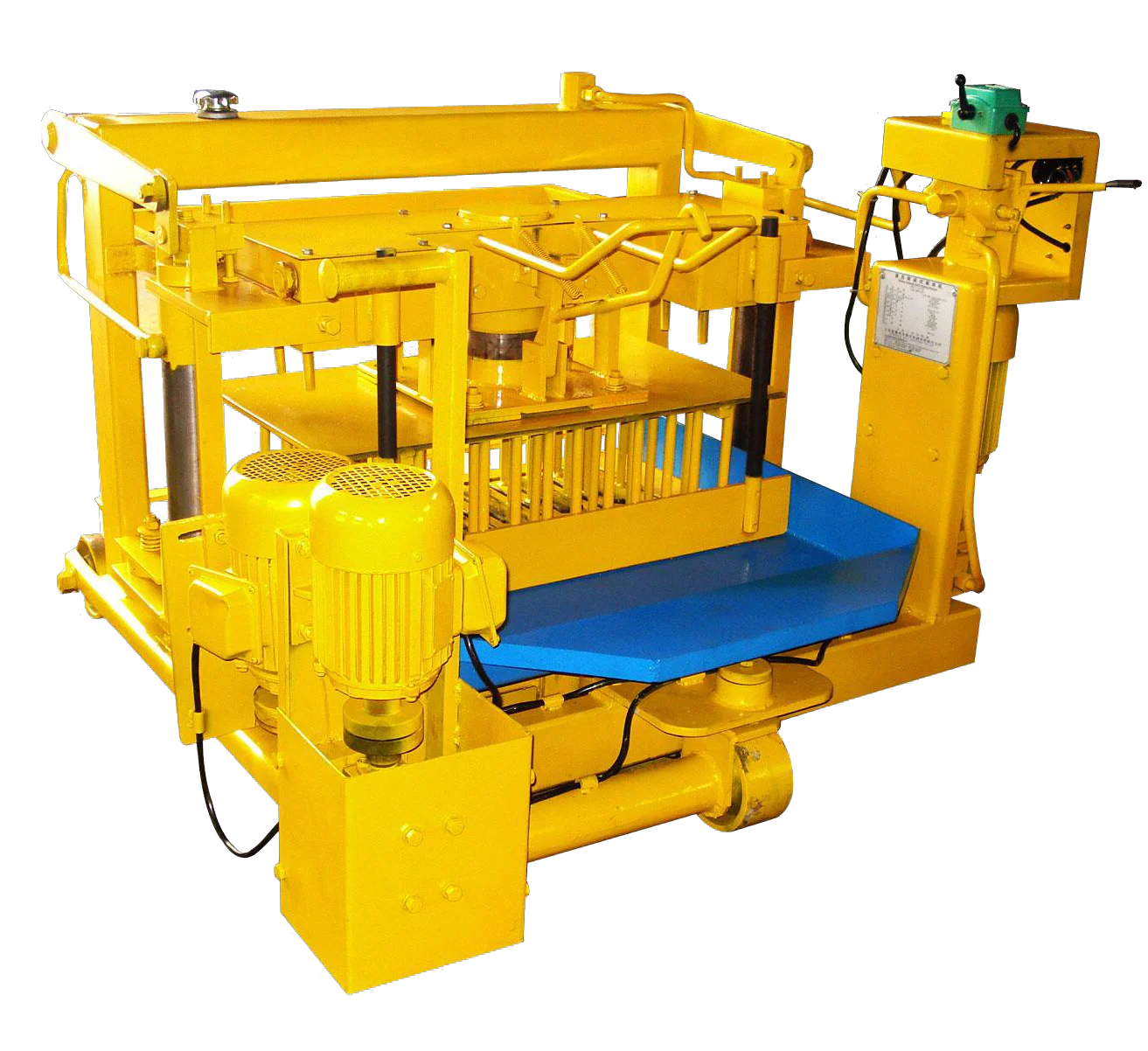


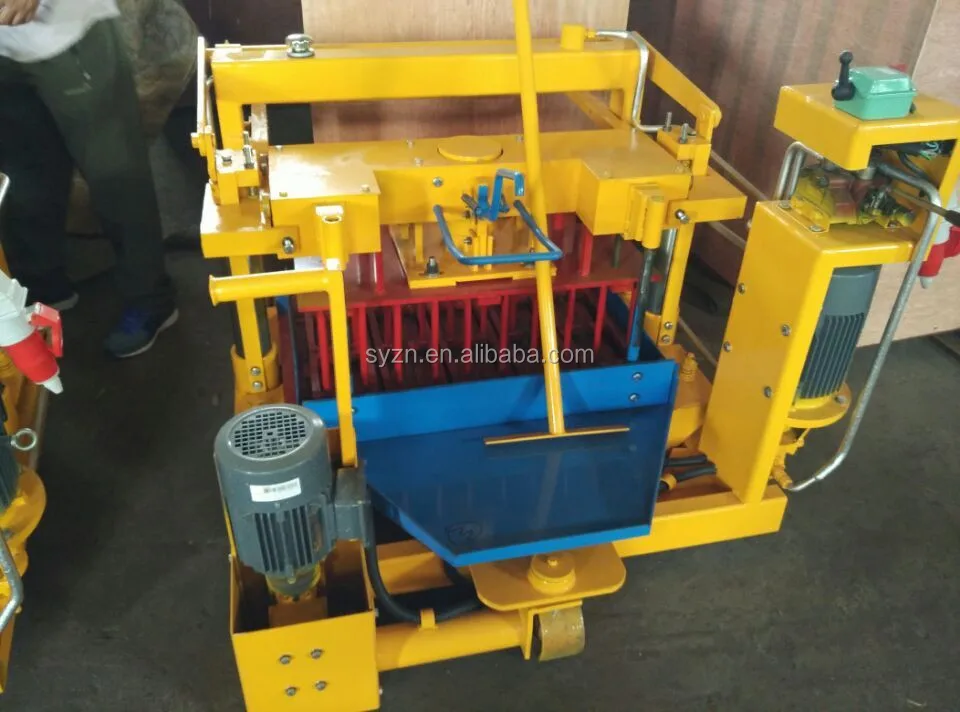


Description
Proven Field Mobility — The QMY4-30 mobile block machine in stock ships configured for uneven terrain deployment, so your on-site production starts from the day the container opens.
Technical Specifications
| Parameter | Value |
|---|---|
| Model | QMY4-30 |
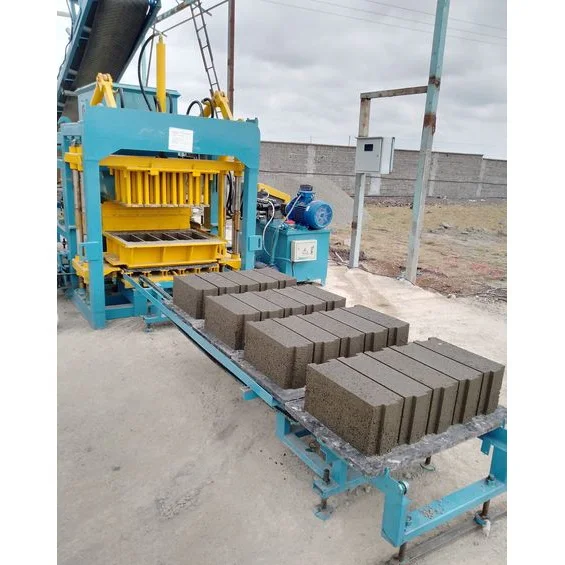
| Product Type | Mobile Egg-Laying Block Making Machine |
| Mould Excitation | Mold box excitation |
| Transmission | Hydraulic transmission |
| Pallet Requirement | Palletless (egg-laying type) |
| Operation | Manual / Mobile |
| Suitable Terrain | Mountainous areas, hilly areas, industrial mining areas, desert and coastal areas |
| Mold Technology | Heat treatment and carburization technology |
| Output Capacity | Basis to be confirmed per block format |
| Cycle Time | Basis to be confirmed per block format |
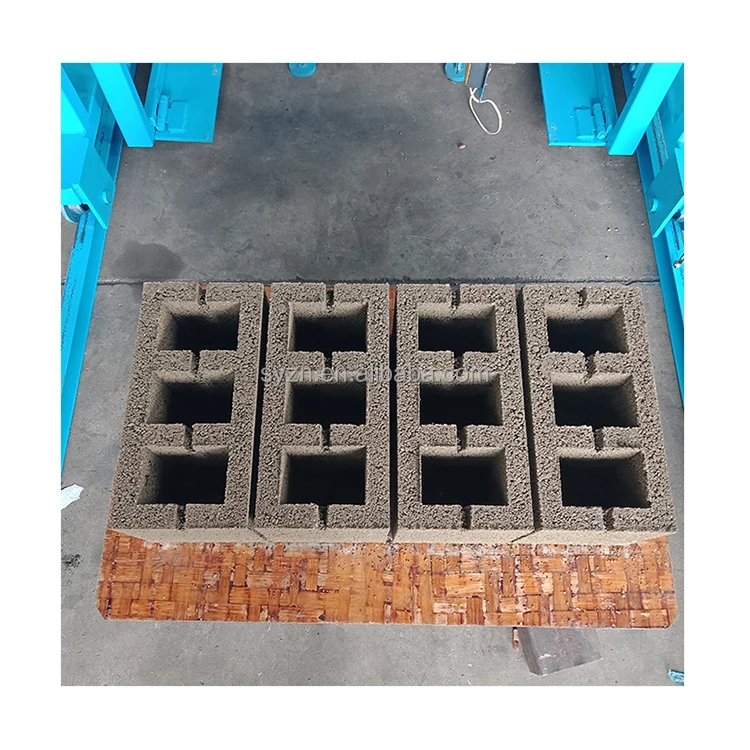
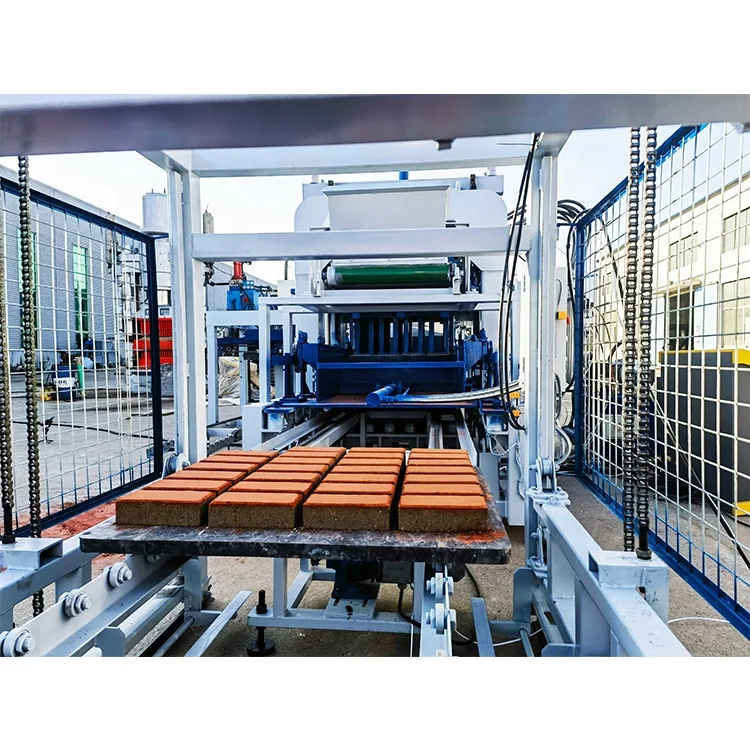
| Block Format Compatibility | Hollow brick, solid block, paving block (mould-dependent) |
| Standards | ISO 9001:2000, CE |
Application Suitability
| Application | Material or Output |
|---|---|
| On-site hollow block production at active construction sites | Crushed stone, sand, cement blends laid directly on compacted ground |
| Remote housing projects in difficult-access terrain | Local aggregate and cement mixes on hilly or coastal ground |
| Small-scale entrepreneur block operations | River sand or quarry dust with cement, producing solid and hollow formats |
| Contractor mobile production between job sites | Standard concrete mixes for paving blocks and walling units |
Why "Cycle Time" Without Block Format Misleads Buyers
A 30-second cycle means nothing until you know which block size it was measured on.
I have watched buyers compare two machines by their headline cycle figures and pick the faster one, only to discover the number was quoted on a small solid block while they needed hollow blocks. The QMY4-30 egg-laying block machine fast delivery promise only holds when the cycle time is confirmed against your actual product. Different block formats change the vibration duration, hydraulic pressing stroke, and demoulding sequence — all of which alter the real throughput you will see on your site [NEED_CITE: block format impact on mobile machine cycle time].
What Immediate Dispatch Actually Means for Your Project
When a construction deadline is fixed, waiting eight weeks for a machine build can stall an entire walling schedule. The QMY4-30 mobile block machine in stock is held as a complete unit with standard moulds, meaning the lead time you receive at quotation is based on container booking and sea transit rather than factory production slots. We quote your estimated arrival date against your destination port before you commit, so your site team can plan the production start with a real calendar date.
Palletless Operation Eliminates a Hidden Cost Layer
Conventional stationary block machines require thousands of production pallets — timber, bamboo, or PVC — that represent a recurring material cost and require storage space on site. The QMY4-30 lays blocks directly onto the ground surface as it moves forward, removing the pallet purchase, the pallet return loop, and the pallet maintenance entirely. For a contractor working across multiple sites or a first-time entrepreneur, this simplifies the operation to the press, the mixer, and the ground [NEED_CITE: pallet cost as a percentage of total block production investment].
Hydraulic Pressure and Mold Box Excitation Work Together
The density and dimensional accuracy of every block the QMY4-30 produces depends on how the hydraulic transmission and mold box excitation interact during the pressing cycle. Hydraulic pressure provides the static compaction force that consolidates the concrete mix, while the mold box excitation delivers high-frequency vibration that settles fine particles into voids before the pressure peaks. If your local aggregate includes a high proportion of fines or your sand has elevated clay content, the vibration duration may need to increase to achieve full compaction — something we confirm during configuration based on your material sample. The heat treatment and carburization applied to the mould surfaces resist abrasion from these harsher mixes over extended production runs.
What Happens When Terrain Is Ignored at Quotation Stage
A mobile egg-laying machine is only as mobile as the ground it sits on. Buyers who deploy on soft coastal sand or loose backfill without confirming ground preparation find the machine settles unevenly, producing blocks with inconsistent height and density across the laying run. The QMY4-30 is rated for mountainous, hilly, industrial mining, desert, and coastal areas, but each terrain demands a different surface preparation approach — from compacted hardcore on soft soils to simple leveling on existing concrete slabs [NEED_CITE: ground preparation standards for mobile block laying equipment].
Why Buyers Source This Machine Here
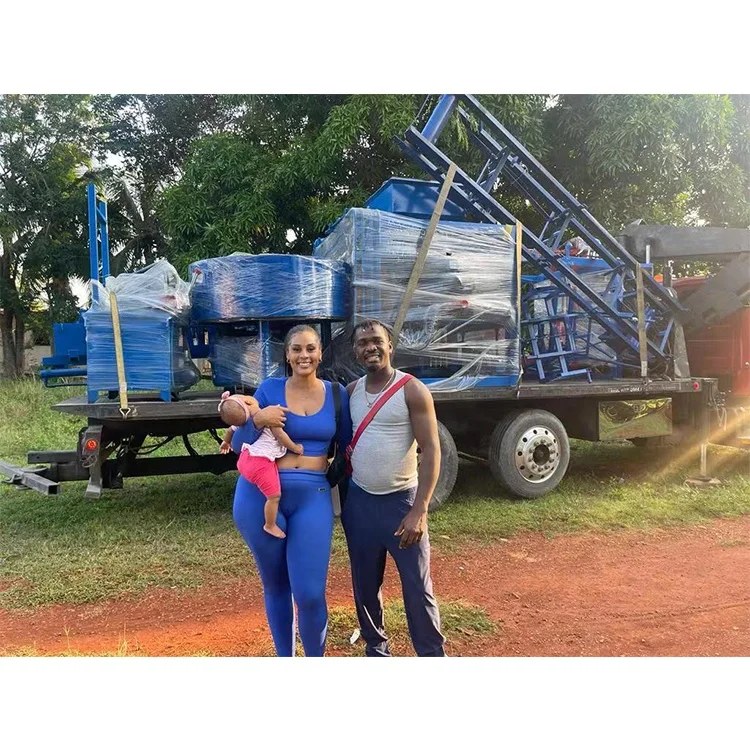
Block machinery is the single focus of this operation, which means the QMY4-30 is specified alongside the moulds, handling method, and site conditions as one system rather than sourced from separate suppliers and assembled on arrival. Stock availability is confirmed at inquiry stage with current unit counts, so you are not quoted against a build slot that may shift. The container loading plan includes machine dismantling photographs, letting your receiving team see exactly how the unit will arrive before it ships. Factory test records accompany every dispatch, and CE documentation is provided where applicable to support customs clearance at your destination port. Mould options cover the block formats your local market actually sells, and custom mould design is available against buyer drawings when standard formats do not match.
Documentation & Verification
- Factory test record showing the QMY4-30 running with your specified mould before dispatch
- Container loading photographs documenting dismantling state and securing method
- CE declaration included for customs clearance at destination ports that require it
- Mould drawing and format list confirming compatible block dimensions
- Operation and maintenance manual covering daily checks and mould change procedure
Installation, Commissioning & Support
- Machine arrives partially dismantled for container loading; reassembly covers chassis, hydraulic lines, and mould box on your prepared ground
- Power connection requires confirmation of local voltage and frequency before the unit is wired at factory
- First production run supervised with mix proportion adjustment to match your local aggregate characteristics
- Operator training covers mould change sequence, daily lubrication points, and hydraulic system inspection
- Wear parts list provided at dispatch identifying mould liners and hydraulic seals as first-replacement items
Before You Request a Quote
To match the right QMY4-30 configuration to your site, share the block format you intend to produce, your local raw material type and source, and your destination port for transit estimation. Confirming your site ground conditions and available power supply at inquiry stage prevents delays once the machine arrives.
Frequently Asked Questions
Q: Which QMY4-30 units are currently in stock and how fast can they ship?
A: Stock levels are confirmed at inquiry with available unit counts and standard mould configurations. Dispatch lead time depends on container booking availability and your destination port, and we quote an estimated arrival date upfront so you can plan your production start against a real calendar date.
Q: What block formats do the stocked standard moulds cover?
A: Standard mould inventory typically includes hollow brick, solid block, and paving block formats. If your market requires a format outside the standard range, custom mould design is available against your drawings, though this adds to the lead time compared with immediate stock dispatch.
Q: How is the machine dismantled and loaded into a container for shipment?
A: The QMY4-30 is partially dismantled for container loading, with the hydraulic system, mould box, and chassis separated and secured. Packing photographs are provided before the container is sealed so your receiving team knows the exact dismantling state on arrival.
Q: What documents are included to support customs clearance on arrival?
A: Each shipment includes a factory test record, CE declaration where applicable, operation manual, mould specification list, and full customs documentation support. Confirm your destination country requirements at inquiry stage so any additional certificates can be prepared before dispatch.