
Description
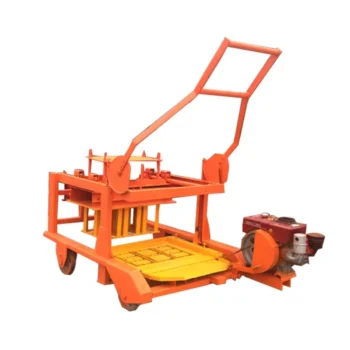
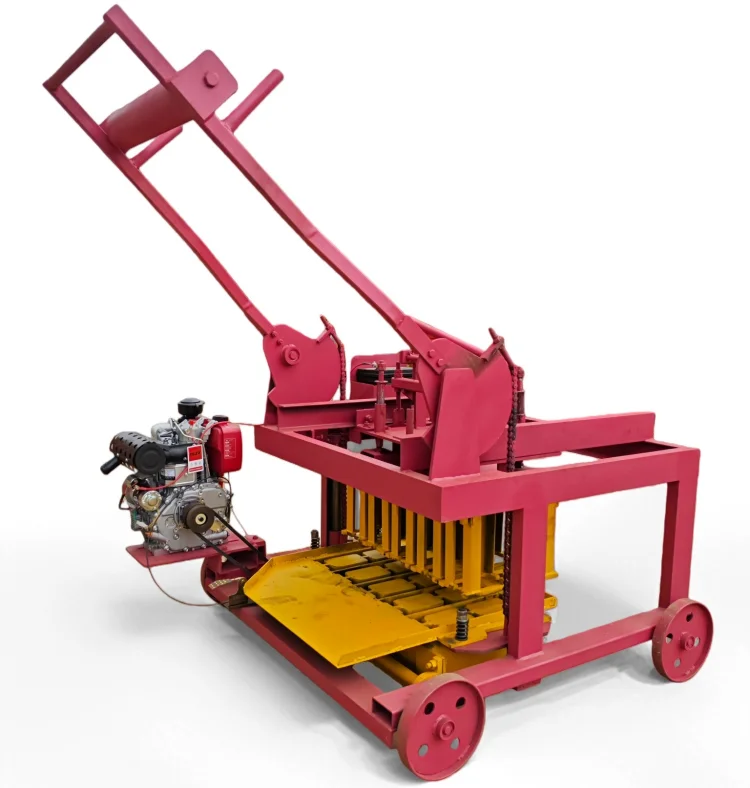
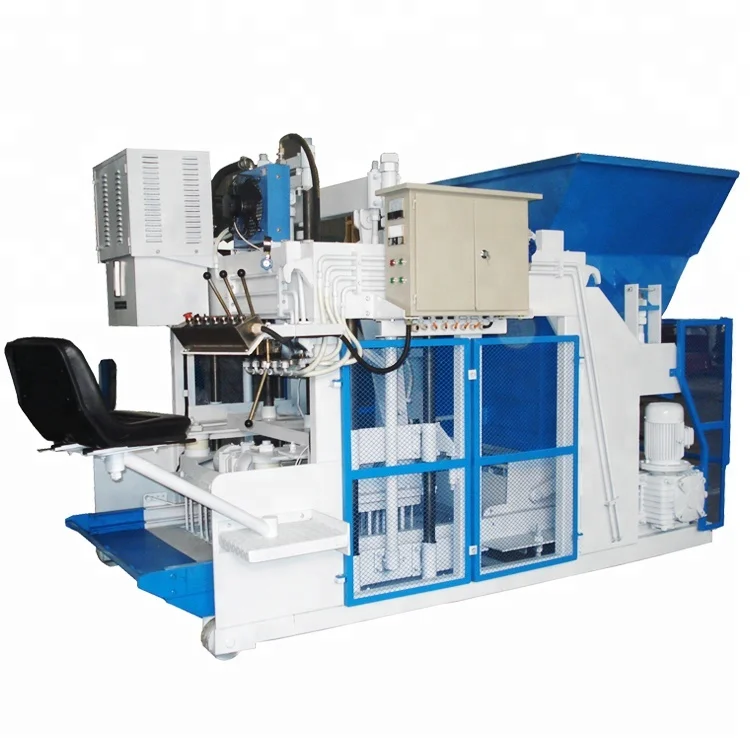
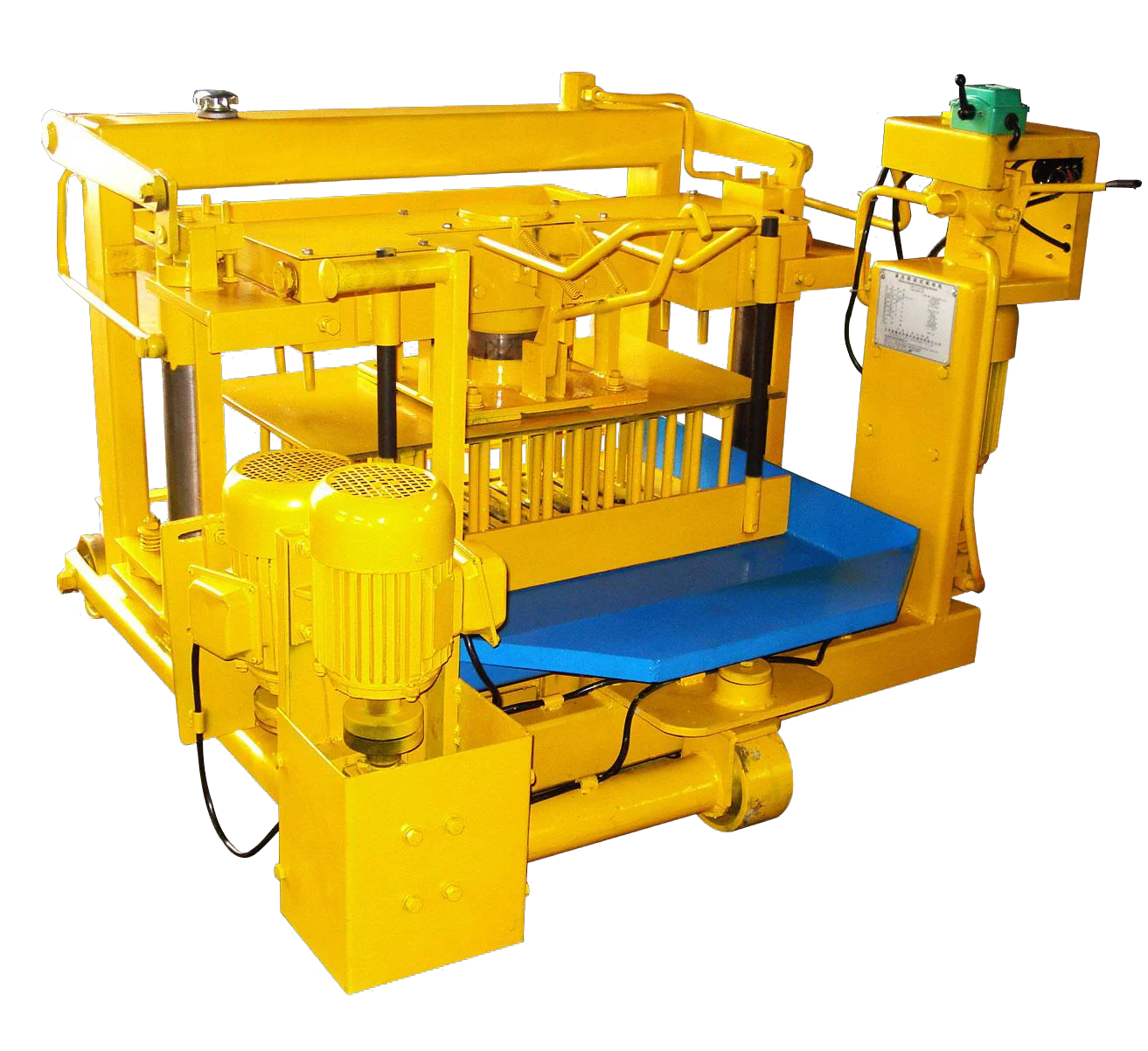
Stocked Configuration for Immediate Dispatch — This QMY4-30 mobile block machine sits in our Linyi warehouse assembled, tested on standard aggregate, and ready to load within days of order confirmation rather than weeks of production scheduling.
Technical Specifications
| Parameter | Value |
|---|---|
| Model | QMY4-30 |
| Product Type | Mobile Concrete Block Making Machine |
| Machine Type | Mobile / egg-laying |
| Automation Level | Manual operation |
| Rated Power | 5 kW |
| Molding Time | 30 seconds |
| Overall Dimensions | 1200 × 1200 × 1100 mm |
| Net Weight | 950 kg |
| Raw Materials | Cement, sand, crushed stones, slag |
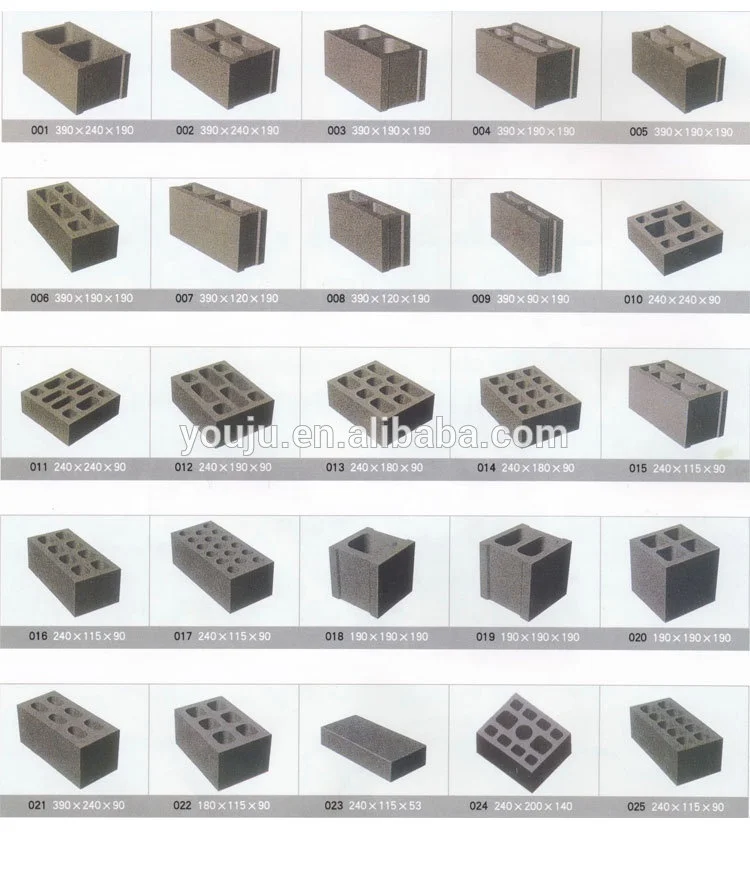
| Mould Format | Changeable for hollow block and solid brick |
| Production Capacity (400×200×200mm hollow block) | 4 pcs/mould, 480 pcs/hour, 3840 pcs/8 hours |
| Production Capacity (400×150×200mm hollow block) | 5 pcs/mould, 600 pcs/hour, 4800 pcs/8 hours |
| Production Capacity (400×100×200mm hollow block) | 7 pcs/mould, 840 pcs/hour, 6720 pcs/8 hours |
| Pallet Size | N/A (egg-laying type, no pallet required) |
| Voltage & Frequency | Confirm before dispatch (basis not stated in source) |
Application Suitability
| Application | Material or Output |
|---|---|
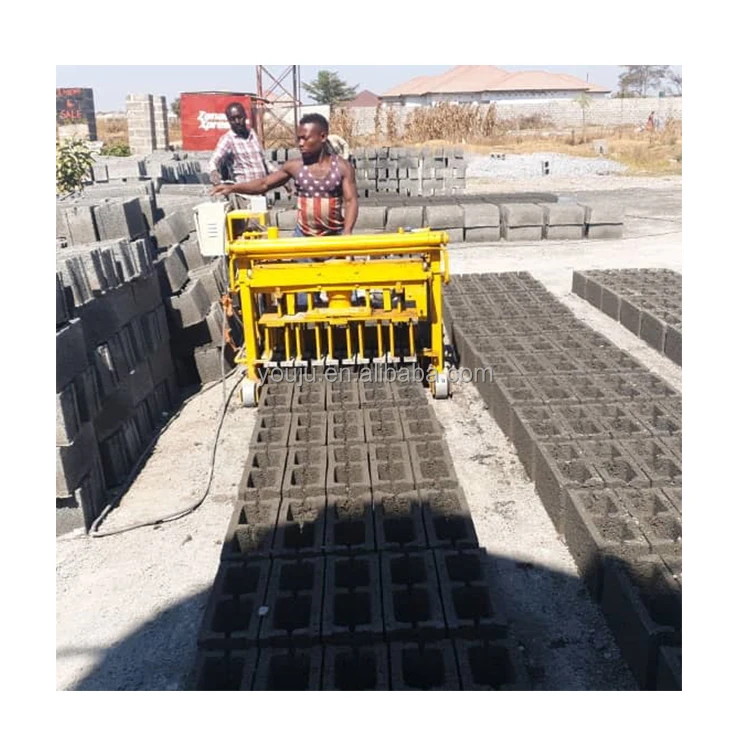
| On-site construction block production | Hollow blocks from local sand, cement, and crushed stone directly at project locations |
| Small-scale brick manufacturing | Solid bricks for community housing and low-rise commercial builds |
| First-plant entrepreneur operations | Starter-level hollow and solid block output with minimal site preparation |
| Contractor self-supply on remote sites | Block production where no commercial supplier operates within practical delivery range |
What "Ready to Ship" Actually Means for Your Schedule
A mobile block machine in stock ships when your project needs it, not when a factory slot opens up.
I have watched project timelines slip because buyers assumed "available" meant sitting on a showroom floor. In reality, many suppliers quote a mobile block machine in stock but only hold the frame and motor — the moulds, electrical panel, and hydraulic hoses are assembled after the deposit clears. That gap between "order placed" and "container loaded" can stretch into multi-week delays that no one warned you about during the sales conversation. When your crew is already mobilized and the site is waiting for blocks, that delay is not an inconvenience — it is a daily cost. [NEED_CITE: typical production lead times for small block machines]
Dispatch Readiness Without the Waiting Game
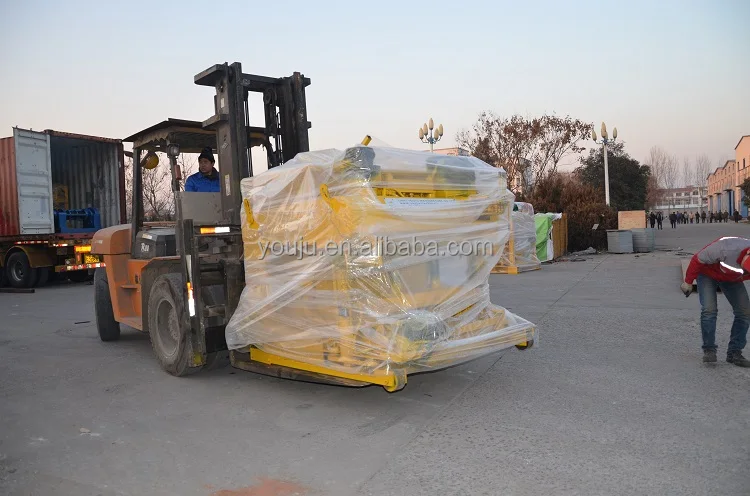
The QMY4-30 mobile block machine in stock is held as a complete, tested unit rather than a kit awaiting final assembly. Plywood packing at approximately 3 m³ means it consolidates into standard container space alongside spare moulds or a pallet of cement if you need to fill dead weight. For buyers working against a project mobilization date, the difference between a machine that loads this week versus one that enters production queue is the margin that keeps a contract on schedule.
Container Loading and Freight Consolidation
A 950 kg unit with a 1200 × 1200 × 1100 mm footprint fits into mixed-load containers without requiring a dedicated shipment. We photograph the crate from all angles before the container doors close, so you have visual proof of packing condition at the point of loading. When your freight forwarder needs dimensions and weight to book space, those figures are confirmed from the actual unit — not estimated from a catalog entry. [NEED_CITE: container loading standards for industrial machinery exports]
Compact Footprint, Real Output per Block Format
The 5 kW rated power keeps electrical demand within the range of a portable generator, which matters when you are producing on a site with no grid connection yet. Molding time holds at 30 seconds per cycle. For the common 400 × 200 × 200 mm hollow block, that translates to 4 pieces per mould and 3,840 pieces across an 8-hour shift. Drop to the 400 × 100 × 200 mm format and output reaches 6,720 pieces in the same window. These figures assume consistent manual feeding and uninterrupted operation — they represent what the cycle time delivers, not a laboratory maximum.
When "Mobile" Saves You a Fixed Plant Build
The egg-laying design means this machine moves forward on its own wheels after each cycle, laying blocks directly on a flat concrete floor. No pallets to buy, circulate, or store. No curing rack system to install before you can start producing. For a contractor who needs hollow blocks for a perimeter wall and has a leveled slab already poured on site, the QMY4-30 mobile block machine in stock eliminates the infrastructure layer that a stationary plant demands. You arrive, plug in, and produce.
The Voltage Question That Stops Machines at the Port
I once tracked a shipment where the buyer in West Africa received a machine wired for 380V/50Hz, and the site ran on 440V/60Hz from a local generator farm. The motor overheated on the first test run and the contactor welded shut. The machine sat idle for the entire period it took to source and ship a replacement panel. That is why voltage and frequency confirmation happens before the crate is sealed here — not after the unit arrives and the electrician opens the panel for the first time. [NEED_CITE: voltage and frequency standards by export market]
Why Sourcing Here Reduces Dispatch Uncertainty
Block machinery is the only product category this facility handles, so the QMY4-30 sits in a warehouse organized around block machines and their moulds rather than spread across unrelated equipment lines. Machines are specified against the buyer’s target block format and local aggregate rather than shipped at a default configuration that may not match site conditions. Moulds for hollow and solid formats are stocked alongside the press, so a format change does not become a separate procurement exercise. Dispatch documentation — packing photos, factory test records, customs paperwork — is prepared per shipment, not assembled from generic templates. Every unit carries a five-year guarantee as stated in the manufacturer documentation.
Documentation & Verification
- Factory test record showing cycle time on your specified block format before dispatch
- Packing photographs from six angles taken at container loading
- Voltage and frequency confirmation sheet signed off before crating
- Mould drawing and format list for every mould included in the shipment
- Operation and maintenance manual in the destination language where available
Installation, Commissioning & Support
- Place the QMY4-30 on a flat concrete slab — no foundation bolts or pit required
- Confirm 5 kW power supply matches the confirmed voltage before first startup
- Mould change involves manual bolt release — keep spanners on site for format switches
- First-day operation should run a test batch to verify cycle timing and block density
- Wear parts list provided at dispatch so you can reorder before stock runs out
What to Share With Your Inquiry
To match the right unit to your timeline, confirm your target block format, the daily output you need on site, and the voltage and frequency your site power delivers. If you know the aggregate type available locally — river sand, crushed stone, volcanic scoria, or crusher dust — include that so the machine parameters can be preset before dispatch.
Frequently Asked Questions
Q: Is the QMY4-30 mobile block machine currently in stock and ready to dispatch?
A: Yes, completed units are held in the Linyi warehouse and can enter the packing and loading process once your order is confirmed and specifications are verified. Dispatch lead time depends on container availability and destination port scheduling. Confirm current stock status at the point of inquiry for the most accurate timeline.
Q: How is the machine packed and loaded into a container?
A: The unit is secured in plywood crating at approximately 3 m³ volume and loaded into standard shipping containers. Packing photographs are taken before the container doors close and shared with the buyer as visual confirmation of shipment condition.
Q: What voltage and frequency will my machine be configured for?
A: Voltage and frequency are confirmed with the buyer before the machine is crated. This step ensures the motor, control panel, and wiring match the destination site power supply, preventing commissioning delays upon arrival.
Q: Can I receive packing photographs and shipping documents before the balance payment?
A: Packing photographs, factory test records, and customs documentation are prepared per shipment. The documentation package is shared according to the agreed payment terms before the container is released for sailing.