Description
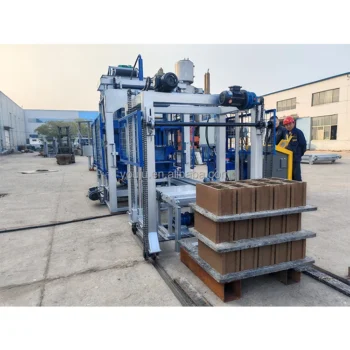
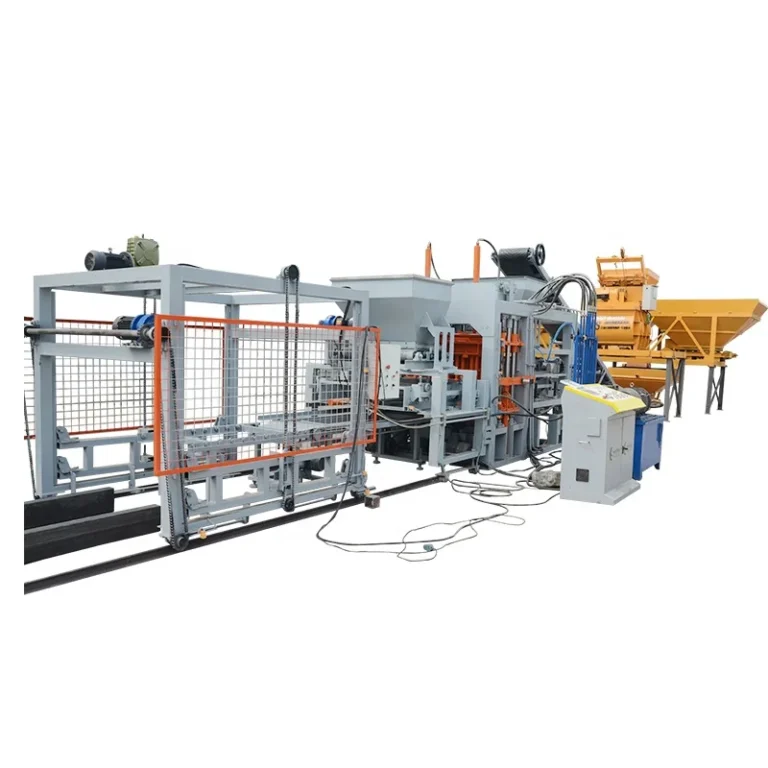
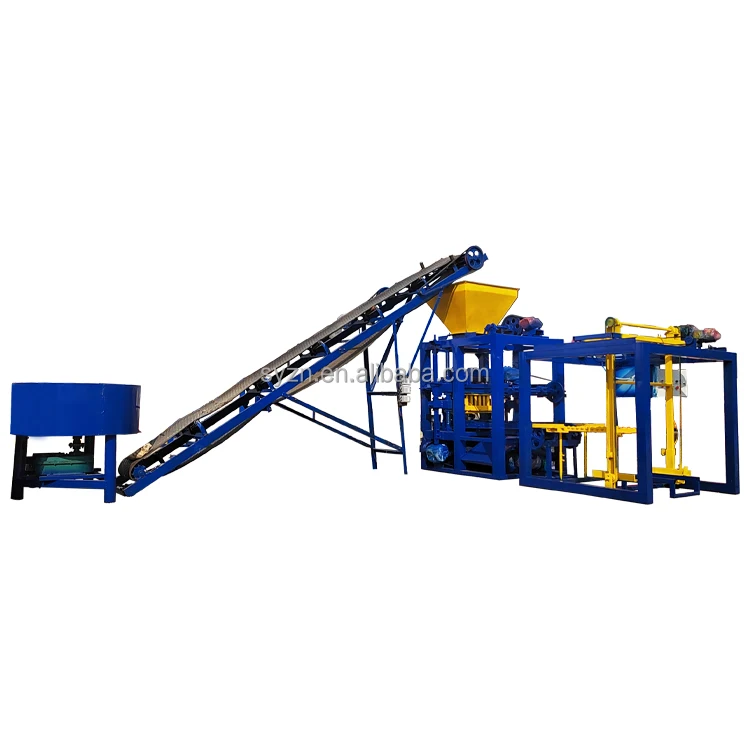
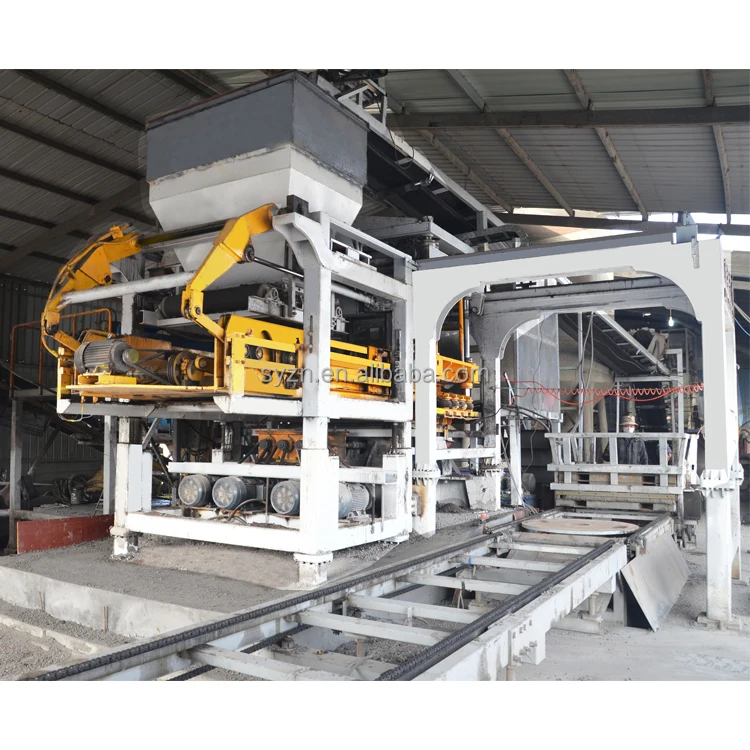
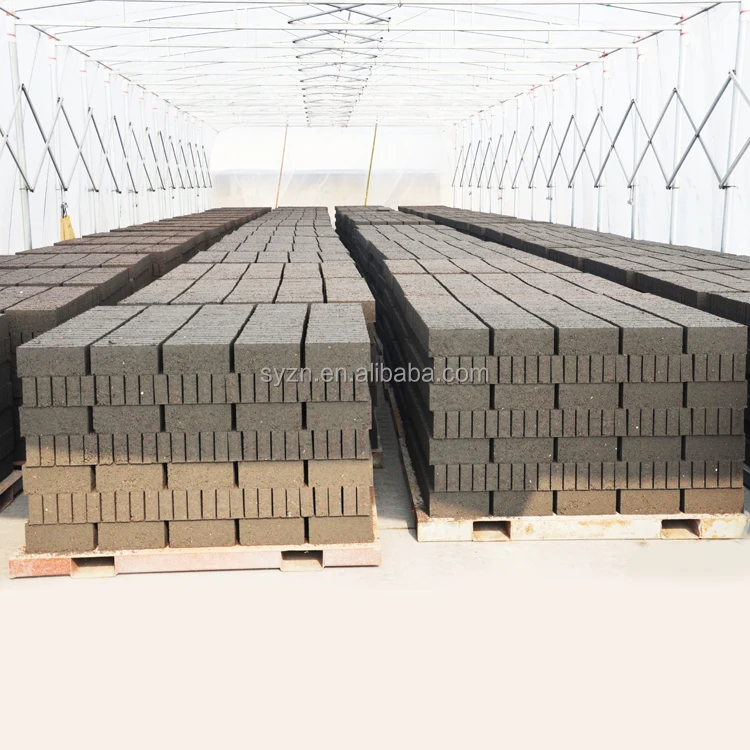
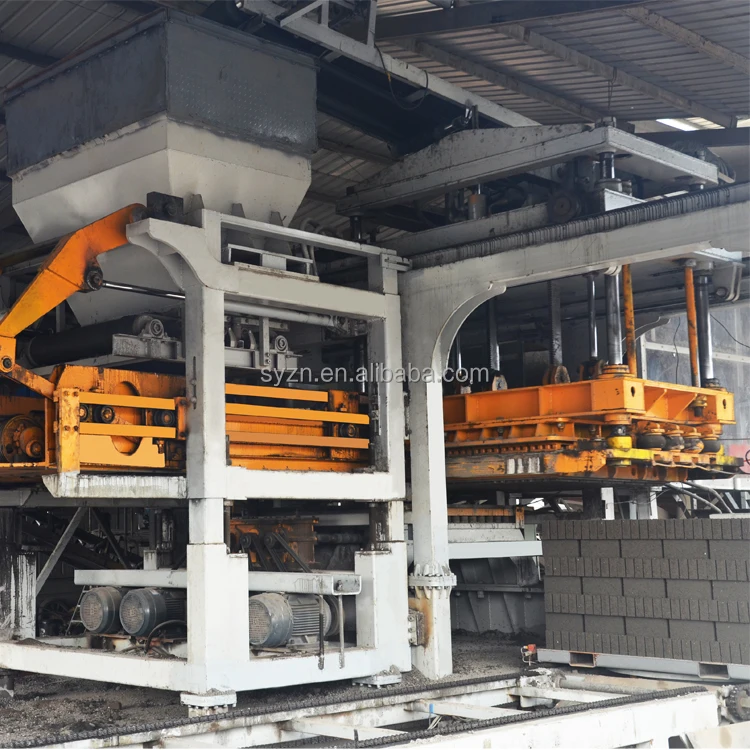
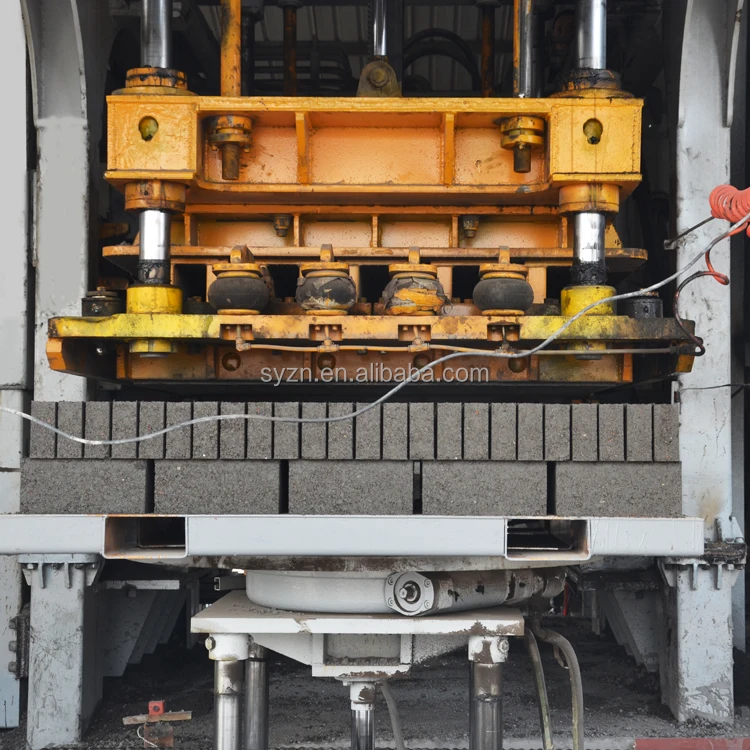
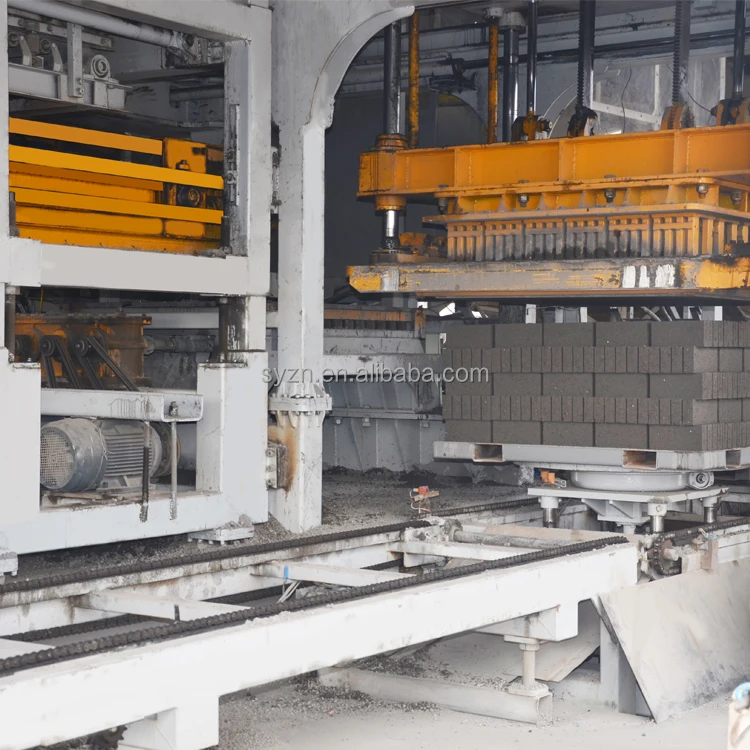
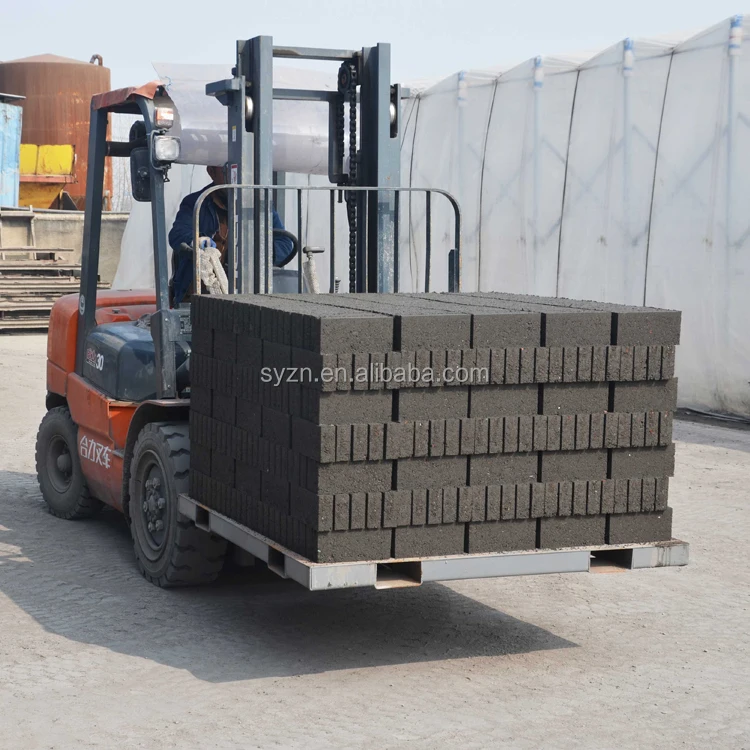
Pallet-Free Stacking Integration — the QT18-15 stacks blocks directly after moulding up to 1200 mm, eliminating pallet procurement and curing-rack handling from the dispatch scope so the line runs complete from day one.
Technical Specifications
| Parameter | Value |
|---|---|
| Model | QT18-15 |
| Product Type | Fully Automatic Block Production Line (Pallet-free) |
| Brick Height Range | 50–300 mm |
| Stacking Height | 0–1200 mm |
| Main Vibration Form | Platform Vibration |
| Vibration Frequency | 2800–4500 r/min |
| Vibration Power | 60 kW |
| Hydraulic System Power | 59 kW |
| Diving Method | Hydraulic |
| Demolding Method | Vibration and Hydraulic |
| Molding Cycle | 15–25 s |
| Control System | PLC with person-machine conversation interface |
| Automation Level | Fully automatic, pallet-free stacking |
| General Water Consumption | 8 T/Day |
| Recommended Factory Area | 2000 m² |
| Warranty | 1 year (spare parts excluding quick-wear) |
Application Suitability
| Application | Material or Output |
|---|---|
| Hollow and solid block production | Crushed stone, sand, cement, fly ash, gravel, slag |
| Paver and interlocking block lines | Cement, colored aggregates, dust |
| Curbstone manufacturing | Coarse aggregate with cement binder |
| Colored paver runs | Pigmented cementitious mixes |
Why Pallet Logistics Derail Block Line Timelines
Buyers often discover pallet procurement, stacking conveyors, and curing racks were never in the quotation — leaving output stacked by hand on arrival. The QT18-15 block machine in stock configuration addresses this by integrating direct stacking into the base line.
When a project contractor misses a construction milestone because blocks are being moved manually off the press, the real cost is not the machine itself but the schedule slip across an entire site. Pallets also require storage, forklift traffic, and a curing footprint that many first-time plant owners underestimate before the container arrives. [NEED_CITE: typical pallet replacement frequency in high-volume block production]
Shipping Readiness Without Configuration Guesswork
The QT18-15 block machine in stock status means the line has completed factory assembly and testing before an inquiry is placed. Buyers receive a machine with confirmed PLC language, voltage, and hydraulic tuning rather than waiting for a build slot.
Container Loading and Dismantling for Transit
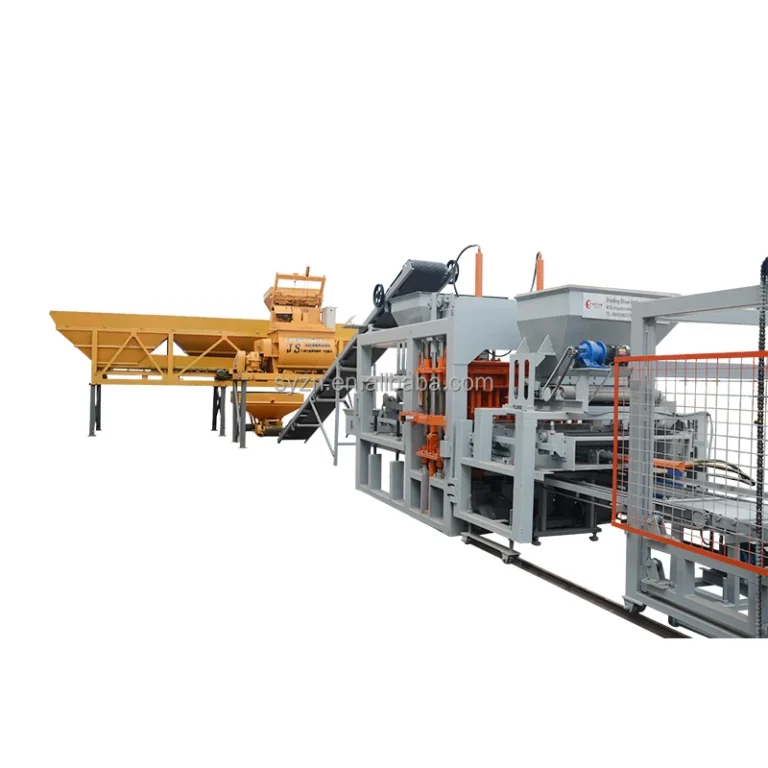
A fully automatic line must be dismantled into transportable modules: the press, the stacking unit, the hydraulic power pack, and the control cabinet. Each module is secured for ocean freight, and the container loading plan is shared with the buyer before dispatch so site preparation can proceed in parallel. [NEED_CITE: standard container loading procedures for heavy industrial presses]
Platform Vibration and Hydraulic Pressure Balance
The 2800–4500 r/min platform vibration works together with the 59 kW hydraulic system to compact material in the mould box. If vibration frequency is set too high for a fine-aggregate mix, the material segregates and block edges crumble. If hydraulic pressure dominates without sufficient vibration, blocks emerge dense but crack during curing. The QT18-15 allows both parameters to be tuned through the PLC, which matters when local sand contains high clay or silt content that absorbs water differently from the test samples used at the factory.
The Hidden Cost of Missing Stacking and Curing Gear
A buyer who orders only the press assumes the downstream equipment is standard, but arrives to find blocks piled by hand while waiting for pallets that were never ordered. This forces temporary manual labor that never fully goes away, since the production rhythm was never designed around a pallet return loop. [NEED_CITE: common causes of block line commissioning delays after delivery]
Why Source the QT18-15 Here
- Block machinery is the sole product focus, so the press, stacking unit, and hydraulic station are specified as one matched system rather than assembled from unrelated suppliers.
- Configuration is set against the buyer’s actual mix design and target block format before production, not pulled from a catalogue default.
- Mould design covers the formats the buyer’s local market sells, including custom drawings submitted by the buyer.
- Automation level is selectable, allowing a buyer to start with semi-automatic stations and expand later without replacing the press.
- Installation and commissioning include on-site operator training covering PLC navigation, mould change, and daily maintenance routines.
Documentation & Verification
- Factory test record run on your submitted aggregate sample before dispatch
- Line layout and capacity calculation stating block format assumed
- Hydraulic and electrical schematic matching the shipped configuration
- Voltage, frequency, and PLC language confirmation sheet signed pre-production
- Operation and maintenance manual with wear parts list
Installation, Commissioning & Support
- Site must provide level concrete foundation matching the 2000 m² recommended footprint for the QT18-15 line
- Dedicated power circuit sized for the combined 60 kW vibration and 59 kW hydraulic load
- Modules arrive dismantled; on-site reassembly and alignment completed during commissioning
- PLC parameters tuned to local mix design during the first production run
- Operator training covers mould change, stacking height adjustment, and fault diagnostics
What to Share Before Requesting a Quote
Provide your target block format with dimensions, daily output target, and a sample or lab report of your local aggregate and sand. Include your site voltage, frequency, and preferred PLC display language. If you have an existing curing yard or forklift, note the dimensions so the stacking layout can be matched accordingly.
Frequently Asked Questions
Q: Which QT18-15 configurations and moulds are currently in stock?
A: Stocked units typically include the standard automatic press with pallet-free stacking module and a selection of hollow and solid block moulds. Custom mould formats require a production run, so confirm your target block dimensions early to check whether a matching mould is available for immediate dispatch or needs to be added to the build queue.
Q: What is the dispatch lead time from order confirmation to port of loading?
A: Stocked configurations can move to container loading within days once voltage, frequency, and PLC language are confirmed. Non-stocked moulds or specific automation add-ons extend the timeline. An estimated dispatch date is provided before the order is finalized so you can align it with your project schedule.
Q: How is the machine dismantled and loaded into containers?
A: The press, stacking unit, hydraulic pack, and control cabinet are separated into transportable modules. A container loading plan with module dimensions and weights is shared with the buyer before shipment, allowing site teams to prepare unloading equipment and staging space in advance.
Q: Can I receive an arrival estimate for my destination port before ordering?
A: Yes. Once the destination port is confirmed, an estimated transit time is provided alongside the dispatch date. This gives buyers a projected arrival window to plan foundation work, utility connections, and raw material procurement before the QT18-15 block machine in stock unit reaches the site.
Q: What voltage, frequency, and PLC language are configured on stocked units?
A: Stocked units are configured for common export voltages, but the exact setting must be confirmed against your local supply before dispatch. PLC language is selectable and confirmed during the order process to avoid commissioning delays caused by an unreadable interface on arrival.