
Description
Ready-to-ship configuration — QT18-15 units and matched moulds held in inventory, dispatched on a confirmed date so your project schedule is not held hostage to factory build slots.
Technical Specifications
| Parameter | Value |
|---|---|
| Model | QT18-15 |
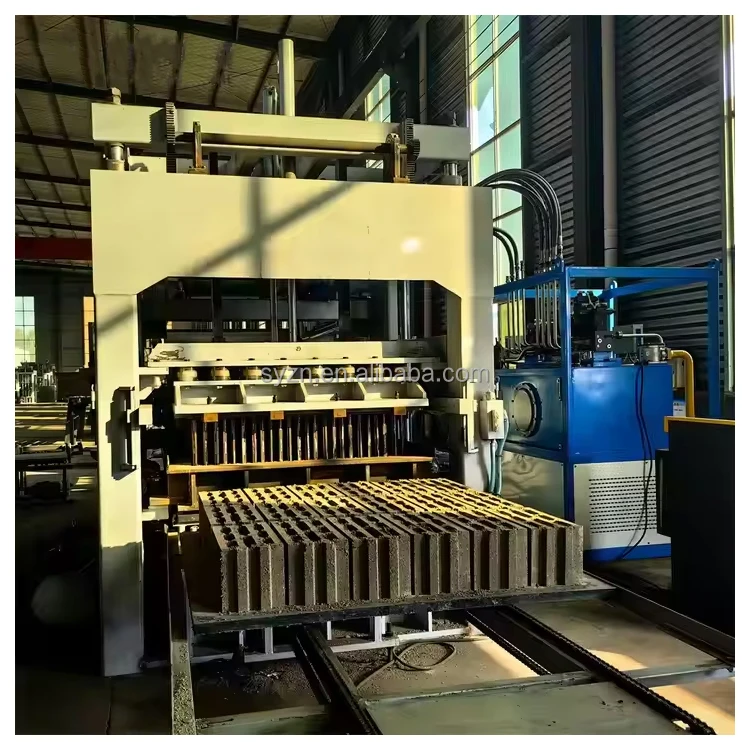
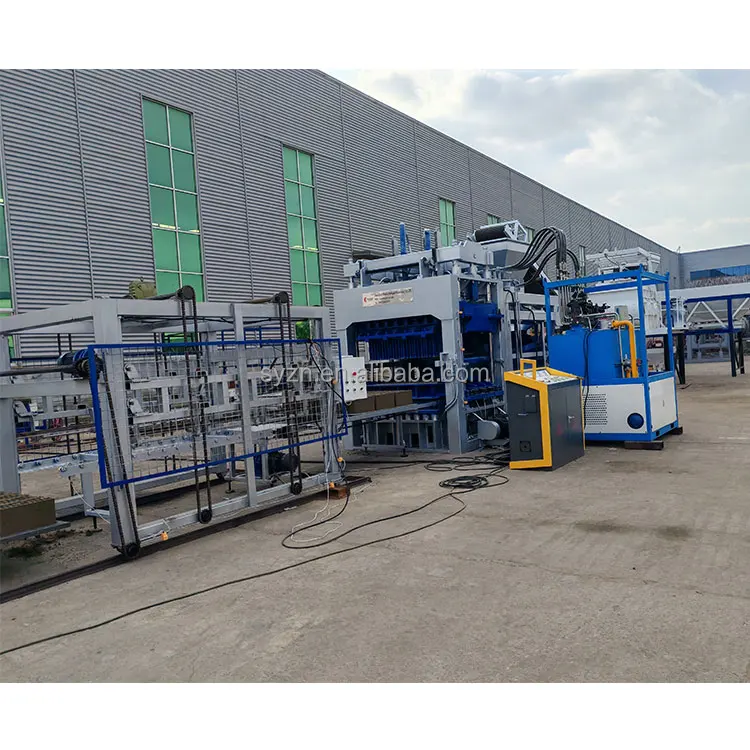
| Product Type | Automatic Hydraulic Concrete Block Making Machine |
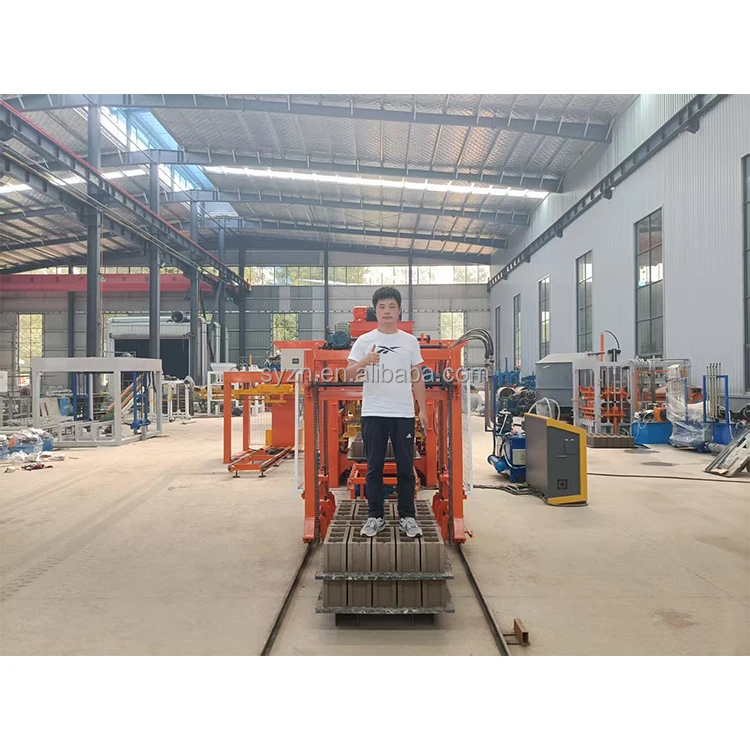
| Overall Dimensions (L×W×H) | 9350×2520×2950 mm |
| Net Weight | 18 T |
| Rated Power | 90 kW |
| Voltage & Frequency | 380V or custom (frequency not stated in source — confirm with supplier) |
| Demoulding Method | Hydraulic |
| Pallet Size | 1350×1350×30 mm |
| Vibration System | Four external vibration motors |
| Upper Mold Synchronization | Dual-side synchronous gear |
| Vibration Damping | Airbag system with adjustable air pressure |
| Material Feeder | Cylinder with turning arm (European design) |
| Standards | ISO 9001:2008, CE |
Application Suitability
| Application | Material or Output |
|---|---|
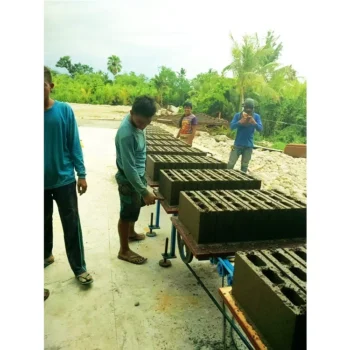
| Hollow block production | Crushed stone, cement, and local aggregate mixes |
| Interlocking brick manufacturing | Stabilized soil or concrete blends with cement binder |
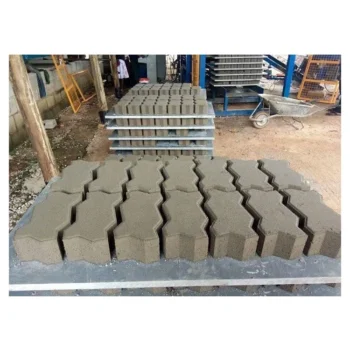
| Paver and solid block production | Fine aggregate and cement with pigment where required |
| High-volume block plant operation | Continuous daily output across multiple block formats using interchangeable moulds |
| On-site contractor production | Raw materials sourced locally near construction or housing project sites |
Why a Vague Lead Time Can Stall Your Entire Project
A machine that ships on a confirmed date keeps every downstream decision — foundation work, electrical pull, operator hiring — on schedule.
When a buyer hears "about 45 days" at the quotation stage, what often happens is the real dispatch slides week by week while the project site sits idle. Foundations cure, electricians move to other jobs, and shipping windows close. The QT18-15 block machine in stock avoids that drift because the unit is already assembled, tested, and awaiting container assignment rather than waiting for a production slot. I have watched contractors lose an entire rainy season because a block machine’s "estimated" delivery kept slipping [NEED_CITE: typical shipping delays caused by unspecified lead times].
What "In Stock" Actually Means for This Machine
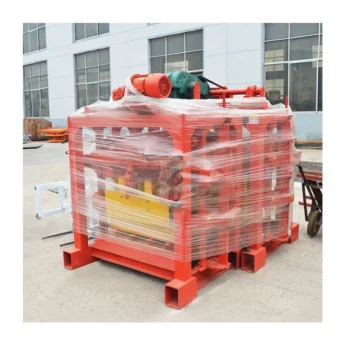
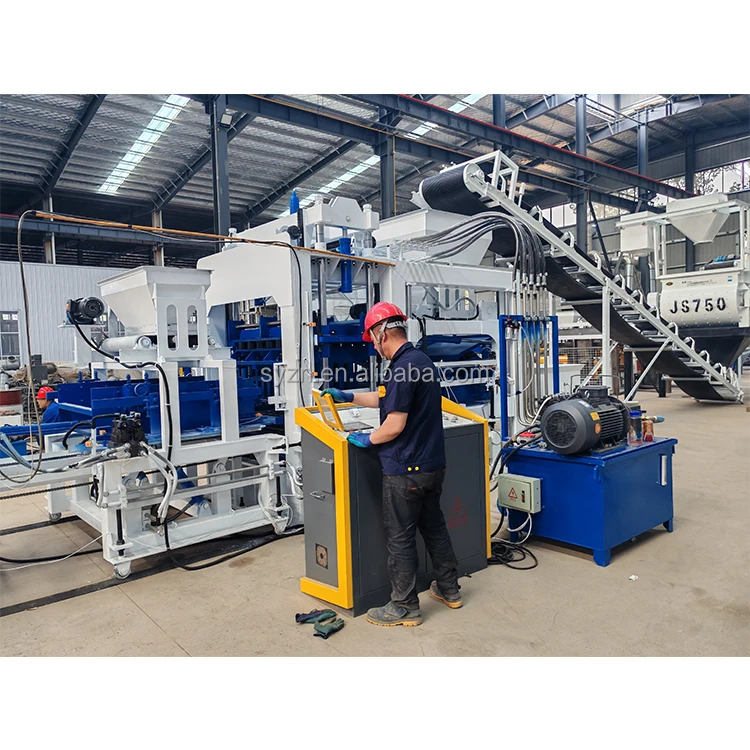
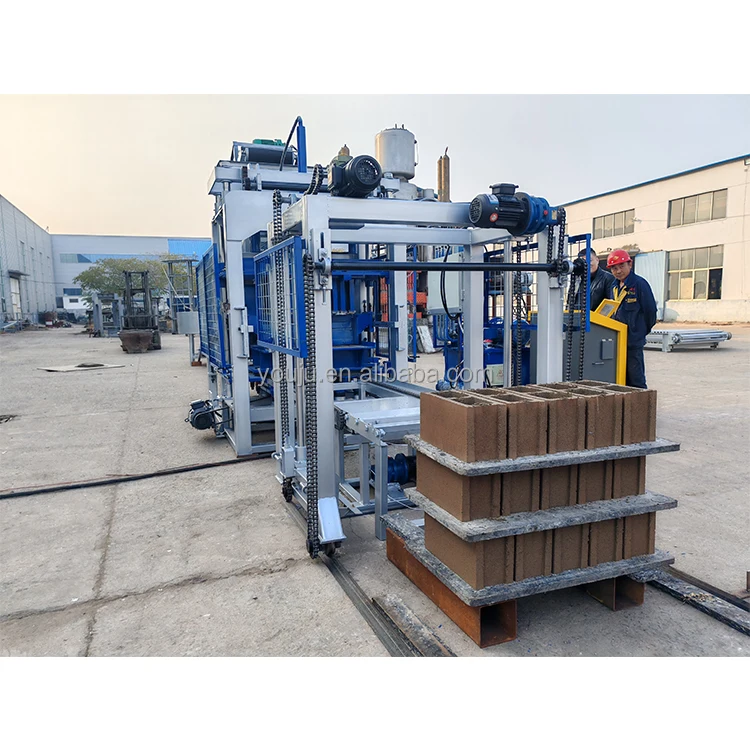
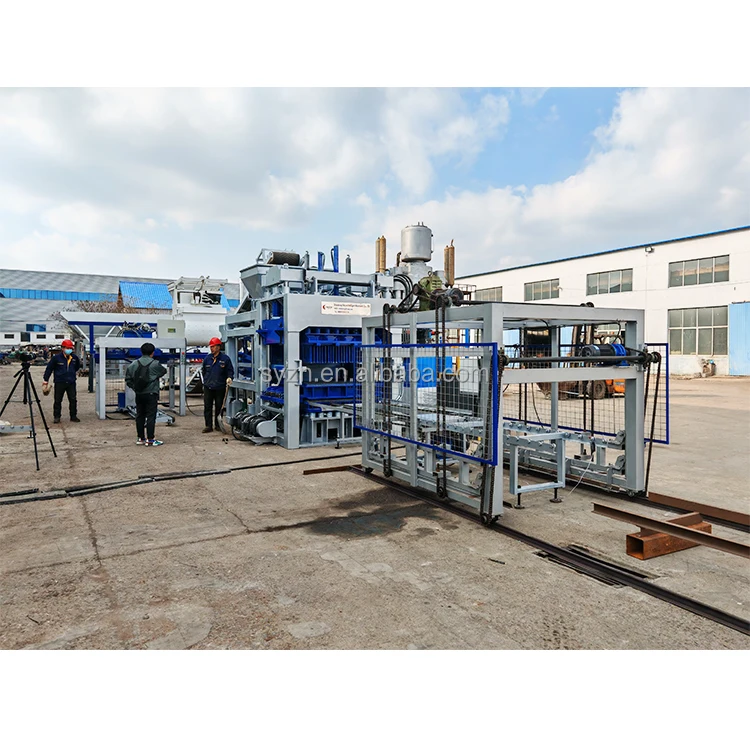
Stocked QT18-15 block machine in stock units have completed the factory test cycle before being listed for dispatch. That means the hydraulic system has been pressurized, the four vibration motors have run under load, and the dual-side synchronous gear has cycled through demoulding sequences. The machine is not sitting in component form waiting for an order to trigger assembly. Buyers receive packing photographs showing the actual unit they purchased, not a catalogue image, so there is no ambiguity about what arrives at port.
Container Loading and Transit Planning
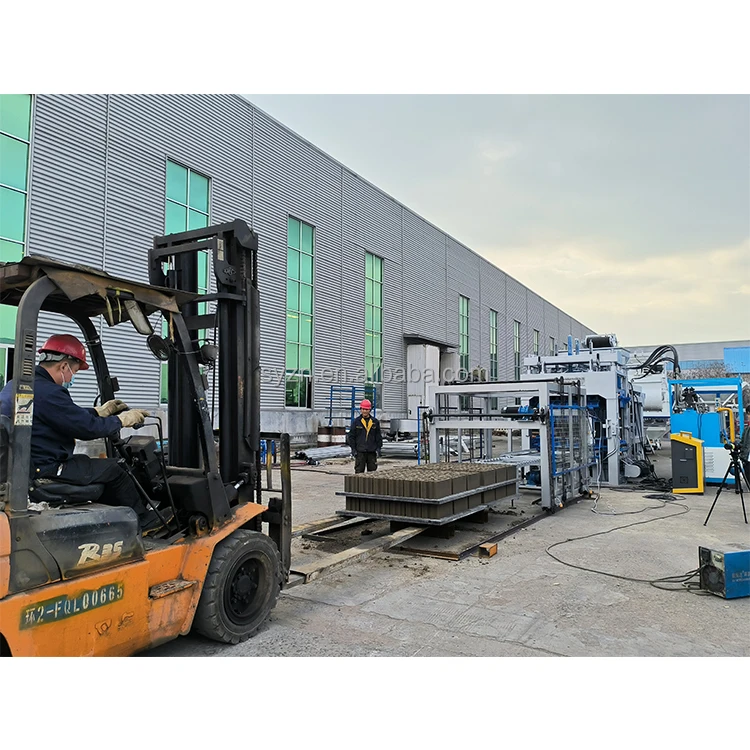
A machine of this size — over nine meters long and weighing 18 tonnes — requires careful dismantling planning before it enters a container. The QT18-15 block machine in stock is broken down into main frame, hydraulic station, feeder assembly, and control cabinet as separate secured loads. A detailed loading layout is provided before the container is sealed, so the buyer’s receiving team knows exactly which crate holds which sub-assembly. Transit time from Linyi to destination port is quoted at the quotation stage, not discovered after the bill of lading is issued [NEED_CITE: container shipping transit variables for heavy machinery].
Reading the Specifications That Matter on Site
The 1350×1350×30 mm pallet size is the first dimension a buyer should verify against existing curing racks and forklift capacity. Pallets that do not match the curing area mean blocks are restacked by hand, and forklifts rated below the loaded pallet weight create a daily bottleneck. The 90 kW rated power spread across four external vibration motors reduces the starting current surge per motor compared to a two-motor layout, which matters where site supply transformers are already serving other equipment. The airbag vibration damping system allows pressure adjustment to suit different block formats without mechanical modification — switching from hollow blocks to pavers becomes a setting change rather than a workshop task. The cylinder feeder with turning arm, drawn from European design practice, distributes material evenly across the full pallet area, which directly affects block weight consistency from one cycle to the next.
The Cost of Skipping Pre-Shipment Voltage Confirmation
Machines configured for the wrong voltage sit idle at the destination while transformers are sourced or motors are rewound. This is not a theoretical risk — I once shipped a hydraulic interlocking block machine to a site in West Africa where the local grid ran at a frequency our motor supplier had not been told about. The machine sat for nearly a month while replacement components were air-freighted. Since that job, every QT18-15 dispatch includes a video call between our electrician and the buyer’s on-site electrical team to confirm voltage, frequency, and control panel language before the machine leaves the factory floor. Skipping this step turns a fast delivery advantage into a costly delay [NEED_CITE: voltage and frequency standards by export market].
Why Buyers Source This Machine Here
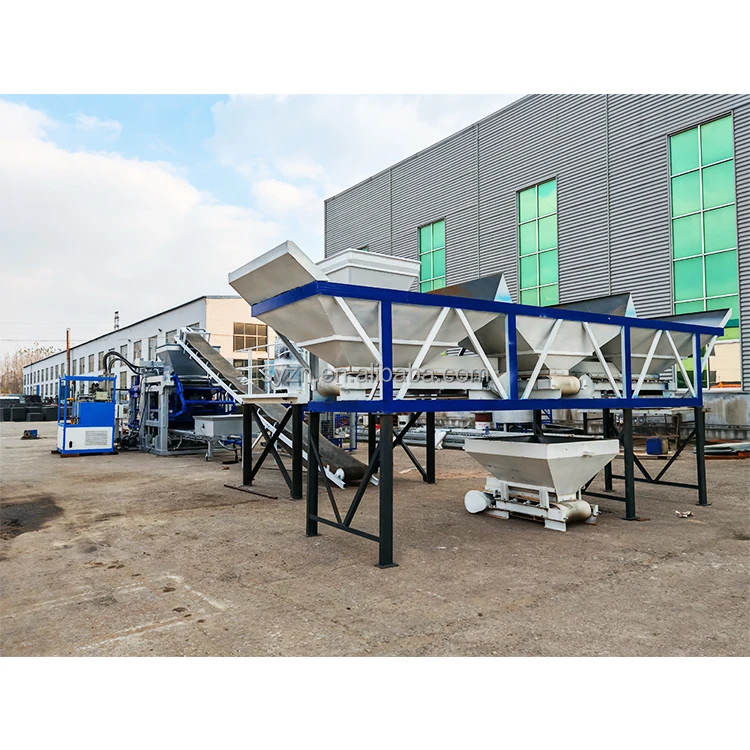
Block machinery is the single focus of the production floor, which means the press, mould, pallet, and handling equipment are specified as one matched system rather than assembled from unrelated suppliers. The QT18-15 configuration is set against the buyer’s actual mix design and local aggregate, not pulled from a default catalogue row. Moulds for the specific block formats the buyer’s market sells — including custom drawings — are produced in the same facility, keeping dimensional tolerances aligned with the machine’s vibration table. Automation level is selectable, so a buyer can start with semi-automatic pallet handling and add stacking automation later without replacing the press. Installation support and operator training are included in the scope, not offered as an optional extra that most buyers skip until they realize they need it.
Documentation & Verification
- Line layout with capacity calculation stated per block format and pallet cycle time
- Factory test record run on the buyer’s target block dimensions before dispatch
- Voltage and frequency confirmation sheet signed by both parties before shipment
- Hydraulic and electrical schematic matched to the as-built machine configuration
- Packing photographs of the actual unit showing dismantling and securing detail
- CE declaration and ISO 9001:2008 compliance documentation included in the shipping file
Installation, Commissioning & Support
- Foundation pad sized to the 9350×2520 mm footprint with anchor bolt layout provided before pour
- Dedicated 90 kW circuit with correct breaker rating confirmed against the buyer’s local supply voltage
- Machine arrives dismantled into labeled sub-assemblies with reassembly sequence documented
- First production run supervised on site with vibration pressure tuned to the buyer’s aggregate and mix
- Operator training covers mould change procedure, airbag pressure adjustment, and daily inspection points
- Wear parts and mould list supplied with recommended replacement intervals for the buyer’s production volume
What We Need from You to Confirm Dispatch
To match a stocked QT18-15 to your site, the key details are your target block format and daily output requirement, the voltage and frequency available at your plant, and the PLC display and manual language your operators need. If you have existing curing racks or forklifts, sharing their dimensions helps us confirm pallet compatibility before the machine ships. Tell us which moulds you need for your first production run, and we will confirm which are in stock alongside the machine.
Frequently Asked Questions
Q: Which QT18-15 configurations are currently in stock and what is the dispatch lead time?
A: Standard QT18-15 units with the 1350×1350 mm pallet configuration are held ready for dispatch. Lead time from order confirmation to container loading is quoted in writing at the quotation stage based on the specific mould set and voltage configuration you require. Units needing custom voltage or frequency are built against a separate schedule.
Q: How is the machine dismantled for container loading and how long does reassembly take on site?
A: The QT18-15 is dismantled into the main frame, hydraulic station, feeder assembly, vibration table, and control cabinet. Each sub-assembly is labeled and secured with a documented loading plan. Reassembly time depends on site preparation and crane availability, which we confirm during the pre-shipment planning stage.
Q: Can I order standard moulds from stock alongside the machine?
A: Standard moulds for common hollow block and interlocking brick formats are available for dispatch with the machine. Custom moulds built to buyer drawings require a separate production window. We confirm which moulds are in stock at the quotation stage so your first production run can start immediately after commissioning.
Q: What voltage and frequency options ship without delaying the dispatch date?
A: The standard 380V configuration ships fastest from stock. Custom voltage or frequency requirements are confirmed through a video call between our electrician and your site team before dispatch. Machines requiring non-standard electrical configurations are held until the correct components are installed and tested, which adds to the lead time.
Q: When will the machine arrive at my port — is the transit estimate quoted upfront?
A: Estimated transit time from Linyi to your destination port is included in the quotation so you can plan foundation work, electrical installation, and operator availability around a known arrival window. Actual sailing dates depend on carrier scheduling, which we confirm once the container is booked.