Description
Stocked Dispatch — QT4-15A block machine units held in yard with confirmed vessel booking windows, so your project start date is fixed before you sign.
Technical Specifications
| Parameter | Value |
|---|---|
| Model | QT4-15A |
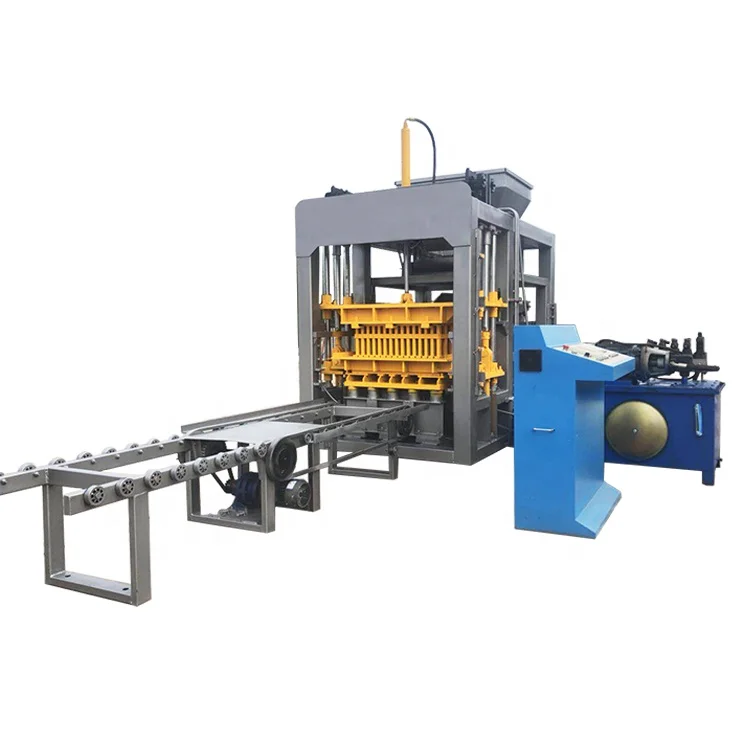
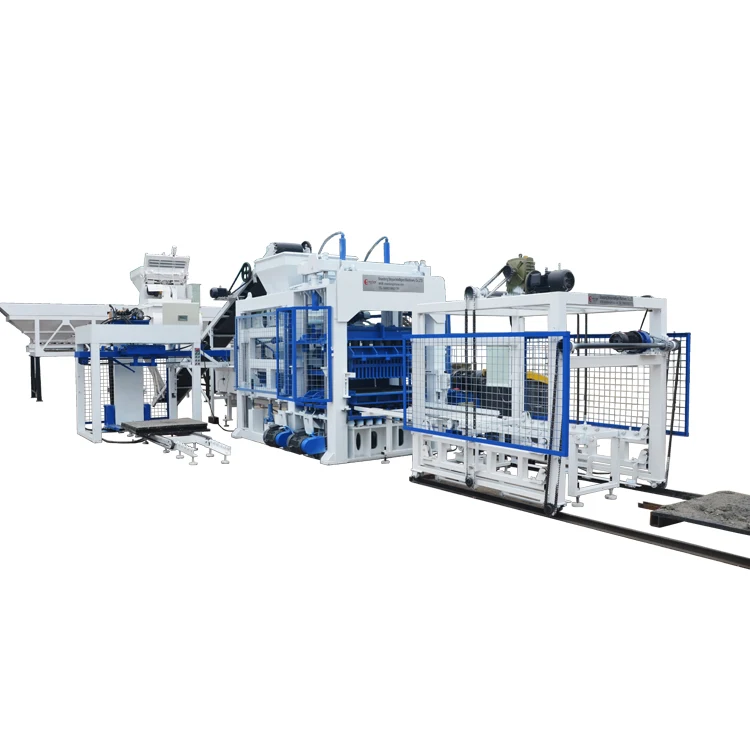
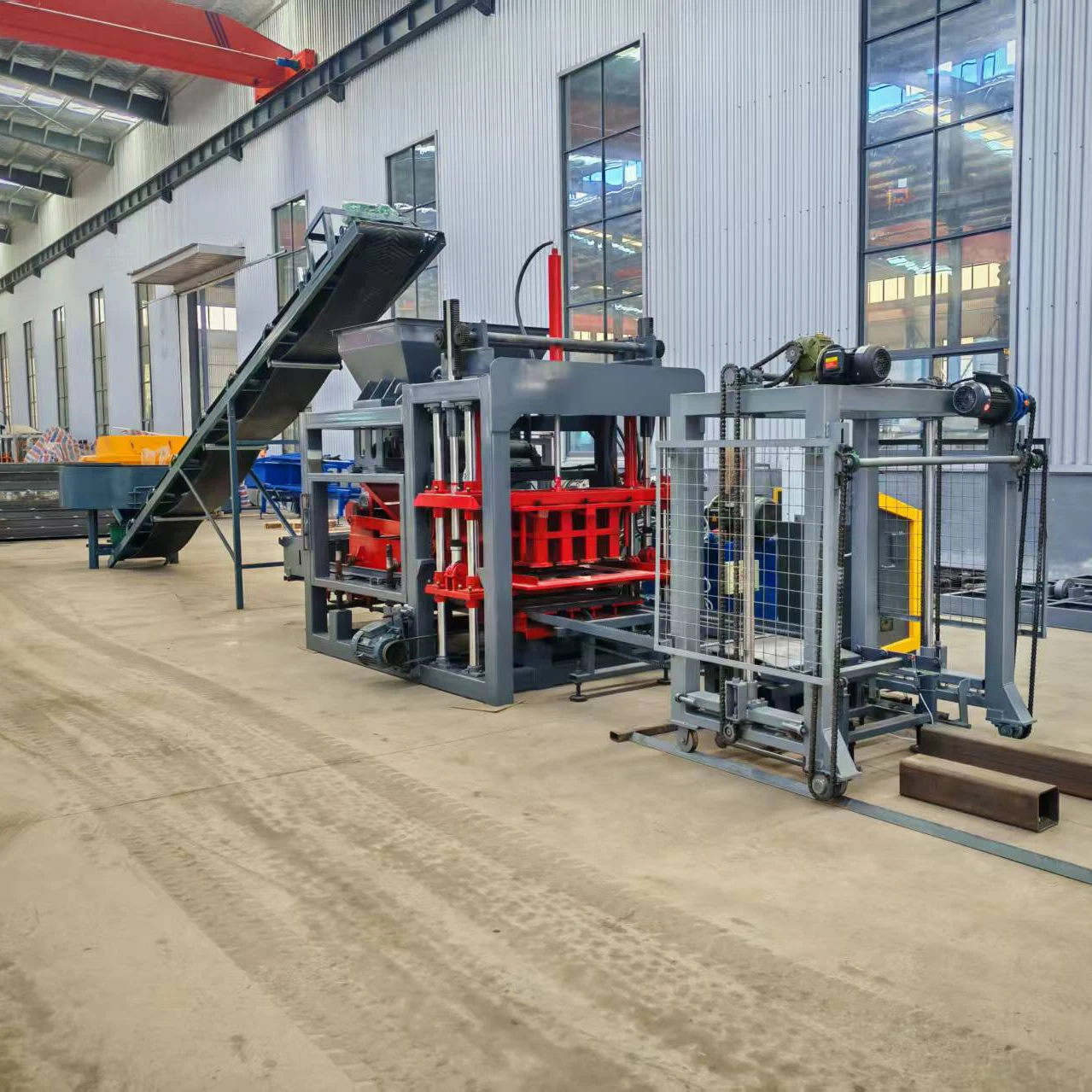
| Product Type | Fully Automatic Concrete Block Making Machine |
| Overall Dimensions | 4100 × 1600 × 2600 mm |
| Total Mass | 4 T |
| Rated Pressure | 16–21 MPa |
| Main Vibration Form | Platform Vibration |
| Vibration Frequency | 4200 r/min |
| Vibration Force | 55 kN |
| Pallet Size | 880 × 550 mm |
| Molding Cycle | 25–30 s per pallet (basis not stated in source — confirm block format and material before quoting daily output) |
| Overall Power | 18.45 kW |
| Demolding Method | Hydraulic |
| Factory Area Required | 300 m² |
| Automation Level | Fully automatic |
| Control System | PLC |
| Voltage & Frequency | Configurable to destination market (to be confirmed before dispatch) |
| Container Loading | 1 × 40HQ (basic equipment) |
| Warranty | 1 year |
| Standards | CE (verify for specific unit) |
Application Suitability
| Application | Material or Output |
|---|---|
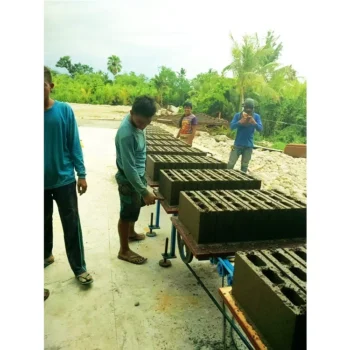
| Hollow block production for commercial and residential wall systems | Crushed stone, sand, cement, fly ash, and gravel mixes |
| Solid block manufacturing for load-bearing structures | Dense aggregate blends with cement binder |
| Paving block and interlocking block runs for external hardscapes | Colored concrete mixes with fine sand and pigment |
| Kerbstone and curb units for road and drainage infrastructure | High-strength concrete with coarse gravel and slag |
| On-site production by contractors against a project deadline | Locally sourced aggregates including dust and slag |
Why the Voltage Question Must Come Before the Container Booking
Confirming your site voltage and frequency before the QT4-15A block machine in stock fast delivery leaves the yard prevents a burned motor and a stalled project.
Over the years supervising block machine dispatch from the Pearl River Delta, I have watched a QT4-15 ship to a West African site running on a 440V/60Hz generator set. The voltage was never checked against the motor nameplate. The motor burned within minutes of first power-up, and a replacement transformer had to be air-freighted — three weeks of idle crews, rented formwork sitting unused, and a contractor paying daily penalties. That single unchecked field on the order form cost far more than the machine itself [NEED_CITE: voltage and frequency standards by export market]. Every QT4-15A block machine in stock fast delivery must have voltage, frequency, and PLC display language confirmed in writing before it enters the container.
Dispatch Timing and What "In Stock" Actually Means
When a buyer sees a QT4-15A block machine in stock fast delivery listing, the first question should be whether the exact unit with its serial number is sitting on the yard floor or still on the assembly bench. True stock means the mainframe, hydraulic station, vibration platform, and PLC cabinet are fully assembled and have passed a factory test cycle. The machine can then be dismantled for loading within days rather than weeks. For contractors working against a project deadline or distributors with a fixed vessel booking window, that distinction determines whether blocks are on the pallet by the time the foundation crew finishes or whether the site sits empty.
Container Loading and Arrival Planning
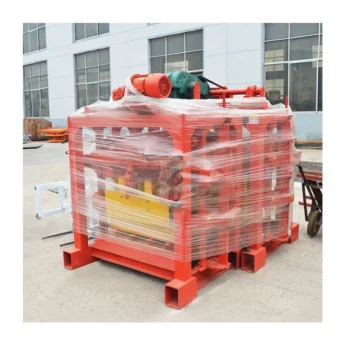
A single 40HQ container carries the basic QT4-15A equipment set. The mainframe, hydraulic unit, and pallet feeder are dismantled to fit the container profile, while the PLC cabinet and electrical wiring are typically crated separately to protect sensitive components during ocean transit. The loading plan — which assemblies go in first, how the vibration platform is braced, where moulds are secured — should be documented with packing photographs before the container doors close [NEED_CITE: container loading standards for heavy industrial machinery]. This is what lets a buyer on the receiving end plan forklift capacity, crane hire, and unloading crew size before the vessel docks.
Reading the Specs That Matter on Site
The platform vibration system delivers 55 kN of force at 4200 r/min, which is the combination that compacts crushed stone and fly ash mixes into dense hollow and solid blocks. Vibration alone does not determine block strength — the 16–21 MPa hydraulic pressure applied during the molding cycle works together with vibration to squeeze air voids out of the mix before the hydraulic demolding releases the finished block from the mould. If vibration force is high but hydraulic pressure is too low for the buyer’s specific aggregate blend, blocks leave the press looking formed but crumble under handling.
The 880 × 550 mm pallet size is not a universal standard. Before the QT4-15A block machine in stock fast delivery ships, the buyer must check that this pallet dimension matches the curing racks already welded on site and the fork pockets on the forklift in the yard. A pallet that is 50 mm wider than the curing rack slots means every single rack needs re-welding before production can start — a delay that no amount of fast dispatch can recover.
The 25–30 s molding cycle is measured per pallet, but the block format assumed in that cycle time must be confirmed with the factory. A 400 × 200 × 200 mm hollow block and a 60 mm thick interlocking paver do not share the same cycle, and quoting daily output on one format while the buyer intends to run another is a common source of disappointment on the first production day.
The Hidden Cost of Skipping Configuration Checks
When pallets, moulds, and handling equipment are left out of the quotation, the buyer arrives at the site with a press that produces blocks onto pallets that nobody specified. Output piles up on the floor because there is no stacking system, and workers spend half the shift moving wet blocks by hand instead of feeding the mixer. Voltage mismatches, as noted earlier, can destroy the motor on first start-up. And if the PLC display arrives in a language the local operator cannot read, the first week of production becomes a trial-and-error exercise in navigating menus instead of dialing in mix ratios [NEED_CITE: CE machinery directive requirements for control panel language].
What Purchasing Through This Channel Secures
Block machinery is the single product focus here, which means the QT4-15A press, its moulds, pallets, and handling equipment are specified as one matched system rather than sourced from separate suppliers and bolted together on site. Configuration is set against the buyer’s actual mix design and local aggregate — not a catalogue default that assumes materials the buyer cannot obtain. Mould design covers the formats the buyer’s market actually sells, with custom drawings available when standard moulds do not match local block dimensions. Automation level is selectable, so a buyer can start with the fully automatic QT4-15A configuration and plan future line expansions without replacing the press. Installation support and operator training are included, ensuring the crew can run the machine independently before the technician leaves the site.
Documentation & Verification
- Factory test record on the specific QT4-15A serial number before container loading
- Machine specification sheet confirming voltage, frequency, and PLC display language
- Pallet specification matched to your curing rack dimensions and forklift capacity
- Container loading plan with packing photographs showing dismantling and bracing arrangement
- Hydraulic and electrical schematic for on-site troubleshooting after commissioning
- Customs documentation package prepared for destination port clearance
Installation, Commissioning & Support
- 300 m² factory area requirement confirmed against your site plan before dispatch
- Electrical supply must match confirmed voltage and frequency with a dedicated circuit for the 18.45 kW total load
- Machine arrives dismantled; mainframe, hydraulic station, and vibration platform reassembled on prepared foundation
- PLC control system commissioned with operator language set to match your local crew
- Mould change procedure and cycle time by format trained on site during first production run
- Wear parts list and hydraulic seal kit provided for first scheduled maintenance interval
Preparing Your Inquiry
To move from inquiry to dispatch on a QT4-15A block machine in stock fast delivery, share your target block format and daily output requirement so the capacity calculation can be stated against a known product. Confirm your site voltage, frequency, and preferred PLC display language to avoid commissioning delays. Specify whether pallets, moulds, and handling equipment should be included in the shipped package or sourced locally.
Frequently Asked Questions
Q: What is the actual dispatch lead time for the QT4-15A, and is the quoted model currently in stock?
A: Stocked QT4-15A units can be prepared for container loading once the configuration — voltage, frequency, mould format, and pallet specification — is confirmed in writing. The exact dispatch lead time depends on whether the unit is fully assembled on the yard or completing final factory tests. Request written confirmation of stock status and estimated loading date before placing the order.
Q: How is the machine dismantled and loaded into a 40HQ container, and what arrives assembled versus flat-packed?
A: The mainframe, vibration platform, and hydraulic station are dismantled to fit the 40HQ container profile. The PLC cabinet and electrical components are crated separately. Packing photographs document each assembly’s position and bracing before the doors close, so the receiving team can plan crane and forklift requirements for unloading.
Q: Are pallets, moulds, and supporting handling equipment included in the shipped package or quoted separately?
A: The basic QT4-15A equipment set fits one 40HQ container. Pallets, moulds for specific block formats, and handling equipment such as stackers or curing rack systems can be included in the same shipment or quoted as separate line items. Confirm the full package scope before the loading plan is finalized.
Q: Can voltage, frequency, and control panel language be confirmed and adjusted before the machine leaves the factory?
A: Yes. Voltage and frequency are configured to the destination market’s power supply, and the PLC display language is set to match the local operator’s requirements. These parameters must be confirmed in writing before production or pre-dispatch testing begins to avoid on-site commissioning delays.
Q: What is the estimated arrival timeline once dispatched, and how is customs documentation handled?
A: Ocean transit time depends on the destination port and vessel routing. A customs documentation package is prepared to support clearance at the port of entry. Request the estimated arrival timeline and documentation checklist at the time of order confirmation so port-side arrangements can be made in advance.