
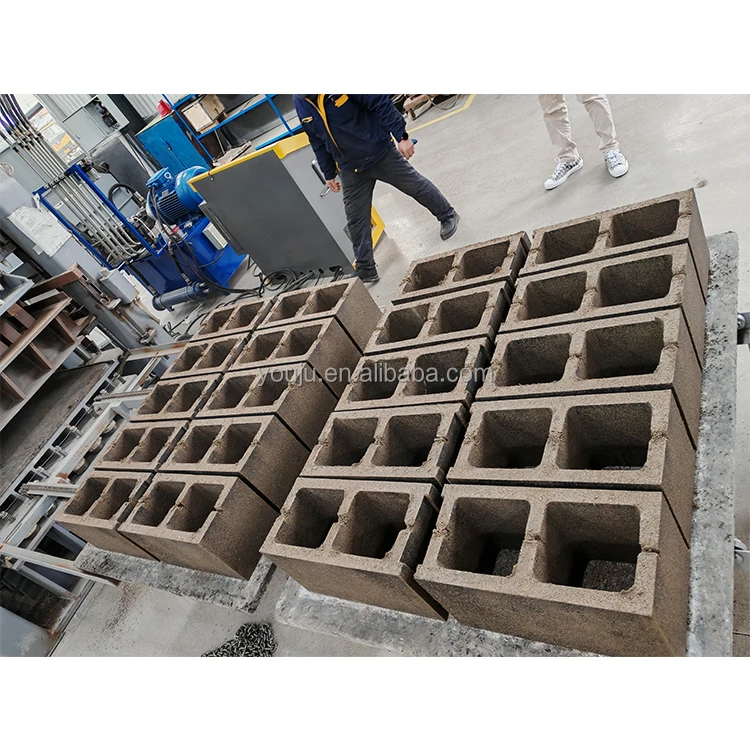

Description
Ready-to-ship availability — the QT5-15 block machine in stock ships with standard moulds and a confirmed dispatch lead time, so project deadlines stay intact while container loading is planned before the order is signed.
Technical Specifications
| Parameter | Value |
|---|---|
| Model | QT5-15 |
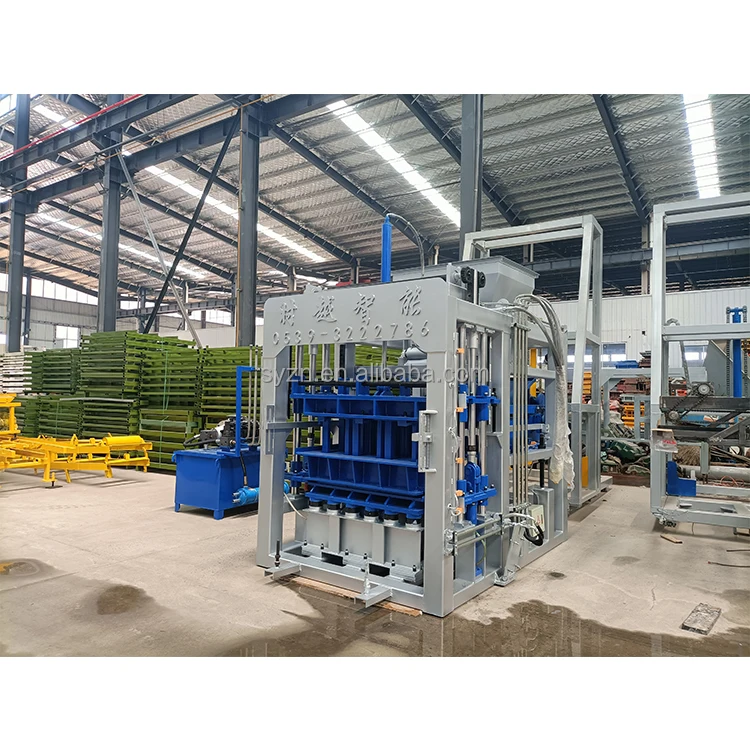
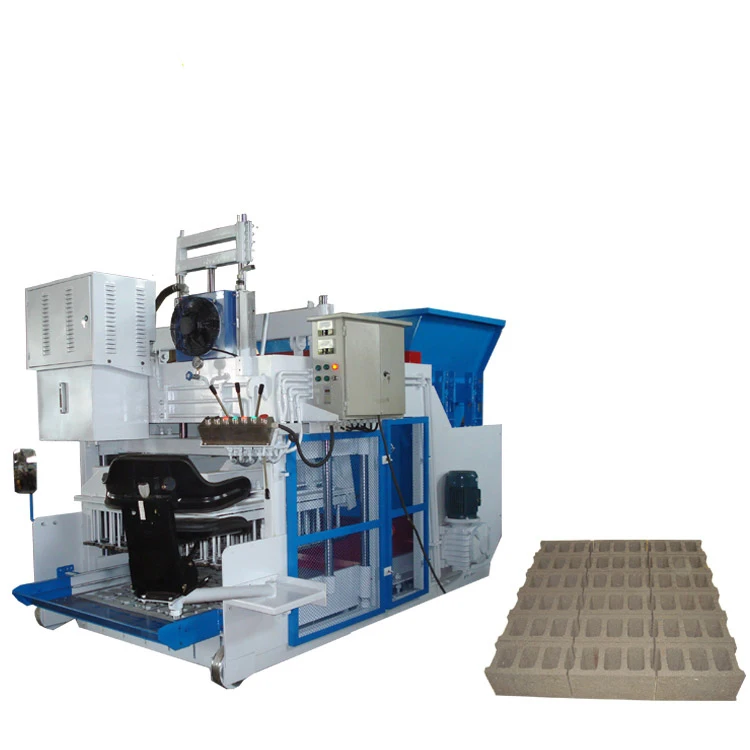
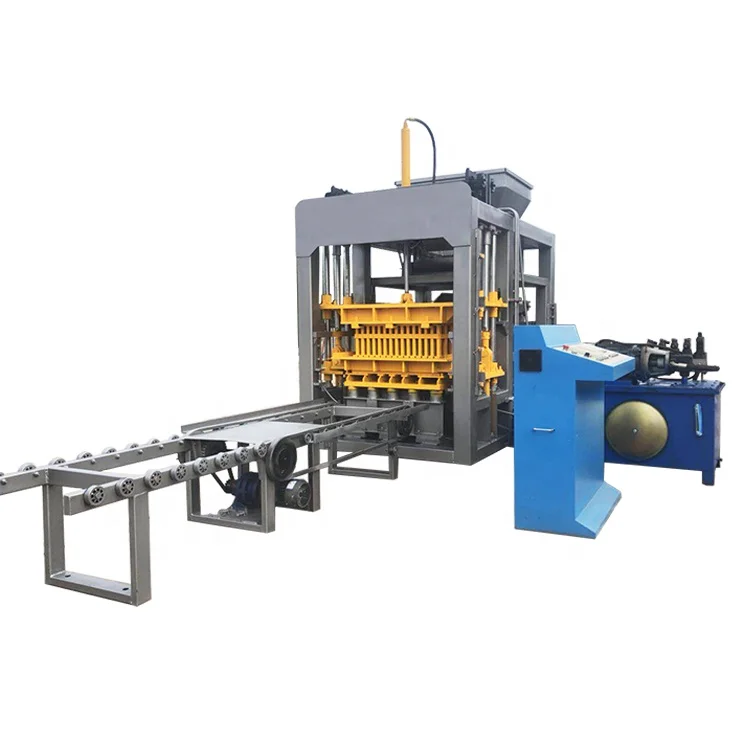
| Product Type | Automatic Hydraulic Concrete Block Making Machine |
| Overall Dimensions (L×W×H) | 7400 × 1950 × 2800 mm |
| Rated Pressure | 21 MPa |
| Main Vibration Form | Hydraulic platform vibration |
| Vibrating Frequency | 2800–4500 rolls/min |
| Cycle Time | 15–20 seconds (basis to be confirmed) |
| Motors Power | 26.5 kW |
| Pallet Size | 1100 × 550 mm |
| Net Weight | 6 T |
| Voltage | According to buyer needs |
| Control System | PLC with fault diagnosis and remote monitoring |
| Automation Level | Full automatic |
| Assembly State | Stationary |
| Theoretical Output (240×115×90 mm) | 16 pcs/mould, 23040–28800 pcs/8h (basis: solid brick format) |
| Theoretical Output (400×115×53 mm) | 32 pcs/mould, 61440–70400 pcs/8h (basis: standard brick format) |
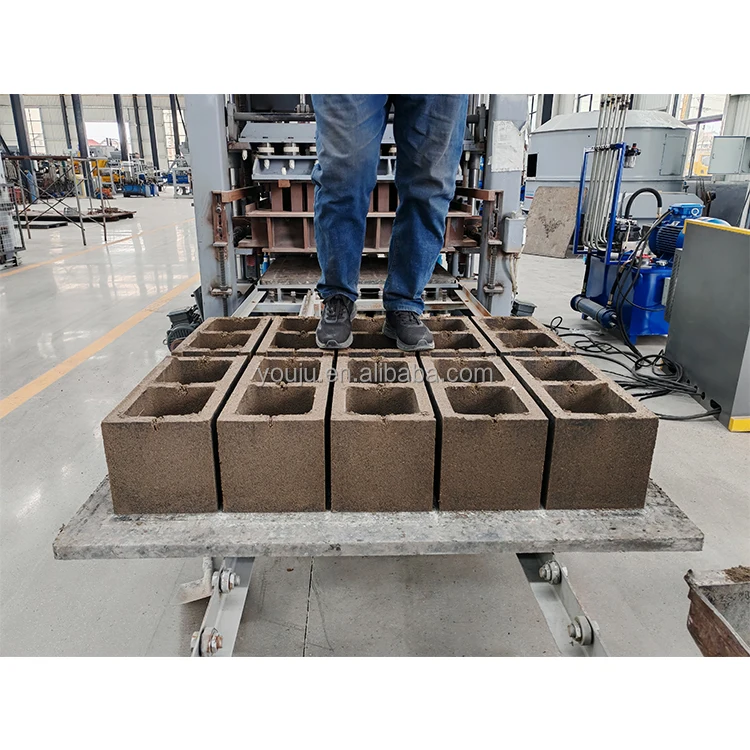
| Theoretical Output (400×200×200 mm) | 5 pcs/mould, 7200–9600 pcs/8h (basis: hollow block format) |
Application Suitability
| Application | Material or Output |
|---|---|
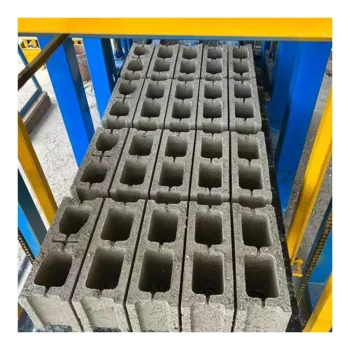
| Hollow block production | Crushed stone, cement, sand and gravel aggregate for load-bearing masonry |
| Multicellular brick production | Lightweight aggregate and cement blends for partition walls |
| Paving brick production | High-density mix designs for pedestrian and vehicular hardscape |
| Standard brick production | Cement and local sand for residential and commercial construction |
Why "QT5-15 Block Machine in Stock" Should Mean More Than a Warehouse Label
A stocked machine that arrives with the wrong voltage is not stocked at all — it is a three-week delay sitting on your curing floor.
I once watched a Middle East contractor lose a full production cycle because the QT5-15 block machine in stock he ordered was wired for 380V/50Hz while his site ran on 415V/60Hz. The transformer retrofit ate into his schedule and cost him thousands per day in idle labour. A fast delivery promise means little when commissioning stalls over an electrical mismatch [NEED_CITE: voltage and frequency standards by export market]. The real value of a stocked unit is a machine that plugs in, powers on and runs blocks the same week it clears customs.
What Stock Really Covers Beyond the Press
A QT5-15 block machine in stock is only as ready as the moulds, pallets and electrical components that ship alongside it. Standard mould sets for hollow blocks and paving bricks are held in the warehouse, so a buyer can load a container with the press and the two most common formats in one shipment. When a custom mould drawing is needed, the lead time is quoted separately so the dispatch date for the press itself stays firm.
Container Loading and Dismantling That Match the Dispatch Date
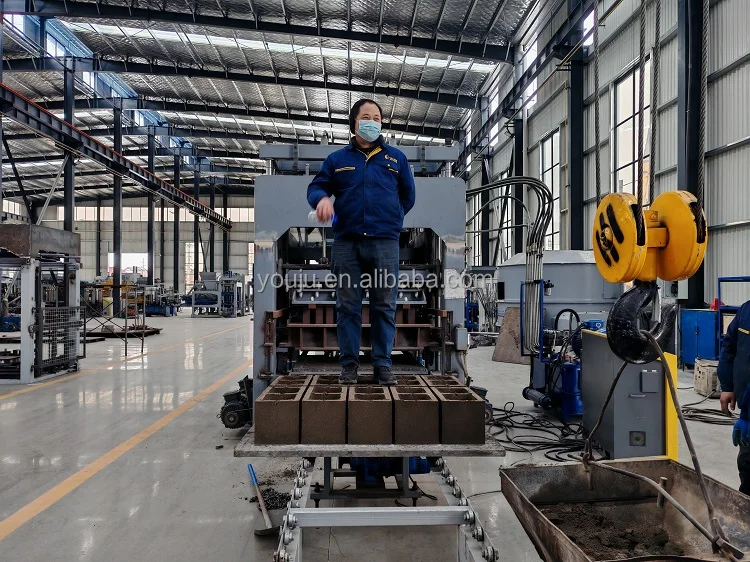
The 7400 mm frame length and 6 T net weight require a specific dismantling sequence and a 40-foot high-cube container layout. Every QT5-15 block machine in stock is broken down into the press body, hydraulic station, PLC cabinet and pallet feeder as numbered sub-assemblies. Loading photographs are taken before the container doors close, so the buyer knows exactly how to reverse the sequence when the machine reaches the site [NEED_CITE: container loading standards for heavy industrial machinery].
How 21 MPa and Hydraulic Vibration Shape the Block You Sell
The 21 MPa rated pressure works together with the hydraulic platform vibration at 2800–4500 rolls/min to compact the mix into a dense, consistent unit. Higher frequency suits fine-aggregate paving bricks where surface finish matters; lower frequency penetrates coarser hollow-block mixes where core density carries the structural load. The PLC adjusts vibration duration per cycle, so switching from hollow blocks to pavers does not require manual timer resets. Pallet size at 1100 × 550 mm must align with the curing racks and forklift tines already in the buyer’s yard — a mismatch here blocks production just as surely as a missing spare part.
The Hidden Cost of Skipping the Electrical Confirmation
Shipping a QT5-15 block machine in stock without locking voltage, frequency and PLC display language turns a fast dispatch into a slow commissioning. The motor windings, hydraulic pump timing and PLC clock all reference the supply frequency; running a 50Hz machine on 60Hz power shifts motor RPM and alters vibration behaviour. Rewinding motors on site is rarely an option, and waiting for a replacement transformer can push a project past its handover date [NEED_CITE: CE machinery directive requirements for industrial equipment].
Why Buyers Source This Machine Here
Block machinery is the sole product focus, so the QT5-15 is specified as one matched system — press, mould, pallet and handling — rather than assembled from separate catalogues. Configuration is set against the buyer’s actual mix design and target block format, not a default line. Standard moulds ship from stock, and custom moulds are built to buyer drawings with lead times quoted up front. Voltage and control language are confirmed on an electrical sign-off sheet before production begins. Factory test records show cycle time on the buyer’s chosen format, not a generic figure.
Documentation & Verification
- Factory test record showing cycle time on your specified block format before dispatch
- Electrical confirmation sheet signed by both parties listing voltage, frequency and PLC language
- Mould drawing and format list matching the pallet size and block dimensions you confirmed
- Hydraulic and electrical schematic for on-site troubleshooting
- Packing photographs taken at container loading for damage-reference on arrival
Installation, Commissioning & Support
- Foundation pad must be level within tolerance to support the 7400 × 1950 mm footprint and 6 T mass
- Dedicated power circuit sized for 26.5 kW total motor load at confirmed voltage and frequency
- Numbered sub-assemblies allow on-site reassembly following the dismantling photographs
- PLC fault diagnosis screen guides operators through first-cycle parameter tuning
- Hydraulic hoses and vibration motor bearings listed as first-replacement wear parts
- Operator training covers mould change procedure and pallet feeder alignment
Before You Request a Quote
Share the block format you will run most often, the daily output you need, and the aggregate available at your site. Confirm the voltage and frequency at your yard, the PLC language your operators read, and whether your existing forklift and curing racks match a 1100 × 550 mm pallet. With those details the dispatch lead time and container loading plan can be quoted in the same document as the machine price.
Frequently Asked Questions
Q: Which QT5-15 models and standard moulds are currently in stock?
A: Standard configurations of the QT5-15 with hollow block and paving brick moulds are held ready for dispatch. Custom moulds are built to buyer drawings with a separate lead time. Stock status is confirmed in writing at the quotation stage so you know exactly which items ship immediately.
Q: What is the dispatch lead time from order to container loading?
A: Stocked QT5-15 units typically move to container loading once the electrical confirmation sheet is signed and payment terms are met. The dispatch date is stated on the quotation so you can plan site preparation and customs clearance around a known timeline.
Q: How is the machine dismantled and packed for shipment?
A: The press body, hydraulic station, PLC cabinet and pallet feeder are separated into numbered sub-assemblies that fit a 40-foot high-cube container. Loading photographs document the arrangement before doors close, giving your site team a clear reassembly reference.
Q: What arrival estimate can I expect based on my destination port?
A: Sea transit time depends on the destination port and shipping line schedule. An arrival estimate is provided at quotation based on the confirmed dispatch date and typical sailing durations, so you can align foundation work and raw material delivery with the machine’s arrival.
Q: Is voltage and control language confirmed before the machine leaves the factory?
A: Yes. An electrical confirmation sheet listing voltage, frequency and PLC display language is signed by both parties before production or dispatch begins. This step prevents commissioning delays caused by mismatched power supply or unreadable control screens on site.